Automatic Dry Chemical Fire Extinguisher: Advanced Multi-Class Fire Suppression Systems

Download Catalogue
All Categories

Get a Free Quote

Our representative will contact you soon.
Email
Name
Company Name
Mobile/WhatsApp
Message
0/1000

automatic dry chemical fire extinguisher

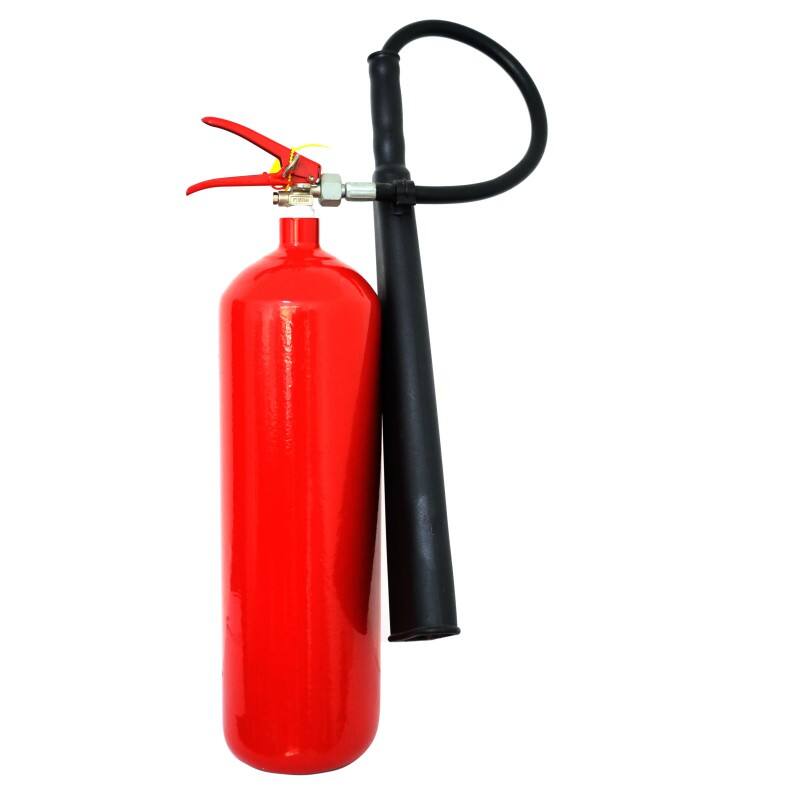
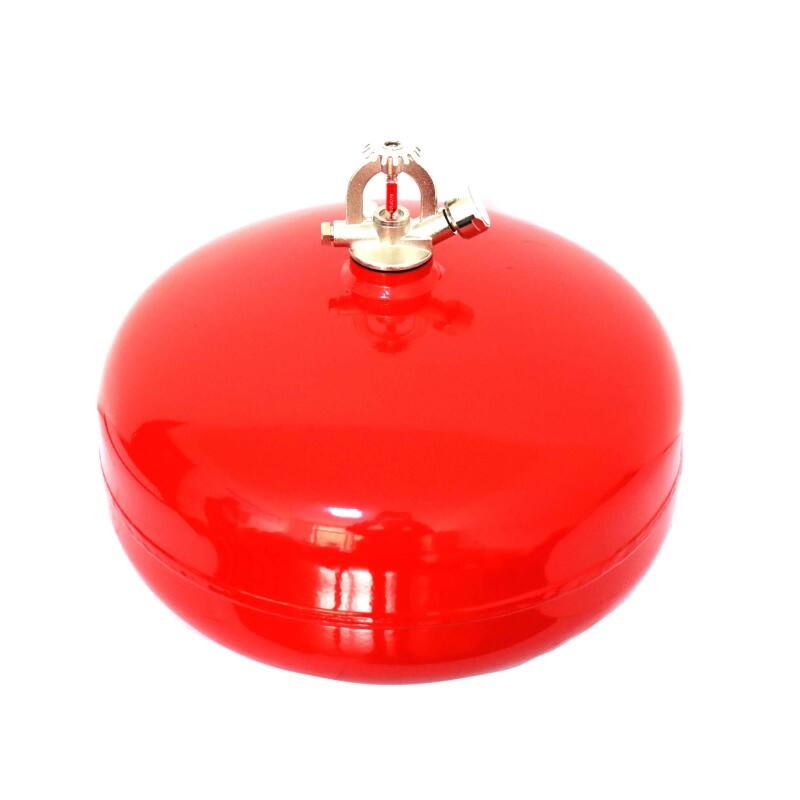
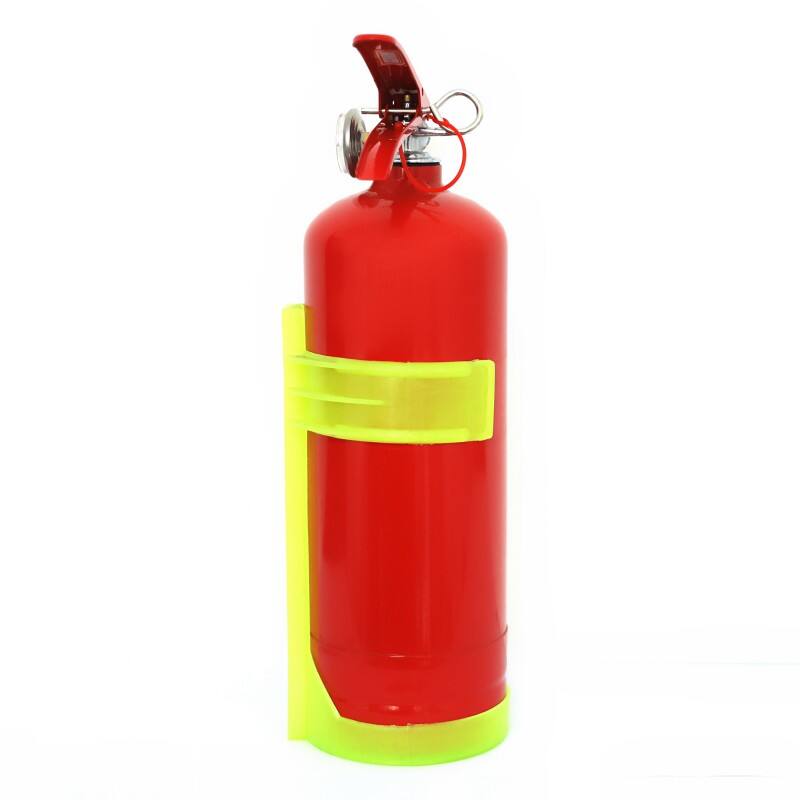
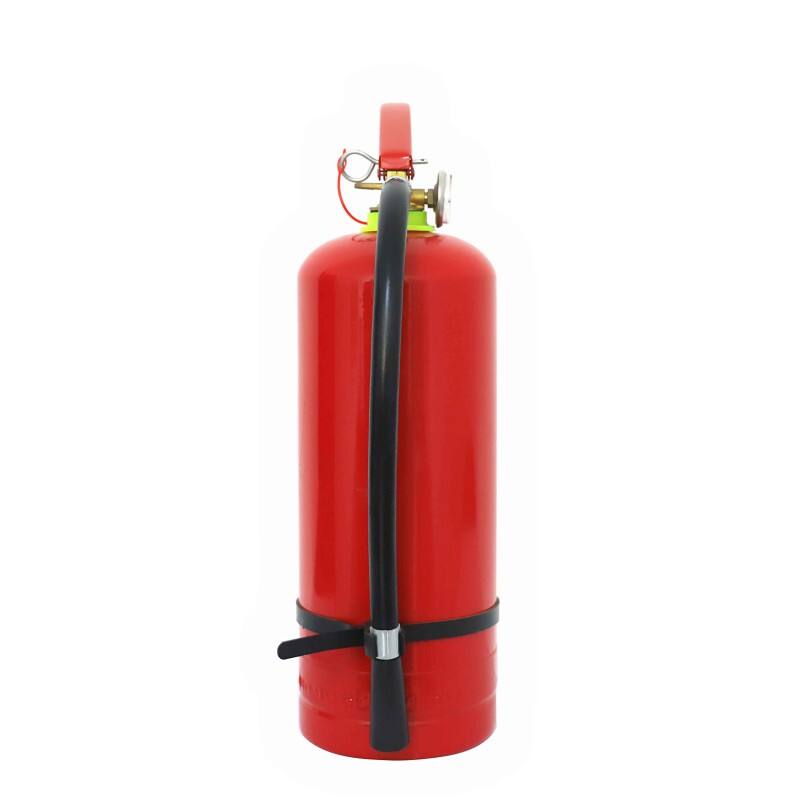
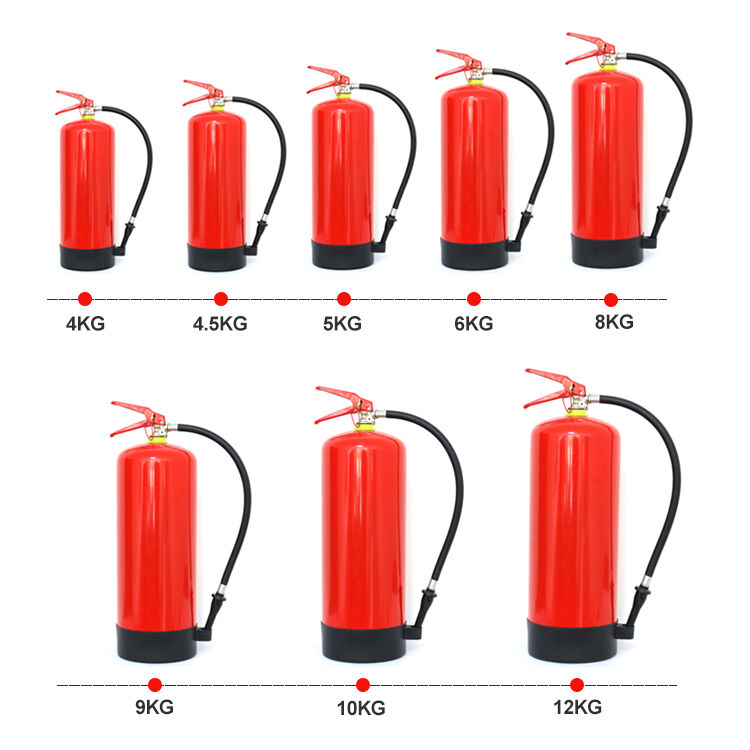
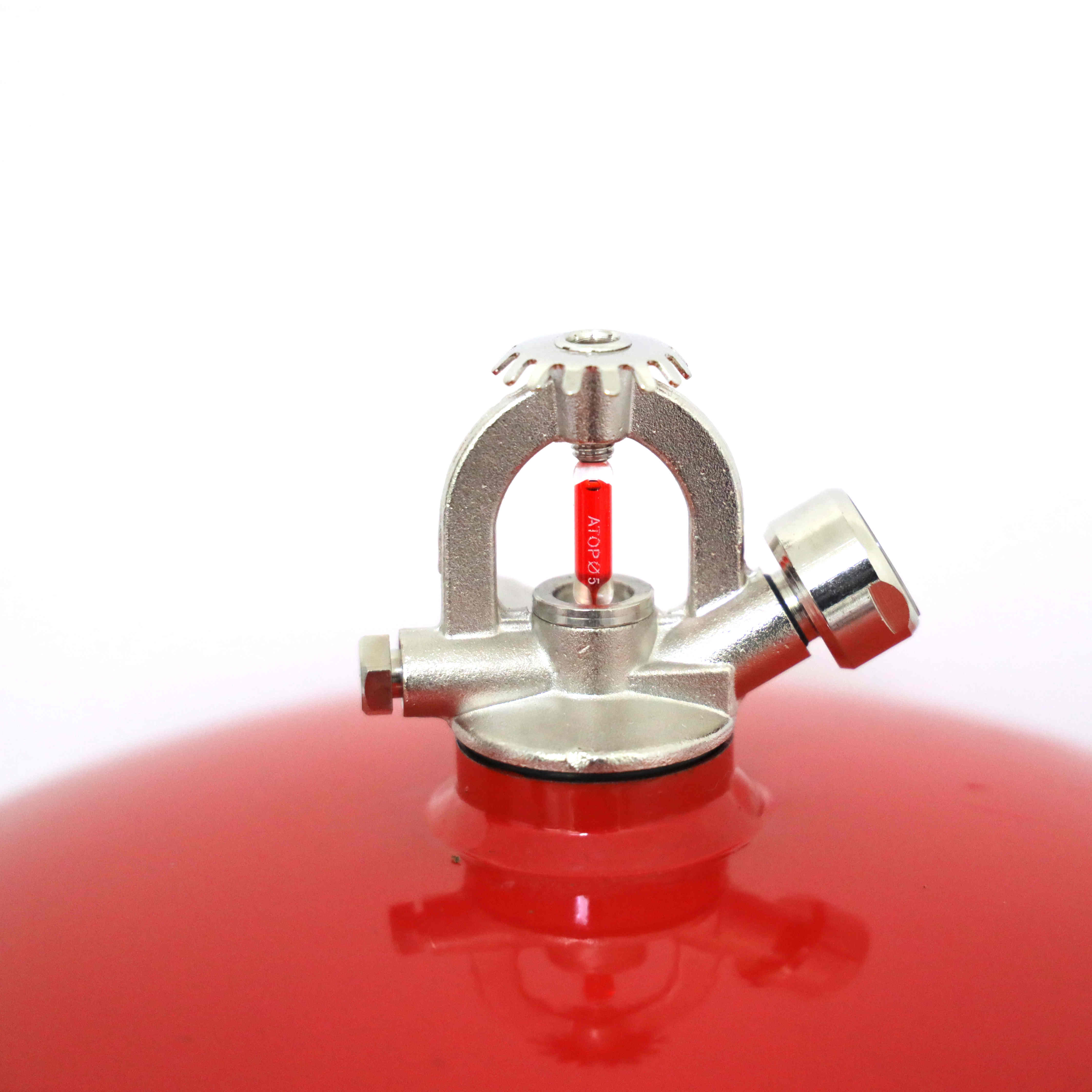
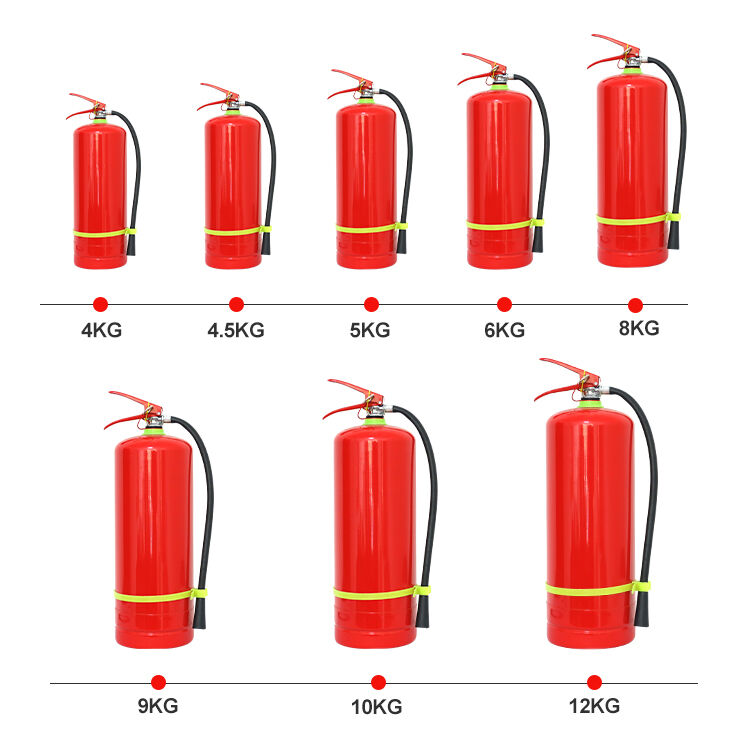
The automatic dry chemical fire extinguisher represents a revolutionary advancement in fire suppression technology, designed to protect lives and property without requiring human intervention. This sophisticated fire safety system combines cutting-edge detection sensors with rapid-response mechanisms to deliver targeted fire suppression exactly when and where it is needed most. Unlike traditional manual extinguishers that depend on human presence and quick thinking, the automatic dry chemical fire extinguisher operates independently, providing 24-hour protection even when buildings are unoccupied. The system utilizes specialized dry chemical agents, typically monoammonium phosphate or sodium bicarbonate, which effectively interrupt the chemical chain reaction that sustains fires. These agents work by creating a barrier between fuel and oxygen while simultaneously cooling the fire source. The technological foundation includes advanced heat and smoke detection capabilities, ensuring precise activation timing to maximize suppression effectiveness while minimizing false alarms. Modern automatic dry chemical fire extinguisher systems incorporate multiple redundant sensors and smart algorithms that analyze environmental conditions continuously. The discharge mechanism features precision-engineered nozzles that distribute the dry chemical agent in optimal patterns, ensuring comprehensive coverage of the protected area. Installation flexibility allows these systems to protect diverse environments, from industrial facilities and commercial kitchens to server rooms and storage areas. The automatic dry chemical fire extinguisher excels in situations where traditional sprinkler systems might cause water damage or where specialized fire risks require specific suppression agents. Maintenance requirements remain minimal due to robust construction and self-monitoring capabilities that alert facility managers to any system issues. The integration potential with existing building management systems enables centralized monitoring and control, providing facility operators with real-time status updates and detailed incident reporting capabilities for enhanced safety management.

Popular Products

The automatic dry chemical fire extinguisher delivers exceptional fire protection benefits that surpass traditional suppression methods in numerous critical applications. Speed of response stands as the primary advantage, with these systems detecting and responding to fires within seconds of ignition, dramatically reducing potential damage and increasing occupant safety. This rapid response capability proves invaluable in scenarios where every second counts, such as protecting expensive equipment or preventing fire spread in confined spaces. The elimination of human error represents another significant benefit, as the automatic dry chemical fire extinguisher operates without requiring personnel training, maintenance of manual extinguisher inspection schedules, or reliance on occupant presence during emergencies. Cost-effectiveness emerges through reduced insurance premiums, minimized fire damage, and lower long-term maintenance requirements compared to complex sprinkler systems. The versatility of dry chemical agents allows these systems to handle multiple fire classifications, including Class A combustible materials, Class B flammable liquids, and Class C electrical fires, providing comprehensive protection with a single system installation. Unlike water-based suppression systems, the automatic dry chemical fire extinguisher prevents water damage to sensitive electronics, documents, and inventory, making it ideal for computer rooms, laboratories, and storage facilities. Environmental considerations favor dry chemical systems as they produce no toxic byproducts and require no special ventilation during or after activation. The compact design enables installation in space-constrained areas where traditional suppression systems cannot fit effectively. Reliability increases through advanced sensor technology that distinguishes between actual fire conditions and false alarm triggers such as steam or dust. Integration capabilities allow seamless connection with building automation systems, security networks, and emergency communication systems for coordinated response protocols. Remote monitoring features provide facility managers with instant notifications and detailed system status information, enabling proactive maintenance and rapid emergency response coordination. The scalability of automatic dry chemical fire extinguisher systems accommodates facilities of all sizes, from small equipment cabinets to large industrial complexes, with modular components that expand protection coverage as facility needs grow.

Practical Tips

The Ultimate Guide to Choosing the Right Fire Extinguisher for Your Home

02

Dec

The Ultimate Guide to Choosing the Right Fire Extinguisher for Your Home

Home fire safety is a critical concern that every homeowner must address proactively. A fire extinguisher serves as your first line of defense against small fires before they escalate into catastrophic events. Understanding the different types of fir...
View More
Dry Powder Fire Extinguisher: A Complete Guide to Uses and Limitations

16

Dec

Dry Powder Fire Extinguisher: A Complete Guide to Uses and Limitations

Fire safety remains a critical concern across industrial, commercial, and residential environments worldwide. Among the various firefighting solutions available today, the dry powder extinguisher stands out as one of the most versatile and widely dep...
View More
When to Use a Fire Blanket vs. a Fire Extinguisher: A Clear Guide

19

Dec

When to Use a Fire Blanket vs. a Fire Extinguisher: A Clear Guide

When faced with a fire emergency, having the right suppression tool can mean the difference between a minor incident and a catastrophic event. Two of the most common fire safety devices found in homes, kitchens, and workplaces are fire blankets and f...
View More
How to Read a Fire Extinguisher Pressure Gauge (With Pictures)

22

Dec

How to Read a Fire Extinguisher Pressure Gauge (With Pictures)

Understanding how to properly read a fire extinguisher pressure gauge is essential for maintaining fire safety equipment and ensuring optimal performance during emergencies. A pressure gauge serves as the primary indicator of whether your fire exting...
View More

Get a Free Quote

Our representative will contact you soon.
Email
Name
Company Name
Mobile/WhatsApp
Message
0/1000

automatic dry chemical fire extinguisher

Advanced Multi-Sensor Detection Technology

Advanced Multi-Sensor Detection Technology

The automatic dry chemical fire extinguisher incorporates state-of-the-art multi-sensor detection technology that revolutionizes fire safety through intelligent monitoring and precise activation protocols. This sophisticated detection system combines thermal sensors, photoelectric smoke detectors, and infrared flame detection capabilities to create a comprehensive fire identification network that virtually eliminates false alarms while ensuring rapid response to genuine fire threats. The thermal detection component utilizes advanced thermistors and rate-of-rise sensors that monitor temperature changes with exceptional accuracy, distinguishing between normal environmental fluctuations and dangerous fire-related heat increases. Photoelectric smoke detection employs laser-based particle analysis to identify combustion byproducts at the earliest stages of fire development, often detecting fires before visible flames appear. The infrared flame detection system monitors specific light wavelengths produced by hydrocarbon flames, providing immediate confirmation of active fire conditions. These three detection methods work in sophisticated algorithms that analyze multiple data points simultaneously, creating detection profiles that adapt to specific environmental conditions and eliminate nuisance alarms from cooking, steam, dust, or other non-fire sources. The intelligent processing unit continuously learns from environmental patterns, improving detection accuracy over time while maintaining sensitivity to legitimate fire threats. Wireless communication capabilities allow multiple sensors to share information instantaneously, creating zone-based protection networks that can track fire progression and optimize suppression strategies accordingly. The detection system features built-in self-diagnostic capabilities that monitor sensor functionality, battery levels, and communication integrity, providing facility managers with detailed status reports and predictive maintenance alerts. Advanced signal processing filters out electromagnetic interference and environmental noise that could trigger false activations, while maintaining hair-trigger sensitivity to actual fire signatures. The multi-sensor approach provides redundant protection layers, ensuring that system reliability remains high even if individual sensors experience temporary malfunctions. Remote monitoring capabilities transmit real-time detection data to central control stations, security personnel, and emergency response teams, enabling coordinated response efforts and detailed incident documentation for insurance and investigation purposes.

Precision Chemical Agent Delivery System

Precision Chemical Agent Delivery System

The precision chemical agent delivery system within the automatic dry chemical fire extinguisher represents a breakthrough in targeted fire suppression technology, engineered to maximize extinguishing effectiveness while minimizing agent waste and collateral damage. This advanced delivery mechanism features specially designed discharge nozzles that create optimal particle size distribution and coverage patterns, ensuring the dry chemical agent reaches all areas of the protected zone with consistent concentration levels. The pressurization system utilizes nitrogen cartridges or stored pressure mechanisms that maintain precise discharge pressure throughout the entire suppression event, preventing agent settling and ensuring complete system evacuation. Computational fluid dynamics modeling guides nozzle design and positioning to create turbulent mixing patterns that enhance agent distribution and fire suppression effectiveness across varying room geometries and airflow conditions. The delivery system incorporates progressive discharge technology that releases agents in calculated phases, beginning with concentrated application at the fire source and expanding coverage to prevent re-ignition from adjacent fuel sources. Specialized agent formulations include flow conditioning additives that prevent caking and ensure consistent flowability even after extended storage periods in challenging environmental conditions. The discharge mechanism features anti-clogging designs with oversized ports and smooth internal passages that prevent blockages from settled particles or moisture condensation. Pressure monitoring systems continuously verify system readiness and provide early warning of pressure loss due to seal deterioration or cartridge leakage. The delivery timing incorporates intelligent delay mechanisms that allow sufficient detection confirmation while preventing unnecessary delays that could compromise suppression effectiveness. Multi-zone capability enables selective agent discharge to specific areas based on fire location detection, conserving agent supplies and reducing cleanup requirements in unaffected areas. The system accommodates various dry chemical formulations including monoammonium phosphate for Class A fires, sodium bicarbonate for Class B applications, and specialized agents for specific industrial hazards. Discharge verification sensors confirm successful agent release and provide feedback for system reset procedures. The delivery system integrates with building ventilation controls to optimize agent effectiveness by temporarily reducing air circulation during suppression events, preventing agent dispersion before complete fire extinguishment occurs.
Comprehensive Fire Class Protection Coverage

Comprehensive Fire Class Protection Coverage

The comprehensive fire class protection coverage offered by the automatic dry chemical fire extinguisher establishes it as the ultimate versatile fire suppression solution, capable of effectively combating multiple types of fires with superior suppression performance across diverse applications and environments. This multi-class capability stems from carefully engineered dry chemical formulations that interrupt combustion processes through multiple mechanisms, including flame inhibition, heat absorption, and oxygen displacement, providing reliable protection against Class A ordinary combustibles, Class B flammable liquids, Class C electrical fires, and specialized industrial fire hazards. Class A fire protection utilizes monoammonium phosphate-based agents that create protective barriers over burning materials while simultaneously cooling fire surfaces and preventing re-ignition through char formation and heat absorption properties. The chemical coating action seals combustible surfaces, preventing oxygen access and creating long-lasting fire suppression even after initial extinguishment. Class B fire suppression employs specialized sodium bicarbonate or potassium bicarbonate formulations that rapidly break the combustion chain reaction in flammable liquid fires, creating dense vapor barriers that prevent flame propagation across liquid surfaces. The agent effectiveness extends to pressurized gas fires and three-dimensional liquid fuel fires that challenge conventional suppression methods. Class C electrical fire protection incorporates non-conductive dry chemical agents that safely suppress electrical fires without creating shock hazards or equipment damage, allowing continued operation of critical electrical systems after fire suppression. The automatic dry chemical fire extinguisher adapts to specific hazard requirements through selectable agent formulations and delivery configurations tailored to particular fire risks and environmental conditions. Industrial applications benefit from specialized agents designed for metal fires, chemical processing hazards, and high-temperature applications where conventional suppression methods prove inadequate. The system flexibility accommodates combination hazard areas where multiple fire classes may occur simultaneously, providing comprehensive protection without requiring multiple suppression systems. Environmental compatibility ensures safe operation in occupied spaces, food processing areas, and sensitive equipment installations where toxic suppression agents would create additional hazards. The effectiveness verification includes real-world fire testing across various fuel types, environmental conditions, and application scenarios to validate suppression performance and optimize agent selection for specific applications. Long-term effectiveness maintains protection levels through stable chemical formulations that resist degradation and maintain suppression capabilities throughout extended service intervals, ensuring reliable performance when fire protection becomes critically necessary.

Get a Free Quote

Our representative will contact you soon.
Email
Name
Company Name
Mobile/WhatsApp
Message
0/1000
email goToTop