Premium Brass Extinguisher Valve - Reliable Fire Safety Control Systems

Download Catalogue
All Categories

Get a Free Quote

Our representative will contact you soon.
Email
Name
Company Name
Mobile/WhatsApp
Message
0/1000

brass extinguisher valve

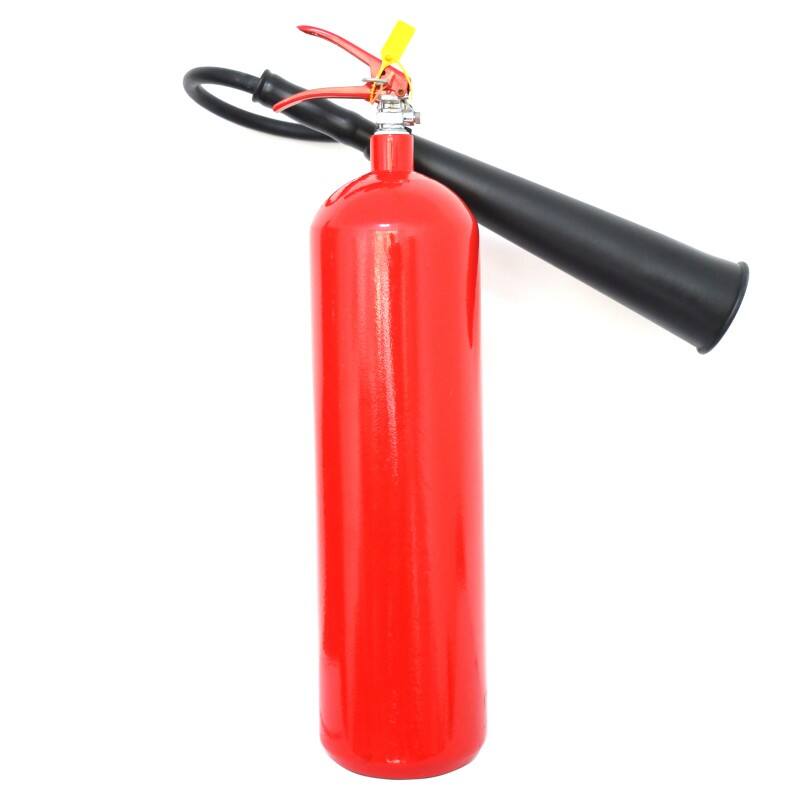
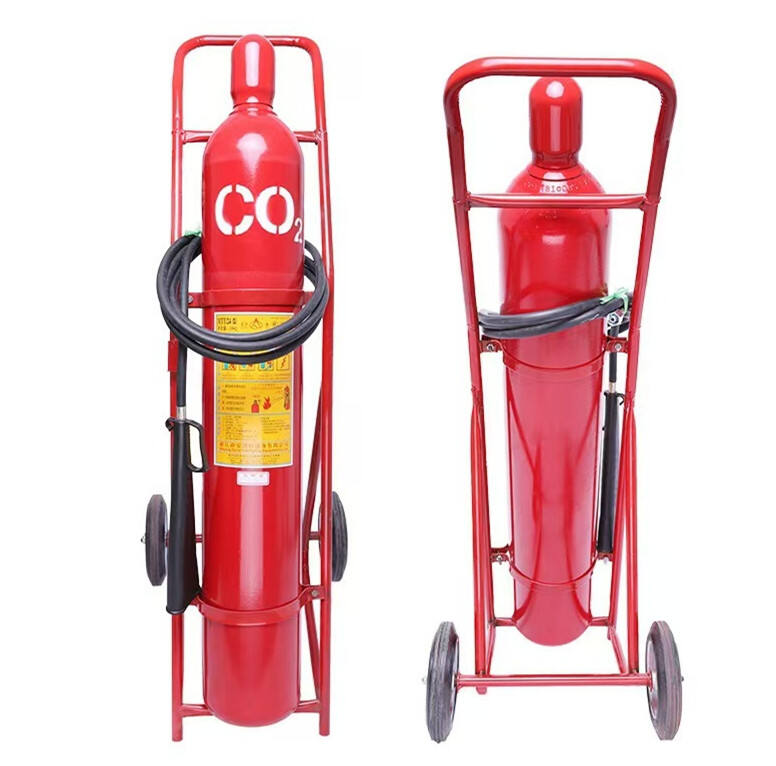
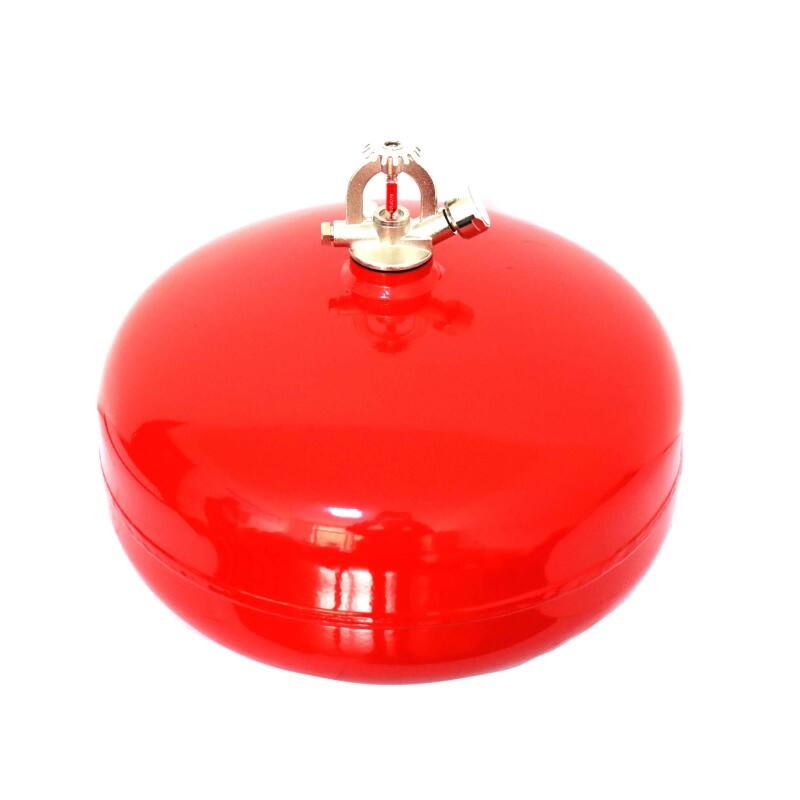
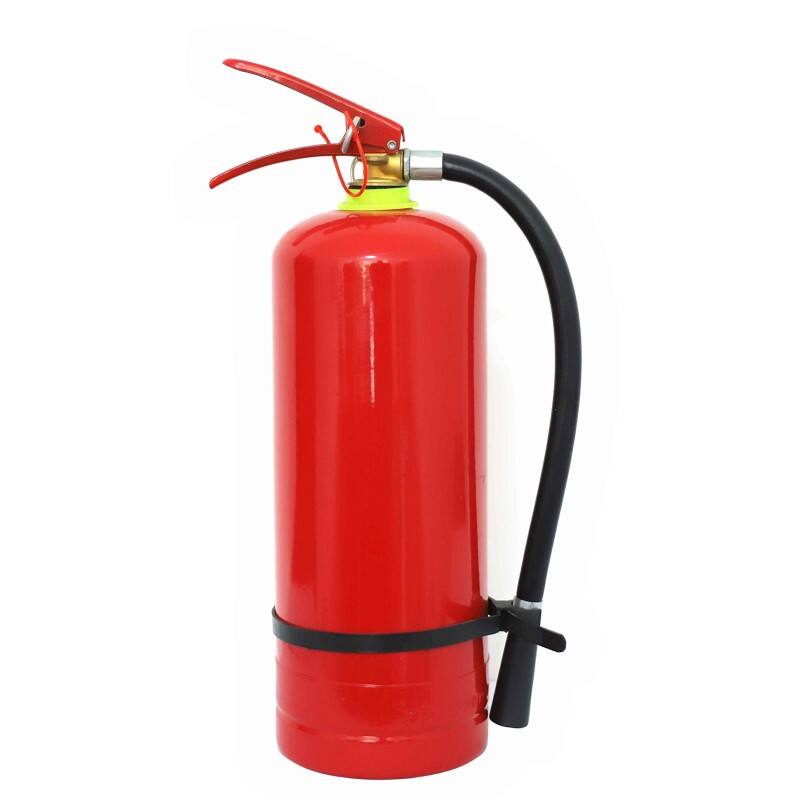
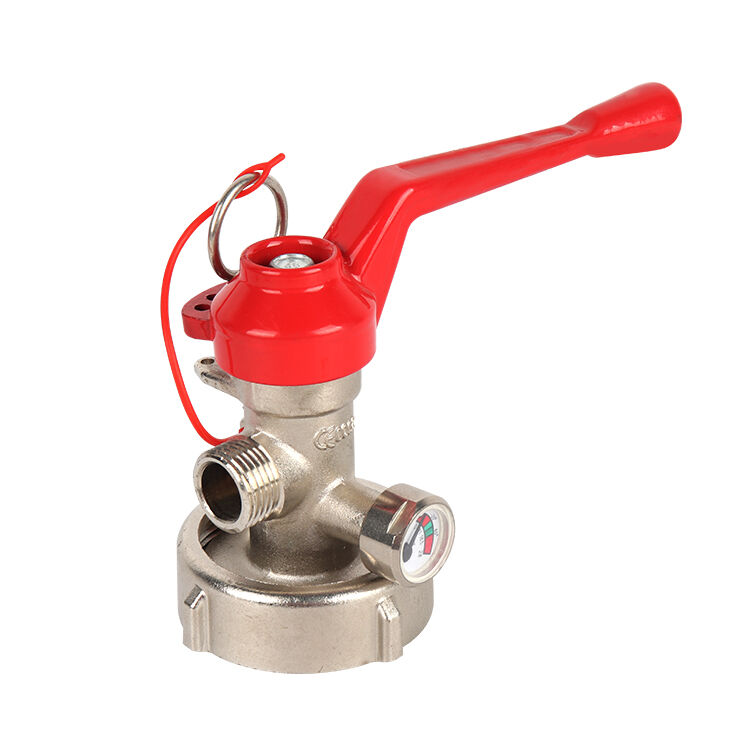
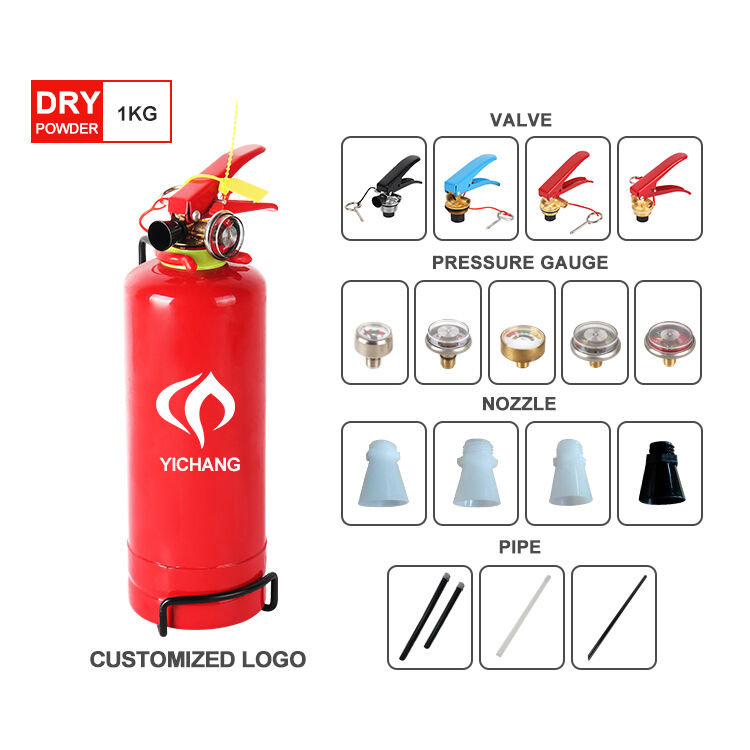
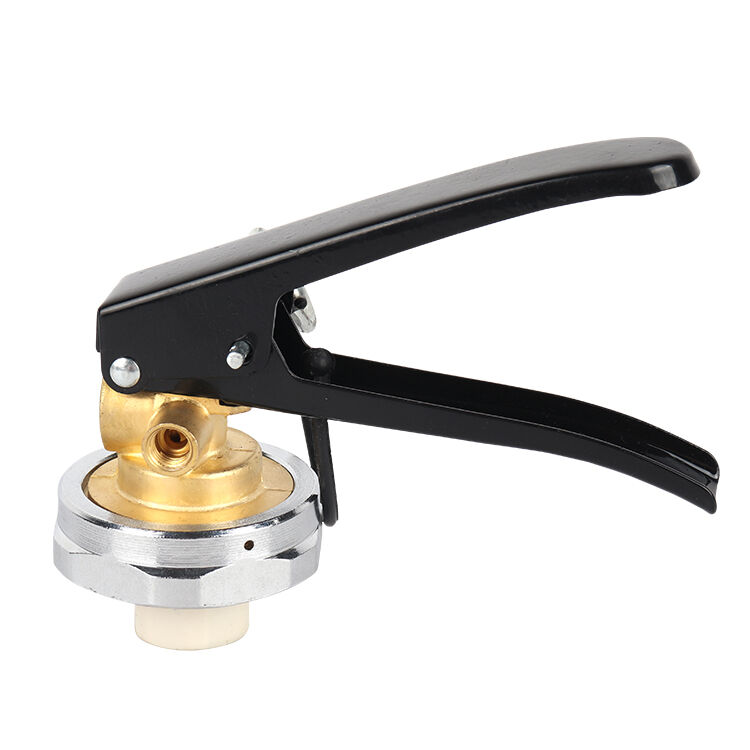
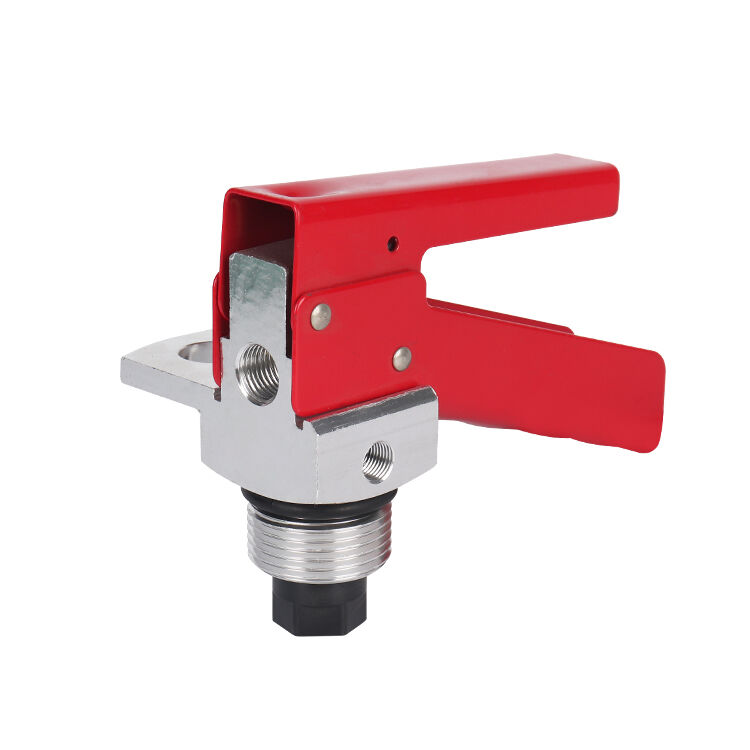
The brass extinguisher valve represents a critical component in fire safety systems, serving as the primary control mechanism for fire suppressant release in various extinguisher applications. This precision-engineered valve combines the natural properties of brass alloy with advanced manufacturing techniques to deliver reliable performance in emergency situations. The brass extinguisher valve functions as a gate between the pressurized suppressant chamber and the discharge nozzle, enabling controlled release of fire-fighting agents when activated. Its robust construction utilizes high-grade brass materials that provide excellent resistance to corrosion, temperature fluctuations, and mechanical stress. The valve incorporates multiple sealing mechanisms to prevent accidental discharge while ensuring immediate response when needed. Technologically, the brass extinguisher valve features precision-machined threads, calibrated spring mechanisms, and specialized gasket systems that maintain pressure integrity over extended periods. The valve assembly includes safety pins, trigger mechanisms, and pressure gauges that work together to create a comprehensive control system. Modern brass extinguisher valve designs incorporate ergonomic handles and intuitive operation methods that allow users to activate the system quickly during emergencies. These valves are engineered to meet stringent safety standards and undergo rigorous testing protocols to ensure consistent performance. Applications for the brass extinguisher valve span across residential, commercial, industrial, and marine environments. They are commonly found in portable fire extinguishers, fixed suppression systems, and specialized firefighting equipment. The versatility of brass extinguisher valve technology makes it suitable for various suppressant types, including dry chemical, foam, carbon dioxide, and clean agent systems. Installation flexibility allows the brass extinguisher valve to be integrated into different extinguisher configurations while maintaining optimal performance characteristics.

Popular Products

The brass extinguisher valve offers numerous practical benefits that make it an superior choice for fire safety applications across diverse environments. Durability stands as the primary advantage, with brass construction providing exceptional longevity compared to alternative materials. The brass extinguisher valve resists corrosion from environmental factors, chemical exposure, and moisture, ensuring reliable operation even in harsh conditions. This corrosion resistance translates directly into reduced maintenance costs and longer service intervals, providing significant economic benefits for property owners and facility managers. The brass extinguisher valve delivers consistent performance throughout its operational life, maintaining precise pressure control and smooth activation mechanics that users can depend on during critical moments. Reliability becomes paramount in emergency situations, and the brass extinguisher valve excels in providing immediate response when seconds matter most. The valve mechanism operates smoothly under pressure, allowing for controlled discharge rates that maximize suppressant effectiveness while conserving valuable fire-fighting agents. Cost-effectiveness emerges as another significant advantage of the brass extinguisher valve system. While initial investment may be higher than plastic alternatives, the extended service life and reduced replacement frequency result in lower total ownership costs over time. The brass extinguisher valve requires minimal maintenance beyond regular inspections, reducing operational expenses and administrative burden for facility management teams. Compatibility represents a crucial benefit, as the brass extinguisher valve works effectively with multiple suppressant types and extinguisher configurations. This versatility allows facility managers to standardize on brass extinguisher valve technology across different applications, simplifying inventory management and technician training requirements. The brass extinguisher valve also provides excellent thermal stability, maintaining proper function across wide temperature ranges without performance degradation. Safety features built into the brass extinguisher valve design include pressure relief mechanisms, tamper indicators, and ergonomic activation controls that reduce user error during emergency operations. The brass extinguisher valve meets rigorous industry standards and certification requirements, ensuring compliance with fire safety regulations and insurance requirements. Professional fire safety inspectors recognize the brass extinguisher valve as a reliable, code-compliant solution that supports comprehensive fire protection strategies.

Practical Tips

The Ultimate Guide to Choosing the Right Fire Extinguisher for Your Home

02

Dec

The Ultimate Guide to Choosing the Right Fire Extinguisher for Your Home

Home fire safety is a critical concern that every homeowner must address proactively. A fire extinguisher serves as your first line of defense against small fires before they escalate into catastrophic events. Understanding the different types of fir...
View More
Fire Extinguisher Valve: How It Works and Why It's Crucial

10

Dec

Fire Extinguisher Valve: How It Works and Why It's Crucial

Fire extinguisher systems represent one of the most critical safety components in any building or industrial facility. At the heart of every fire extinguisher lies a sophisticated valve mechanism that controls the flow of suppressant materials during...
View More
When to Use a Fire Blanket vs. a Fire Extinguisher: A Clear Guide

19

Dec

When to Use a Fire Blanket vs. a Fire Extinguisher: A Clear Guide

When faced with a fire emergency, having the right suppression tool can mean the difference between a minor incident and a catastrophic event. Two of the most common fire safety devices found in homes, kitchens, and workplaces are fire blankets and f...
View More
How to Read a Fire Extinguisher Pressure Gauge (With Pictures)

22

Dec

How to Read a Fire Extinguisher Pressure Gauge (With Pictures)

Understanding how to properly read a fire extinguisher pressure gauge is essential for maintaining fire safety equipment and ensuring optimal performance during emergencies. A pressure gauge serves as the primary indicator of whether your fire exting...
View More

Get a Free Quote

Our representative will contact you soon.
Email
Name
Company Name
Mobile/WhatsApp
Message
0/1000

brass extinguisher valve

Superior Corrosion Resistance and Longevity

Superior Corrosion Resistance and Longevity

The brass extinguisher valve demonstrates exceptional resistance to corrosion, making it the preferred choice for environments where moisture, chemicals, and atmospheric conditions pose challenges to fire safety equipment. Unlike steel or aluminum alternatives, the brass extinguisher valve maintains structural integrity and operational efficiency even when exposed to salt air, industrial chemicals, and extreme humidity levels. This corrosion resistance stems from brass alloy composition, which naturally forms a protective oxide layer that prevents degradation over time. The brass extinguisher valve continues functioning reliably in marine applications, coastal facilities, chemical processing plants, and outdoor installations where other materials would fail. Property owners benefit from extended service intervals and reduced replacement costs, as the brass extinguisher valve typically outlasts alternatives by several years. The longevity advantage becomes particularly important in commercial and industrial settings where fire safety system downtime creates liability concerns and operational disruptions. Regular inspection schedules remain manageable because the brass extinguisher valve requires less frequent maintenance than comparable products. The valve mechanism maintains smooth operation throughout its extended service life, ensuring that activation forces remain consistent and reliable. Users can confidently depend on the brass extinguisher valve to perform when needed, regardless of environmental exposure duration. This reliability factor becomes crucial in remote locations or facilities with limited maintenance access, where equipment failure could have serious consequences. The brass extinguisher valve construction also resists thread galling and seizing, common problems that affect other valve materials under repeated use cycles. Facilities operating in challenging environments, such as offshore platforms, mining operations, and agricultural processing centers, find that the brass extinguisher valve provides unmatched durability and peace of mind for their fire protection investments.
Precise Pressure Control and Optimal Discharge Performance

Precise Pressure Control and Optimal Discharge Performance

The brass extinguisher valve incorporates sophisticated pressure management technology that ensures optimal suppressant discharge characteristics for maximum fire-fighting effectiveness. Engineering precision in the brass extinguisher valve design allows for calibrated flow rates that deliver suppressant agents at proper velocities and distribution patterns. This controlled release mechanism maximizes the effectiveness of expensive fire-fighting chemicals while preventing waste through over-discharge or inadequate coverage. The brass extinguisher valve responds instantly to activation commands, eliminating delays that could allow fires to spread beyond controllable limits. Pressure regulation within the brass extinguisher valve system maintains consistent performance regardless of ambient temperature fluctuations or storage conditions. Users experience reliable activation forces that remain within manageable ranges, ensuring that individuals of varying physical capabilities can operate the brass extinguisher valve effectively during emergencies. The valve design accommodates different suppressant viscosities and chemical compositions without compromising discharge performance or system integrity. Quality control measures during brass extinguisher valve manufacturing ensure that each unit meets precise specifications for pressure ratings, flow characteristics, and safety margins. Professional fire safety technicians appreciate the predictable performance characteristics of the brass extinguisher valve, which simplifies system design and maintenance planning processes. The brass extinguisher valve maintains its calibrated settings throughout extended storage periods, eliminating concerns about performance drift that affects some valve technologies. Testing procedures verify that each brass extinguisher valve delivers consistent results across multiple activation cycles, providing confidence in system reliability. Advanced sealing technology within the brass extinguisher valve prevents pressure loss during storage while ensuring immediate availability when activation occurs. The precision engineering approach results in a brass extinguisher valve that performs optimally across various operating conditions, from freezing temperatures to extreme heat environments, making it suitable for diverse geographic and climatic applications.
Universal Compatibility and Installation Flexibility

Universal Compatibility and Installation Flexibility

The brass extinguisher valve offers remarkable compatibility with diverse fire suppression systems, suppressant types, and installation configurations, making it an versatile solution for complex fire protection requirements. Engineering standards ensure that the brass extinguisher valve integrates seamlessly with existing fire safety infrastructure, reducing retrofit costs and simplifying system upgrades. The threaded connections and mounting configurations of the brass extinguisher valve accommodate industry-standard fittings and hardware, enabling straightforward installation processes that minimize labor costs and project timelines. Compatibility extends to various suppressant agents, including dry chemical powders, foam concentrates, carbon dioxide, and clean agent systems, allowing facility managers to optimize their fire protection strategies without valve replacement requirements. The brass extinguisher valve adapts to different pressure ratings and flow requirements, supporting both portable extinguisher applications and fixed suppression system installations. This flexibility proves particularly valuable in mixed-occupancy buildings where different fire hazards require specific suppressant types and delivery methods. Installation teams appreciate the straightforward mounting procedures and standard connection protocols that the brass extinguisher valve provides, reducing training requirements and potential installation errors. The valve design accommodates both manual and automated activation systems, supporting integration with fire alarm networks, detection systems, and emergency response protocols. Maintenance technicians benefit from standardized service procedures that apply across different brass extinguisher valve applications, streamlining inspection schedules and parts inventory management. The brass extinguisher valve connects effectively with modern monitoring systems that track system status, maintenance requirements, and performance metrics for comprehensive facility management. Retrofit applications particularly benefit from the brass extinguisher valve compatibility, as existing piping, mounting brackets, and control systems often accommodate the valve without extensive modifications. The universal design approach ensures that the brass extinguisher valve remains relevant as fire protection technologies evolve, protecting long-term equipment investments and supporting sustainable facility management practices across diverse industry sectors and building types.


Get a Free Quote

Our representative will contact you soon.
Email
Name
Company Name
Mobile/WhatsApp
Message
0/1000
email goToTop