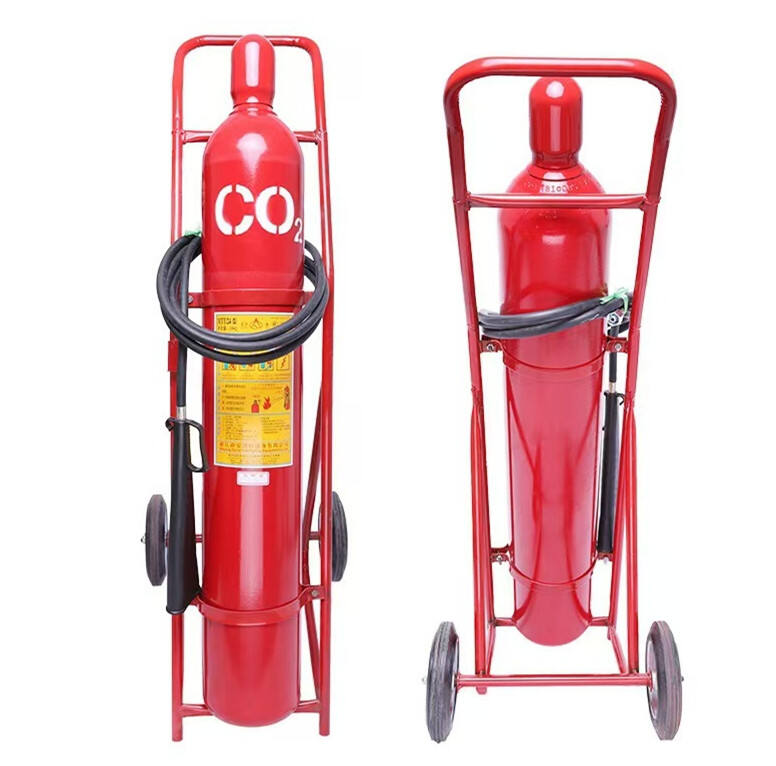
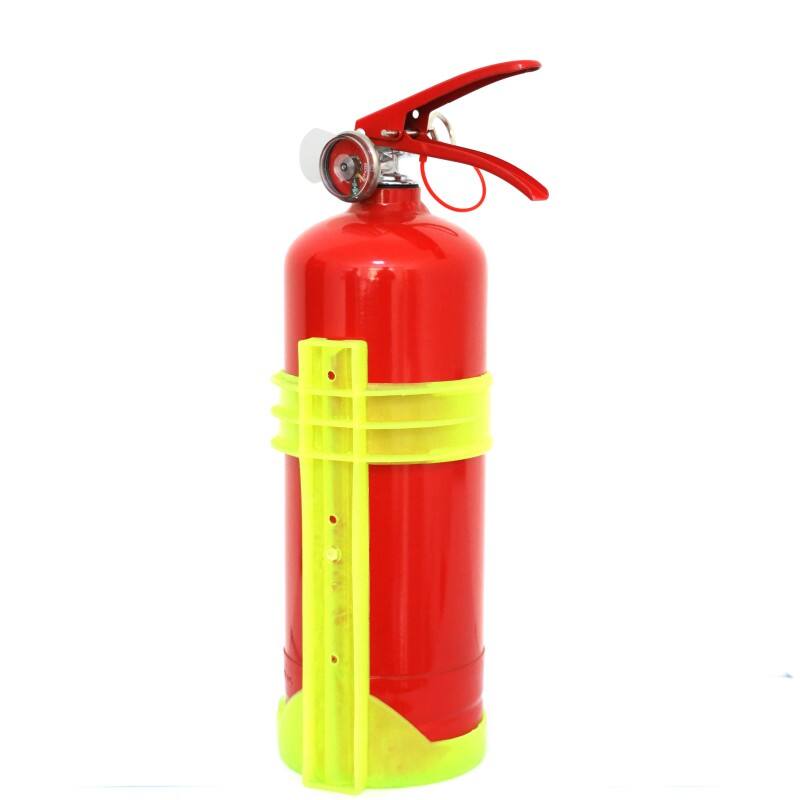
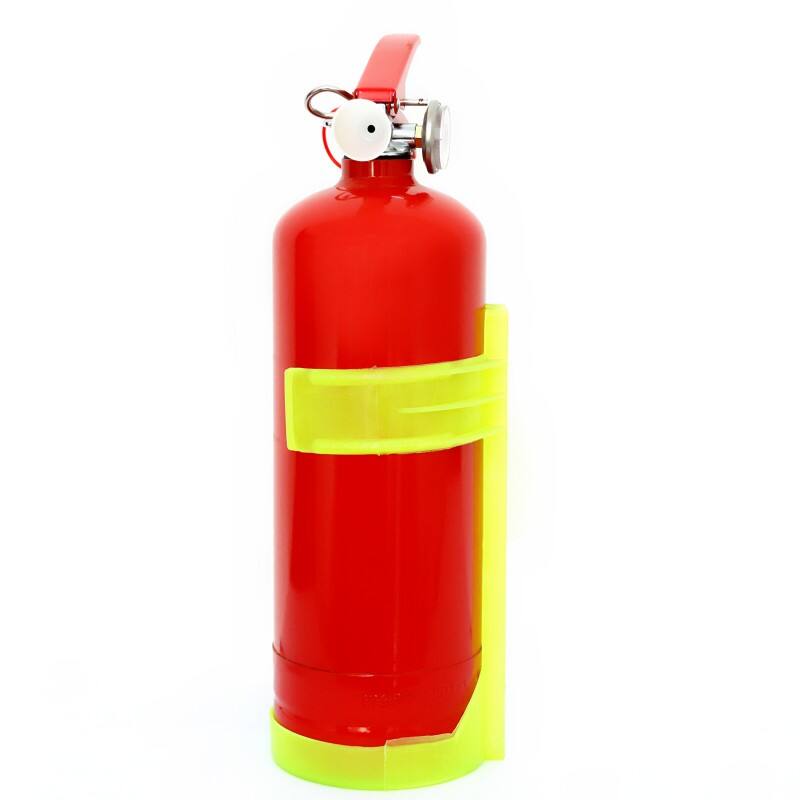
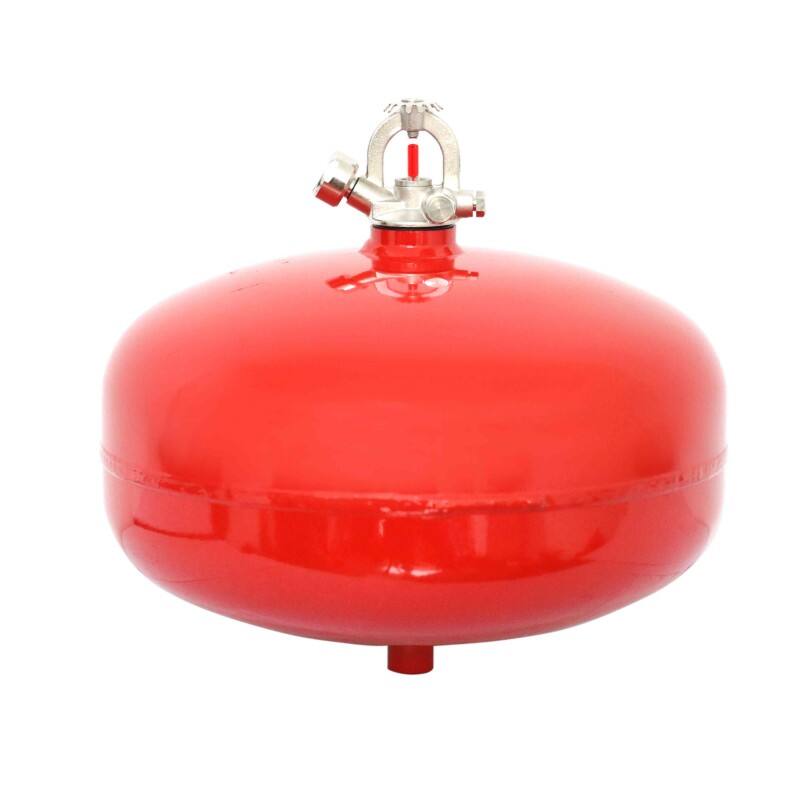
chemical dry powder fire extinguisher
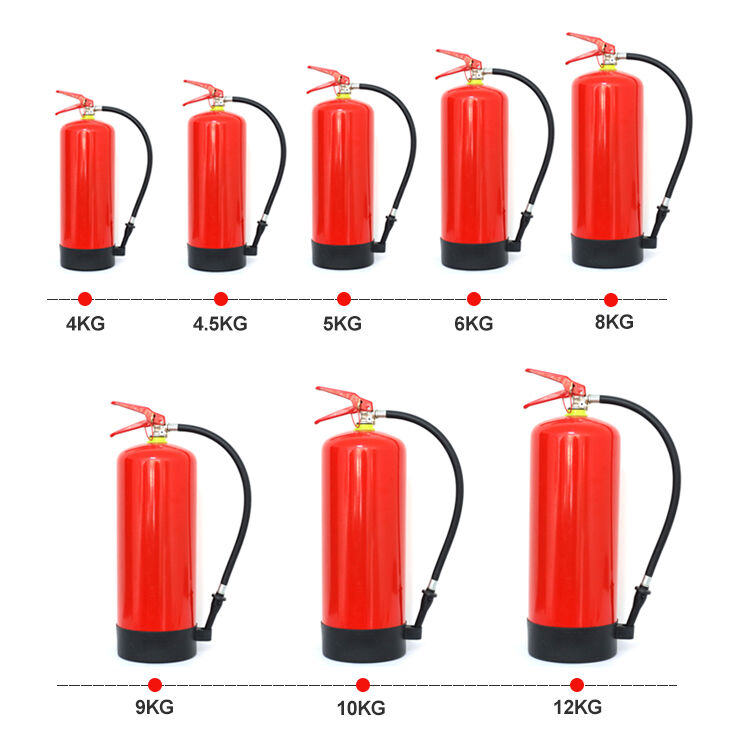
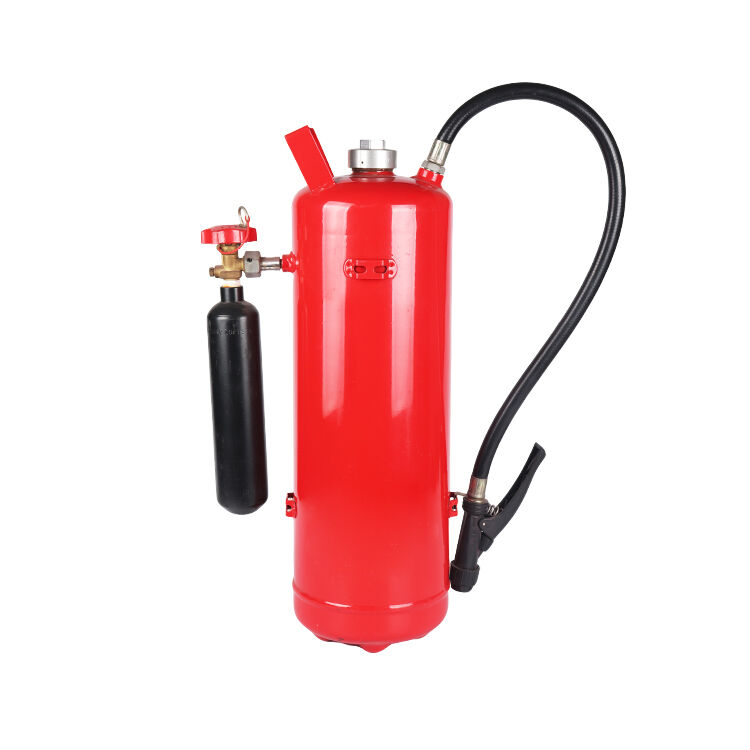
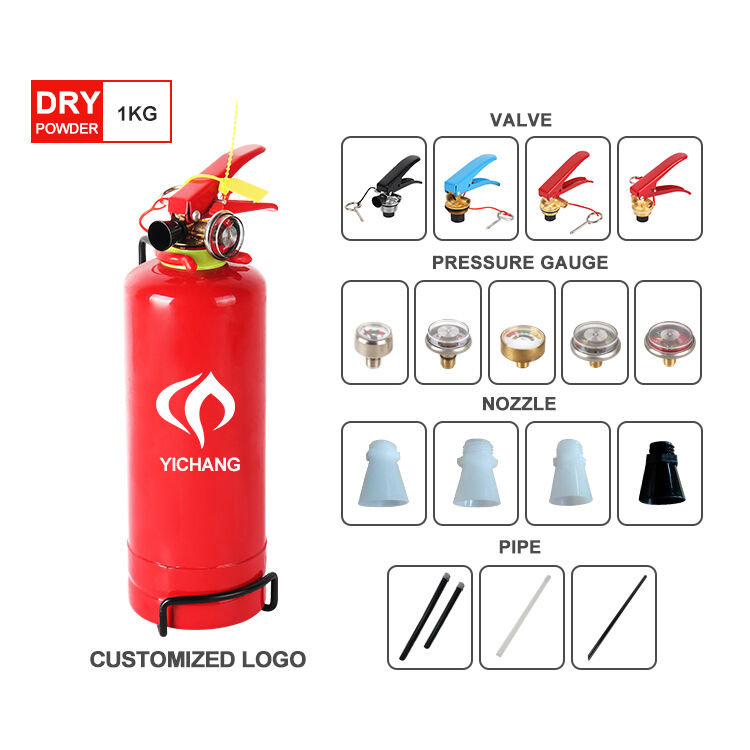
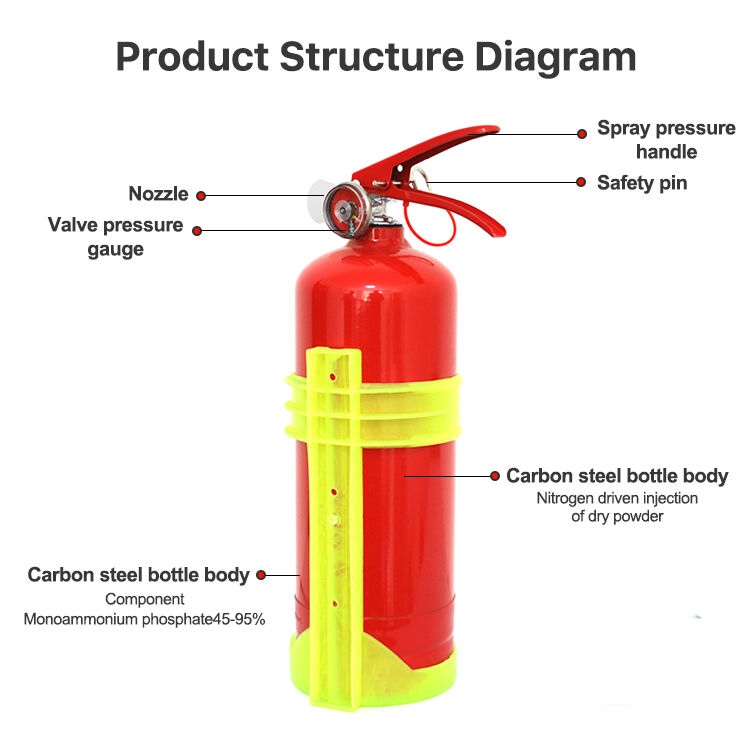
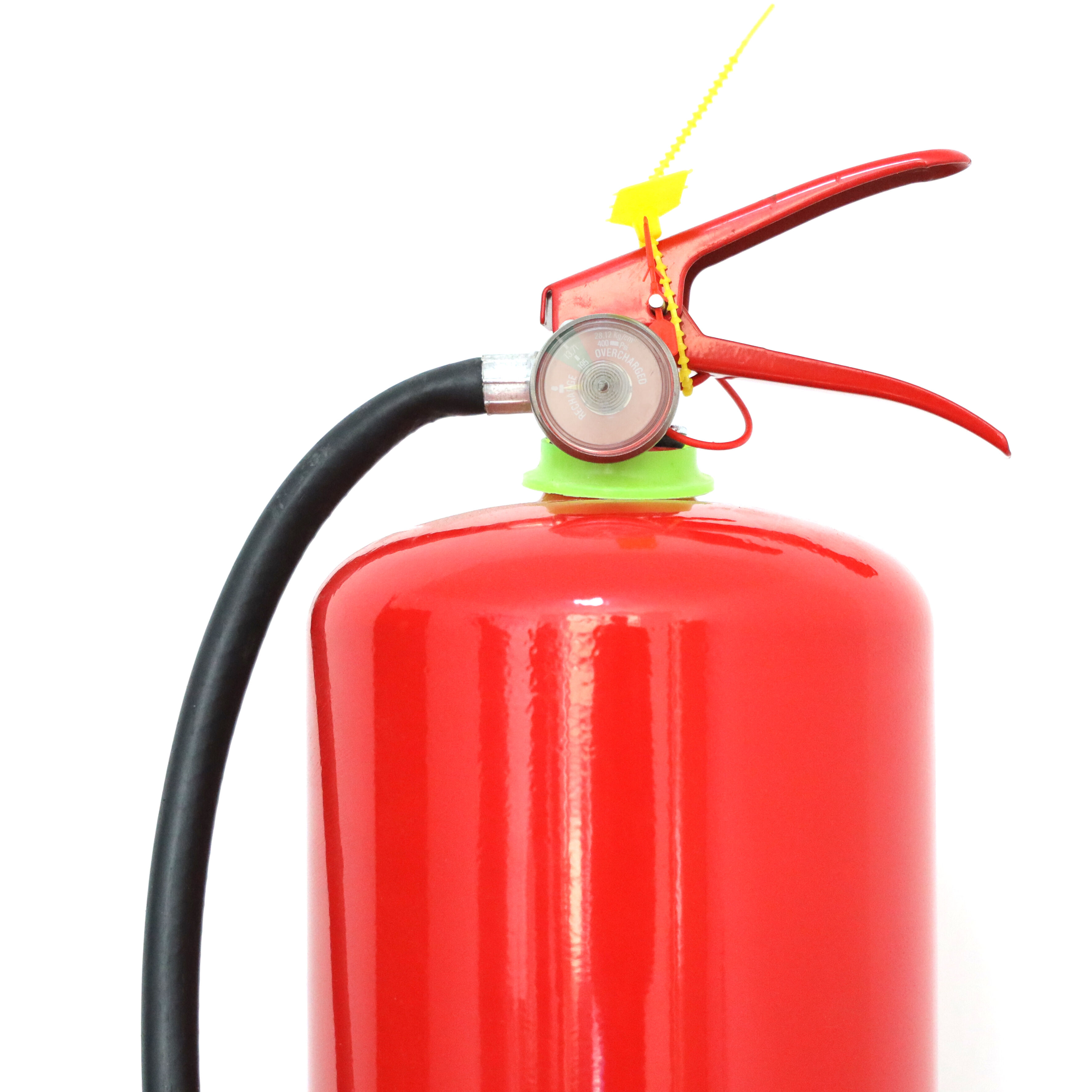
The chemical dry powder fire extinguisher represents a cornerstone technology in modern fire suppression systems, delivering reliable protection across diverse environments and fire scenarios. This sophisticated fire safety equipment utilizes specially formulated chemical compounds that effectively interrupt the combustion process through multiple mechanisms. The chemical dry powder fire extinguisher operates by releasing fine particles that create a barrier between fuel and oxygen while simultaneously interfering with the chemical chain reactions that sustain fires. The primary active ingredient in most chemical dry powder fire extinguisher units consists of monoammonium phosphate, sodium bicarbonate, or potassium bicarbonate, each selected for specific fire classification requirements. These chemical compositions enable the chemical dry powder fire extinguisher to tackle Class A fires involving ordinary combustibles like wood and paper, Class B fires involving flammable liquids, and Class C fires involving electrical equipment. The technological foundation of the chemical dry powder fire extinguisher relies on pressurized storage systems that maintain optimal discharge pressure for consistent performance. Advanced valve mechanisms ensure controlled release of the powder, while specialized nozzle designs optimize particle distribution and coverage patterns. The chemical dry powder fire extinguisher incorporates pressure gauges that provide real-time monitoring of internal pressure levels, ensuring readiness when emergencies arise. Manufacturing standards for chemical dry powder fire extinguisher units emphasize durability and reliability, with corrosion-resistant materials protecting internal components from environmental factors. The chemical dry powder fire extinguisher finds extensive applications in industrial facilities, commercial buildings, residential properties, and vehicular installations. These versatile units prove particularly valuable in environments where water-based suppression systems might cause additional damage or prove ineffective against specific fire types.

 EN
EN