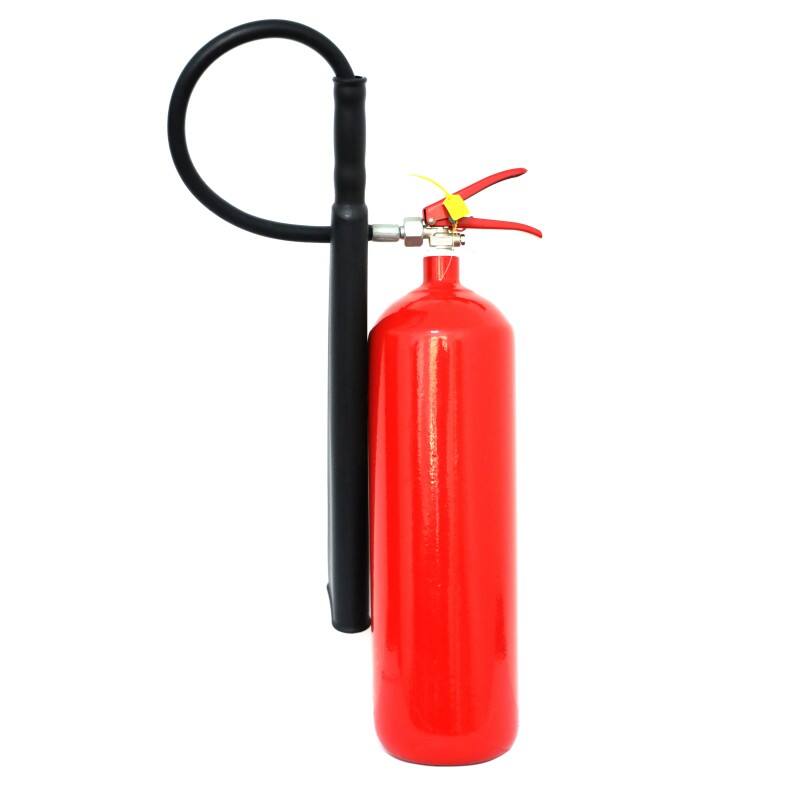
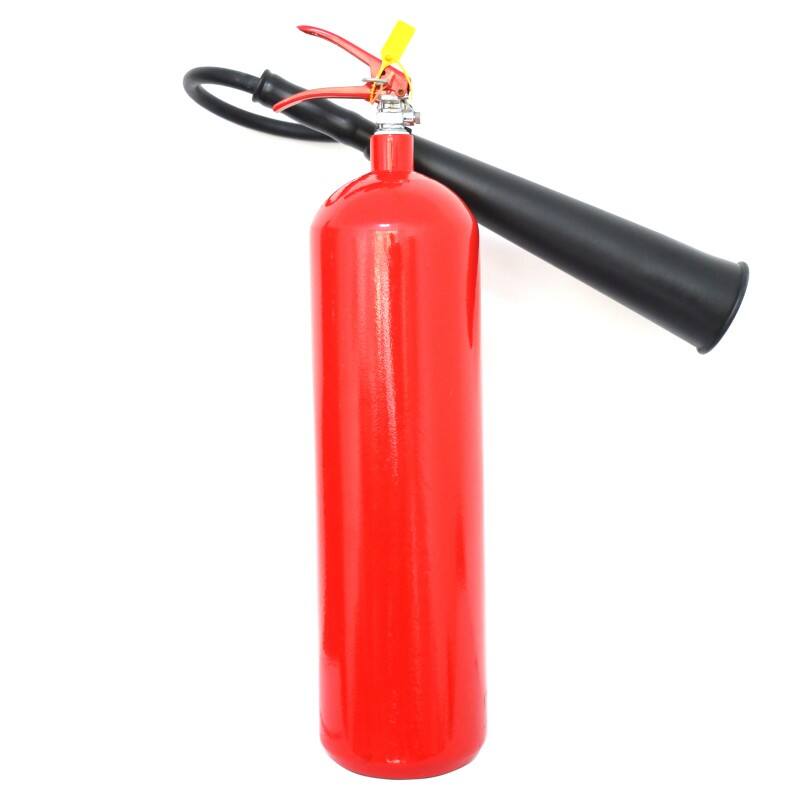
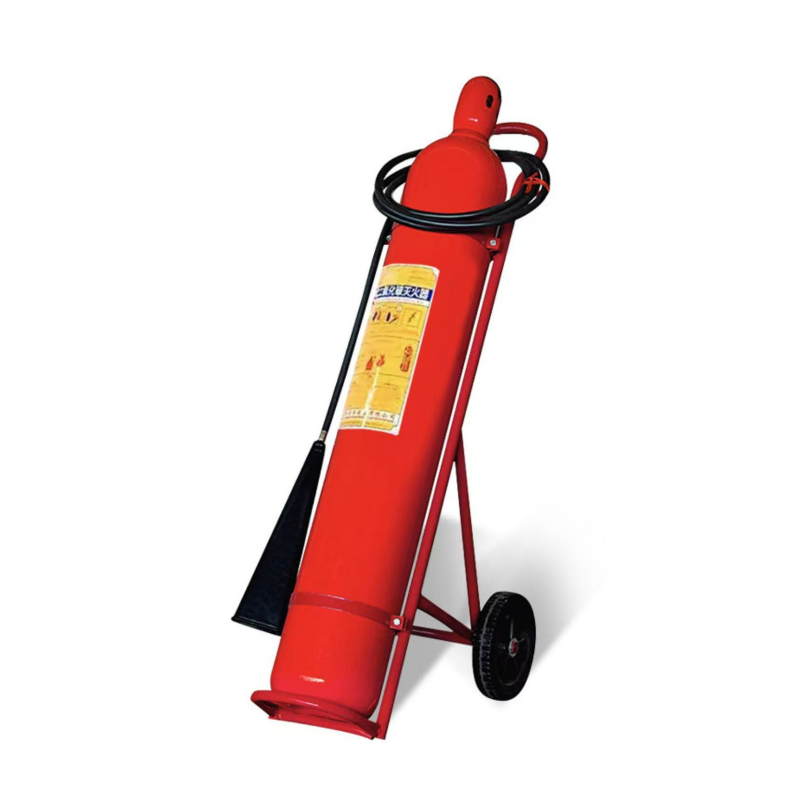
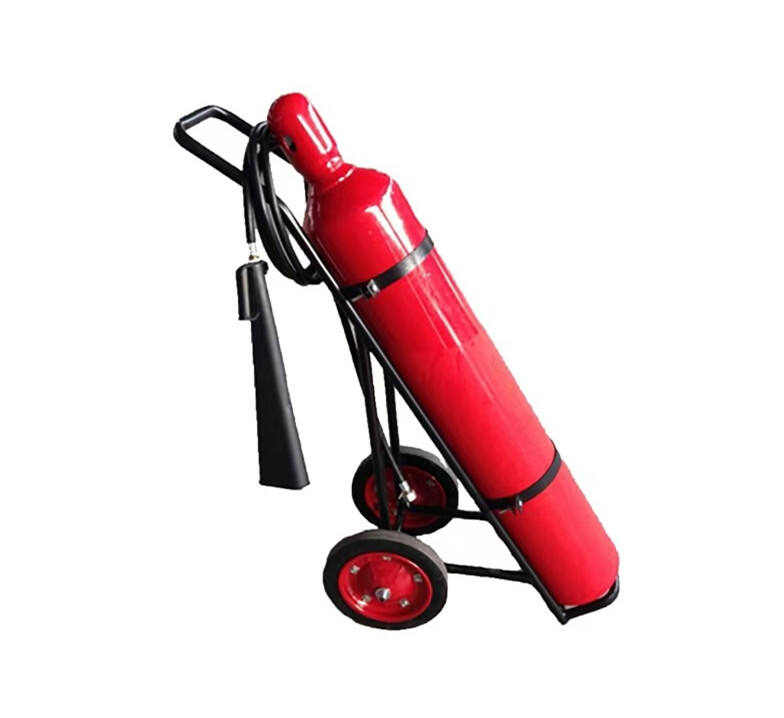
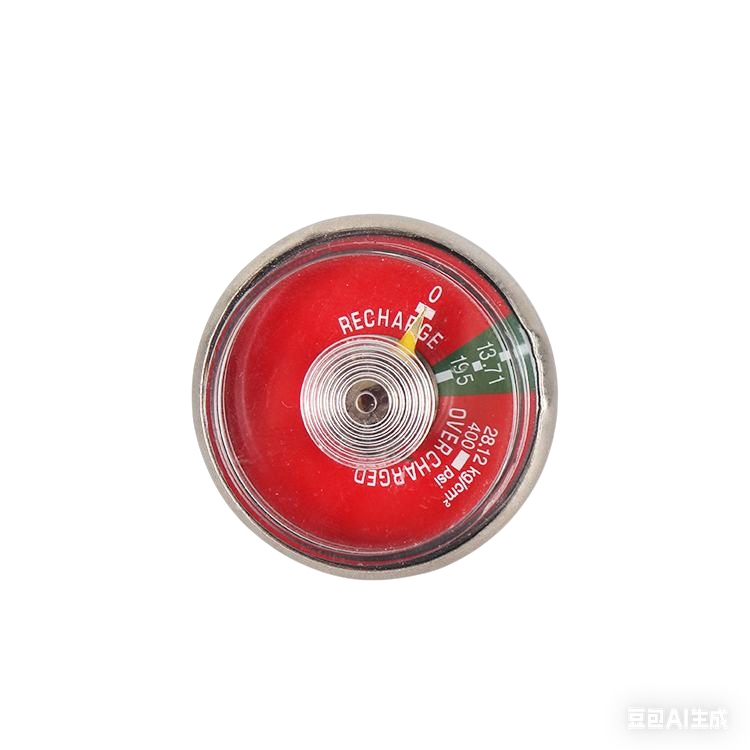
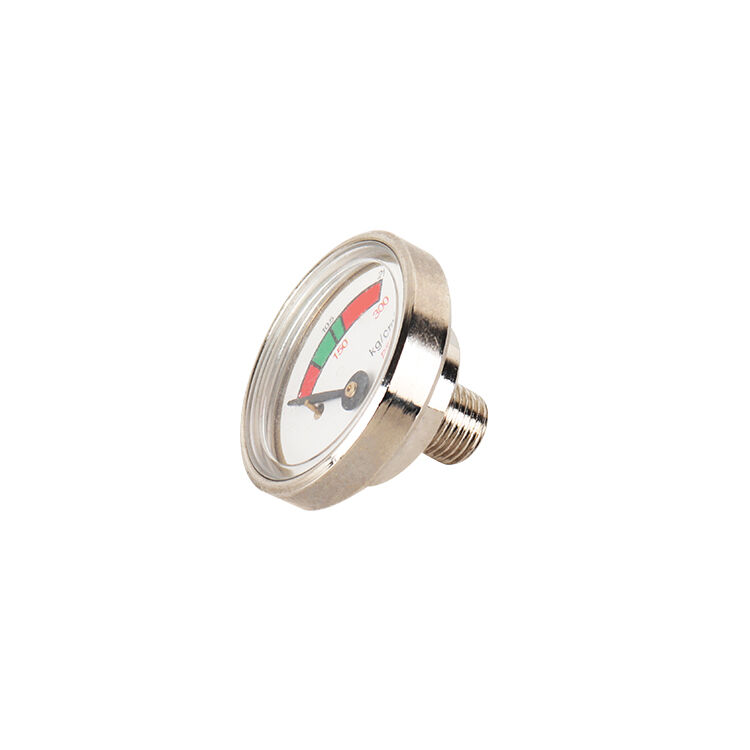
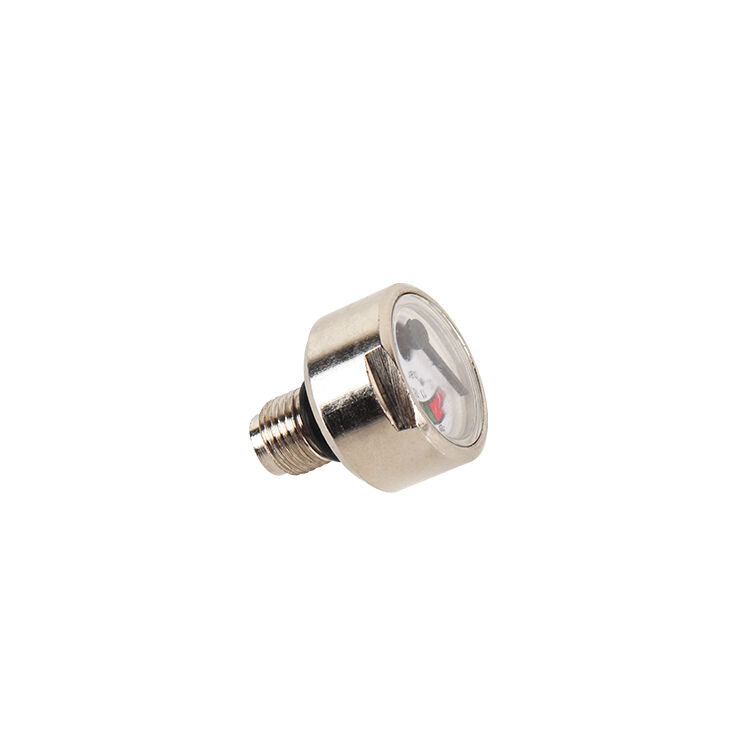
co2 extinguisher pressure gauge
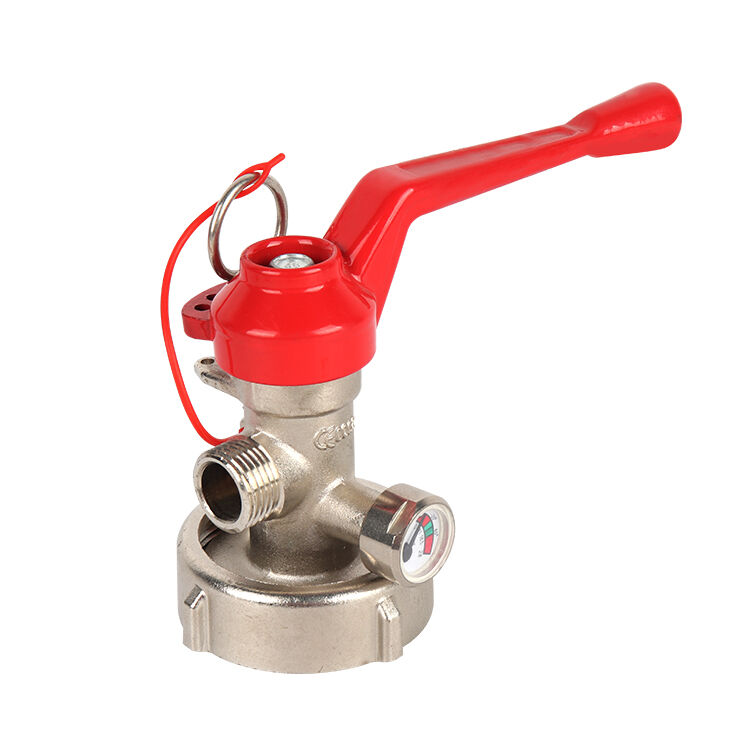
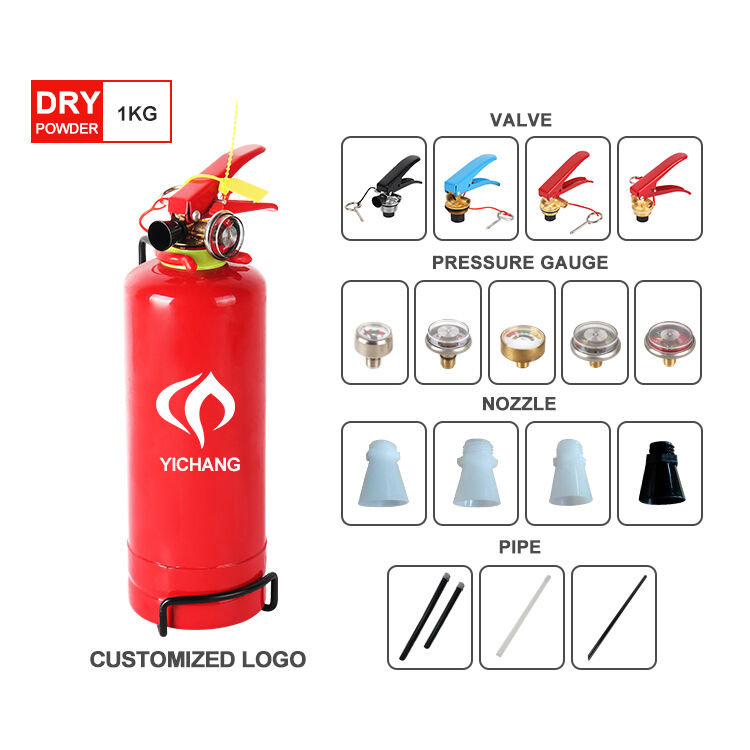
A co2 extinguisher pressure gauge represents an essential safety component that monitors the internal pressure levels within carbon dioxide fire suppression systems. This specialized measuring instrument provides real-time information about the operational readiness of co2 extinguishers, ensuring they maintain adequate pressure for effective fire suppression when emergencies arise. The co2 extinguisher pressure gauge operates through precision engineering that accurately measures the compressed carbon dioxide gas stored within the cylinder. The gauge face typically displays pressure readings in both PSI and bar measurements, allowing operators to quickly assess whether the extinguisher maintains sufficient pressure for proper operation. Modern co2 extinguisher pressure gauge designs incorporate durable materials such as stainless steel and reinforced glass to withstand harsh environmental conditions and potential impacts. The technological features of these gauges include corrosion-resistant construction, temperature compensation mechanisms, and easy-to-read dial faces with clear markings. Many units feature color-coded zones that instantly indicate whether pressure levels fall within acceptable operating parameters. The green zone represents optimal pressure, while red zones signal dangerously low or high pressure conditions requiring immediate attention. Advanced co2 extinguisher pressure gauge models may include digital displays, wireless monitoring capabilities, and integration with building management systems for centralized monitoring. Applications for co2 extinguisher pressure gauge systems span numerous industries including manufacturing facilities, data centers, marine vessels, automotive shops, and commercial kitchens. These environments rely on carbon dioxide suppression systems because co2 effectively extinguishes fires without leaving residue that could damage sensitive equipment or contaminate food preparation areas. Regular monitoring through accurate pressure gauges ensures compliance with fire safety regulations and maintains system reliability when protection becomes critical for life safety and property preservation.

 EN
EN