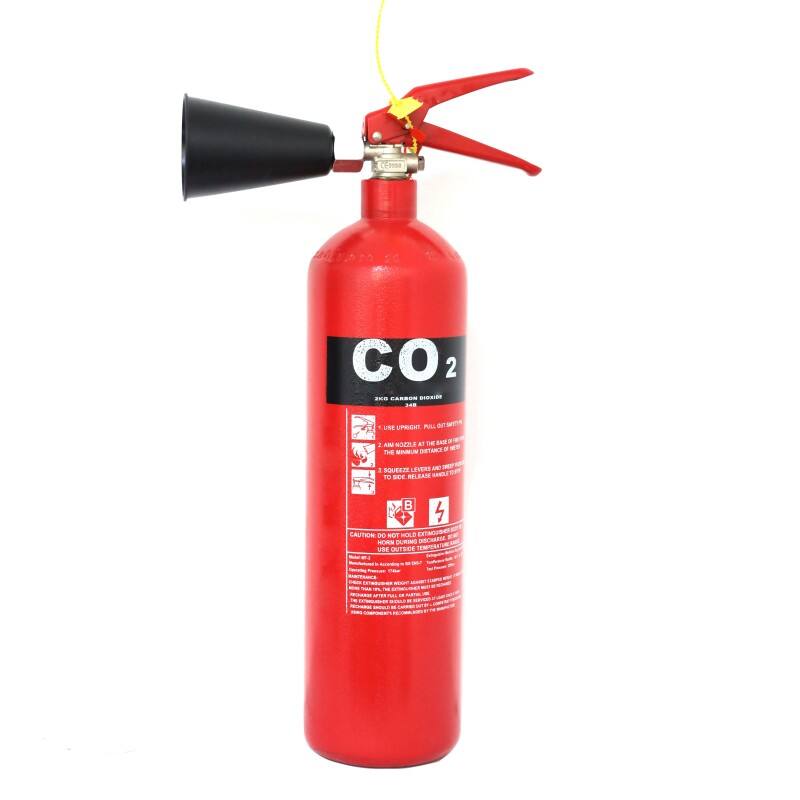
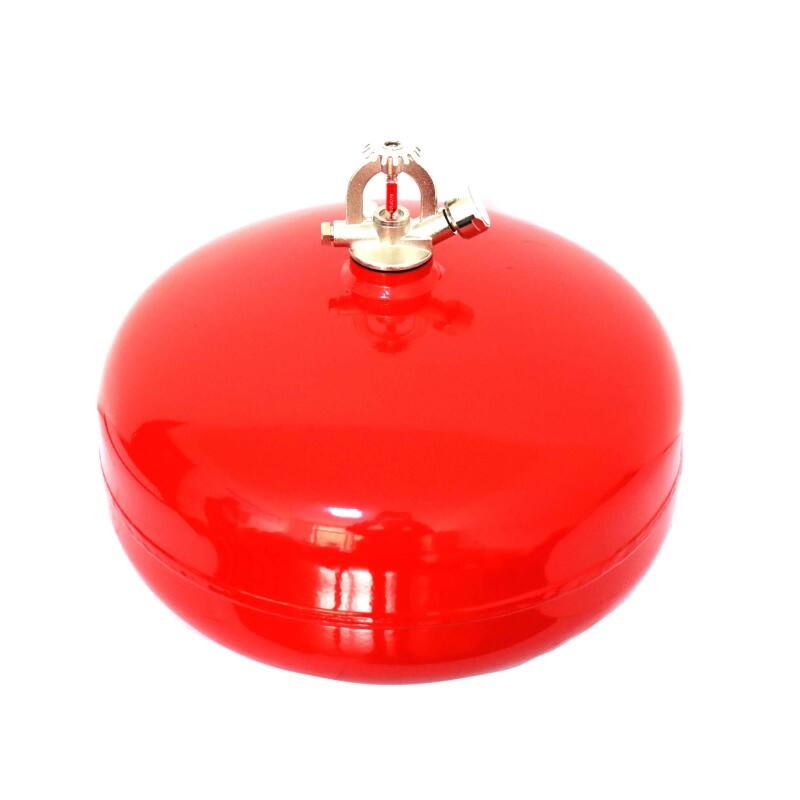
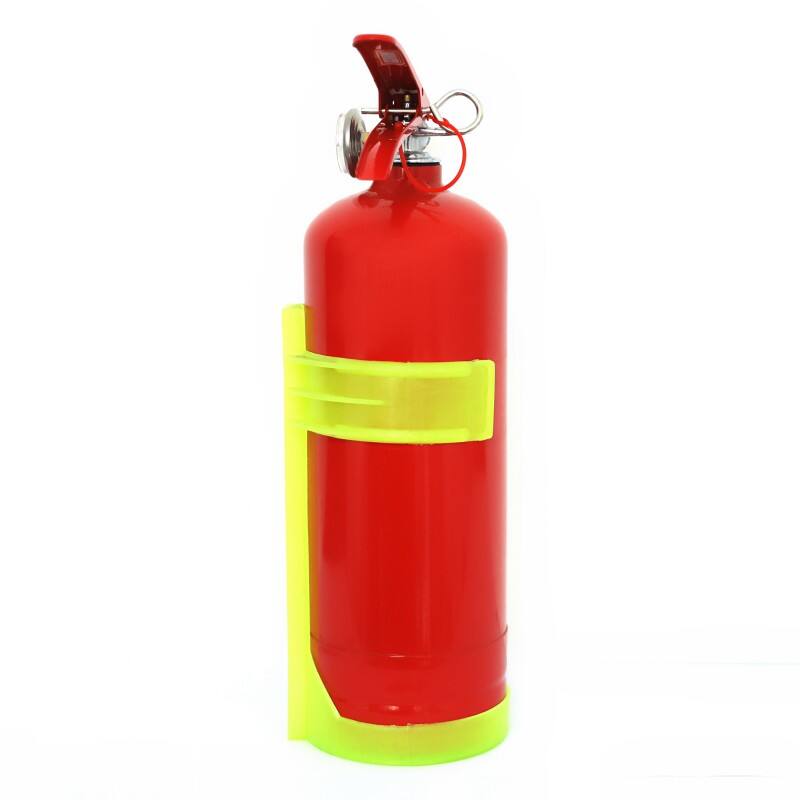
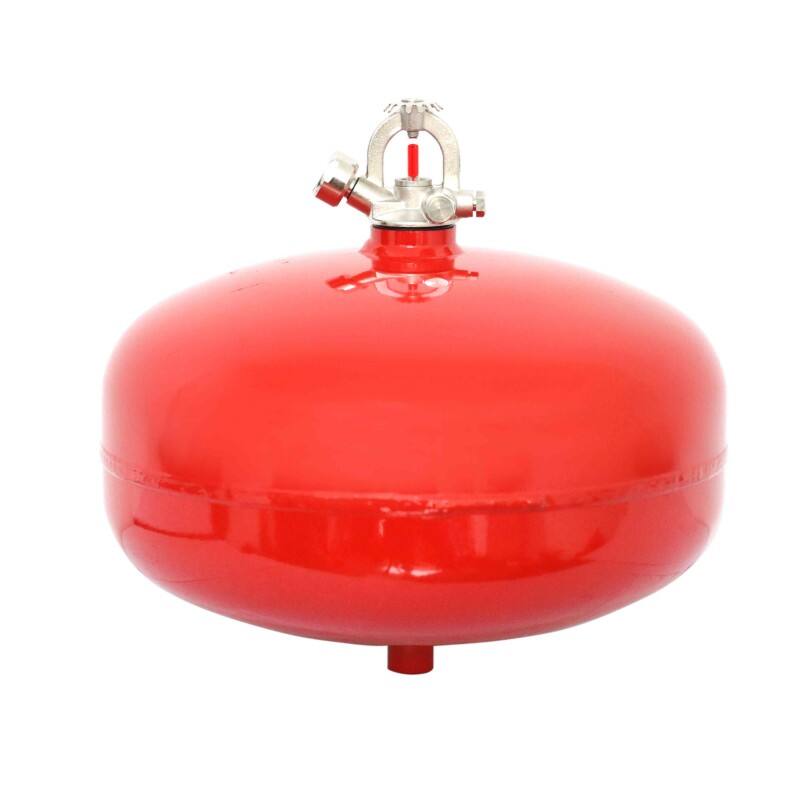
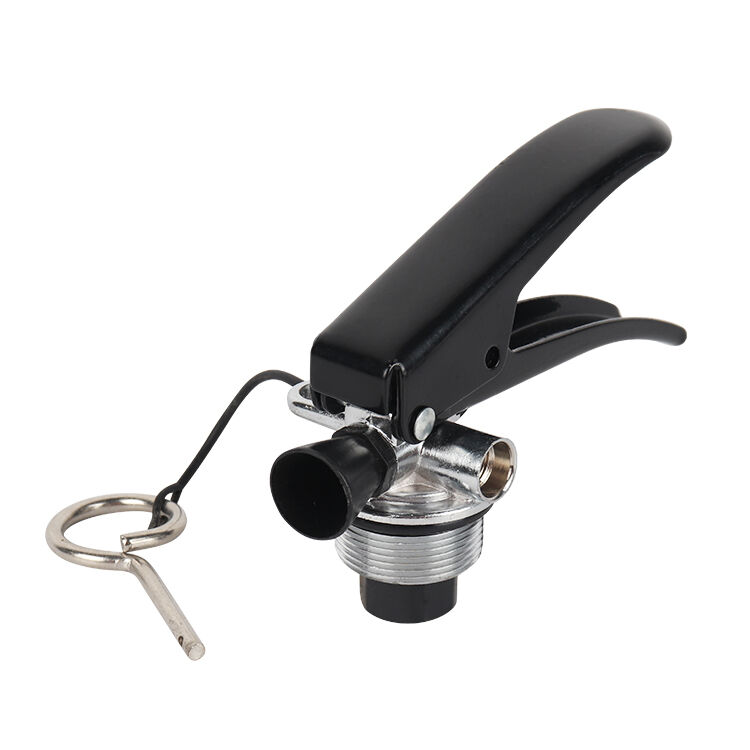
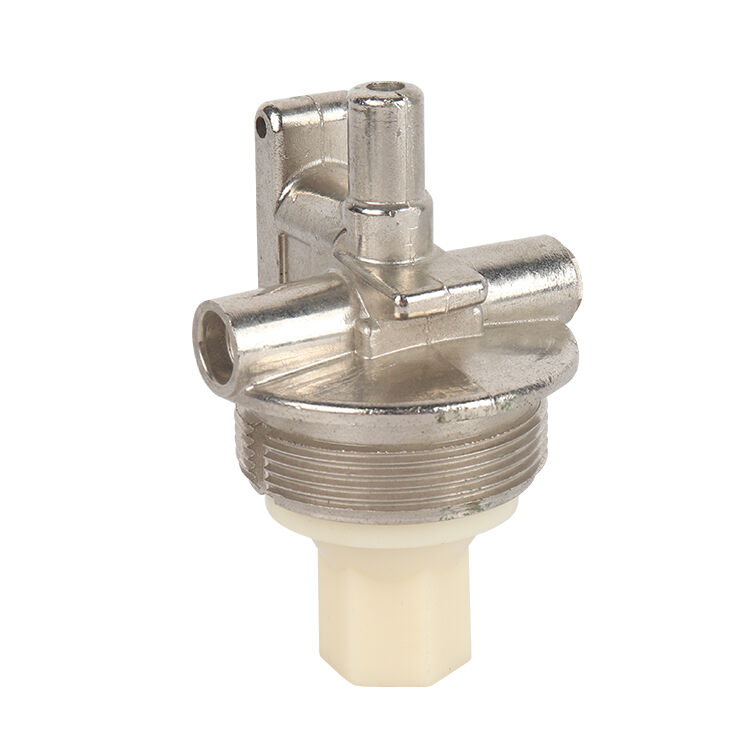
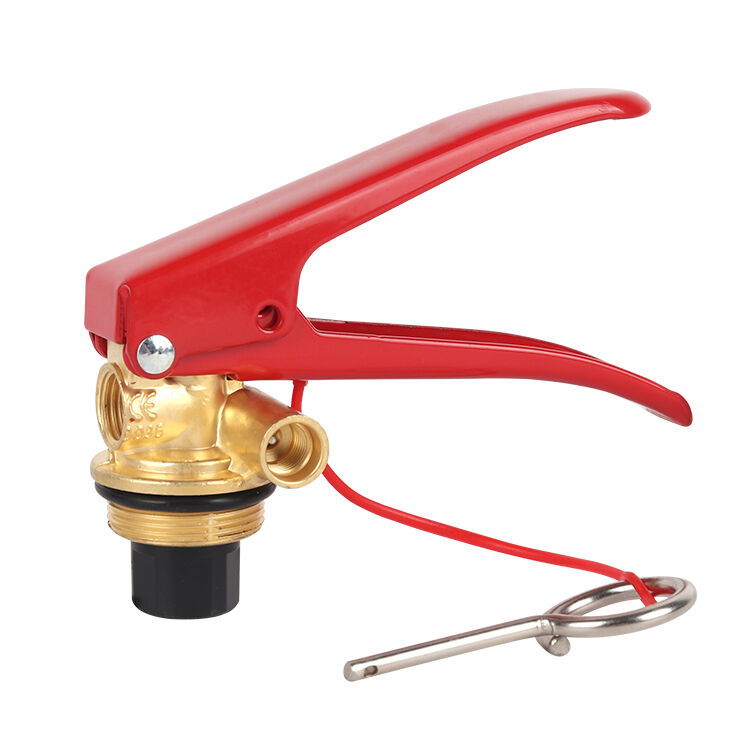
co2 fire extinguisher valve
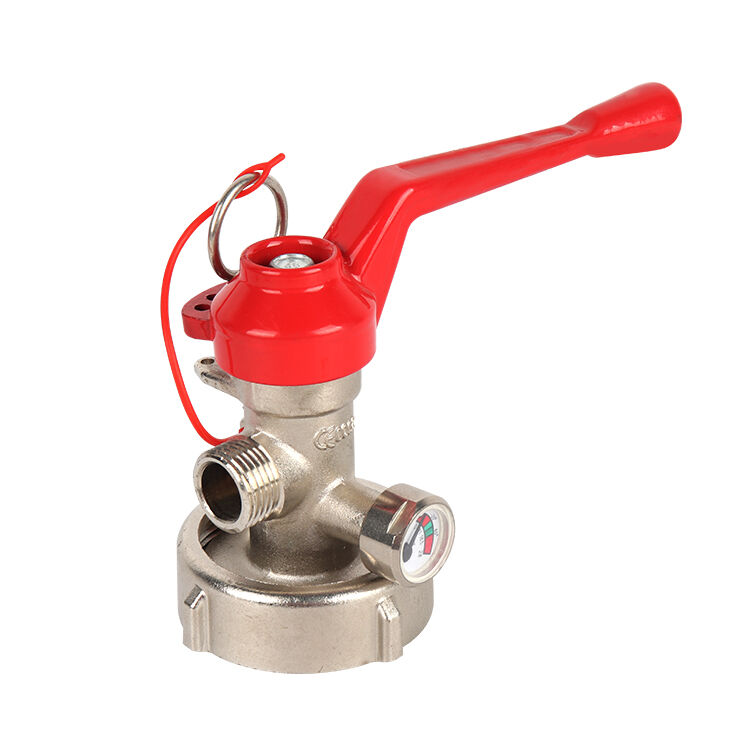
The co2 fire extinguisher valve represents a critical component in carbon dioxide fire suppression systems, serving as the primary control mechanism that regulates the release of pressurized CO2 agent during emergency situations. This sophisticated valve system operates under extreme pressure conditions, typically ranging from 850 to 900 PSI at room temperature, ensuring reliable performance when fire protection is most needed. The co2 fire extinguisher valve incorporates advanced engineering principles to handle the unique properties of carbon dioxide as a fire suppressant, including its ability to displace oxygen and create an inert atmosphere that effectively extinguishes fires without leaving residue. Modern co2 fire extinguisher valve designs feature precision-machined components manufactured from high-grade materials such as brass, stainless steel, and specialized alloys that resist corrosion and maintain structural integrity under pressure cycling. The valve mechanism includes multiple safety features, including pressure relief systems, tamper-evident seals, and fail-safe operations that prevent accidental discharge while ensuring immediate response during actual fire emergencies. Technological innovations in co2 fire extinguisher valve construction have led to improved sealing technologies, enhanced durability, and reduced maintenance requirements, making these systems increasingly attractive for commercial and industrial applications. The valve's internal design incorporates flow control elements that optimize the discharge rate of carbon dioxide, ensuring maximum effectiveness while conserving the extinguishing agent. Applications for co2 fire extinguisher valve systems span across diverse industries including data centers, marine vessels, manufacturing facilities, electrical installations, and storage areas containing flammable liquids. The versatility of the co2 fire extinguisher valve makes it particularly valuable in environments where traditional water-based suppression systems could cause additional damage to sensitive equipment or stored materials, providing clean and efficient fire protection solutions.

 EN
EN