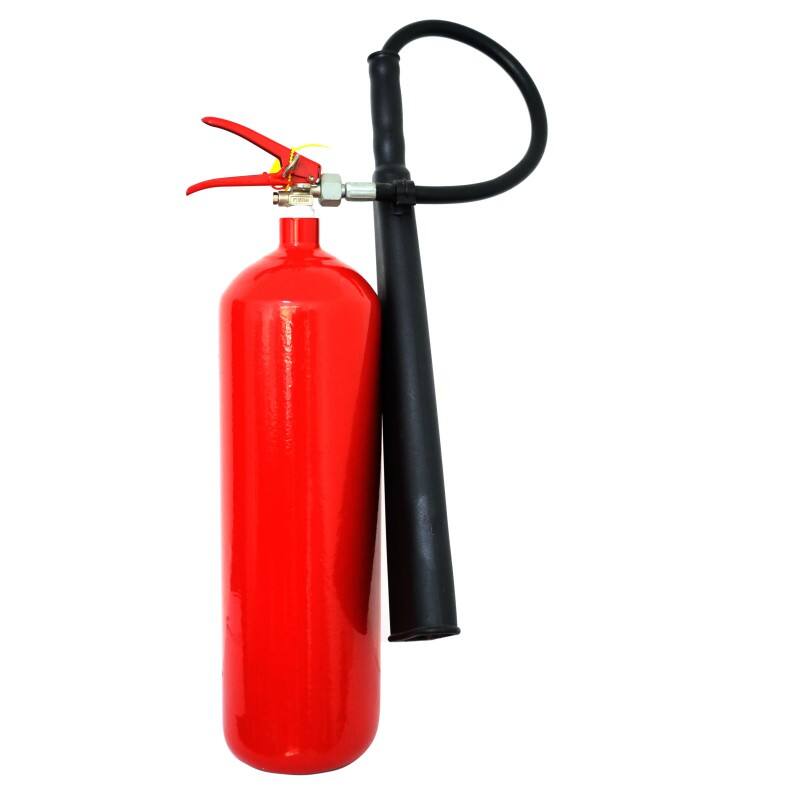
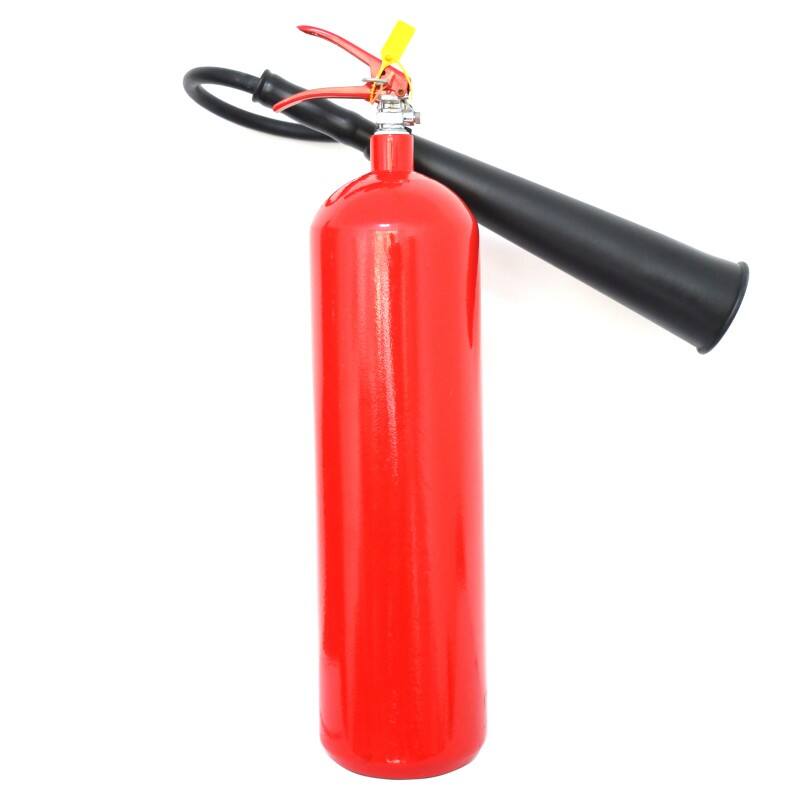
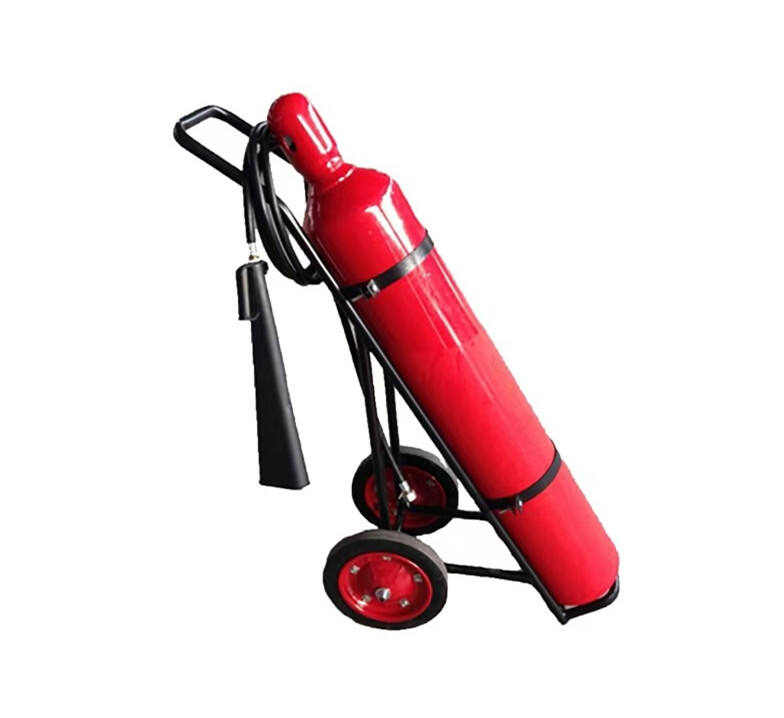
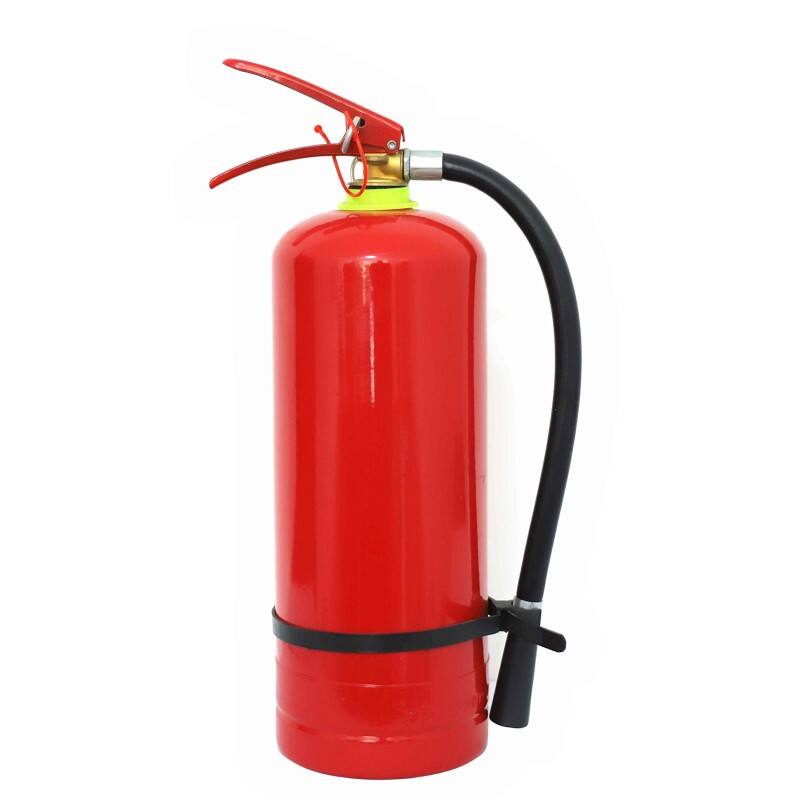
Dry Chemical Fire Suppression Systems - Advanced Fire Protection Solutions

Download Catalogue
All Categories

Get a Free Quote

Our representative will contact you soon.
Email
Name
Company Name
Mobile/WhatsApp
Message
0/1000

dry chemical fire suppression system

A dry chemical fire suppression system represents one of the most effective and versatile fire protection solutions available in modern safety technology. This sophisticated system utilizes specialized dry chemical agents to rapidly extinguish fires by interrupting the chemical chain reaction that sustains combustion. The dry chemical fire suppression system operates through a network of strategically positioned detection devices, control panels, and discharge nozzles that work together to identify and suppress fires within seconds of detection. The primary function of a dry chemical fire suppression system involves the automatic or manual release of dry chemical agents such as monoammonium phosphate, sodium bicarbonate, or potassium bicarbonate into the protected area. These agents create a barrier between the fuel source and oxygen while simultaneously breaking down the fire triangle through chemical interference. The technological features of this system include advanced detection sensors that can identify heat, smoke, or flame signatures with remarkable precision. Modern dry chemical fire suppression systems incorporate intelligent control panels that can differentiate between various types of fires and deploy the appropriate suppression strategy accordingly. The system's design allows for both total flooding applications, where the entire protected space receives coverage, and local application methods that target specific equipment or areas. Applications for dry chemical fire suppression systems span across numerous industries and environments. These systems excel in protecting electrical equipment rooms, engine compartments, paint booths, industrial machinery, commercial kitchens, and storage facilities containing flammable liquids. The versatility of the dry chemical fire suppression system makes it particularly valuable for Class A, B, and C fire scenarios, providing comprehensive protection against ordinary combustibles, flammable liquids, and electrical fires. Manufacturing facilities, aerospace hangars, marine vessels, and data centers frequently rely on dry chemical fire suppression systems due to their rapid response capabilities and minimal cleanup requirements compared to water-based alternatives.

New Product Recommendations

The dry chemical fire suppression system offers numerous compelling advantages that make it an outstanding choice for fire protection needs across various applications. First and foremost, these systems provide exceptionally fast fire suppression capabilities, often extinguishing fires within seconds of activation. This rapid response time significantly reduces property damage, minimizes business interruption, and most importantly, protects human lives. The speed advantage stems from the dry chemical agents' ability to quickly interrupt the combustion process rather than relying on cooling effects alone. Another major advantage of the dry chemical fire suppression system is its versatility in handling multiple fire classes. Unlike water-based systems that can be ineffective or even dangerous on electrical or flammable liquid fires, dry chemical systems effectively suppress Class A fires involving ordinary materials, Class B fires involving flammable liquids, and Class C fires involving energized electrical equipment. This multi-class capability eliminates the need for multiple suppression systems, reducing installation costs and maintenance complexity. The dry chemical fire suppression system also provides excellent value through its minimal cleanup requirements after discharge. While water-based systems can cause extensive secondary damage through flooding and require substantial cleanup efforts, dry chemical agents typically leave behind only a fine powder residue that can be easily vacuumed or swept away. This characteristic proves especially beneficial in environments containing sensitive equipment, electronics, or valuable inventory where water damage could exceed fire damage costs. Installation flexibility represents another significant advantage, as dry chemical fire suppression systems can be customized to fit virtually any space configuration. The systems work effectively in both enclosed and semi-enclosed areas, adapting to unique architectural challenges and specific protection requirements. The agents remain stable under various environmental conditions, maintaining their effectiveness across wide temperature ranges and humidity levels. Cost-effectiveness makes the dry chemical fire suppression system attractive to budget-conscious organizations. These systems typically require lower initial investment compared to some alternatives while providing reliable long-term protection. Maintenance requirements remain relatively straightforward, involving periodic inspections and agent replacement according to established schedules. The systems also offer excellent compatibility with existing building infrastructure, often requiring minimal modifications during installation. Environmental considerations favor dry chemical systems as well, since many modern agents pose minimal environmental impact compared to historical alternatives, and the systems don't require large water supplies or create runoff concerns.

Latest News

The Ultimate Guide to Choosing the Right Fire Extinguisher for Your Home

02

Dec

The Ultimate Guide to Choosing the Right Fire Extinguisher for Your Home

Home fire safety is a critical concern that every homeowner must address proactively. A fire extinguisher serves as your first line of defense against small fires before they escalate into catastrophic events. Understanding the different types of fir...
View More
Fire Extinguisher Valve: How It Works and Why It's Crucial

10

Dec

Fire Extinguisher Valve: How It Works and Why It's Crucial

Fire extinguisher systems represent one of the most critical safety components in any building or industrial facility. At the heart of every fire extinguisher lies a sophisticated valve mechanism that controls the flow of suppressant materials during...
View More
Dry Powder Fire Extinguisher: A Complete Guide to Uses and Limitations

16

Dec

Dry Powder Fire Extinguisher: A Complete Guide to Uses and Limitations

Fire safety remains a critical concern across industrial, commercial, and residential environments worldwide. Among the various firefighting solutions available today, the dry powder extinguisher stands out as one of the most versatile and widely dep...
View More
How to Read a Fire Extinguisher Pressure Gauge (With Pictures)

22

Dec

How to Read a Fire Extinguisher Pressure Gauge (With Pictures)

Understanding how to properly read a fire extinguisher pressure gauge is essential for maintaining fire safety equipment and ensuring optimal performance during emergencies. A pressure gauge serves as the primary indicator of whether your fire exting...
View More

Get a Free Quote

Our representative will contact you soon.
Email
Name
Company Name
Mobile/WhatsApp
Message
0/1000

dry chemical fire suppression system

Lightning-Fast Fire Suppression Response

Lightning-Fast Fire Suppression Response

The rapid response capability of a dry chemical fire suppression system stands as its most critical advantage, delivering fire suppression within seconds of detection to minimize damage and protect lives. This exceptional speed results from the sophisticated detection network that continuously monitors protected areas through multiple sensor types, including heat detectors, smoke sensors, and flame detection devices. When a fire event occurs, the system's advanced control panel immediately processes the alarm signals and initiates the suppression sequence without human intervention, ensuring no delays that could allow fires to spread. The dry chemical agents themselves contribute significantly to this rapid suppression capability through their unique extinguishing mechanism. Rather than relying solely on cooling effects like water-based systems, dry chemical agents work by interrupting the chemical chain reaction that sustains combustion at the molecular level. This interference occurs almost instantaneously upon contact with the fire, breaking the combustion cycle and preventing re-ignition. The agents create a protective barrier that separates fuel sources from oxygen while simultaneously neutralizing free radicals that propagate the burning process. Modern dry chemical fire suppression systems incorporate pre-engineered discharge patterns that ensure optimal agent distribution throughout the protected space within the critical first moments of a fire event. The system calculates the precise amount of agent needed based on the protected area's volume and fire risk characteristics, delivering exactly the right concentration to achieve complete suppression. This precision prevents both under-protection that could allow fire spread and over-application that wastes resources. The rapid deployment also proves crucial in preventing flashover conditions, where fires reach temperatures that ignite all combustible materials in an enclosed space simultaneously. By suppressing fires before they reach critical intensity levels, the dry chemical fire suppression system prevents catastrophic property loss and creates safer evacuation conditions for building occupants. The system's speed advantage becomes even more pronounced in high-risk environments such as industrial facilities, where flammable materials and processes create conditions where fires can escalate rapidly. In these scenarios, every second counts, and the dry chemical fire suppression system's ability to respond within seconds rather than minutes can mean the difference between minor incident and major disaster.
Multi-Class Fire Protection Versatility

Multi-Class Fire Protection Versatility

The exceptional versatility of a dry chemical fire suppression system in handling multiple fire classifications represents a significant advantage that sets it apart from specialized suppression methods. This comprehensive protection capability stems from the carefully engineered chemical properties of dry chemical agents, which can effectively combat Class A fires involving ordinary combustible materials like wood, paper, and textiles, Class B fires involving flammable liquids such as gasoline, oil, and solvents, and Class C fires involving energized electrical equipment and wiring. This multi-class effectiveness eliminates the complexity and expense of installing separate suppression systems for different fire risks within a single facility. The chemical composition of modern dry chemical agents enables this broad-spectrum effectiveness through multiple suppression mechanisms working simultaneously. For Class A fires, the agents form a cohesive coating over burning materials that excludes oxygen and provides cooling effects as the agent decomposes under heat. For Class B fires, the agents create a blanket effect over liquid surfaces, preventing vapor formation and eliminating the fuel source for continued combustion. For Class C fires, the agents provide suppression without conducting electricity, ensuring safe application on energized equipment while maintaining their extinguishing effectiveness. This versatility proves particularly valuable in mixed-use facilities where different fire risks exist in close proximity. Manufacturing plants, for example, might contain ordinary combustible storage areas adjacent to electrical control rooms and flammable liquid processing areas. A dry chemical fire suppression system can protect all these different zones effectively, reducing installation complexity and maintenance requirements compared to multiple specialized systems. The system's adaptability extends to various application methods, including total flooding systems that protect entire rooms or areas, and local application systems that focus protection on specific pieces of equipment or processes. The dry chemical fire suppression system also demonstrates remarkable effectiveness across different fire intensities and spread patterns. Whether dealing with incipient fires that are just beginning or more developed fires that have gained intensity, the chemical agents maintain their suppression capabilities. This reliability across fire development stages provides consistent protection regardless of detection timing or fire growth patterns. The agents remain effective even in challenging environmental conditions, including high temperatures, humidity variations, and air movement that might compromise other suppression methods. This environmental stability ensures reliable performance across different seasons and operating conditions, making the dry chemical fire suppression system suitable for both indoor and certain outdoor applications where weather variations could affect system performance.
Minimal Cleanup and Secondary Damage Prevention

Minimal Cleanup and Secondary Damage Prevention

The minimal cleanup requirements and secondary damage prevention capabilities of a dry chemical fire suppression system provide substantial economic and operational benefits that often exceed the value of the primary fire suppression function. Unlike water-based suppression systems that can cause extensive flooding, structural damage, and equipment destruction through water infiltration, dry chemical agents leave behind only a fine powder residue that can be easily removed through standard cleaning procedures. This characteristic proves especially critical in facilities housing sensitive electronics, valuable inventory, important documents, or precision machinery where water damage could result in losses far exceeding the original fire damage. The cleanup process following dry chemical fire suppression system activation typically involves simple vacuuming or sweeping procedures that can be completed quickly without requiring specialized equipment or extensive downtime. Most dry chemical agents are non-corrosive and non-conductive, meaning they won't damage electrical components, metal surfaces, or delicate instruments during the suppression process or cleanup phase. This gentle approach allows facilities to resume operations much more rapidly than would be possible after water-based suppression activation, minimizing business interruption costs and revenue losses. The economic impact of reduced secondary damage extends beyond immediate cleanup costs to include avoided replacement expenses for equipment and inventory that would otherwise suffer water damage. In data centers, for example, a dry chemical fire suppression system can suppress fires without destroying servers, networking equipment, or stored data, while water-based systems could result in complete facility losses requiring extensive replacement and data recovery efforts. Similarly, in museum environments or archive facilities, the dry chemical approach preserves irreplaceable artifacts and documents that could be permanently destroyed by water exposure. Manufacturing environments benefit significantly from the minimal cleanup characteristics, as production equipment often contains precision components that could be severely damaged by water infiltration but remain unaffected by dry chemical agents. The system's gentle suppression approach means that production lines can often resume operations within hours rather than weeks following a fire incident. Additionally, the dry chemical fire suppression system prevents the mold and mildew problems that frequently develop in the aftermath of water-based suppression, eliminating ongoing remediation costs and health concerns. The agents also don't create the electrical hazards associated with standing water, allowing maintenance personnel to safely enter and assess affected areas immediately after suppression activation. This immediate access capability proves crucial for implementing emergency repairs and preventing additional equipment damage that might occur during extended shutdown periods.

Get a Free Quote

Our representative will contact you soon.
Email
Name
Company Name
Mobile/WhatsApp
Message
0/1000
email goToTop