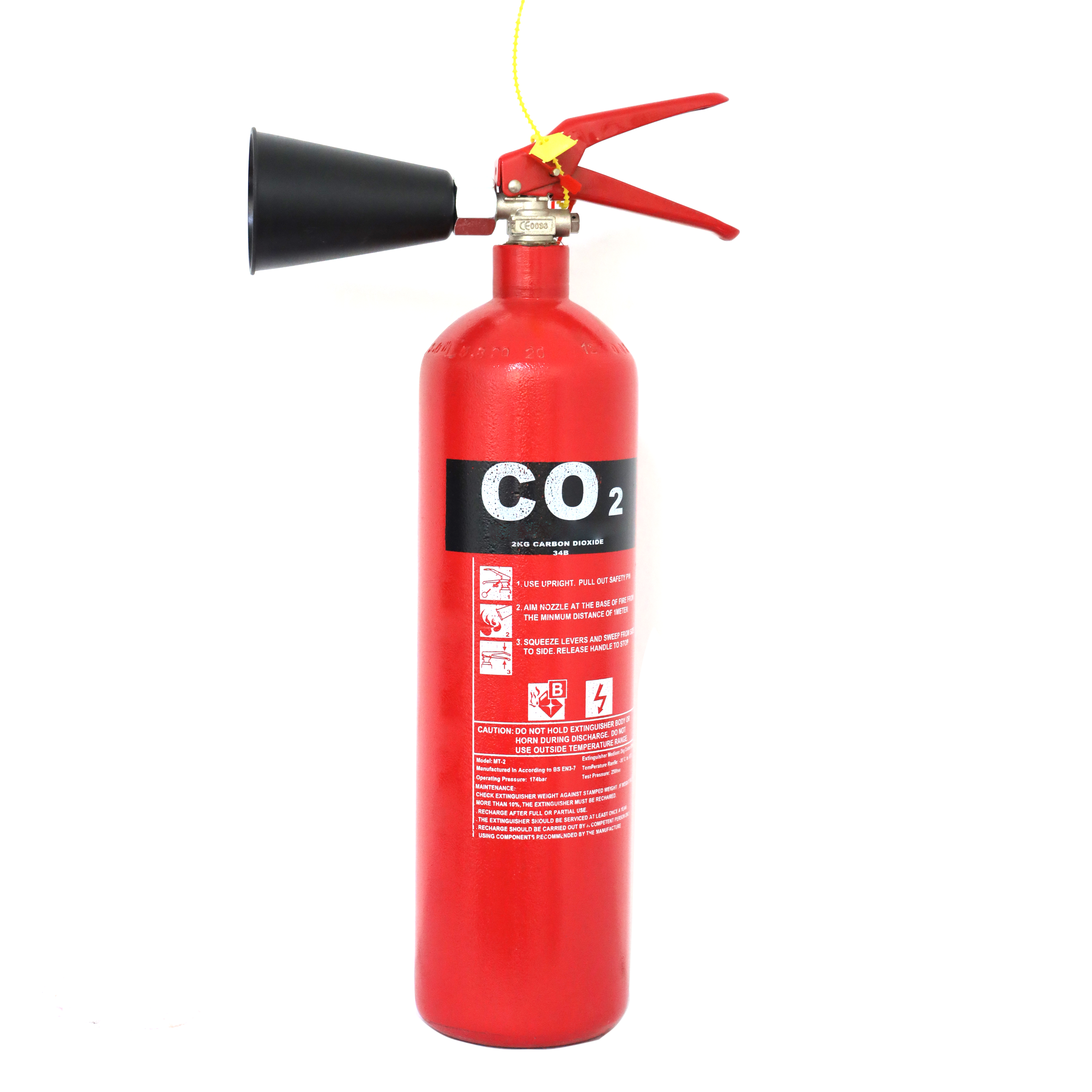
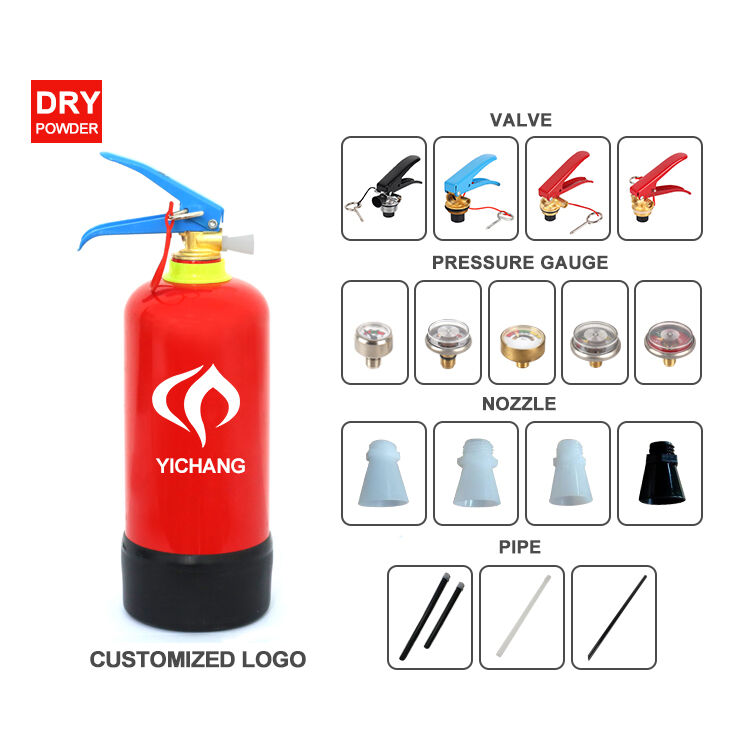
Multi-Class Fire Suppression Technology
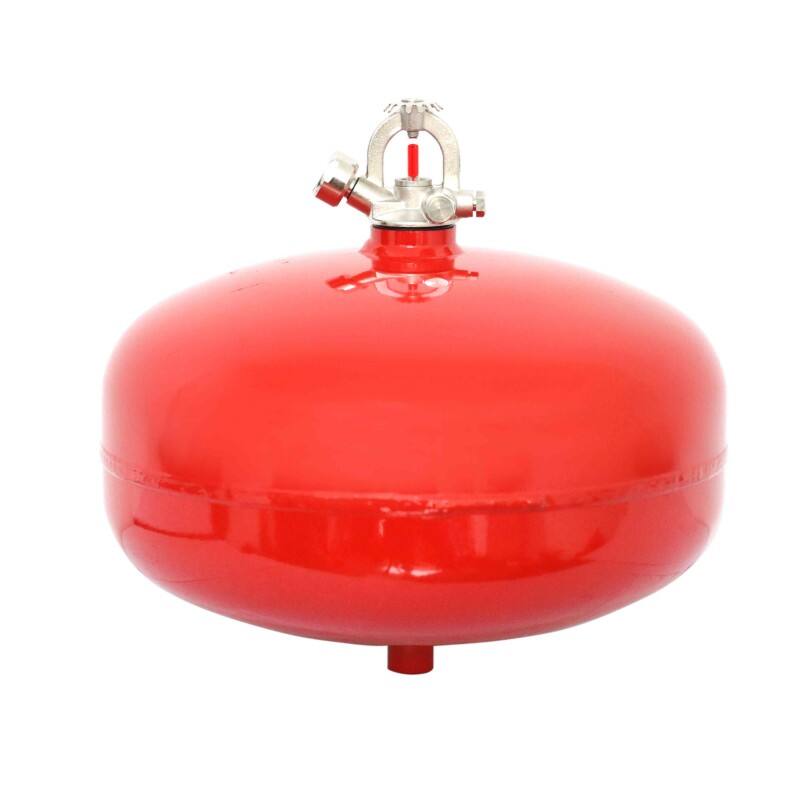
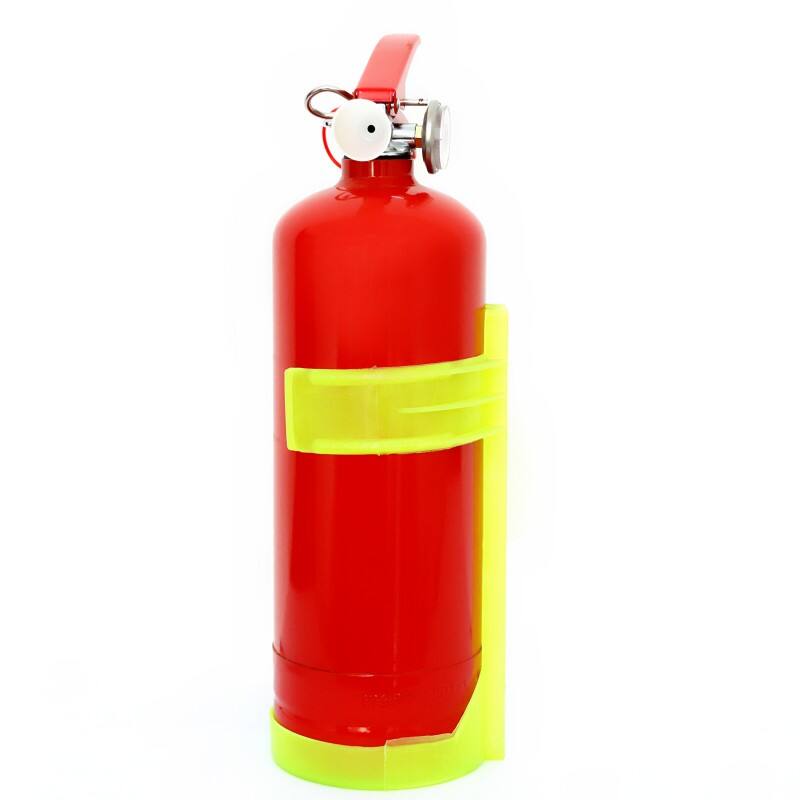
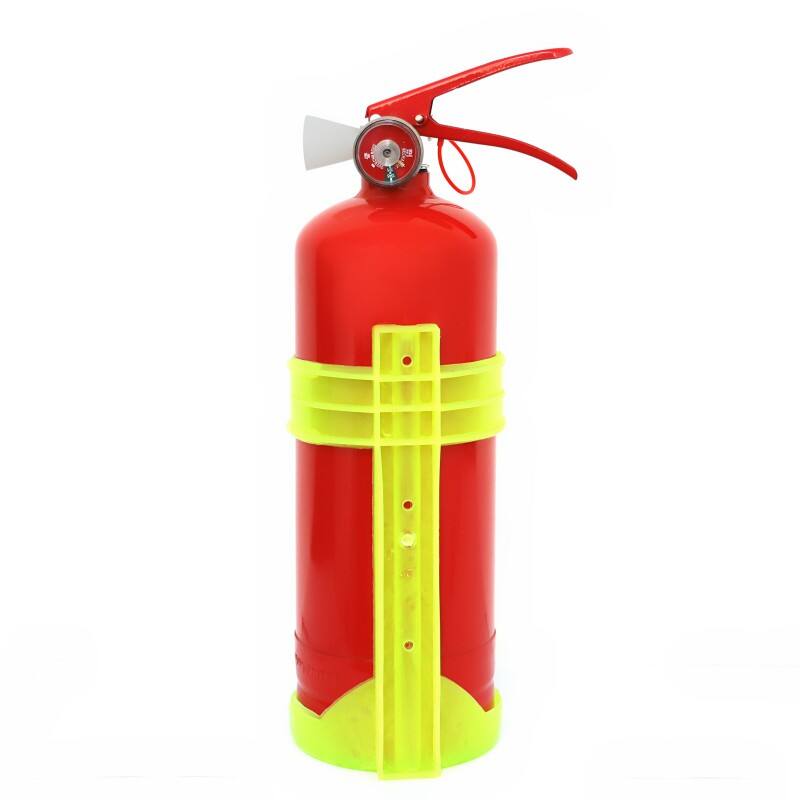
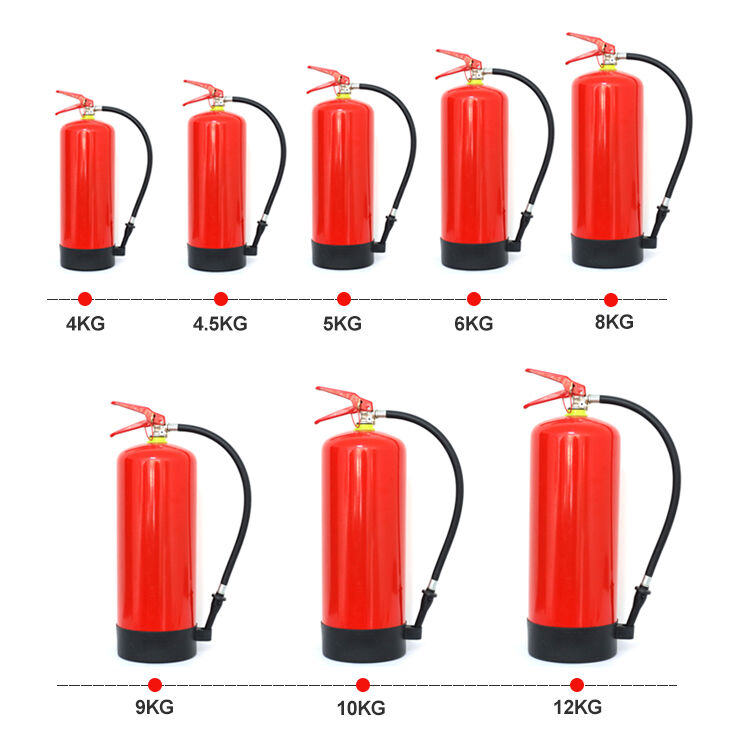
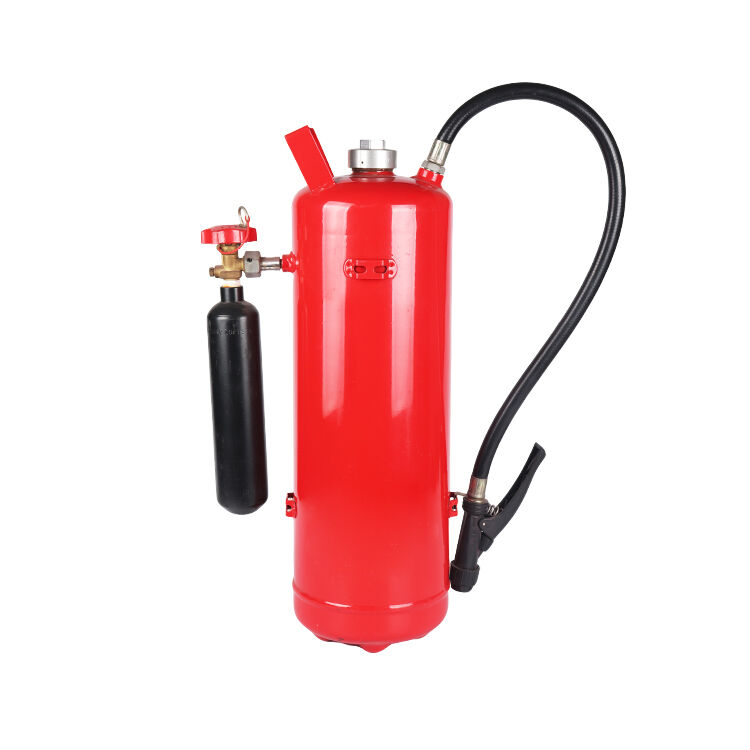
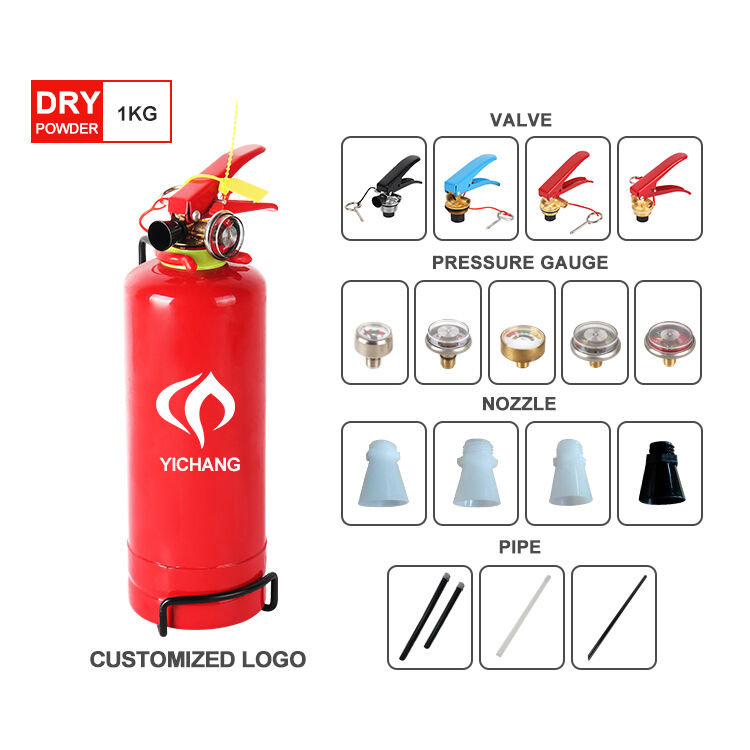
The dry fire extinguisher stands out in the fire safety industry due to its exceptional multi-class suppression capabilities that address diverse fire scenarios with remarkable effectiveness. This advanced technology enables a single unit to combat Class A fires involving ordinary combustible materials like wood, paper, and fabric, Class B fires from flammable liquids such as gasoline and oil, and Class C fires involving energized electrical equipment. The sophisticated chemical formulation creates a comprehensive firefighting solution that eliminates the guesswork often associated with selecting appropriate suppression methods during emergency situations. The dry chemical agents work through multiple suppression mechanisms simultaneously, including heat absorption, oxygen displacement, and chemical chain reaction interruption. This multi-pronged approach ensures thorough fire suppression regardless of the fire's composition or stage of development. Property owners benefit significantly from this versatility, as they can maintain fewer extinguisher types while ensuring comprehensive protection across their facilities. The dry fire extinguisher technology proves particularly valuable in mixed-use environments where different fire risks exist in close proximity. Manufacturing facilities, for example, may have ordinary combustibles in storage areas, flammable liquids in processing zones, and electrical equipment throughout the facility. Rather than strategically placing multiple specialized extinguishers, facility managers can deploy dry fire extinguisher units that provide universal protection. This approach simplifies maintenance schedules, reduces training complexity, and ensures consistent response protocols across different areas. The chemical composition remains effective across varying temperatures and humidity levels, maintaining performance reliability in diverse environmental conditions. Emergency response teams appreciate the predictable behavior of dry fire extinguisher systems, as they can rely on consistent suppression patterns regardless of the specific fire type encountered. The broad-spectrum effectiveness also reduces response time during emergencies, as personnel do not need to assess fire classification before selecting appropriate suppression equipment.

 EN
EN