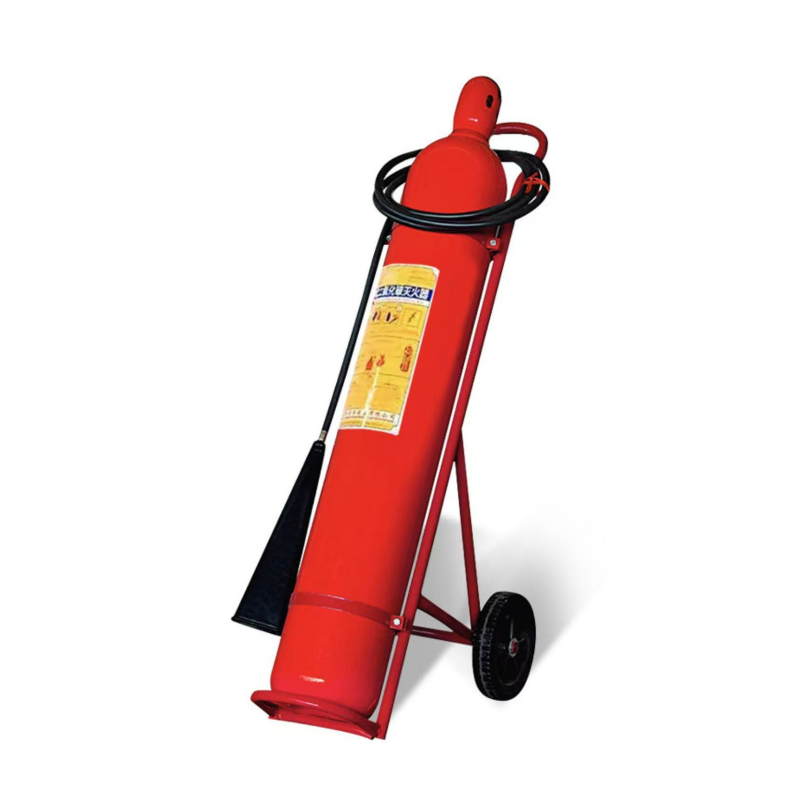
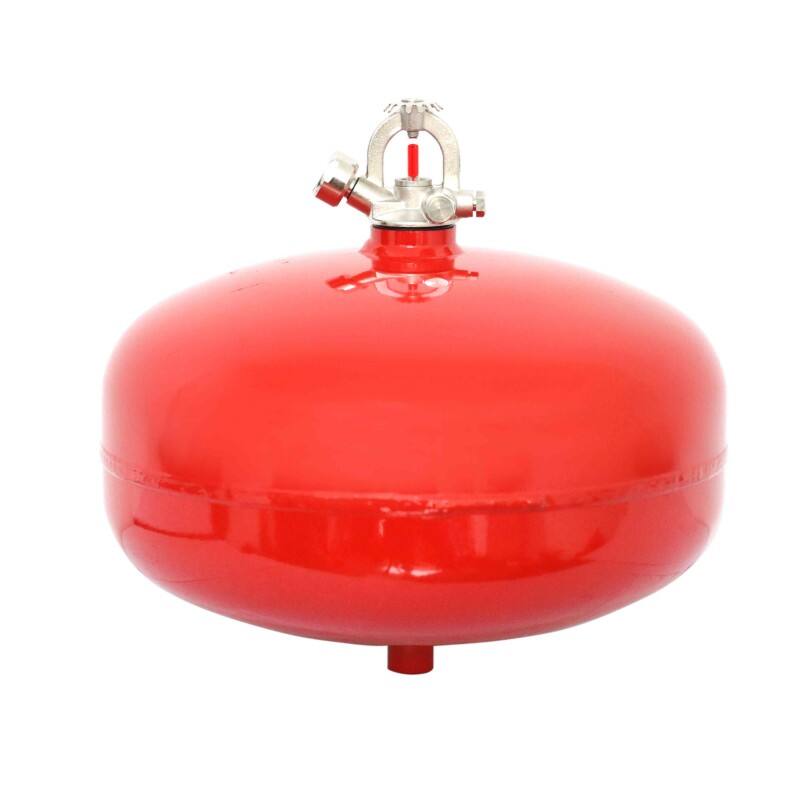
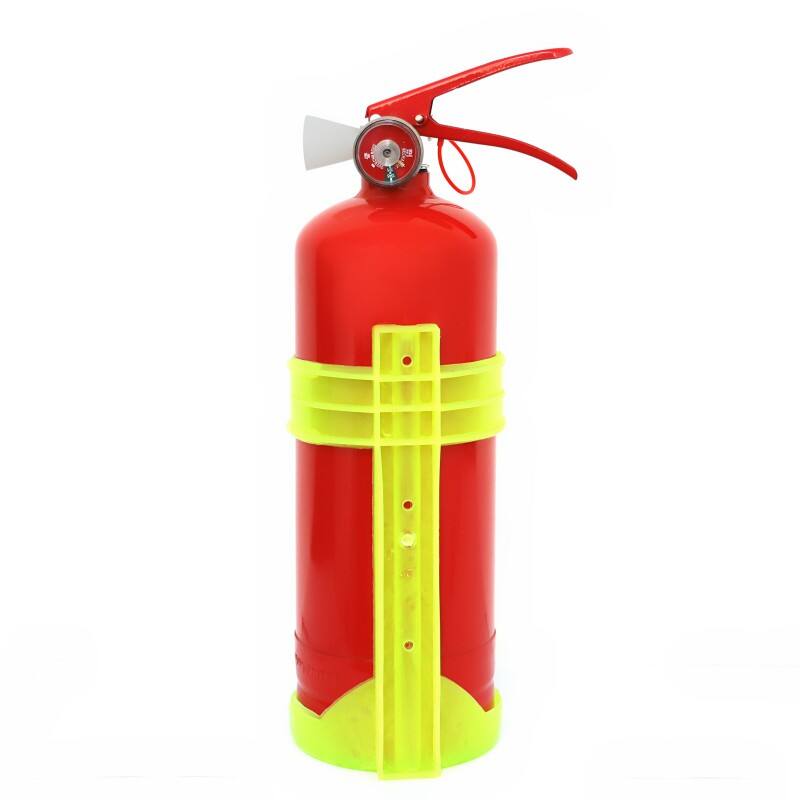
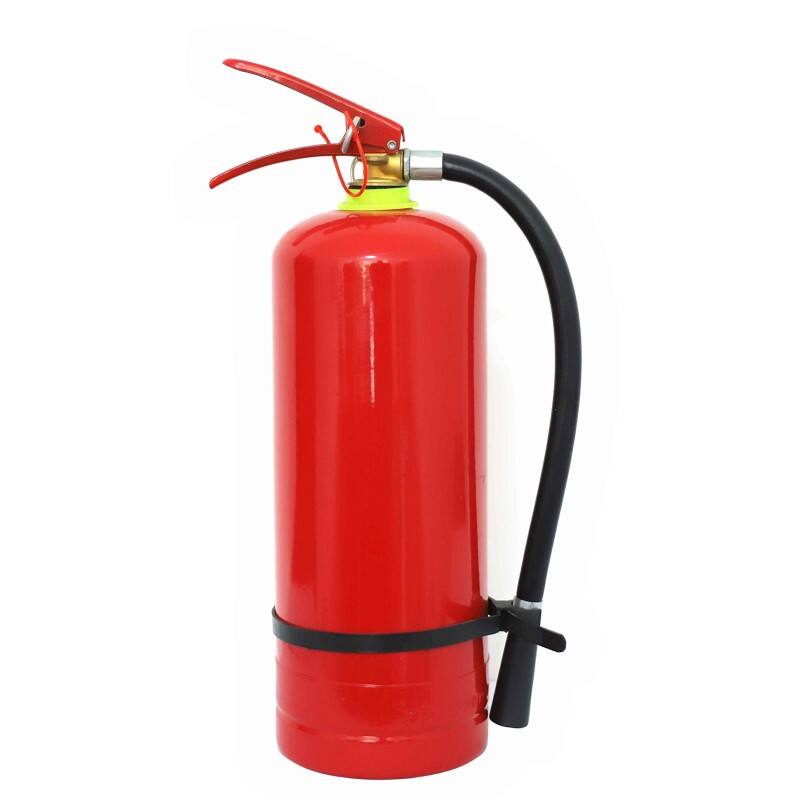
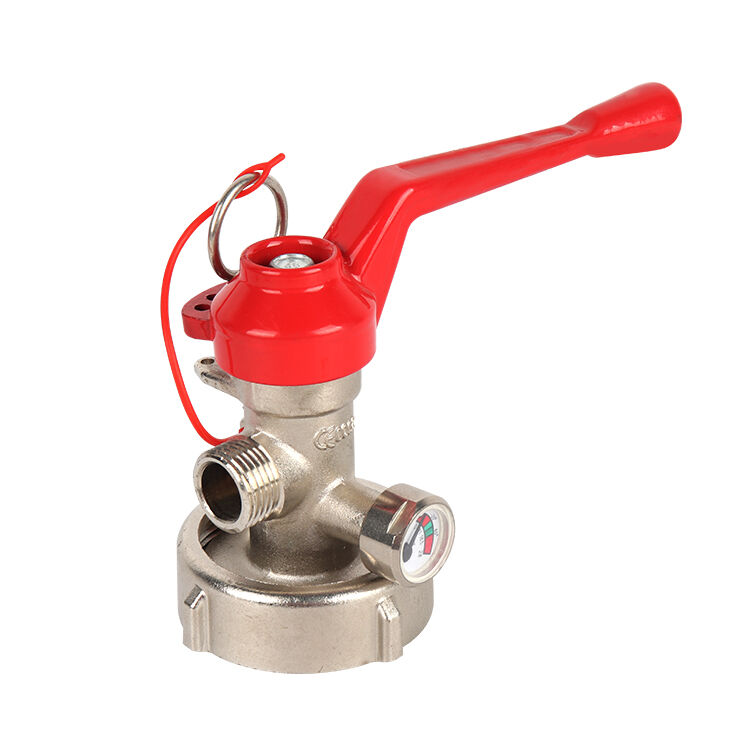
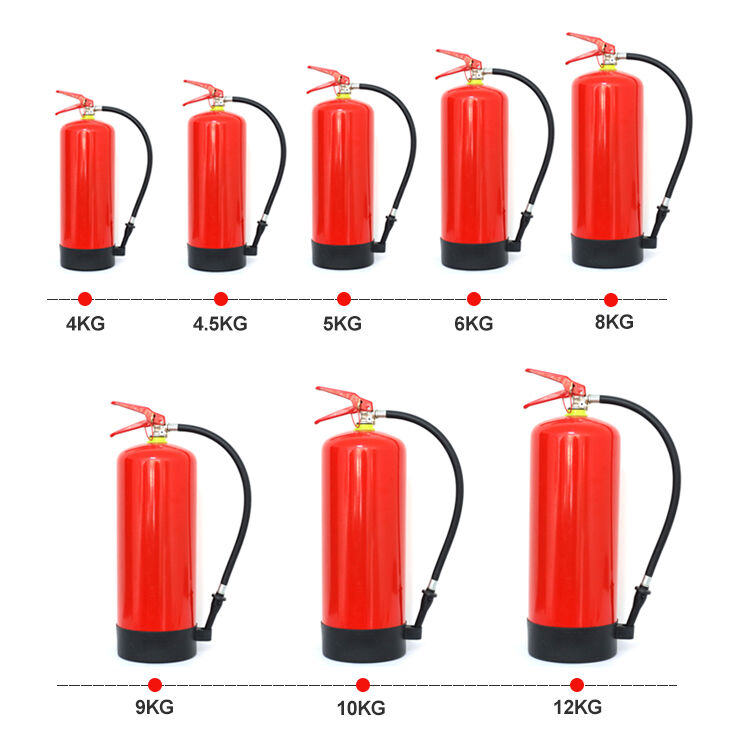
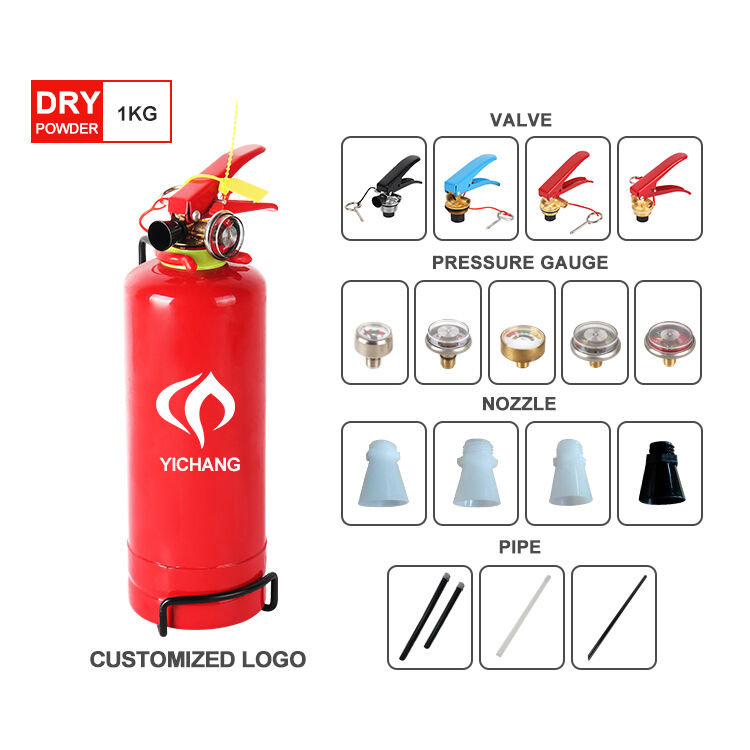
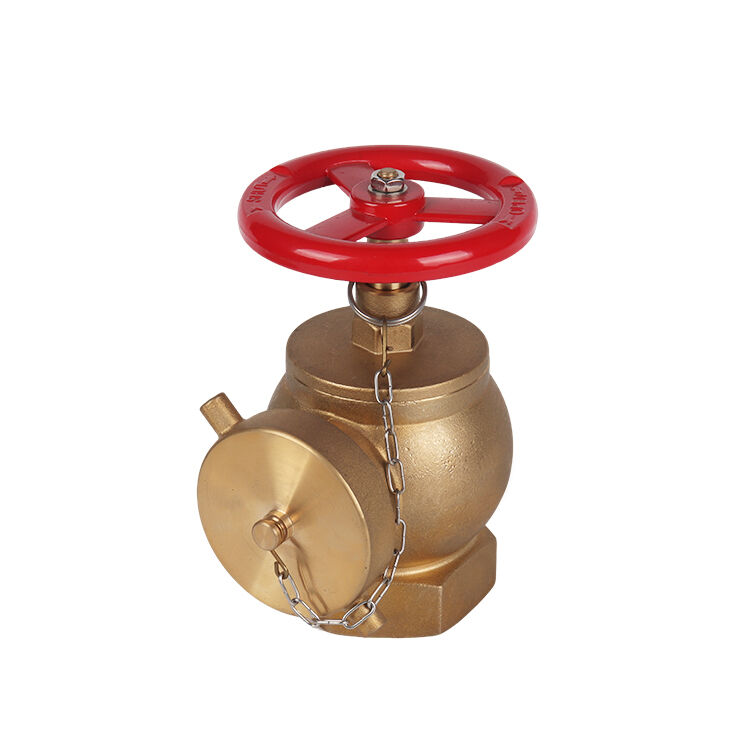
dry powder extinguisher valve
The dry powder extinguisher valve represents a critical component in fire suppression systems, serving as the primary control mechanism for releasing dry chemical agents during fire emergencies. This specialized valve system functions as the gateway between the pressurized dry powder storage tank and the discharge mechanism, ensuring precise control over extinguishing agent deployment. The dry powder extinguisher valve operates through a sophisticated pressure-actuated system that responds instantly to activation signals, whether manual or automatic. When triggered, the valve opens to allow the pressurized dry chemical powder to flow through the discharge nozzles with optimal force and coverage. The technological foundation of the dry powder extinguisher valve relies on robust engineering principles that guarantee reliable performance under extreme conditions. These valves incorporate corrosion-resistant materials, typically constructed from high-grade stainless steel or specialized alloys that withstand harsh environmental factors. The internal components feature precision-machined surfaces that ensure smooth operation and minimal friction during activation. Modern dry powder extinguisher valve designs integrate advanced sealing technologies that prevent unwanted discharge while maintaining system readiness. The valve mechanism includes multiple safety features such as pressure relief systems and tamper-evident indicators that enhance operational security. Applications for the dry powder extinguisher valve span across diverse industrial sectors including manufacturing facilities, warehouses, chemical processing plants, and commercial buildings. These systems prove particularly effective in environments where Class A, B, and C fires present significant risks. The dry powder extinguisher valve configuration allows for flexible installation options, accommodating both localized protection zones and comprehensive facility-wide coverage. Integration capabilities enable seamless connection with building management systems and fire alarm networks, ensuring coordinated emergency response protocols.

 EN
EN