Empty Fire Extinguisher Solutions: Cost-Effective Customizable Fire Safety Equipment

Download Catalogue
All Categories

Get a Free Quote

Our representative will contact you soon.
Email
Name
Company Name
Mobile/WhatsApp
Message
0/1000

empty fire extinguisher

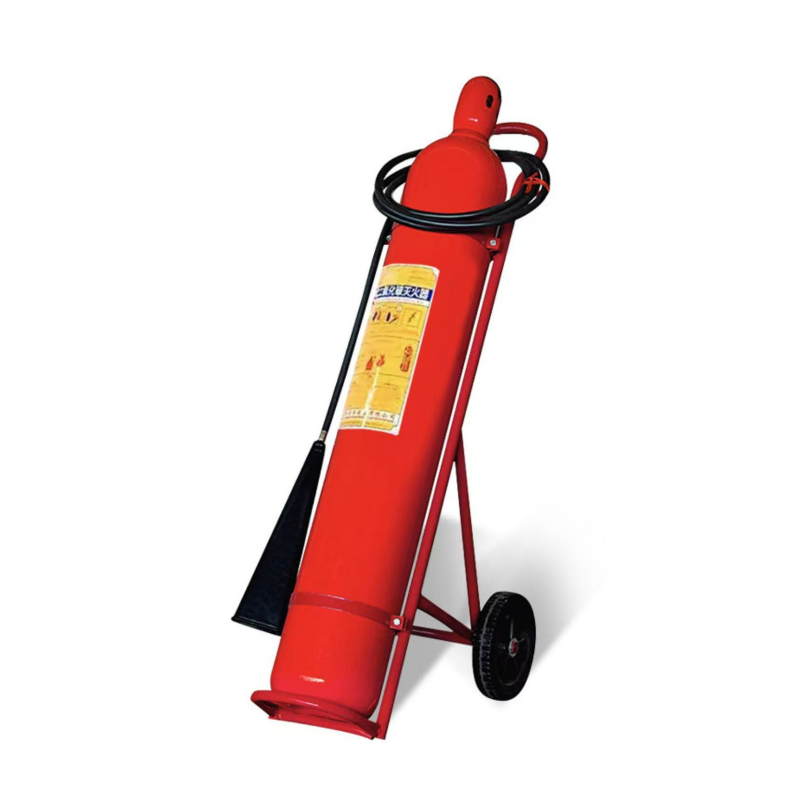
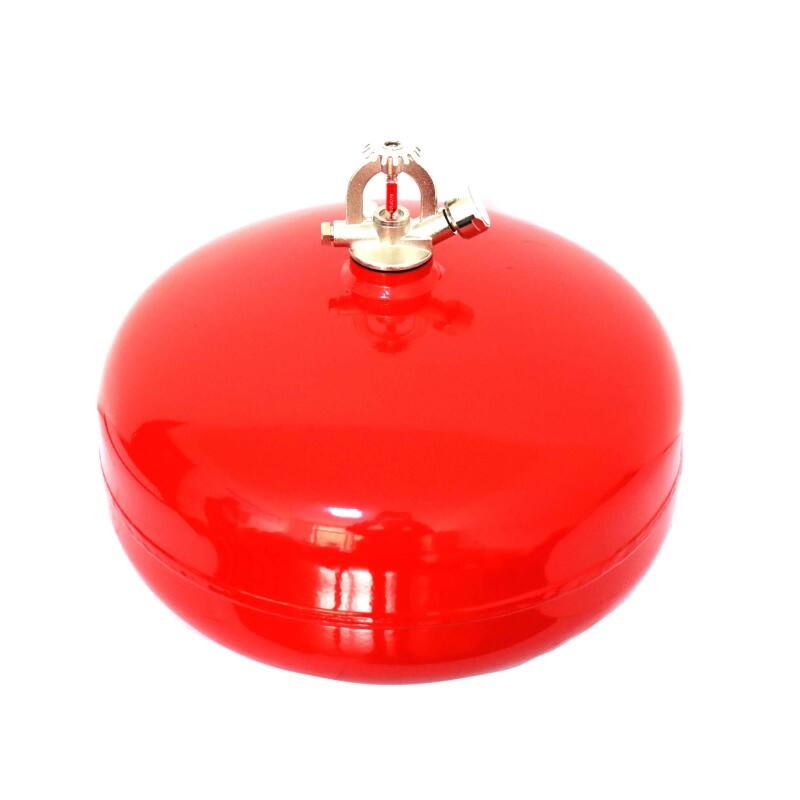
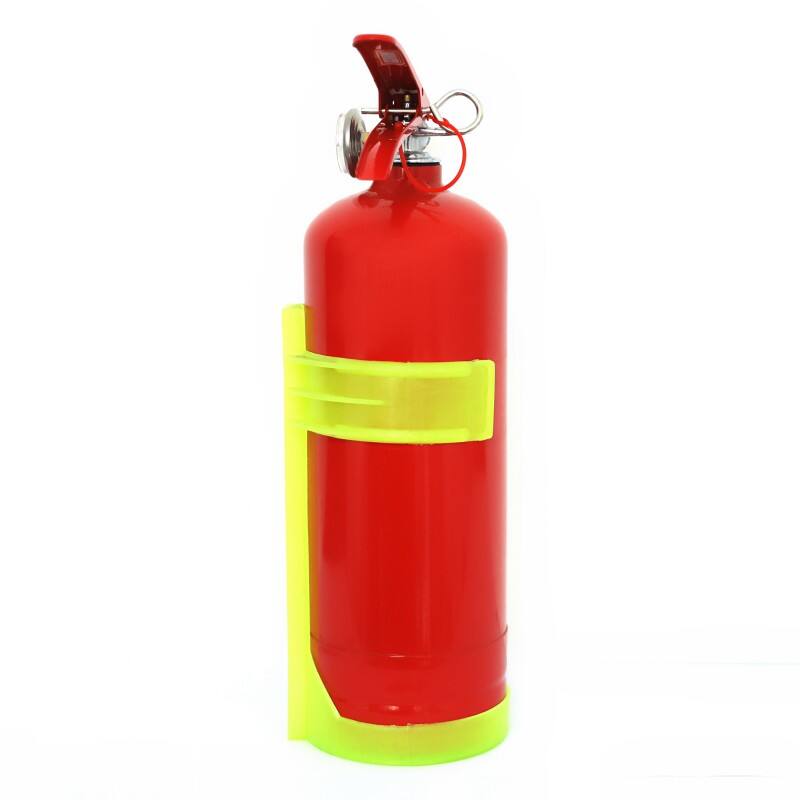
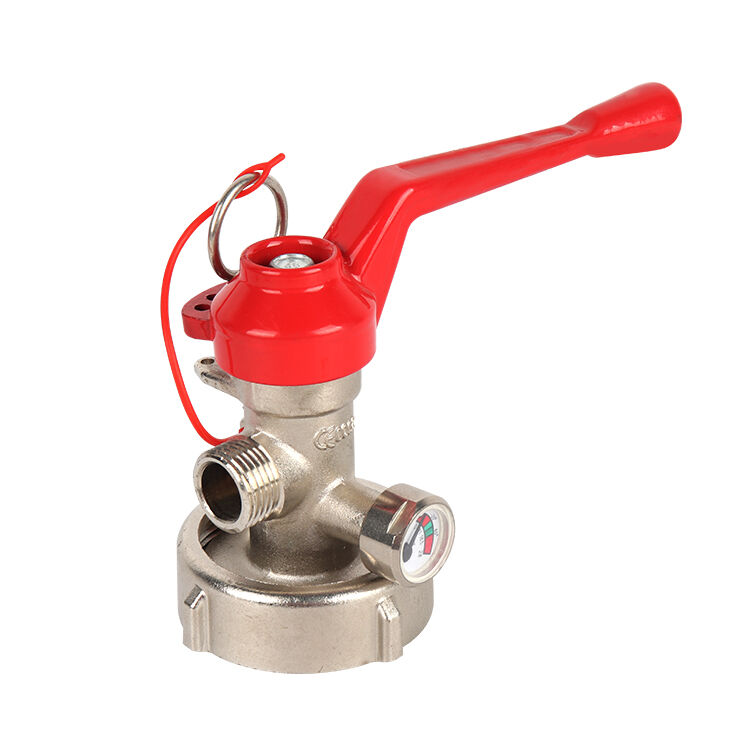
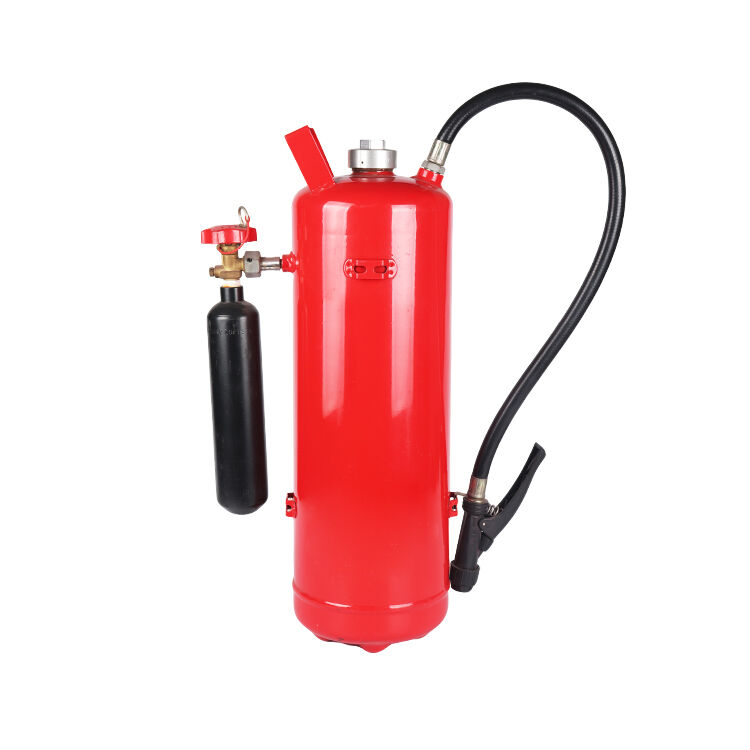
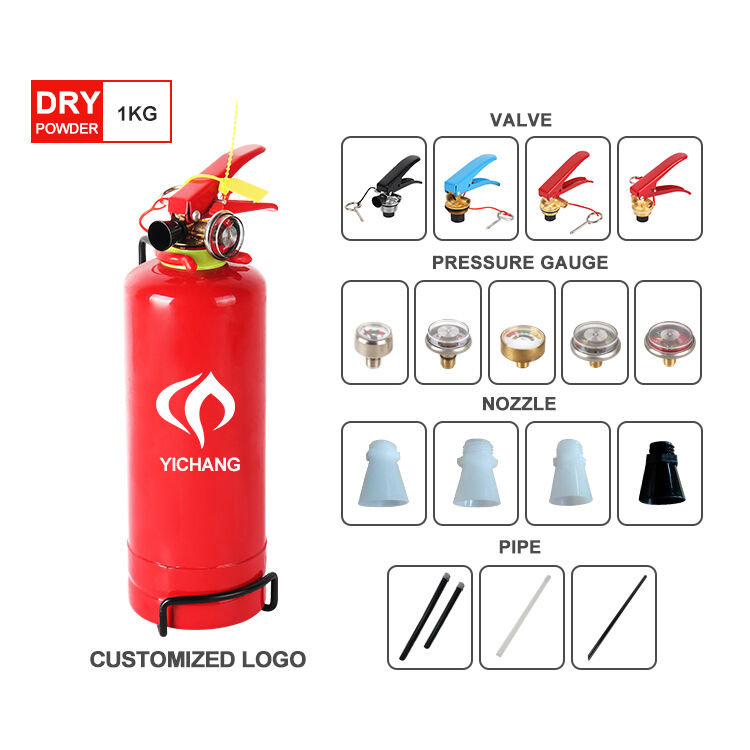
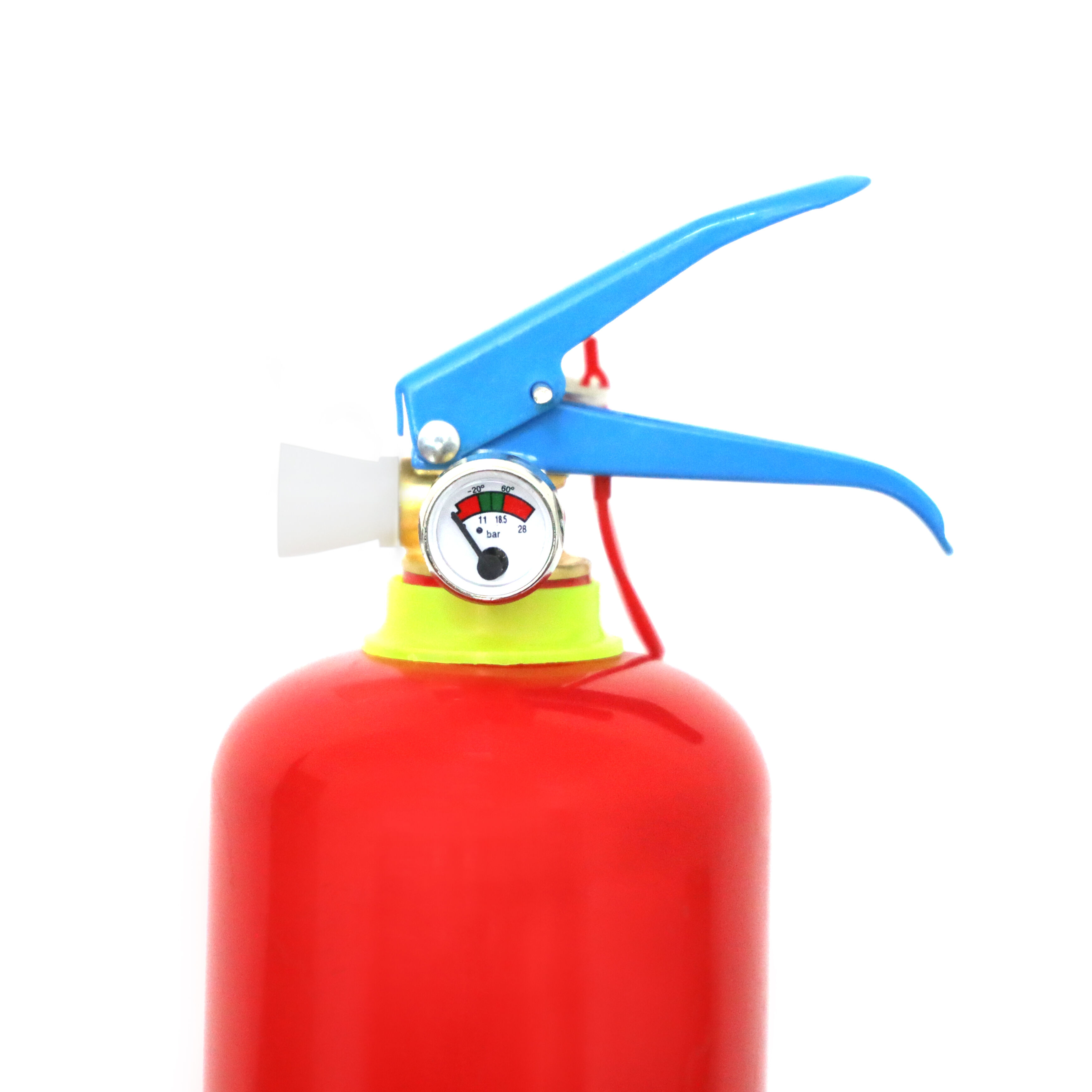
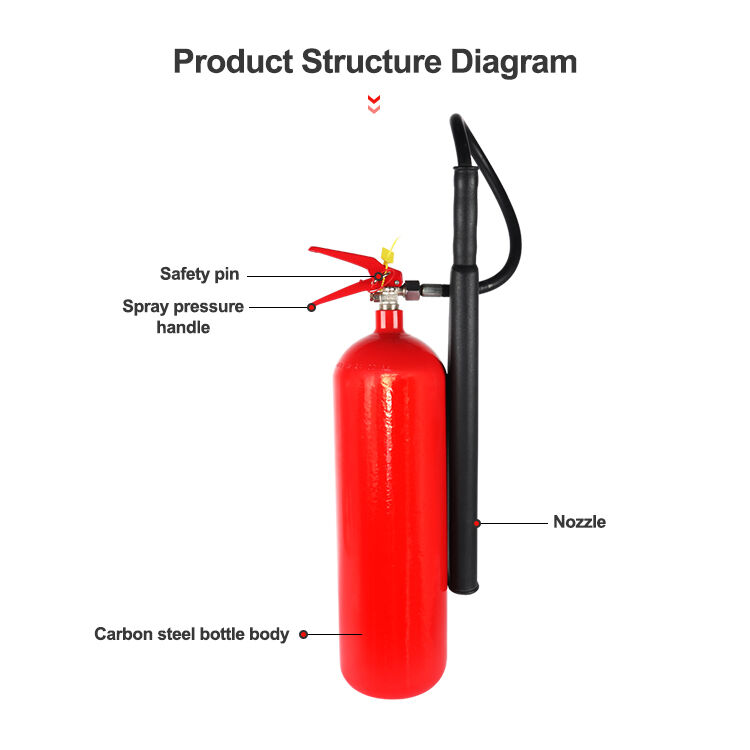
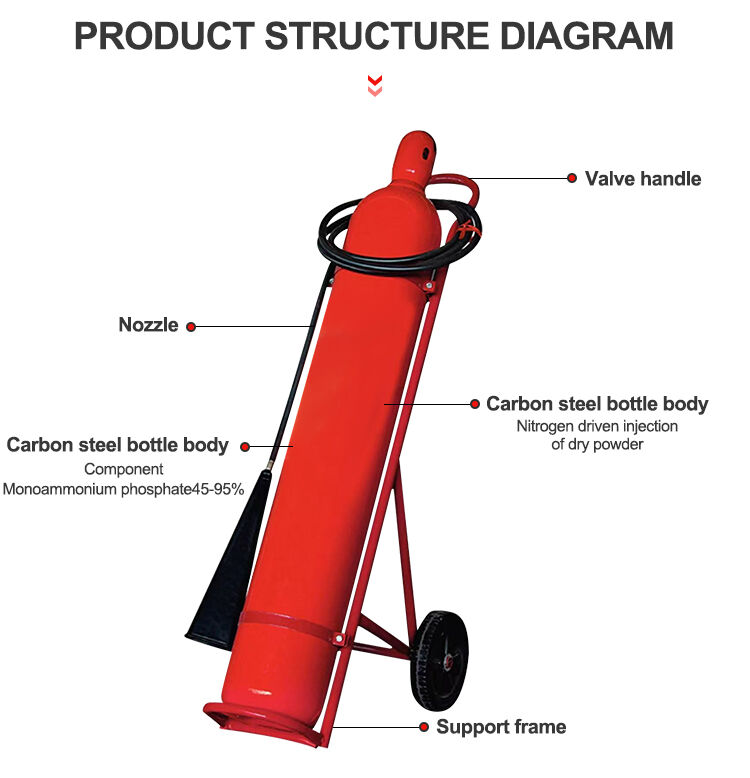
An empty fire extinguisher represents a specialized fire safety equipment shell designed for professional refilling, maintenance, and customization purposes. These units consist of the complete extinguisher housing, including the pressure vessel, valve assembly, discharge mechanism, and mounting hardware, but arrive without the fire suppressant agent or pressurization. Empty fire extinguisher units serve multiple critical functions in fire safety management systems. They provide cost-effective solutions for fire safety professionals who require bulk quantities or specific configurations not readily available in pre-filled units. The empty fire extinguisher design allows for precise filling with specialized suppressant agents tailored to specific fire risks and environmental requirements. These units feature robust construction using high-grade steel or aluminum materials that meet stringent safety standards and pressure ratings. The valve systems incorporate precision-engineered components that ensure reliable activation and proper discharge rates when filled and pressurized. Technological features include corrosion-resistant coatings, pressure relief mechanisms, and standardized threading for universal compatibility with filling equipment. The empty fire extinguisher applications span across various sectors including industrial facilities, marine environments, aviation, specialized manufacturing, and custom fire protection installations. Fire safety service companies utilize these units for refurbishment programs, allowing them to restore older extinguishers to full operational status. Educational institutions and training centers employ empty fire extinguisher units for hands-on instruction without the mess and expense of actual suppressant discharge. Research facilities use these shells for testing new fire suppressant formulations and discharge mechanisms. The empty fire extinguisher design accommodates various suppressant types including dry chemical, foam, carbon dioxide, and specialized clean agents, making them versatile solutions for diverse fire protection needs across multiple industries and applications.


New Products

The empty fire extinguisher offers numerous compelling advantages that make it an intelligent choice for fire safety professionals, facility managers, and organizations seeking cost-effective fire protection solutions. Cost savings represent the most significant benefit, as purchasing an empty fire extinguisher reduces initial investment while providing flexibility in suppressant selection. Organizations can choose the most appropriate and economical fire suppressant agents for their specific needs rather than paying premium prices for pre-filled units that may not match their exact requirements. The empty fire extinguisher enables customization opportunities that pre-filled alternatives cannot match. Users can select suppressant agents based on precise environmental conditions, fire risk assessments, and regulatory requirements. This customization extends to pressure levels, discharge rates, and specialized additives that enhance suppressant effectiveness for particular applications. Quality control becomes significantly enhanced when using an empty fire extinguisher system. Fire safety professionals can verify suppressant purity, mixture ratios, and filling procedures according to their exact standards rather than relying on manufacturer specifications that may not align with specific operational needs. The empty fire extinguisher design facilitates superior maintenance programs. Service technicians can inspect internal components thoroughly, replace worn parts proactively, and ensure optimal performance through systematic refurbishment processes. This approach extends equipment lifespan substantially compared to traditional disposal and replacement cycles. Inventory management improves dramatically with empty fire extinguisher systems. Organizations can maintain standardized equipment while varying suppressant types based on seasonal requirements, changing fire risks, or evolving safety protocols. This flexibility reduces storage complexity and ensures consistent equipment familiarity among personnel. Training programs benefit significantly from empty fire extinguisher units. Safety instructors can demonstrate proper handling, activation procedures, and maintenance techniques without wasting expensive suppressants or creating cleanup challenges. Students gain hands-on experience with actual equipment while minimizing training costs and environmental impact. Environmental sustainability increases through empty fire extinguisher usage. Organizations reduce waste by refurbishing existing equipment rather than discarding functional units due to expired suppressants. This approach supports corporate sustainability goals while maintaining fire safety standards and regulatory compliance across all operational areas.

Latest News

The Ultimate Guide to Choosing the Right Fire Extinguisher for Your Home

02

Dec

The Ultimate Guide to Choosing the Right Fire Extinguisher for Your Home

Home fire safety is a critical concern that every homeowner must address proactively. A fire extinguisher serves as your first line of defense against small fires before they escalate into catastrophic events. Understanding the different types of fir...
View More
Dry Powder Fire Extinguisher: A Complete Guide to Uses and Limitations

16

Dec

Dry Powder Fire Extinguisher: A Complete Guide to Uses and Limitations

Fire safety remains a critical concern across industrial, commercial, and residential environments worldwide. Among the various firefighting solutions available today, the dry powder extinguisher stands out as one of the most versatile and widely dep...
View More
When to Use a Fire Blanket vs. a Fire Extinguisher: A Clear Guide

19

Dec

When to Use a Fire Blanket vs. a Fire Extinguisher: A Clear Guide

When faced with a fire emergency, having the right suppression tool can mean the difference between a minor incident and a catastrophic event. Two of the most common fire safety devices found in homes, kitchens, and workplaces are fire blankets and f...
View More
How to Read a Fire Extinguisher Pressure Gauge (With Pictures)

22

Dec

How to Read a Fire Extinguisher Pressure Gauge (With Pictures)

Understanding how to properly read a fire extinguisher pressure gauge is essential for maintaining fire safety equipment and ensuring optimal performance during emergencies. A pressure gauge serves as the primary indicator of whether your fire exting...
View More

Get a Free Quote

Our representative will contact you soon.
Email
Name
Company Name
Mobile/WhatsApp
Message
0/1000

empty fire extinguisher

Superior Cost Efficiency and Budget Optimization

Superior Cost Efficiency and Budget Optimization

The empty fire extinguisher delivers exceptional cost efficiency that transforms fire safety budget management for organizations of all sizes. This cost advantage stems from several interconnected factors that create substantial savings throughout the equipment lifecycle. Initial purchase costs decrease significantly because buyers invest only in the mechanical components rather than paying premium prices for pre-loaded suppressant agents that may not suit their specific applications. Organizations can negotiate better pricing on bulk suppressant purchases separately, often achieving volume discounts unavailable with pre-filled units. The empty fire extinguisher system enables strategic purchasing decisions based on market conditions and supplier relationships rather than being locked into manufacturer pricing structures. Operational cost benefits extend beyond initial purchase savings. Fire safety service companies can optimize their inventory investments by maintaining standardized empty fire extinguisher shells while stocking various suppressant types based on client demands and seasonal variations. This approach reduces carrying costs and eliminates waste from expired suppressants in pre-filled units that remain unused past their service dates. Maintenance costs decrease substantially because technicians can inspect and service internal components more thoroughly when working with empty fire extinguisher units. Complete disassembly allows for detailed examination of seals, valves, and pressure mechanisms that might be overlooked in standard servicing procedures. Early detection of wear patterns and component degradation prevents costly emergency replacements and ensures optimal performance throughout the equipment lifespan. Long-term financial benefits compound as organizations develop expertise in suppressant selection and filling procedures. Internal capabilities reduce dependency on external service providers for routine maintenance and refilling operations. Training staff to handle empty fire extinguisher systems creates valuable institutional knowledge that supports ongoing cost optimization and operational independence while maintaining strict safety standards and regulatory compliance requirements.
Unmatched Flexibility and Customization Capabilities

Unmatched Flexibility and Customization Capabilities

The empty fire extinguisher provides unparalleled flexibility that empowers organizations to create precisely tailored fire protection solutions matching their unique operational requirements and environmental conditions. This customization capability represents a fundamental advantage over standardized pre-filled units that force users to accept generic formulations regardless of specific fire risks or operational constraints. Suppressant selection flexibility allows fire safety professionals to choose optimal agents based on detailed risk assessments and environmental factors. Different areas within facilities may require different suppressant types due to varying fire hazards, temperature ranges, or sensitivity to suppressant residues. The empty fire extinguisher accommodates these diverse needs without requiring multiple equipment types or complex inventory management systems. Chemical compatibility considerations become manageable when using empty fire extinguisher systems. Organizations handling sensitive materials, electronic equipment, or specialized manufacturing processes can select suppressants that provide effective fire control without damaging valuable assets or contaminating production environments. This precision matching prevents costly equipment damage and production disruptions that might occur with inappropriate suppressant types. Pressure and discharge rate customization enables optimization for specific installation requirements and activation scenarios. High-ceiling industrial facilities may require higher discharge pressures for effective suppressant distribution, while confined spaces might need controlled discharge rates to prevent operator safety issues. The empty fire extinguisher design accommodates these variations through precise filling and pressurization procedures tailored to operational needs. Seasonal and operational flexibility supports dynamic fire safety management strategies. Organizations can modify suppressant types based on changing weather conditions, temporary operations, or evolving fire risks without replacing entire extinguisher systems. This adaptability proves particularly valuable for facilities with seasonal operations, temporary installations, or frequently changing operational parameters that affect fire protection requirements. Regulatory compliance becomes more manageable when organizations can select suppressants and configure systems to meet specific local, national, or industry standards that may vary between locations or applications within the same facility.
Enhanced Maintenance Control and Equipment Longevity

Enhanced Maintenance Control and Equipment Longevity

The empty fire extinguisher system revolutionizes maintenance capabilities by providing complete access to internal components and enabling comprehensive inspection procedures that ensure optimal performance and extended equipment lifespan. This maintenance advantage creates significant value through improved reliability, reduced downtime, and enhanced safety performance across all fire protection applications. Complete component accessibility represents the primary maintenance benefit of empty fire extinguisher systems. Service technicians can disassemble units entirely, inspect every internal surface, and identify potential issues before they compromise equipment performance or safety. This thorough inspection capability exceeds standard maintenance procedures limited by suppressant presence and pressure constraints. Internal components receive proper cleaning, lubrication, and adjustment that maintains optimal operating conditions throughout extended service periods. Predictive maintenance becomes highly effective with empty fire extinguisher units because technicians can monitor component wear patterns, seal condition, and mechanical operation without interference from suppressant agents or system pressure. Early identification of degradation patterns enables proactive component replacement before failures occur, preventing emergency situations and ensuring continuous fire protection capability. Detailed maintenance records support compliance documentation and warranty claims while providing valuable data for fleet management decisions. Quality assurance improves dramatically when organizations maintain direct control over filling procedures and suppressant specifications. Fire safety professionals can verify suppressant quality, mixture ratios, and contamination levels according to their standards rather than relying on external service providers or manufacturer certifications that may not meet specific operational requirements. This quality control extends to pressure testing, valve calibration, and discharge pattern verification that ensures optimal performance under actual emergency conditions. Component replacement and upgrade opportunities become more cost-effective with empty fire extinguisher systems. Organizations can selectively upgrade valves, gauges, or other components based on performance requirements or technological advances without discarding entire units. This modular approach to equipment improvement supports budget optimization while maintaining cutting-edge fire safety capabilities. Extended service intervals result from superior maintenance practices enabled by empty fire extinguisher systems, reducing operational costs and minimizing disruption to facility operations while ensuring consistent fire protection readiness.

Get a Free Quote

Our representative will contact you soon.
Email
Name
Company Name
Mobile/WhatsApp
Message
0/1000
email goToTop