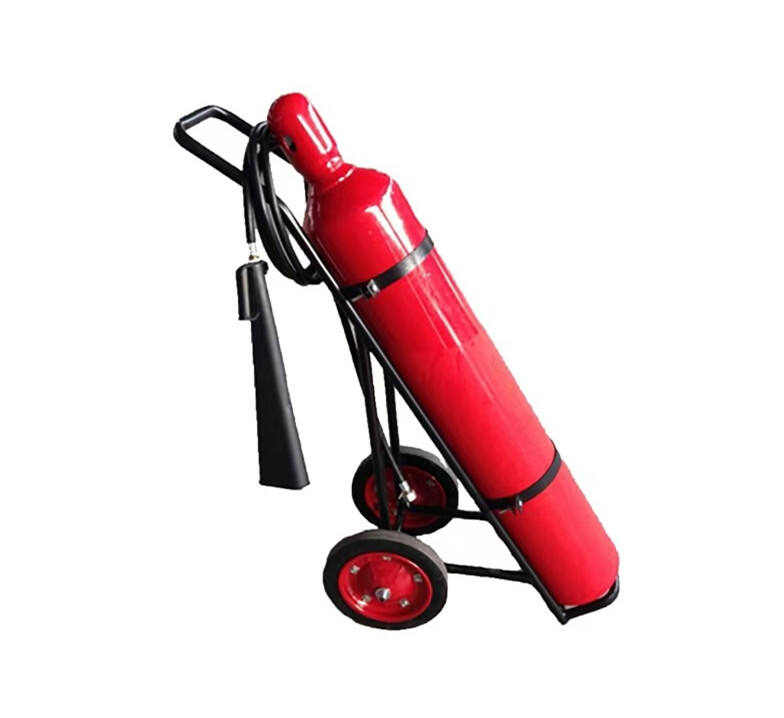
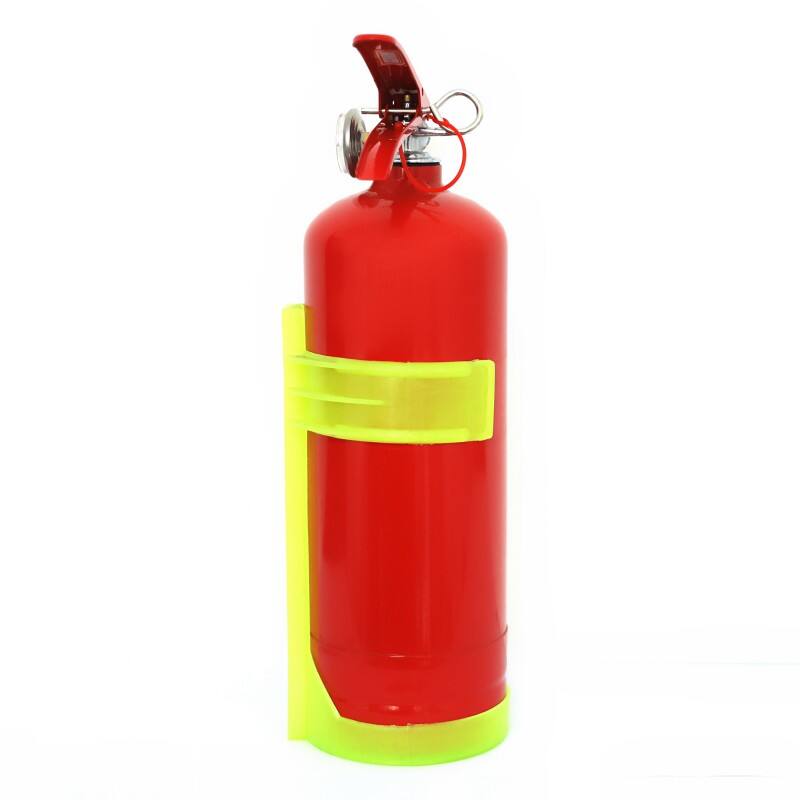
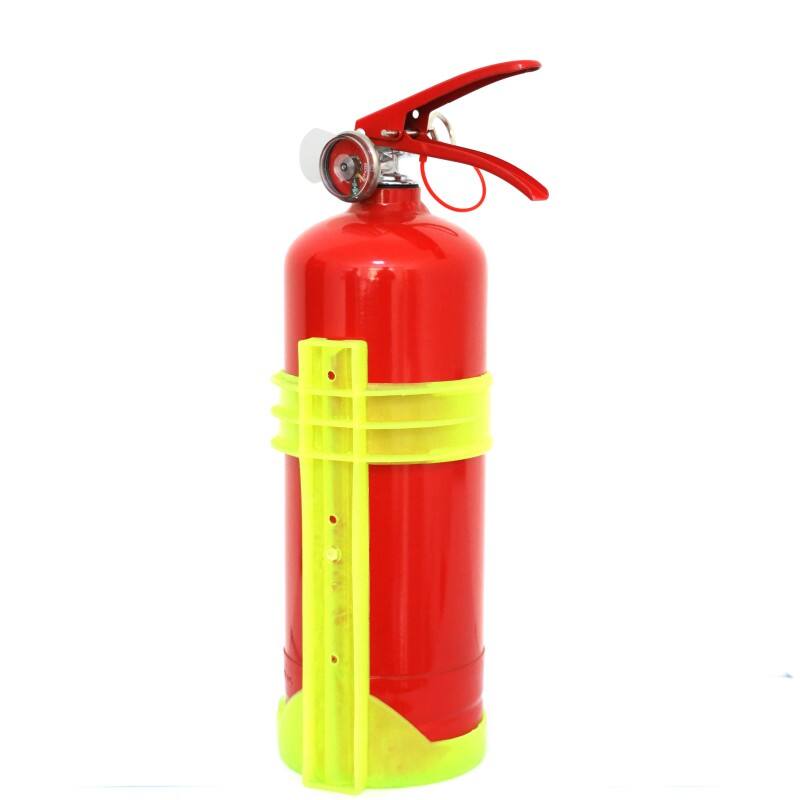
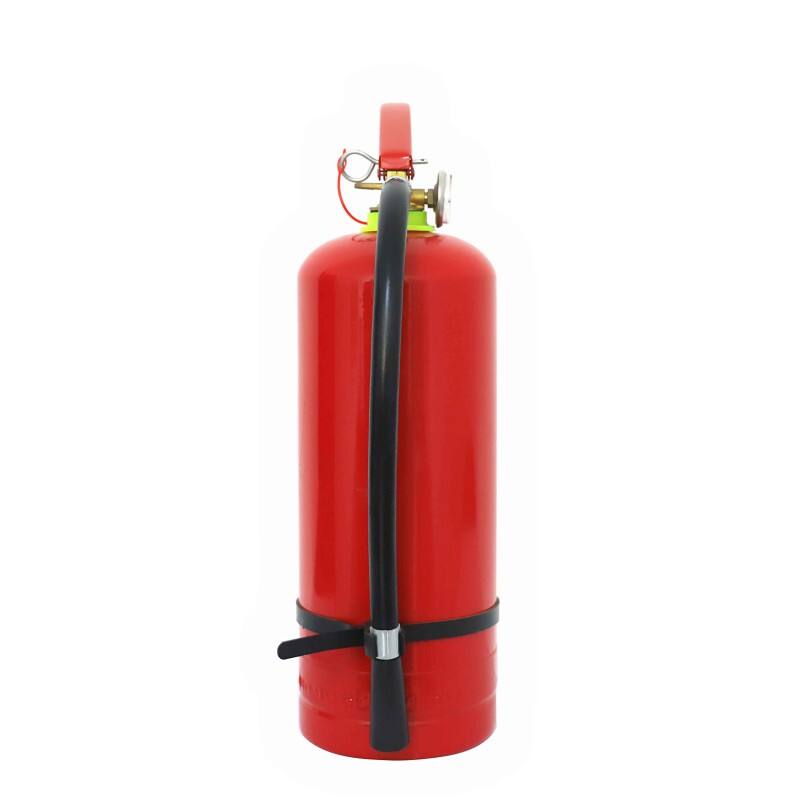
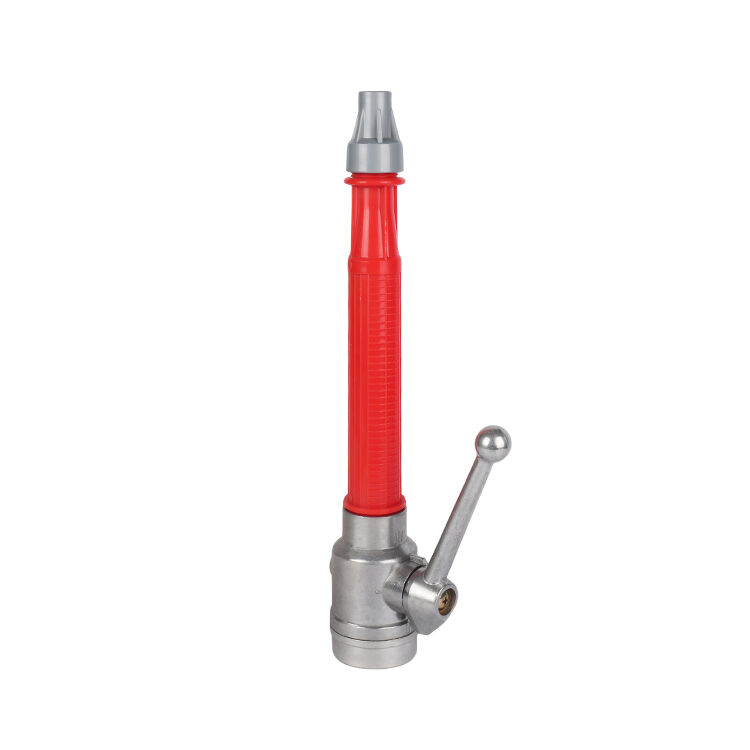
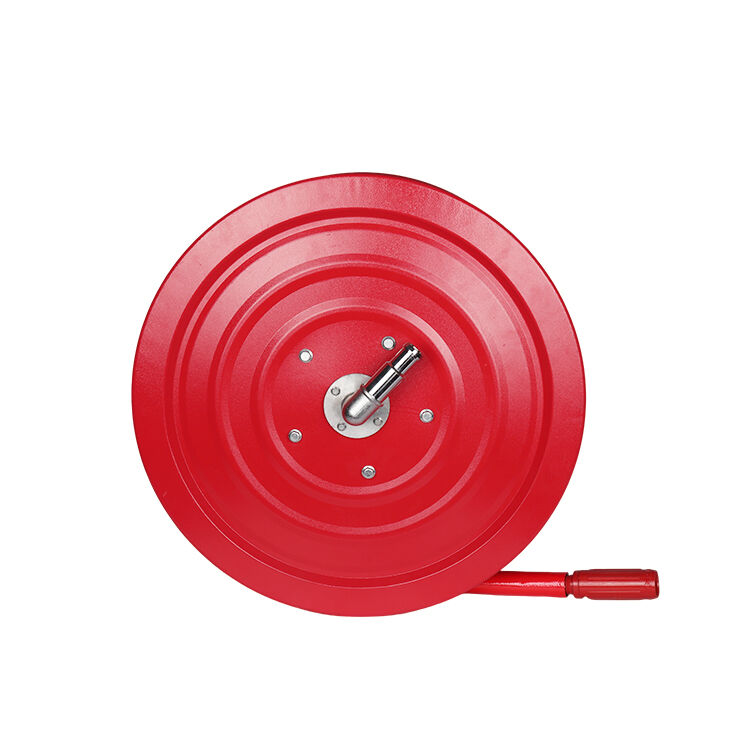
fire equipment hose
Fire equipment hose represents a critical component in firefighting systems, designed to deliver water or fire suppressing agents from the source to the fire location with maximum efficiency and reliability. These specialized hoses are engineered to withstand extreme temperatures, high pressure conditions, and demanding operational environments that firefighters encounter during emergency response situations. The primary function of a fire equipment hose involves transporting water, foam, or other extinguishing materials from fire trucks, hydrants, or stationary systems directly to the fire scene. Modern fire equipment hose construction incorporates advanced materials such as synthetic rubber, polyurethane linings, and reinforced textile or wire braiding to ensure durability and performance under stress. The technological features include pressure ratings typically ranging from 150 to 300 PSI, with some specialized variants capable of handling even higher pressures for industrial applications. Temperature resistance allows these hoses to function effectively in environments ranging from sub-zero conditions to temperatures exceeding 200 degrees Fahrenheit. Fire equipment hose applications span across multiple sectors including municipal fire departments, industrial facilities, commercial buildings, residential complexes, and specialized environments such as airports, marine vessels, and chemical processing plants. The versatility of fire equipment hose systems makes them indispensable for both interior and exterior firefighting operations. Different diameter options, typically ranging from 1.5 inches to 5 inches, accommodate various flow requirements and tactical approaches. The coupling systems feature standardized threading patterns that ensure compatibility across different equipment manufacturers and emergency response agencies. Advanced fire equipment hose designs incorporate lightweight materials that reduce fatigue during extended operations while maintaining structural integrity. The inner liner prevents degradation from chemical exposure and ensures smooth water flow, while the outer jacket provides protection against abrasion, cuts, and environmental damage.

 EN
EN