Fire Extinguisher Pressure Indicator: Professional Safety Monitoring Solutions

Download Catalogue
All Categories

Get a Free Quote

Our representative will contact you soon.
Email
Name
Company Name
Mobile/WhatsApp
Message
0/1000

fire extinguisher pressure indicator

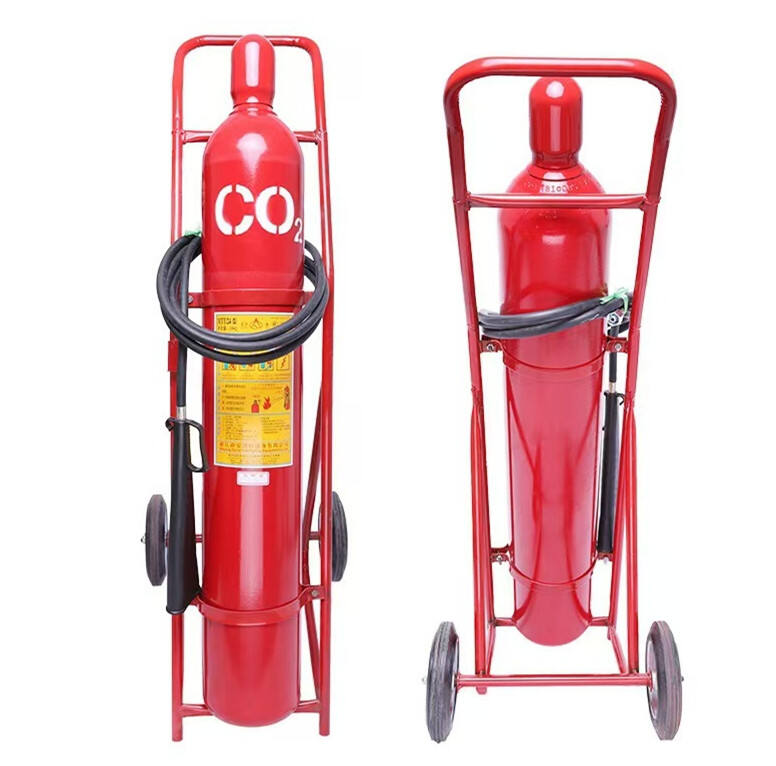
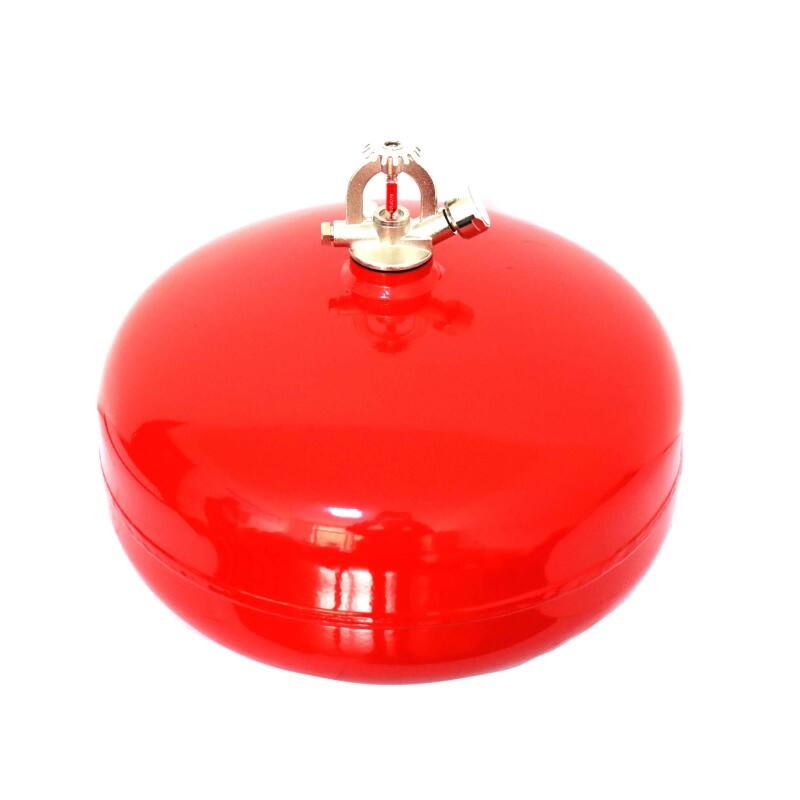
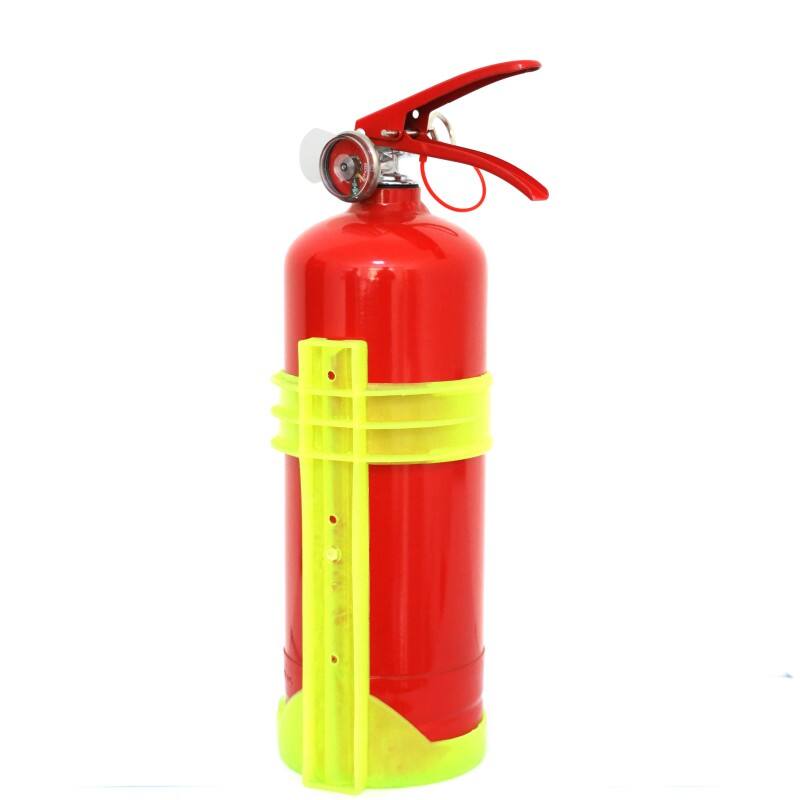
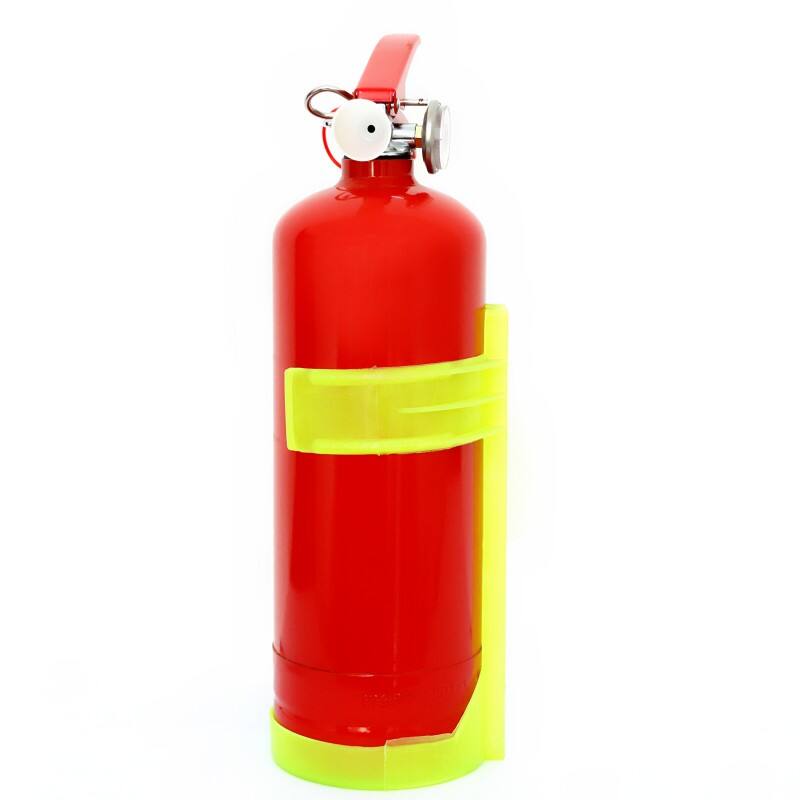
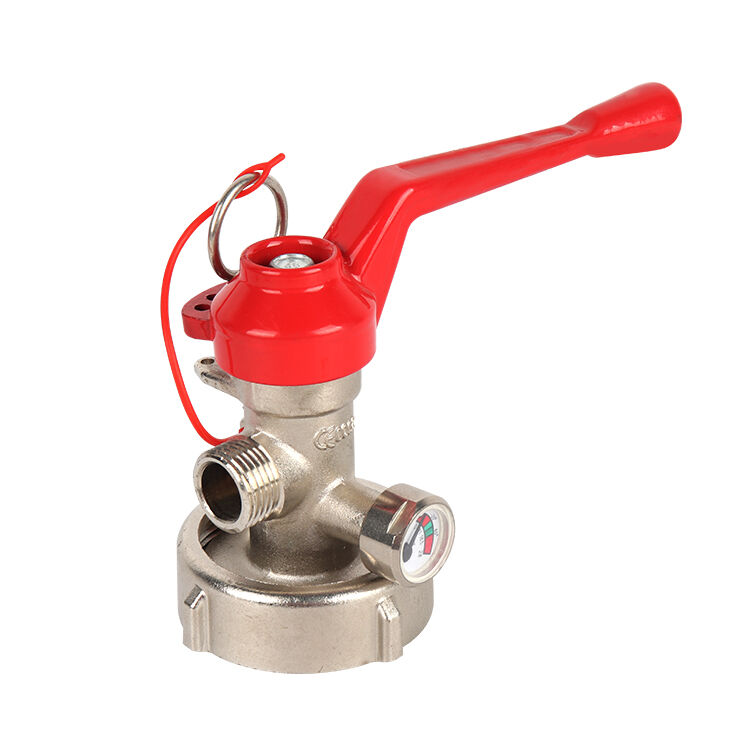
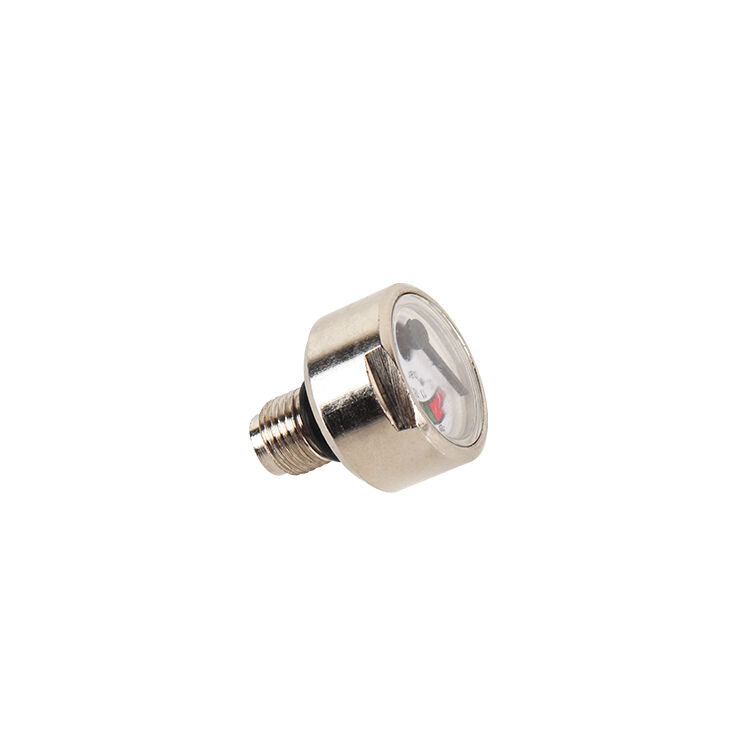
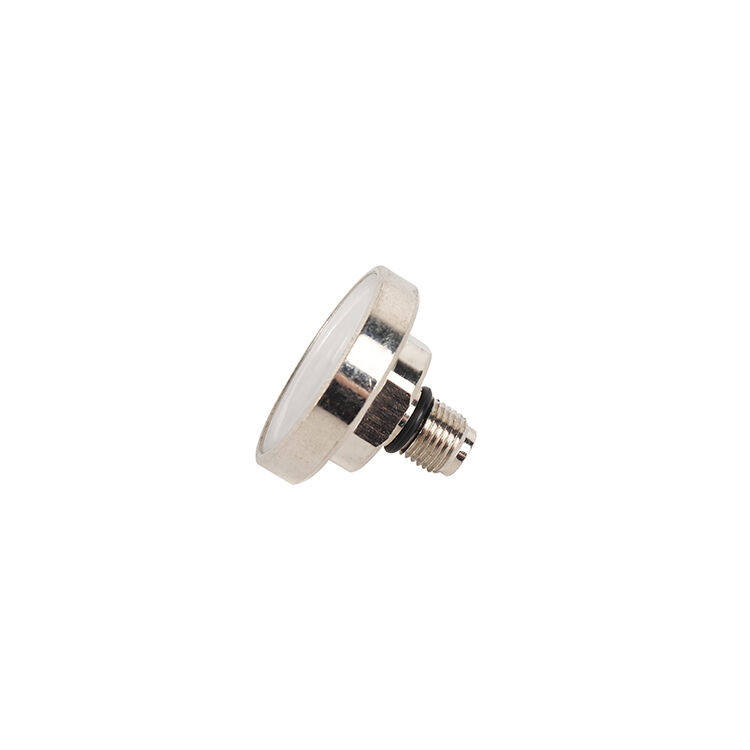
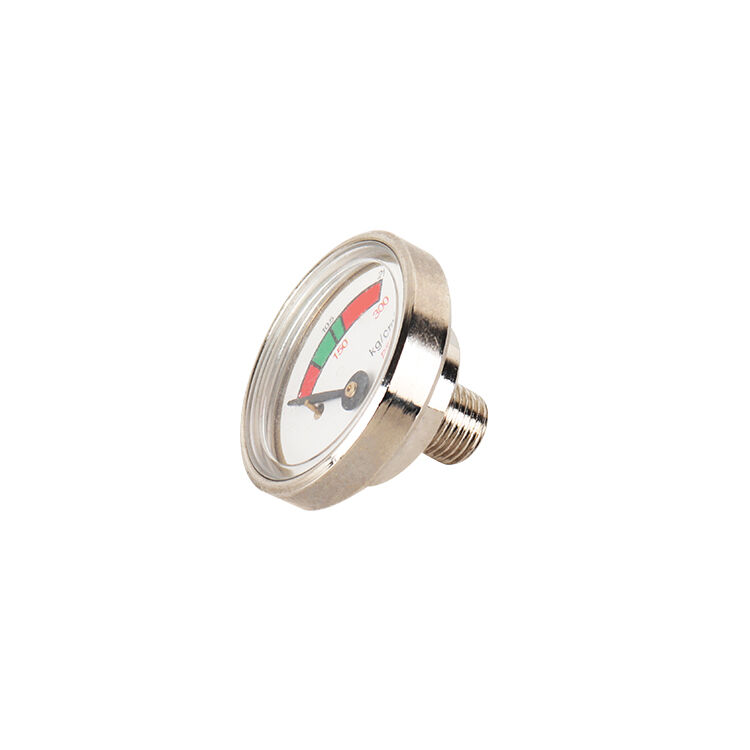
The fire extinguisher pressure indicator serves as a critical safety component that monitors the internal pressure levels within fire suppression systems. This essential device provides real-time visual confirmation of whether a fire extinguisher maintains adequate pressure for effective operation during emergency situations. Modern fire extinguisher pressure indicators utilize precision-engineered gauge mechanisms that display pressure readings through color-coded zones, typically featuring green sections for optimal pressure, yellow for marginal levels, and red for insufficient pressure requiring immediate attention. The technological foundation of these pressure indicators relies on Bourdon tube mechanisms or diaphragm-based sensors that respond to internal pressure changes within the extinguisher cylinder. These components convert pressure variations into mechanical movements that translate to needle position changes on the gauge face. Advanced fire extinguisher pressure indicator models incorporate digital displays, wireless connectivity, and smart monitoring capabilities that enable remote surveillance of multiple units across large facilities. The applications for fire extinguisher pressure indicators span diverse environments including commercial buildings, industrial facilities, residential complexes, educational institutions, healthcare facilities, and transportation systems. Building maintenance teams rely heavily on these indicators during routine safety inspections to verify extinguisher readiness without requiring specialized testing equipment. Fire safety professionals utilize pressure indicators to establish maintenance schedules and identify units requiring servicing or recharging. The integration of fire extinguisher pressure indicators into comprehensive fire safety management systems enables proactive maintenance approaches that prevent equipment failures during critical moments. Manufacturing facilities particularly benefit from these indicators as they provide instant visual confirmation of extinguisher status without disrupting production operations. Emergency response teams depend on pressure indicators to quickly assess available suppression resources during incident response planning and execution phases.


Popular Products

Fire extinguisher pressure indicators deliver substantial practical benefits that enhance overall fire safety management effectiveness while reducing operational costs and maintenance complexity. The primary advantage lies in providing instant visual verification of extinguisher readiness without requiring specialized tools or technical expertise, enabling any personnel member to quickly assess equipment status during routine facility walkthrough inspections. This immediate accessibility significantly reduces the time and resources traditionally required for comprehensive fire safety audits while maintaining consistent monitoring standards across all installed units. The cost-effectiveness of fire extinguisher pressure indicators becomes apparent through their ability to prevent costly emergency situations caused by non-functional suppression equipment, as early detection of pressure loss allows for timely maintenance interventions before complete system failure occurs. Organizations benefit from reduced liability exposure and insurance premiums when demonstrating proactive fire safety management through documented pressure monitoring protocols supported by reliable indicator systems. The durability of modern fire extinguisher pressure indicators ensures long-term value through weather-resistant construction and shock-resistant components that maintain accuracy despite exposure to challenging environmental conditions including temperature fluctuations, humidity variations, and mechanical vibrations common in industrial settings. Maintenance efficiency improves dramatically as facility managers can quickly identify units requiring attention during scheduled inspections, eliminating the need for comprehensive testing of every extinguisher and allowing focused attention on problematic units. The standardized color-coding system employed by fire extinguisher pressure indicators creates universal understanding across diverse personnel backgrounds, reducing training requirements and minimizing interpretation errors that could compromise safety protocols. Integration capabilities with modern building management systems enable automated monitoring and alert generation, providing facility operators with centralized oversight of fire suppression equipment status across multiple locations. The reliability of pressure indicators supports regulatory compliance requirements by providing verifiable documentation of equipment condition during safety audits and inspections conducted by fire marshals and insurance representatives. Energy efficiency benefits emerge from the passive operation of mechanical pressure indicators that require no external power sources while maintaining continuous monitoring capabilities throughout their operational lifespan.

Practical Tips

The Ultimate Guide to Choosing the Right Fire Extinguisher for Your Home

02

Dec

The Ultimate Guide to Choosing the Right Fire Extinguisher for Your Home

Home fire safety is a critical concern that every homeowner must address proactively. A fire extinguisher serves as your first line of defense against small fires before they escalate into catastrophic events. Understanding the different types of fir...
View More
Fire Extinguisher Valve: How It Works and Why It's Crucial

10

Dec

Fire Extinguisher Valve: How It Works and Why It's Crucial

Fire extinguisher systems represent one of the most critical safety components in any building or industrial facility. At the heart of every fire extinguisher lies a sophisticated valve mechanism that controls the flow of suppressant materials during...
View More
When to Use a Fire Blanket vs. a Fire Extinguisher: A Clear Guide

19

Dec

When to Use a Fire Blanket vs. a Fire Extinguisher: A Clear Guide

When faced with a fire emergency, having the right suppression tool can mean the difference between a minor incident and a catastrophic event. Two of the most common fire safety devices found in homes, kitchens, and workplaces are fire blankets and f...
View More
How to Read a Fire Extinguisher Pressure Gauge (With Pictures)

22

Dec

How to Read a Fire Extinguisher Pressure Gauge (With Pictures)

Understanding how to properly read a fire extinguisher pressure gauge is essential for maintaining fire safety equipment and ensuring optimal performance during emergencies. A pressure gauge serves as the primary indicator of whether your fire exting...
View More

Get a Free Quote

Our representative will contact you soon.
Email
Name
Company Name
Mobile/WhatsApp
Message
0/1000

fire extinguisher pressure indicator

Advanced Precision Monitoring Technology

Advanced Precision Monitoring Technology

The sophisticated engineering behind fire extinguisher pressure indicator systems incorporates cutting-edge precision monitoring technology that ensures accurate pressure readings under all operating conditions. These advanced systems utilize calibrated Bourdon tube mechanisms manufactured to strict tolerances that provide consistent performance across temperature ranges from negative forty degrees Fahrenheit to over one hundred fifty degrees Fahrenheit. The precision components within each fire extinguisher pressure indicator undergo rigorous testing protocols that verify accuracy within two percent of actual pressure values, meeting or exceeding industry standards established by leading fire safety organizations worldwide. Temperature compensation features built into premium pressure indicators automatically adjust readings to account for thermal expansion and contraction effects that could otherwise compromise measurement accuracy in varying environmental conditions. The robust construction methodology employed in manufacturing these indicators includes corrosion-resistant materials such as stainless steel components and brass fittings that maintain structural integrity when exposed to harsh chemical environments commonly found in industrial applications. Shock-resistant design elements protect sensitive internal mechanisms from damage caused by accidental impacts or vibrations that occur during routine handling and transportation of fire extinguishers. The hermetically sealed gauge housing prevents moisture infiltration and contamination that could affect measurement precision or cause internal component deterioration over extended service periods. Advanced models incorporate digital sensor technology that provides enhanced accuracy and enables integration with smart building systems for automated monitoring and data logging capabilities. Quality control procedures implemented during manufacturing ensure that each fire extinguisher pressure indicator meets stringent performance specifications before leaving the production facility. The precision monitoring technology delivers consistent results that enable facility managers to make informed decisions regarding maintenance schedules and equipment replacement timing based on reliable pressure trend data collected over extended monitoring periods.
Universal Compatibility and Installation Flexibility

Universal Compatibility and Installation Flexibility

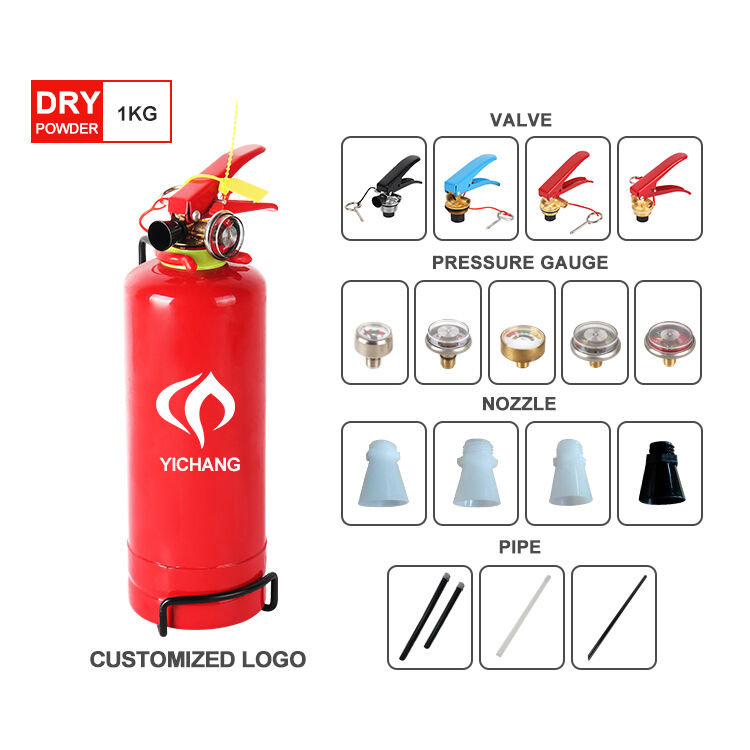
Fire extinguisher pressure indicators demonstrate exceptional universal compatibility across diverse extinguisher types and mounting configurations, providing installation flexibility that accommodates virtually any fire suppression system arrangement. The standardized threading systems employed in modern pressure indicators ensure seamless integration with extinguisher valves manufactured by leading suppliers worldwide, eliminating compatibility concerns that could complicate equipment procurement and maintenance processes. Multiple thread specifications including national pipe thread and metric threading options enable proper fitment regardless of extinguisher origin or vintage, supporting both new installations and retrofit applications in existing fire safety systems. The compact design profile of contemporary fire extinguisher pressure indicators allows installation in space-constrained environments where traditional gauge configurations might prove impractical or visually obtrusive. Adjustable mounting orientations enable optimal viewing angles regardless of extinguisher placement, ensuring clear visibility of pressure readings from natural approach paths used by maintenance personnel during routine inspections. The robust connection mechanisms resist loosening under vibration conditions while maintaining pressure-tight seals that prevent leakage throughout extended service intervals. Installation procedures require minimal specialized tools and can be completed by general maintenance staff without extensive training or certification requirements, reducing implementation costs and scheduling complexity. The lightweight construction of modern pressure indicators minimizes stress on extinguisher valve assemblies while providing durable performance that withstands normal handling and environmental exposure. Retrofit compatibility extends the useful life of existing fire suppression equipment by enabling pressure monitoring upgrades without requiring complete system replacement. The versatility of fire extinguisher pressure indicator designs accommodates both portable extinguishers and fixed suppression systems, providing consistent monitoring capabilities across comprehensive fire safety installations. Field-replaceable components ensure long-term serviceability and enable cost-effective maintenance that preserves system performance throughout extended operational periods while supporting sustainable equipment management practices.
Comprehensive Safety Compliance and Documentation Support

Comprehensive Safety Compliance and Documentation Support

Fire extinguisher pressure indicators provide comprehensive safety compliance support that simplifies regulatory adherence while generating verifiable documentation required by fire safety authorities and insurance providers. The systematic monitoring capabilities inherent in professional-grade pressure indicators enable organizations to maintain detailed records of equipment condition that demonstrate proactive safety management practices during official inspections and audits. Compliance with National Fire Protection Association standards becomes more manageable when fire extinguisher pressure indicators provide continuous verification of equipment readiness, supporting the documented maintenance requirements specified in NFPA regulations. The visual confirmation system employed by pressure indicators creates easily interpretable records that facility managers can reference during safety meetings and training sessions to reinforce proper fire safety protocols among staff members. Documentation support extends to liability protection as organizations can demonstrate due diligence in fire safety management through systematic pressure monitoring records that show consistent attention to equipment maintenance and readiness verification. Insurance premium reductions often result from implementing comprehensive fire extinguisher pressure indicator systems that reduce claim risks through improved equipment reliability and maintenance tracking capabilities. The standardized reporting formats supported by modern pressure monitoring systems integrate seamlessly with facility management software platforms that generate automated compliance reports for regulatory submissions and internal safety audits. Quality assurance protocols benefit from the objective measurement data provided by precision pressure indicators, eliminating subjective assessment variations that could compromise safety evaluation accuracy. Emergency response planning improves significantly when fire extinguisher pressure indicators provide real-time equipment status information that enables accurate resource allocation during incident response scenarios. Training program effectiveness increases when personnel can reference actual pressure indicator readings during safety education sessions, providing practical experience with equipment that reinforces theoretical knowledge. The legal protection afforded by documented pressure monitoring creates valuable evidence of safety system maintenance that supports organization defense strategies in potential liability situations while demonstrating commitment to public safety standards.

Get a Free Quote

Our representative will contact you soon.
Email
Name
Company Name
Mobile/WhatsApp
Message
0/1000
email goToTop