Cost-Effective Maintenance and Operational Efficiency
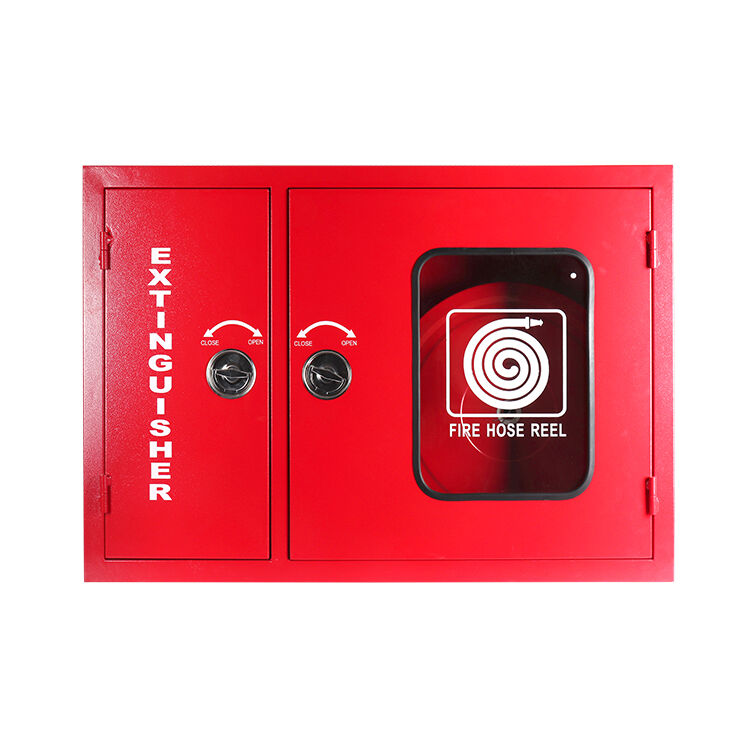
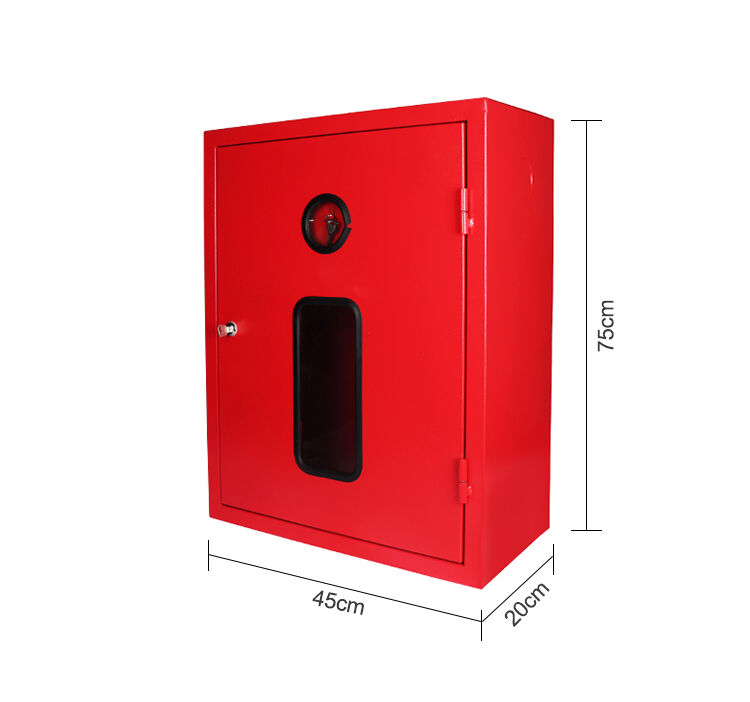
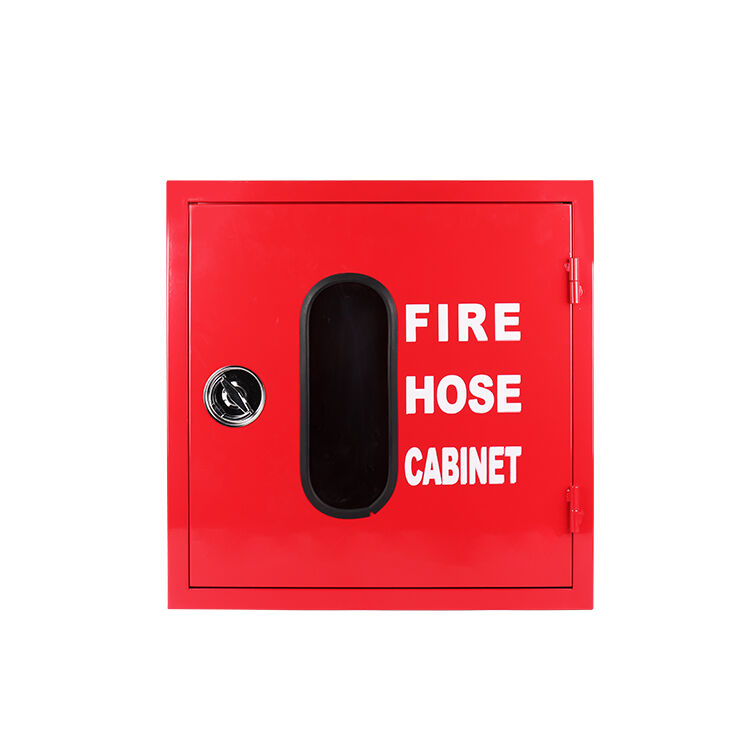
The fire hydrant cabinet revolutionizes maintenance economics through innovative design features that dramatically reduce long-term operational costs while improving system reliability. Predictive maintenance capabilities built into modern fire hydrant cabinet systems utilize sensor technology to monitor hydrant performance parameters including water pressure, valve operation, and environmental conditions. This real-time monitoring enables maintenance teams to address potential issues before they develop into costly failures or emergency situations. The cabinet design facilitates rapid maintenance access through removable panels and service openings that eliminate the need for complete system disassembly during routine inspections. Standardized component interfaces ensure replacement parts remain readily available and installation procedures stay consistent across different fire hydrant cabinet models and manufacturers. Corrosion-resistant hardware and fasteners eliminate the recurring costs associated with replacing corroded bolts, hinges, and mounting brackets that plague traditional exposed installations. The fire hydrant cabinet incorporates self-cleaning drainage systems that prevent debris accumulation and reduce manual cleaning requirements. Advanced filtration components protect internal mechanisms from sand, leaves, and other contaminants that typically cause premature wear in unprotected hydrants. Maintenance scheduling becomes more predictable and cost-effective because the fire hydrant cabinet creates controlled environmental conditions that eliminate weather-related variables affecting hydrant performance. Remote monitoring capabilities enable maintenance teams to prioritize service calls based on actual system conditions rather than arbitrary time schedules, optimizing resource allocation and reducing unnecessary service visits. The cabinet design accommodates easy component upgrades and modernization without requiring complete system replacement, protecting infrastructure investments while enabling technology improvements. Energy-efficient LED status indicators and monitoring systems operate on minimal power consumption, reducing operational costs while providing continuous system oversight. Documentation systems integrated into fire hydrant cabinet installations maintain comprehensive service records and performance history, enabling data-driven maintenance decisions that further optimize costs and reliability. The modular construction approach allows selective component replacement rather than full system replacement, extending overall infrastructure lifespan while minimizing capital expenditure requirements.

 EN
EN