fire spray nozzle
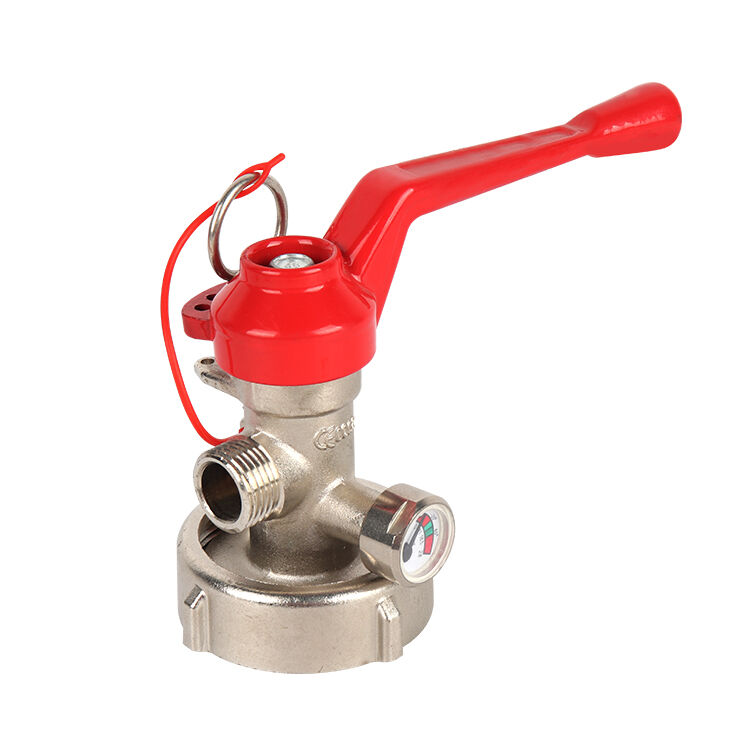
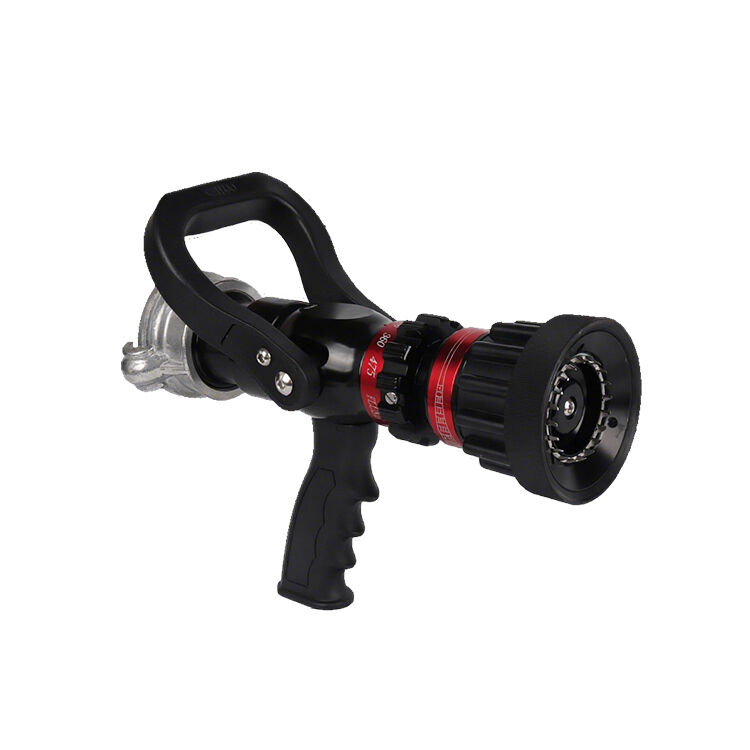
A fire spray nozzle serves as the critical terminal component of firefighting equipment, designed to control water flow patterns, pressure, and distribution during emergency response operations. These specialized devices transform high-pressure water streams into effective firefighting tools through precision engineering and advanced flow dynamics. The fire spray nozzle operates by manipulating water velocity and pattern geometry to maximize suppression effectiveness while ensuring operator safety and control. Modern fire spray nozzles incorporate multiple flow settings, ranging from straight streams for penetration to wide fog patterns for cooling and protection. The technological foundation relies on internal mechanisms that adjust orifice size and water deflection angles, enabling firefighters to adapt their suppression strategy based on fire conditions. These nozzles feature robust construction materials, typically brass, aluminum, or composite polymers, ensuring durability under extreme heat and mechanical stress. The fire spray nozzle integrates seamlessly with standard hose connections and operates across various pressure ranges to accommodate different water supply systems. Advanced models include automatic pressure compensation, maintaining consistent performance regardless of supply fluctuations. The spray pattern adjustment mechanism allows instant transitions between focused streams and dispersed patterns without interrupting water flow. Fire spray nozzles also incorporate safety features such as automatic shutoff valves and ergonomic handles for extended operation periods. The device's internal components include flow straighteners, pressure chambers, and precision-machined outlets that ensure uniform water distribution. These nozzles support multiple operational modes including direct attack, indirect cooling, and defensive protection strategies. The fire spray nozzle represents decades of engineering refinement, incorporating feedback from firefighting professionals to optimize performance, reliability, and user experience in life-threatening situations.

 EN
EN