Professional Firefighting Nozzles - Advanced Flow Control & Safety Technology

Download Catalogue
All Categories

Get a Free Quote

Our representative will contact you soon.
Email
Name
Company Name
Mobile/WhatsApp
Message
0/1000

firefighting nozzle

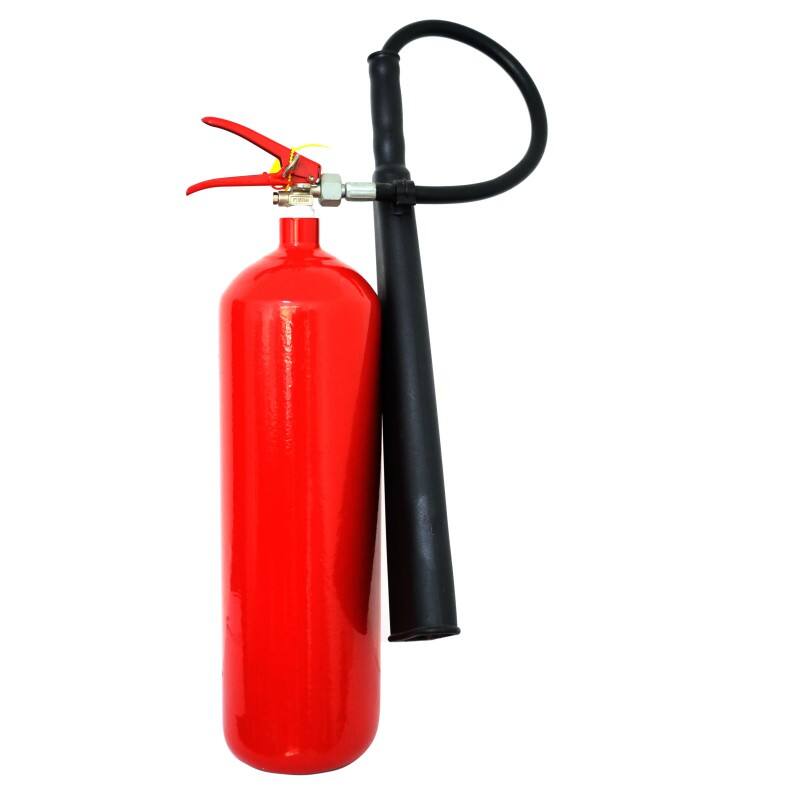
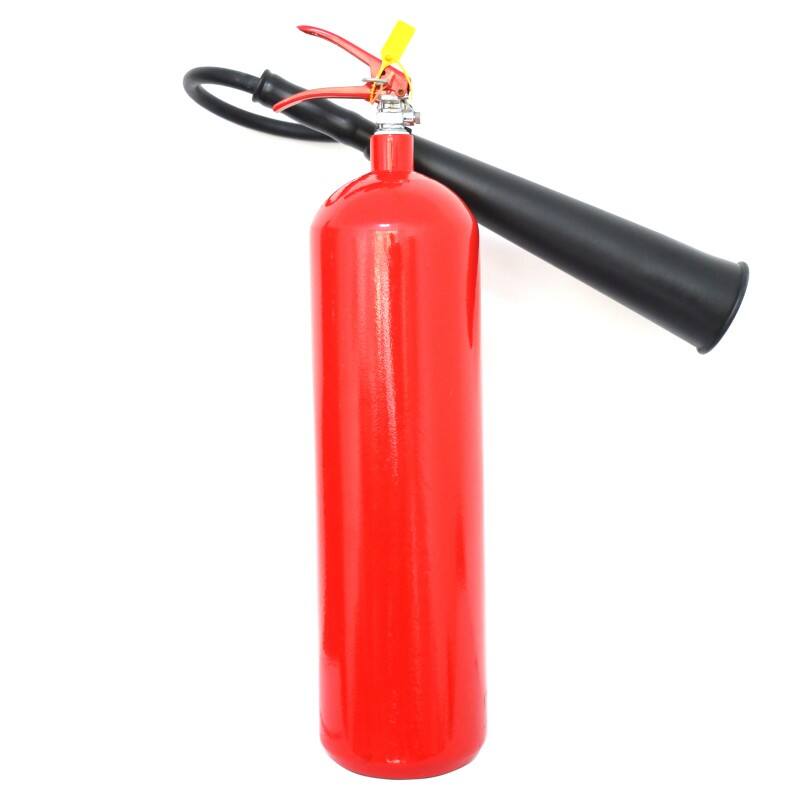
A firefighting nozzle serves as the critical terminal component of any fire suppression system, transforming high-pressure water flow into precisely controlled spray patterns for maximum firefighting effectiveness. This essential equipment represents the final point where water or fire suppressant materials meet the flames, making its design and functionality paramount to successful fire suppression operations. Modern firefighting nozzles incorporate advanced engineering principles to deliver optimal performance across diverse emergency scenarios. The primary functions of a firefighting nozzle include flow rate control, spray pattern adjustment, and pressure regulation. These devices allow firefighters to modify water delivery from narrow, high-pressure streams capable of penetrating deep-seated fires to wide fog patterns that provide cooling and vapor suppression. The technological features embedded within contemporary firefighting nozzles demonstrate remarkable innovation in materials science and fluid dynamics. Advanced nozzles utilize corrosion-resistant alloys, ergonomic grip designs, and precision-machined internal components that ensure consistent performance under extreme conditions. Many models incorporate automatic pressure compensation systems that maintain steady flow rates regardless of supply pressure variations. The applications for firefighting nozzles span multiple sectors including municipal fire departments, industrial facilities, marine vessels, and aviation rescue services. Structural firefighting requires nozzles capable of delivering sustained water flows while maintaining maneuverability in confined spaces. Industrial applications demand specialized nozzles designed for chemical fires, high-temperature environments, or explosive atmospheres. Wildland firefighting utilizes nozzles optimized for long-range water delivery and foam application across vast outdoor areas. Maritime firefighting applications require nozzles constructed from marine-grade materials resistant to saltwater corrosion while providing reliable operation in harsh oceanic conditions. The versatility of modern firefighting nozzles makes them indispensable tools for professional firefighters and emergency responders worldwide.

New Product Releases

Firefighting nozzles provide numerous practical benefits that directly impact emergency response effectiveness and firefighter safety during critical operations. The primary advantage lies in their ability to control water flow with precision, allowing responders to adjust stream patterns instantly based on fire conditions and tactical requirements. This adaptability proves invaluable when transitioning between different fire scenarios within the same incident. Enhanced safety represents another significant benefit, as quality firefighting nozzles feature ergonomic designs that reduce hand fatigue during extended operations. Anti-slip grips and balanced weight distribution enable firefighters to maintain secure control even when wearing protective gloves in wet conditions. The reduced physical strain translates to improved performance and decreased risk of equipment-related injuries. Water conservation stands as a crucial advantage in areas where water supply may be limited or when protecting property from excessive water damage. Modern firefighting nozzles allow operators to deliver precise amounts of water exactly where needed, minimizing waste while maximizing suppression effectiveness. This efficiency proves particularly valuable in high-rise buildings where water supply pressure may be compromised or in rural areas with limited water resources. Durability and reliability constitute essential advantages for emergency equipment that must perform flawlessly under extreme conditions. Quality firefighting nozzles undergo rigorous testing to ensure they function correctly after exposure to high temperatures, corrosive chemicals, and physical impacts. This dependability provides peace of mind for firefighters who rely on their equipment during life-threatening situations. Versatility offers another practical benefit, as modern firefighting nozzles accommodate multiple suppressant types including water, foam concentrates, and specialized chemical agents. This flexibility allows fire departments to address various fire classes using the same basic equipment, reducing inventory costs and simplifying training requirements. Quick-connect fittings and universal threading standards ensure compatibility across different hose systems and departments. Cost effectiveness emerges as a long-term advantage, as durable firefighting nozzles require minimal maintenance while providing years of reliable service. The initial investment pays dividends through reduced replacement costs and improved operational efficiency during emergency responses.

Practical Tips

The Ultimate Guide to Choosing the Right Fire Extinguisher for Your Home

02

Dec

The Ultimate Guide to Choosing the Right Fire Extinguisher for Your Home

Home fire safety is a critical concern that every homeowner must address proactively. A fire extinguisher serves as your first line of defense against small fires before they escalate into catastrophic events. Understanding the different types of fir...
View More
Fire Extinguisher Valve: How It Works and Why It's Crucial

10

Dec

Fire Extinguisher Valve: How It Works and Why It's Crucial

Fire extinguisher systems represent one of the most critical safety components in any building or industrial facility. At the heart of every fire extinguisher lies a sophisticated valve mechanism that controls the flow of suppressant materials during...
View More
When to Use a Fire Blanket vs. a Fire Extinguisher: A Clear Guide

19

Dec

When to Use a Fire Blanket vs. a Fire Extinguisher: A Clear Guide

When faced with a fire emergency, having the right suppression tool can mean the difference between a minor incident and a catastrophic event. Two of the most common fire safety devices found in homes, kitchens, and workplaces are fire blankets and f...
View More
How to Read a Fire Extinguisher Pressure Gauge (With Pictures)

22

Dec

How to Read a Fire Extinguisher Pressure Gauge (With Pictures)

Understanding how to properly read a fire extinguisher pressure gauge is essential for maintaining fire safety equipment and ensuring optimal performance during emergencies. A pressure gauge serves as the primary indicator of whether your fire exting...
View More

Get a Free Quote

Our representative will contact you soon.
Email
Name
Company Name
Mobile/WhatsApp
Message
0/1000

firefighting nozzle

Advanced Flow Control Technology for Maximum Firefighting Efficiency

Advanced Flow Control Technology for Maximum Firefighting Efficiency

Modern firefighting nozzles incorporate sophisticated flow control mechanisms that revolutionize water delivery precision and operational effectiveness during emergency responses. These advanced systems utilize internal ball valves, precise orifice designs, and pressure compensation chambers to maintain consistent flow rates across varying supply pressures. The technology allows firefighters to adjust flow patterns seamlessly from straight streams exceeding 200 gallons per minute to wide fog patterns covering extensive areas with minimal water volume. This capability proves essential when dealing with complex fire scenarios requiring rapid tactical changes. The engineering behind advanced flow control involves computational fluid dynamics modeling to optimize internal water pathways, reducing turbulence and energy loss while maximizing stream coherence and reach. Pressure-compensated designs automatically adjust internal mechanisms to maintain desired flow characteristics regardless of supply line pressure fluctuations common during extended firefighting operations. This consistency ensures predictable performance that firefighters can rely upon during critical moments. The practical benefits extend beyond basic water delivery, as advanced flow control technology enables precise foam proportioning when using compressed air foam systems or foam concentrate injection systems. The controlled mixing ratios ensure optimal foam quality for enhanced fire suppression and vapor suppression capabilities. Additionally, these systems accommodate various nozzle tips and accessories, allowing customization for specific applications such as high-rise firefighting, aircraft rescue, or hazardous material incidents. Training benefits emerge from consistent nozzle performance, as firefighters develop muscle memory and tactical confidence knowing their equipment will respond predictably. This reliability reduces cognitive load during high-stress situations, allowing responders to focus on tactical decisions rather than equipment operation. The technology also incorporates safety features such as automatic shut-off mechanisms and pressure relief systems that protect both equipment and operators from dangerous pressure surges or equipment failures.
Ergonomic Design Excellence for Enhanced Firefighter Safety and Performance

Ergonomic Design Excellence for Enhanced Firefighter Safety and Performance

The ergonomic design of modern firefighting nozzles represents a critical advancement in firefighter safety and operational effectiveness, incorporating human factors engineering principles to reduce fatigue and improve control during extended emergency operations. These design improvements address the physical demands placed on firefighters who must maintain precise control while wearing heavy protective equipment in challenging environments. The grip geometry utilizes scientific analysis of hand anthropometry to accommodate various glove sizes and hand positions, ensuring secure control regardless of individual physical characteristics or equipment variations. Anti-slip texturing and strategic placement of grip surfaces provide reliable purchase even when wet or contaminated with foam or other suppressants. The balanced weight distribution prevents hand and wrist strain during prolonged operations, utilizing lightweight yet durable materials strategically positioned to minimize lever arm effects that cause fatigue. Advanced ergonomic features include ambidextrous controls that allow operation with either hand, accommodating tactical positioning requirements and providing backup capability if one hand becomes injured or incapacitated. Trigger mechanisms incorporate variable pressure activation, allowing fine control over water flow while preventing accidental activation during equipment handling or positioning. The trigger design also features safety locks and positive shut-off mechanisms that ensure secure operation and prevent unintended water discharge. Comfort enhancements such as contoured handles and cushioned grip areas reduce pressure points that can cause discomfort during extended use. These features become particularly important during wildland firefighting operations or large structural fires requiring hours of continuous nozzle operation. The ergonomic design extends to visual elements, with clearly marked controls and intuitive adjustment mechanisms that remain easily identifiable through smoke or in low-light conditions. Color-coded components and tactile indicators allow blind operation when visibility is compromised, ensuring firefighters can adjust settings without removing attention from fire conditions. Maintenance accessibility represents another ergonomic consideration, with user-serviceable components designed for easy field maintenance and cleaning without specialized tools or extensive disassembly procedures.
Multi-Application Versatility for Comprehensive Fire Suppression Solutions

Multi-Application Versatility for Comprehensive Fire Suppression Solutions

The multi-application versatility of contemporary firefighting nozzles provides comprehensive solutions for diverse emergency scenarios, eliminating the need for multiple specialized tools while enhancing operational flexibility across various fire suppression challenges. This adaptability stems from modular design concepts that allow rapid reconfiguration for different tactical requirements without compromising performance or reliability. The versatility encompasses compatibility with multiple suppressant types including plain water, foam concentrates, Class A foam systems, compressed air foam, and specialized chemical agents used for specific hazard materials. Universal threading and quick-connect systems ensure seamless integration with existing department equipment and mutual aid resources, reducing compatibility concerns during multi-agency responses. The pattern adjustment capabilities range from penetrating straight streams effective for deep-seated fires and overhaul operations to protective fog patterns ideal for defensive operations and personnel protection. Intermediate settings provide combination patterns that balance penetration and coverage for transitional attack strategies. Flow rate versatility accommodates various tactical needs, from low-flow applications suitable for interior operations with limited water supply to high-volume defensive operations requiring maximum water delivery rates. This range eliminates the need to carry multiple nozzles for different scenarios, reducing equipment weight and complexity during emergency responses. The construction materials and sealing systems enable operation across extreme temperature ranges, from sub-zero wildland conditions to high-temperature industrial environments exceeding normal structural fire temperatures. Chemical compatibility extends to corrosive environments and specialized suppressants used in aircraft rescue, marine firefighting, and hazardous material incidents. Training standardization benefits emerge from versatile equipment that performs consistently across different applications, allowing firefighters to develop expertise with familiar tools rather than learning multiple specialized systems. This standardization reduces training costs and improves operational safety through increased equipment familiarity. The economic advantages include reduced inventory requirements, simplified maintenance procedures, and improved resource allocation efficiency for fire departments operating under budget constraints. Departments can invest in higher-quality versatile equipment rather than multiple specialized tools, improving overall capability while controlling costs.

Get a Free Quote

Our representative will contact you soon.
Email
Name
Company Name
Mobile/WhatsApp
Message
0/1000
email goToTop