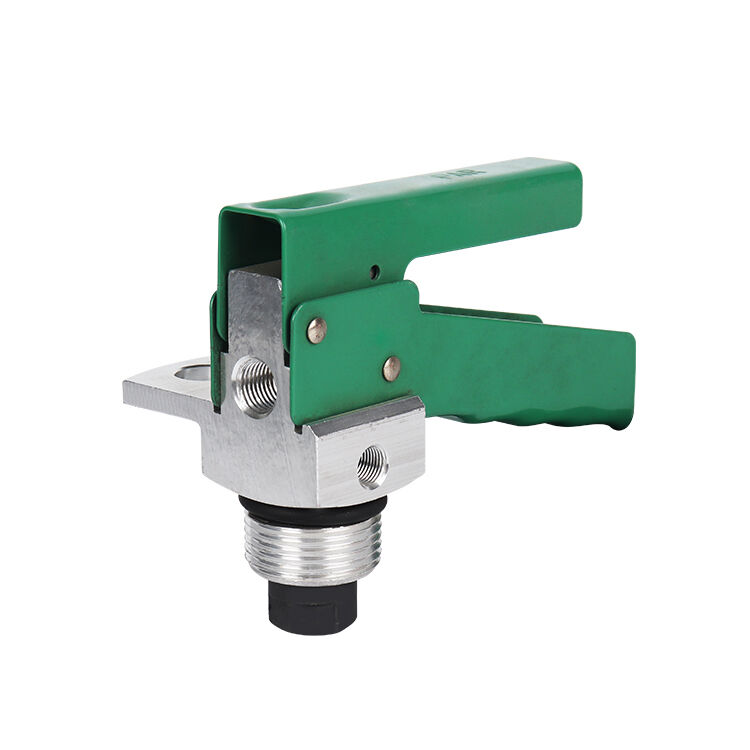
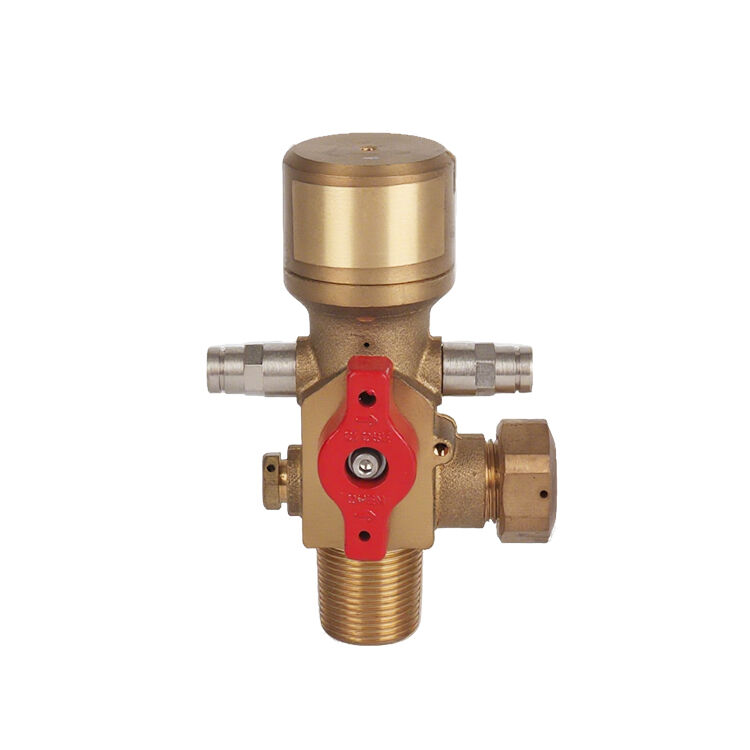
high temperature valve
A high temperature valve represents a critical engineering solution designed to control fluid flow in extreme thermal environments where standard valves would fail. These specialized components operate effectively in temperatures ranging from 450°F to 2000°F (232°C to 1093°C), making them essential for industrial processes that demand reliable performance under intense heat conditions. The primary function of a high temperature valve involves regulating, stopping, or directing the flow of liquids, gases, or steam within high-temperature systems while maintaining structural integrity and operational efficiency. These valves incorporate advanced materials such as stainless steel alloys, Inconel, Hastelloy, and ceramic composites that resist thermal expansion, corrosion, and mechanical stress at elevated temperatures. The technological features include specialized sealing mechanisms, heat-resistant gaskets, and thermal barrier coatings that prevent performance degradation. High temperature valve applications span across petrochemical refineries, power generation facilities, steel manufacturing plants, glass production units, and aerospace propulsion systems. In petrochemical industries, these valves manage superheated steam, hot oils, and process gases that reach extreme temperatures during refining operations. Power plants utilize high temperature valves in boiler systems, turbine applications, and heat exchangers where steam temperatures exceed 1000°F. Steel mills depend on these valves for controlling molten metal flow and managing furnace atmospheres. The aerospace sector employs high temperature valves in rocket engines and jet propulsion systems where temperatures can reach several thousand degrees. These valves feature robust construction with reinforced bodies, extended stems to minimize heat transfer, and specialized actuators designed for high-temperature environments. The engineering design focuses on thermal expansion compensation, pressure retention capabilities, and long-term reliability under continuous high-temperature exposure, ensuring safe and efficient operation across diverse industrial applications.

 EN
EN