ordinary dry chemical extinguisher
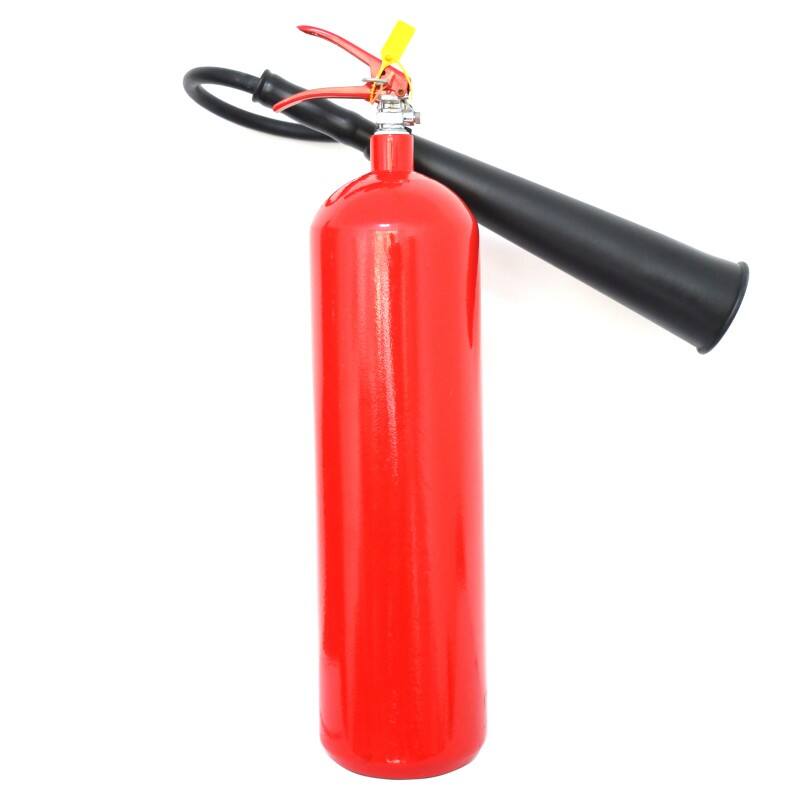
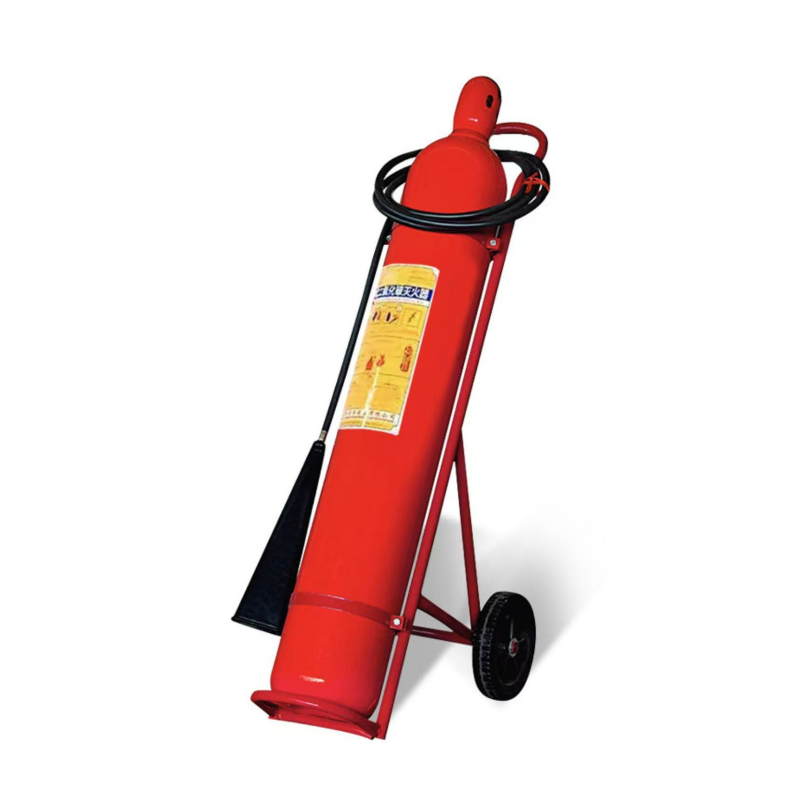
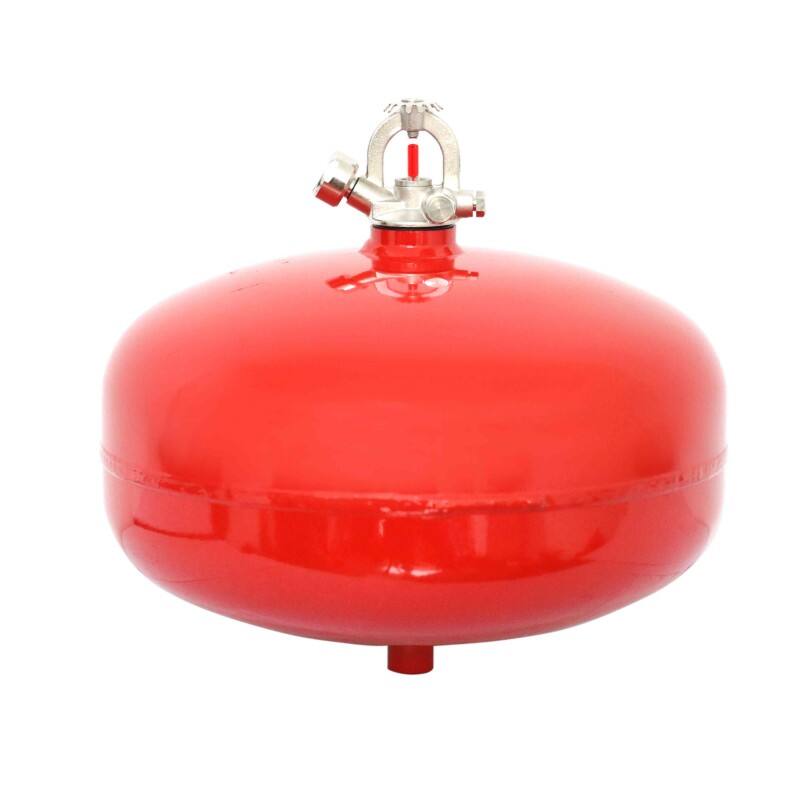
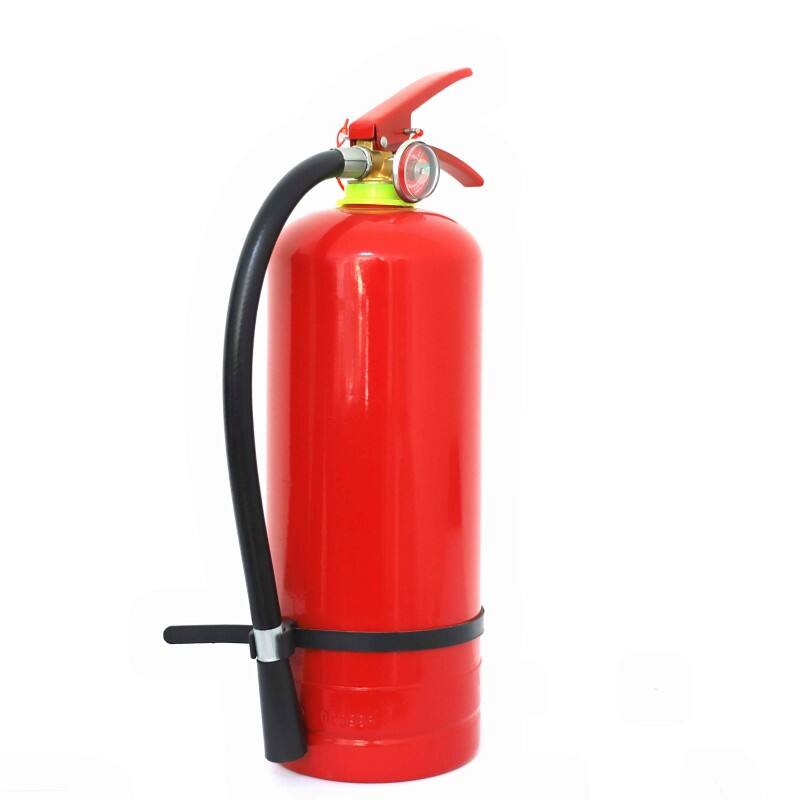
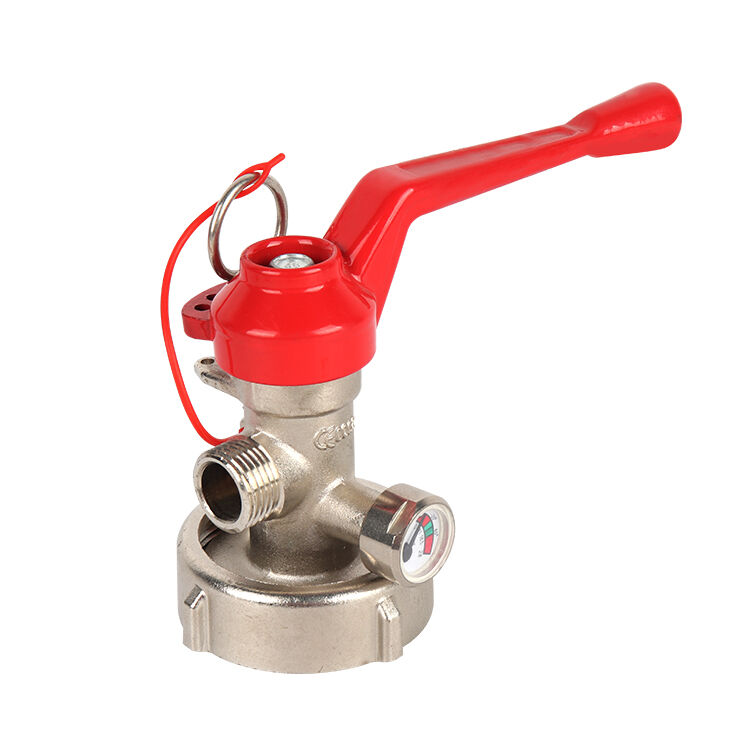
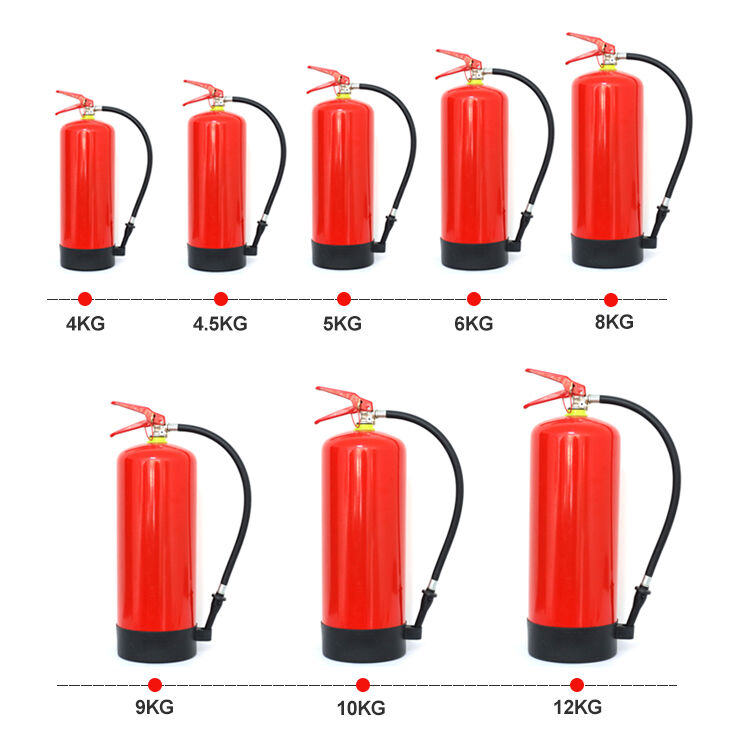
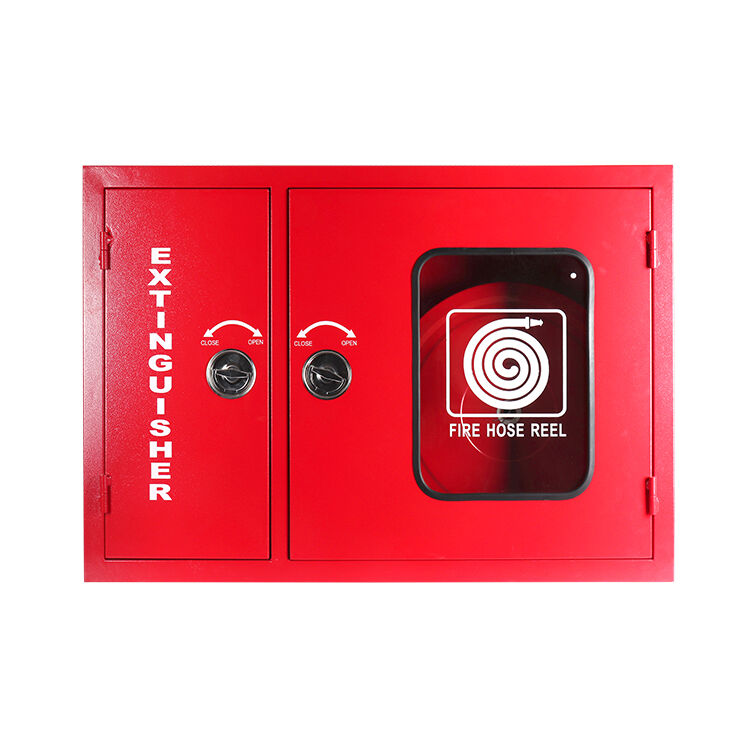
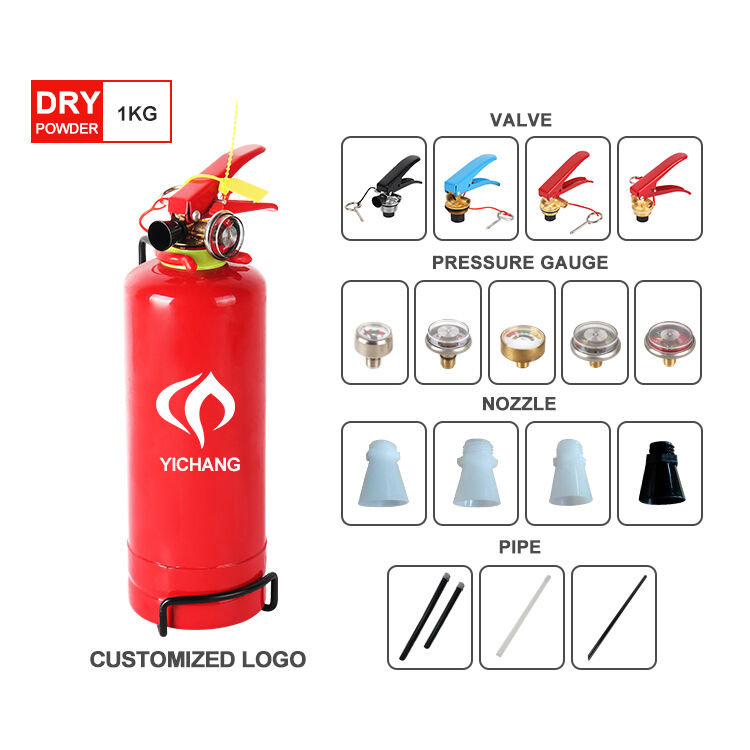
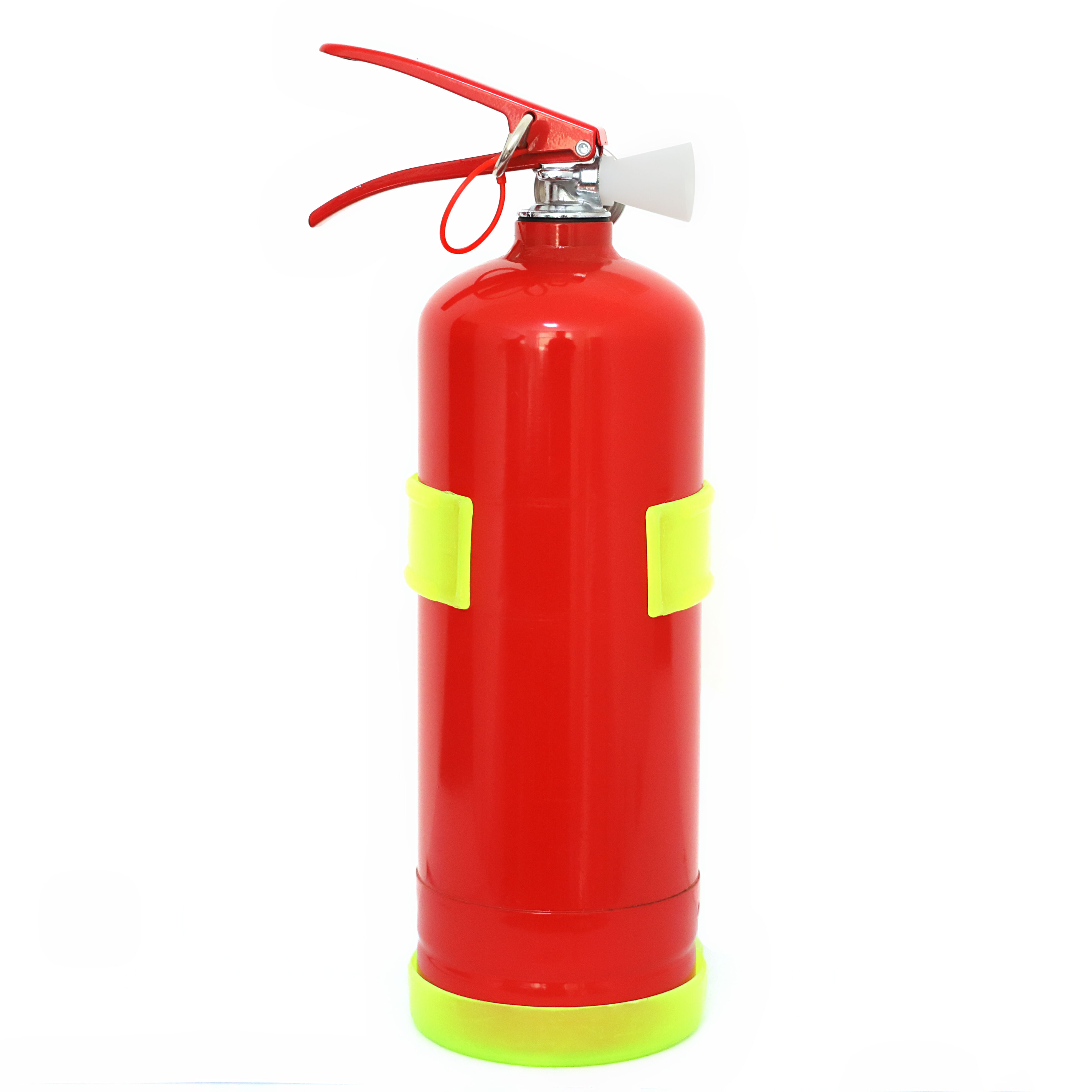
The ordinary dry chemical extinguisher represents a fundamental fire suppression device designed to combat Class A, B, and C fires effectively. This versatile firefighting tool utilizes monoammonium phosphate as its primary extinguishing agent, providing comprehensive protection against ordinary combustibles, flammable liquids, and electrical fires. The ordinary dry chemical extinguisher operates through a pressurized system that propels fine powder particles onto burning materials, creating a barrier that interrupts the chemical chain reaction of combustion. The technological foundation of this ordinary dry chemical extinguisher relies on stored pressure mechanisms, where nitrogen gas maintains internal pressure for immediate deployment when activated. Modern ordinary dry chemical extinguisher units feature durable steel cylinders with corrosion-resistant coatings, ensuring longevity in various environmental conditions. The discharge mechanism incorporates a squeeze-grip handle connected to a siphon tube system, allowing users to direct the extinguishing agent precisely toward fire sources. Temperature gauges and pressure indicators provide visual confirmation of operational readiness, while safety pins prevent accidental activation during storage and transportation. The ordinary dry chemical extinguisher typically contains between two to twenty pounds of extinguishing agent, with larger units serving industrial applications and smaller versions suited for residential and automotive use. These devices undergo rigorous testing to meet national fire protection standards, ensuring reliable performance during emergency situations. The ordinary dry chemical extinguisher requires minimal maintenance, involving annual professional inspections and occasional recharging to maintain optimal functionality. Installation flexibility allows mounting on walls, vehicles, or portable stands, making the ordinary dry chemical extinguisher adaptable to diverse fire protection requirements across commercial, industrial, and residential settings.

 EN
EN