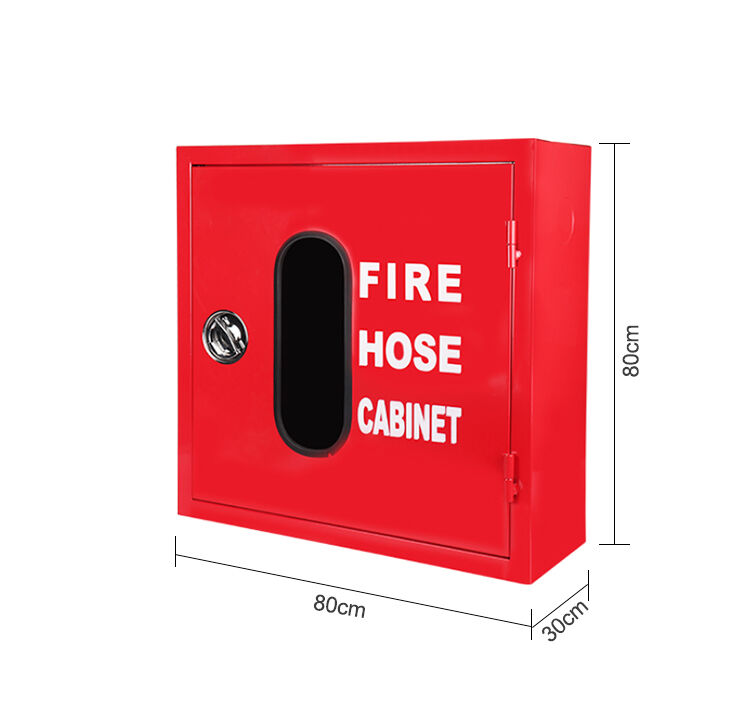
parking garage fire cabinet
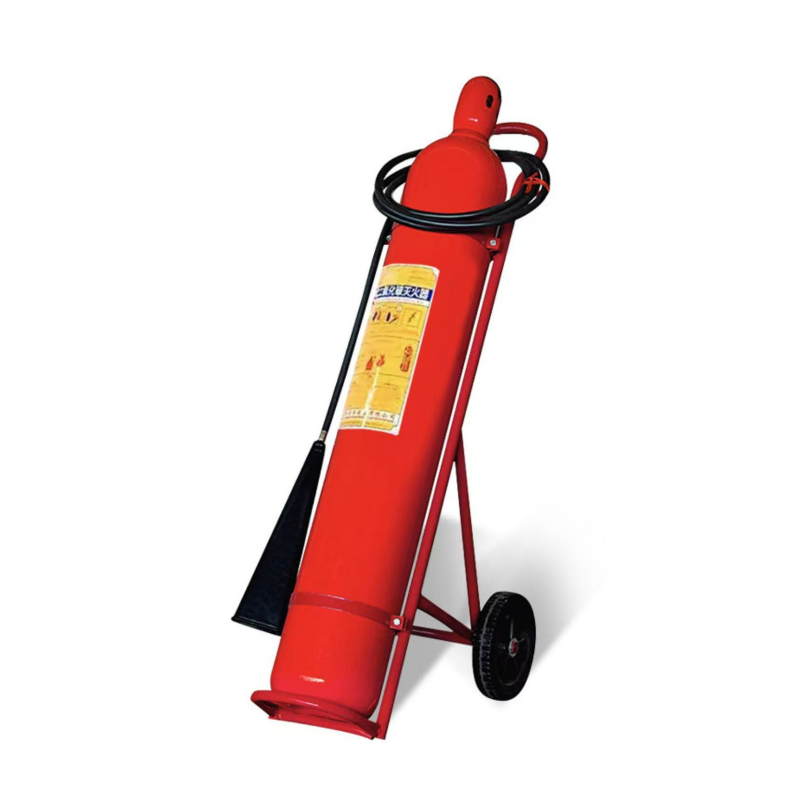
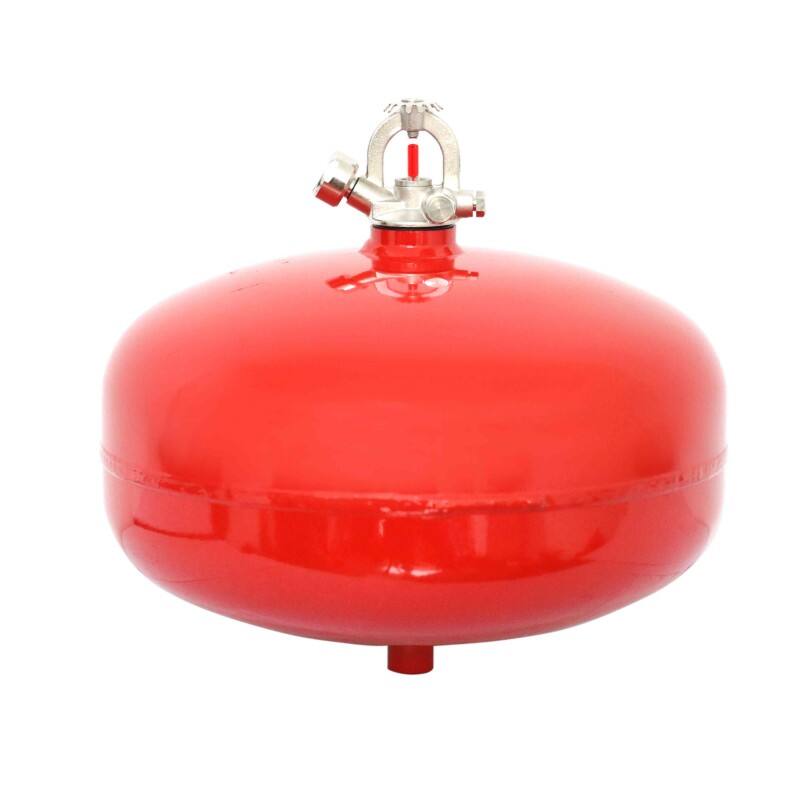
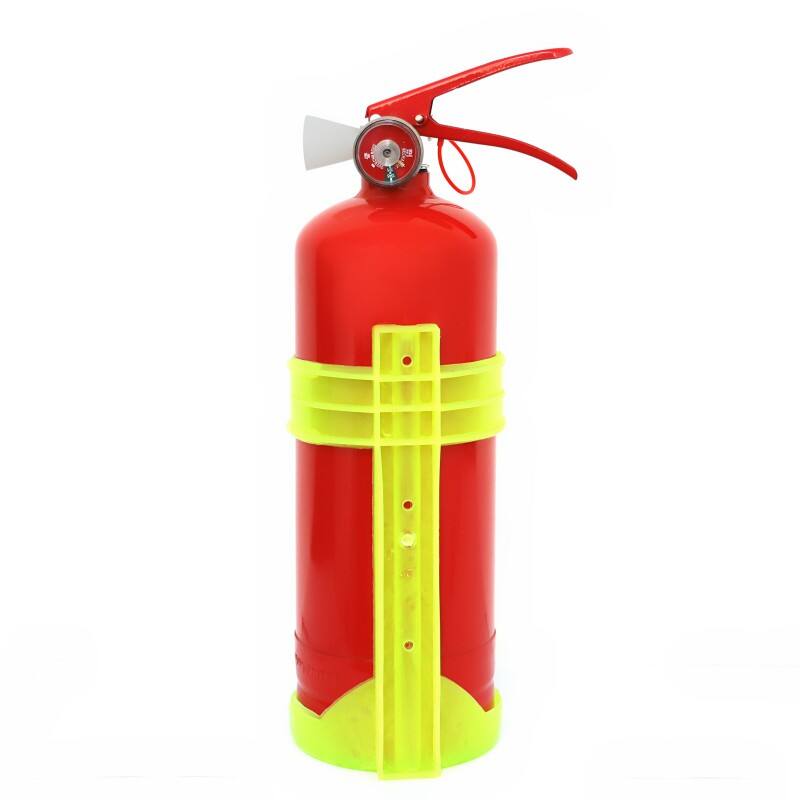
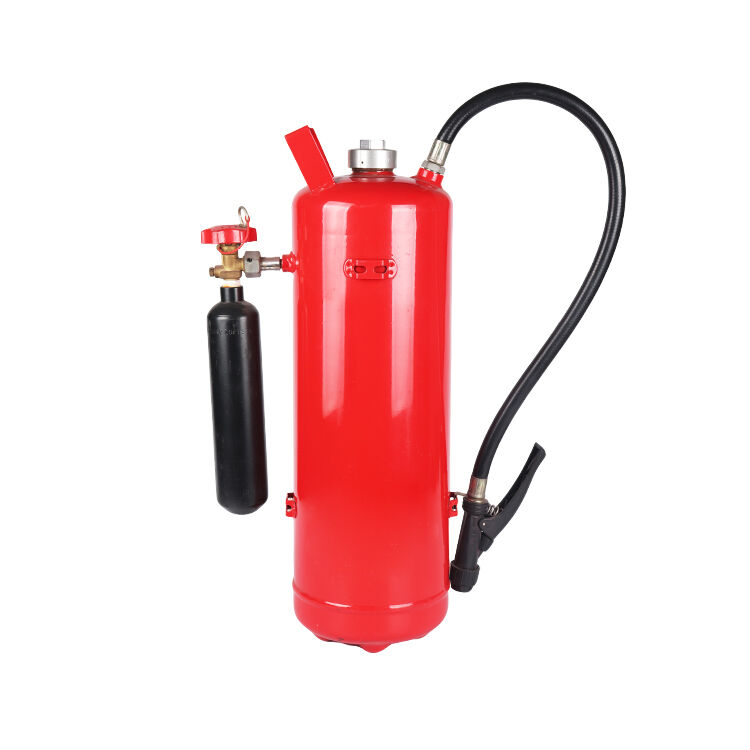
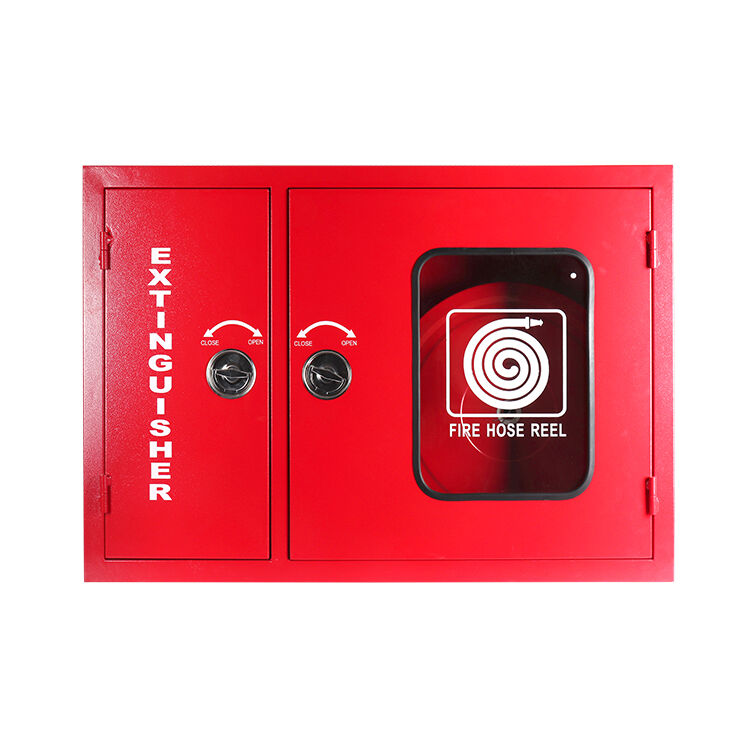
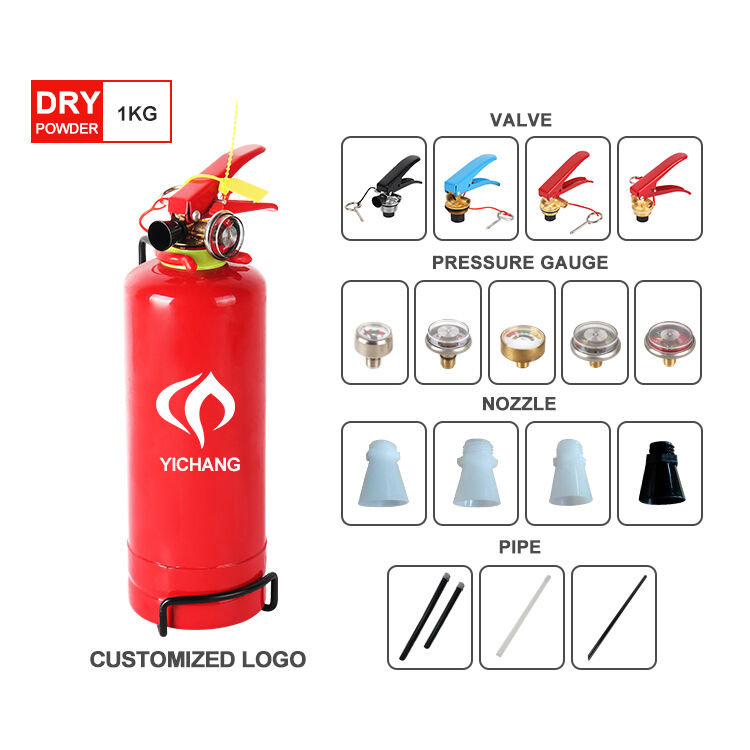
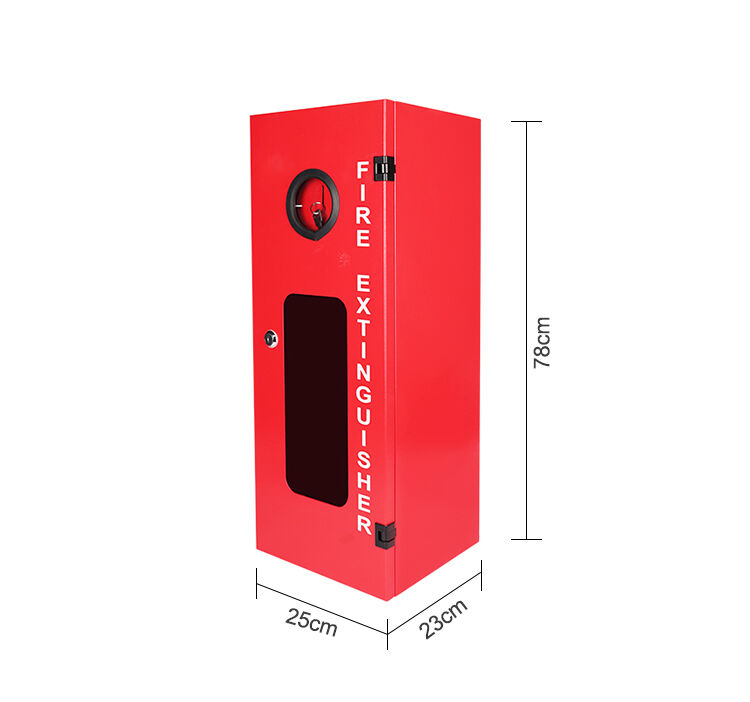
A parking garage fire cabinet represents a critical safety infrastructure component specifically designed to address the unique fire suppression challenges found in enclosed vehicular storage environments. These specialized emergency response units serve as centralized command centers that house essential firefighting equipment, detection systems, and control mechanisms tailored to combat vehicle fires and potential hazardous material incidents within parking structures. The parking garage fire cabinet integrates multiple safety technologies into a single, accessible unit that enables rapid emergency response while maintaining compliance with stringent building codes and safety regulations. Modern parking garage fire cabinet systems incorporate advanced detection capabilities including thermal imaging sensors, smoke detection arrays, and gas leak monitoring systems that can identify potential fire hazards before they escalate into major incidents. The cabinet typically contains professional-grade fire suppression equipment such as foam dispensing systems, dry chemical extinguishers, and specialized suppression agents designed to handle Class B flammable liquid fires commonly associated with vehicle fuel systems. Additionally, these units feature emergency communication systems that automatically alert fire departments and building management personnel when activated. The parking garage fire cabinet also includes backup power systems ensuring continuous operation during electrical outages, LED emergency lighting for visibility during evacuation procedures, and weatherproof construction to withstand the harsh environmental conditions typically found in parking structures. Installation flexibility allows these cabinets to be mounted at strategic locations throughout multi-level parking facilities, providing comprehensive coverage and ensuring compliance with local fire codes. The sophisticated control panels within each parking garage fire cabinet enable facility managers to monitor system status remotely, conduct routine maintenance checks, and receive real-time alerts about potential safety concerns, making them indispensable components of modern parking infrastructure safety systems.

 EN
EN