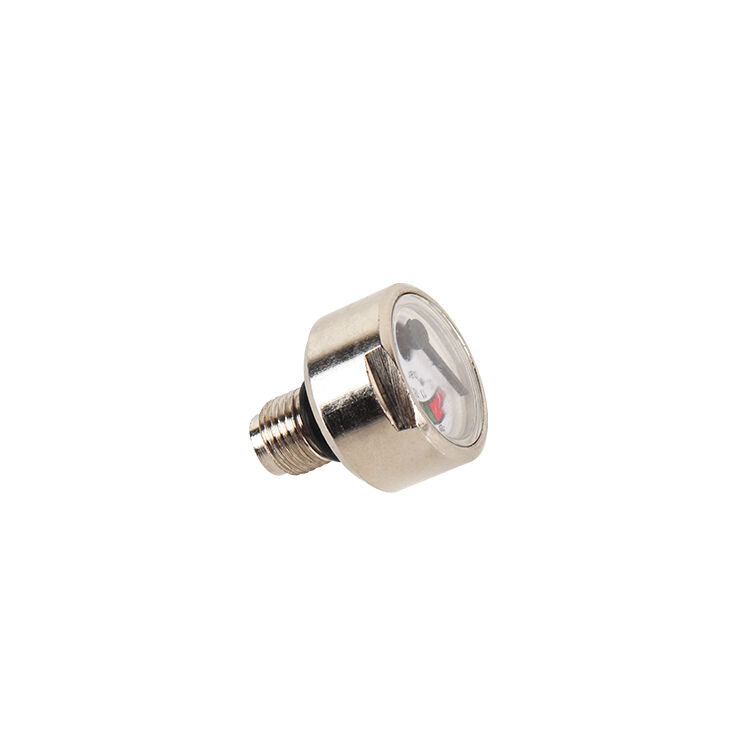
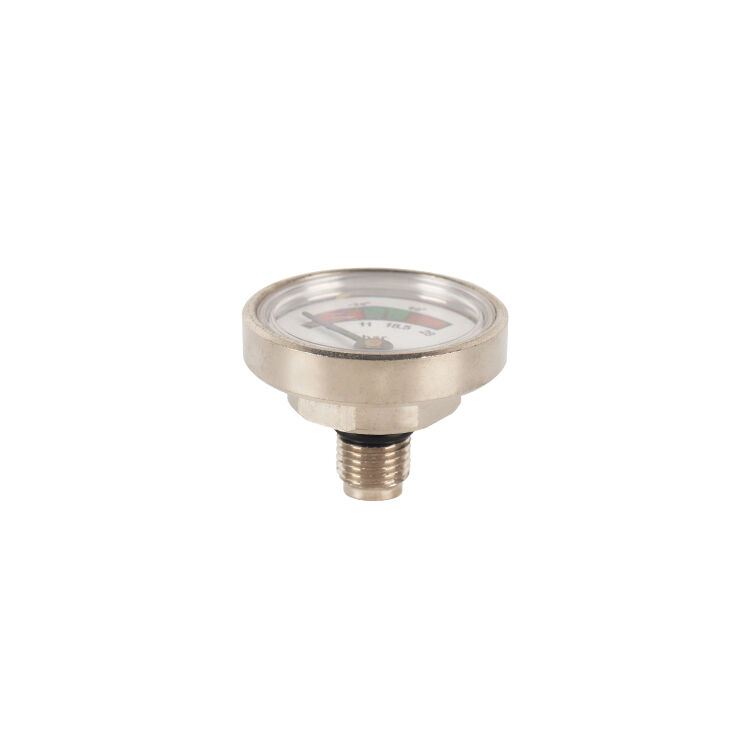
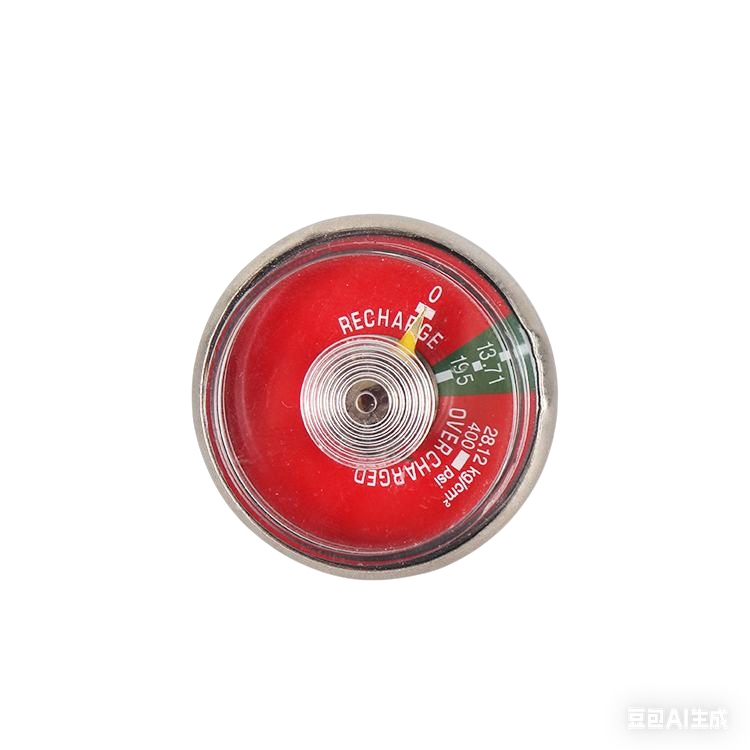
Spring Pressure Gauge: Reliable Mechanical Pressure Measurement Solutions for Industrial Applications

Download Catalogue
All Categories

Get a Free Quote

Our representative will contact you soon.
Email
Name
Company Name
Mobile/WhatsApp
Message
0/1000

spring pressure gauge

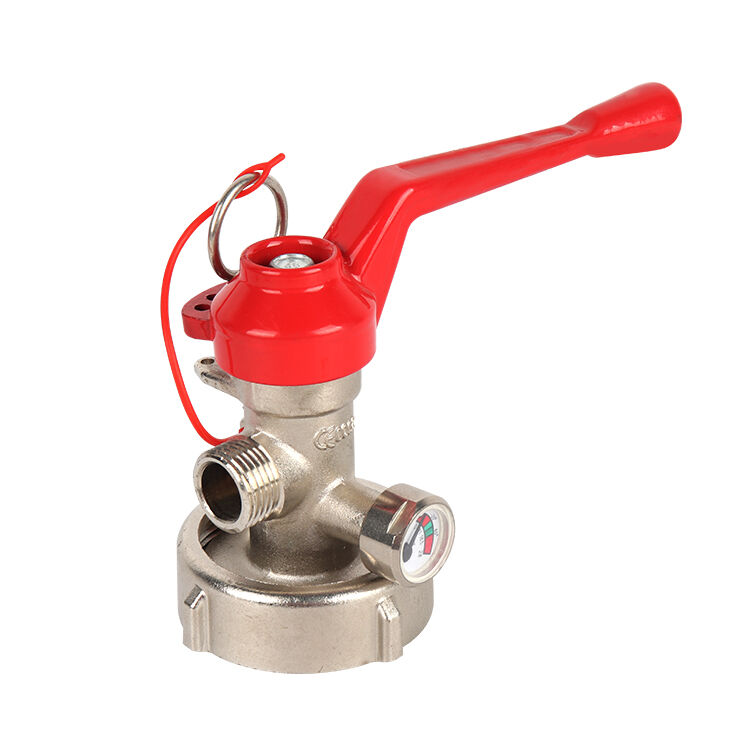
A spring pressure gauge represents one of the most fundamental and reliable instruments for measuring fluid pressure across industrial, commercial, and residential applications. This mechanical device operates through a sophisticated spring mechanism that converts pressure readings into visual measurements displayed on a calibrated dial face. The spring pressure gauge functions by utilizing a curved metallic tube, typically made from materials such as brass, bronze, or stainless steel, which responds to pressure changes by expanding or contracting in a predictable manner. When pressurized fluid enters the gauge connection, the internal spring element moves proportionally to the applied pressure, driving a mechanical linkage system that rotates the pointer across the measurement scale. The technological foundation of the spring pressure gauge relies on established mechanical principles that have proven their effectiveness over decades of industrial use. Modern spring pressure gauge designs incorporate advanced materials and precision manufacturing techniques to enhance accuracy, durability, and resistance to environmental factors. These instruments feature robust construction with corrosion-resistant components, temperature-compensated mechanisms, and vibration-damping systems that ensure consistent performance under demanding operating conditions. The measurement range capabilities of spring pressure gauges span from low-pressure applications measuring fractions of a PSI to high-pressure systems exceeding thousands of PSI. Applications for spring pressure gauge technology extend across numerous industries including oil and gas processing, chemical manufacturing, water treatment facilities, HVAC systems, automotive testing, aerospace engineering, and pharmaceutical production. These versatile instruments serve critical roles in process monitoring, safety system protection, quality control procedures, and operational efficiency optimization. The spring pressure gauge design accommodates various connection types, mounting configurations, and environmental requirements, making it adaptable to diverse installation scenarios while maintaining measurement integrity and long-term reliability.

New Product Releases

Spring pressure gauge technology offers significant cost benefits that make it an attractive choice for businesses seeking reliable pressure measurement solutions without excessive capital investment. These instruments require minimal initial purchase costs compared to electronic alternatives while delivering comparable accuracy for most industrial applications. The mechanical nature of spring pressure gauge operation eliminates the need for external power sources, reducing ongoing operational expenses and simplifying installation requirements in remote locations or hazardous environments. Maintenance costs remain exceptionally low due to the robust mechanical design that resists wear and continues functioning reliably for extended periods without requiring frequent calibration or component replacement. The spring pressure gauge delivers outstanding durability that withstands harsh industrial environments including extreme temperatures, vibration, shock, and corrosive atmospheres that would damage sensitive electronic instruments. This exceptional resilience translates directly into reduced downtime, lower replacement costs, and improved operational continuity for critical processes. Users benefit from immediate visual pressure readings that require no interpretation or digital conversion, enabling quick decision-making during routine operations or emergency situations. The large, clear dial faces provide excellent readability from various angles and distances, supporting efficient monitoring by operators working in challenging conditions or wearing protective equipment. Installation flexibility represents another major advantage, as spring pressure gauge units accommodate numerous mounting positions including vertical, horizontal, or angled orientations without affecting measurement accuracy. The standard threaded connections integrate seamlessly with existing piping systems, while various thread sizes and types ensure compatibility with international standards and legacy equipment. Response characteristics of spring pressure gauge mechanisms provide rapid pressure indication that helps operators detect system changes quickly and implement corrective actions before problems escalate. The mechanical operation continues functioning reliably during power outages or electrical system failures, ensuring continuous pressure monitoring for critical safety applications. Temperature stability across wide operating ranges maintains measurement accuracy in environments where electronic gauges might drift or fail completely. The spring pressure gauge technology proves particularly valuable in applications requiring intrinsically safe operation where electronic devices could present ignition risks in explosive atmospheres.

Latest News

The Ultimate Guide to Choosing the Right Fire Extinguisher for Your Home

02

Dec

The Ultimate Guide to Choosing the Right Fire Extinguisher for Your Home

Home fire safety is a critical concern that every homeowner must address proactively. A fire extinguisher serves as your first line of defense against small fires before they escalate into catastrophic events. Understanding the different types of fir...
View More
Dry Powder Fire Extinguisher: A Complete Guide to Uses and Limitations

16

Dec

Dry Powder Fire Extinguisher: A Complete Guide to Uses and Limitations

Fire safety remains a critical concern across industrial, commercial, and residential environments worldwide. Among the various firefighting solutions available today, the dry powder extinguisher stands out as one of the most versatile and widely dep...
View More
When to Use a Fire Blanket vs. a Fire Extinguisher: A Clear Guide

19

Dec

When to Use a Fire Blanket vs. a Fire Extinguisher: A Clear Guide

When faced with a fire emergency, having the right suppression tool can mean the difference between a minor incident and a catastrophic event. Two of the most common fire safety devices found in homes, kitchens, and workplaces are fire blankets and f...
View More
How to Read a Fire Extinguisher Pressure Gauge (With Pictures)

22

Dec

How to Read a Fire Extinguisher Pressure Gauge (With Pictures)

Understanding how to properly read a fire extinguisher pressure gauge is essential for maintaining fire safety equipment and ensuring optimal performance during emergencies. A pressure gauge serves as the primary indicator of whether your fire exting...
View More

Get a Free Quote

Our representative will contact you soon.
Email
Name
Company Name
Mobile/WhatsApp
Message
0/1000

spring pressure gauge

Unmatched Reliability and Mechanical Precision

Unmatched Reliability and Mechanical Precision

The spring pressure gauge achieves exceptional reliability through its purely mechanical operation that eliminates dependencies on electrical power, complex electronics, or digital processing systems that can fail unexpectedly. This mechanical foundation ensures continuous operation during power outages, electrical storms, or system maintenance procedures that would disable electronic alternatives. The internal spring mechanism utilizes precision-engineered metallic components manufactured to exacting tolerances that maintain consistent performance characteristics over millions of operational cycles. Advanced metallurgy techniques create spring elements that resist fatigue, corrosion, and temperature-induced dimensional changes that could compromise measurement accuracy. The mechanical linkage system converts spring deflection into pointer movement through carefully calibrated gear ratios that amplify small spring movements into clearly visible dial indications. This amplification system incorporates jeweled bearings and precision pivots that minimize friction and wear while ensuring smooth, accurate pointer movement across the entire measurement range. Quality spring pressure gauge designs feature overload protection mechanisms that prevent damage during pressure spikes or system transients that exceed normal operating parameters. These protective features include pressure relief elements and mechanical stops that limit spring deflection to safe levels while maintaining calibration integrity. The robust construction withstands industrial environments including chemical exposure, temperature cycling, vibration, and mechanical shock that would damage sensitive electronic instruments. Stainless steel cases provide corrosion resistance in marine, chemical processing, and outdoor applications where environmental protection is essential. The mechanical nature of spring pressure gauge operation ensures consistent accuracy across wide temperature ranges without the drift characteristics associated with electronic sensors. This temperature stability proves particularly valuable in applications where ambient conditions vary significantly or where instruments must function reliably in extreme environments. Regular calibration intervals extend beyond those required for electronic gauges due to the inherent stability of mechanical spring systems that maintain their calibration characteristics over extended periods.
Cost-Effective Solution with Long-Term Value

Cost-Effective Solution with Long-Term Value

Spring pressure gauge technology delivers exceptional value through low initial costs combined with minimal ongoing expenses that make it the most economical choice for pressure measurement applications across diverse industries. The manufacturing process utilizes established production techniques and readily available materials that keep purchase prices significantly below electronic alternatives while maintaining comparable accuracy for most industrial requirements. Installation costs remain minimal due to simple mounting procedures that require only basic tools and standard pipe fittings, eliminating the need for specialized electrical connections, conduit installation, or signal wiring that increases electronic gauge installation expenses. The mechanical operation requires no external power supply, eliminating ongoing electrical consumption costs and reducing facility infrastructure requirements for remote monitoring locations. Maintenance expenses stay exceptionally low throughout the instrument lifecycle due to the robust mechanical design that continues functioning reliably without frequent adjustments, component replacements, or calibration procedures. The spring pressure gauge design incorporates easily replaceable components such as pointer assemblies, dial faces, and connection fittings that allow field repair without returning instruments to specialized service facilities. This serviceability extends operational life while minimizing replacement costs and reducing inventory requirements for spare instruments. The long service life typical of quality spring pressure gauge units often exceeds twenty years under normal operating conditions, providing exceptional return on investment compared to electronic alternatives that may require replacement every five to ten years due to component degradation or obsolescence. Total cost of ownership calculations consistently favor spring pressure gauge technology when considering purchase price, installation costs, maintenance expenses, and replacement frequency over extended operational periods. The mechanical design eliminates concerns about software compatibility, firmware updates, or electronic component obsolescence that can render electronic gauges unusable or require expensive upgrades. Insurance and safety compliance costs often decrease when using intrinsically safe mechanical instruments in hazardous locations where electronic devices might require expensive explosion-proof enclosures or specialized certification procedures.
Versatile Applications Across Industries

Versatile Applications Across Industries

The spring pressure gauge demonstrates remarkable versatility through its ability to serve diverse measurement requirements across virtually every industry that utilizes pressurized systems, from heavy manufacturing to precision laboratory applications. Oil and gas operations rely extensively on spring pressure gauge technology for wellhead monitoring, pipeline pressure measurement, refinery process control, and safety system protection where reliable pressure indication is critical for operational safety and environmental protection. Chemical processing facilities utilize these instruments for reactor pressure monitoring, distillation column control, pump discharge measurement, and safety relief system indication where chemical compatibility and explosion-proof operation are essential requirements. Water treatment plants depend on spring pressure gauge units for filter backwash monitoring, pump pressure indication, membrane system control, and distribution network measurement where corrosion resistance and long-term reliability are paramount. HVAC systems incorporate spring pressure gauge technology for refrigeration cycle monitoring, air handler pressure indication, boiler system control, and compressed air measurement where temperature stability and vibration resistance ensure accurate performance. Automotive testing facilities employ these instruments for engine compression measurement, hydraulic system testing, brake pressure verification, and fuel system analysis where rapid response and overload protection are critical for accurate diagnostics. Aerospace applications utilize specialized spring pressure gauge designs for aircraft system monitoring, ground support equipment, test stand measurement, and quality control procedures where precision and reliability are absolutely essential for safety and performance. Food and beverage processing operations integrate spring pressure gauge technology for steam system monitoring, cleaning system pressure control, packaging line measurement, and quality assurance testing where sanitary design and easy cleaning are important considerations. Pharmaceutical manufacturing relies on these instruments for process vessel monitoring, clean room pressure indication, sterilization system control, and validation procedures where accuracy, repeatability, and documentation capabilities are required for regulatory compliance. Marine applications utilize corrosion-resistant spring pressure gauge units for engine room monitoring, hydraulic system indication, ballast tank measurement, and safety system control where saltwater resistance and vibration tolerance are essential for reliable operation in harsh marine environments.


Get a Free Quote

Our representative will contact you soon.
Email
Name
Company Name
Mobile/WhatsApp
Message
0/1000
email goToTop