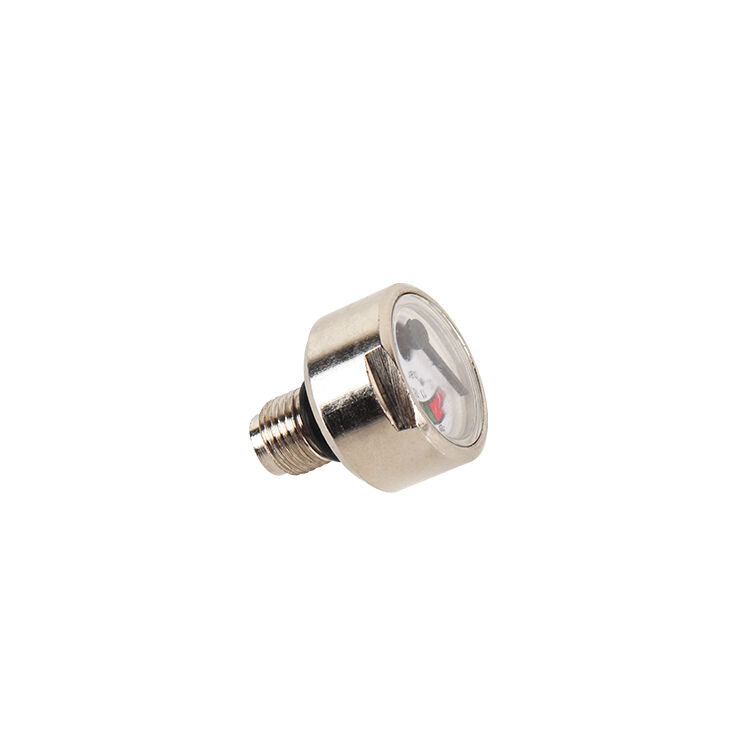
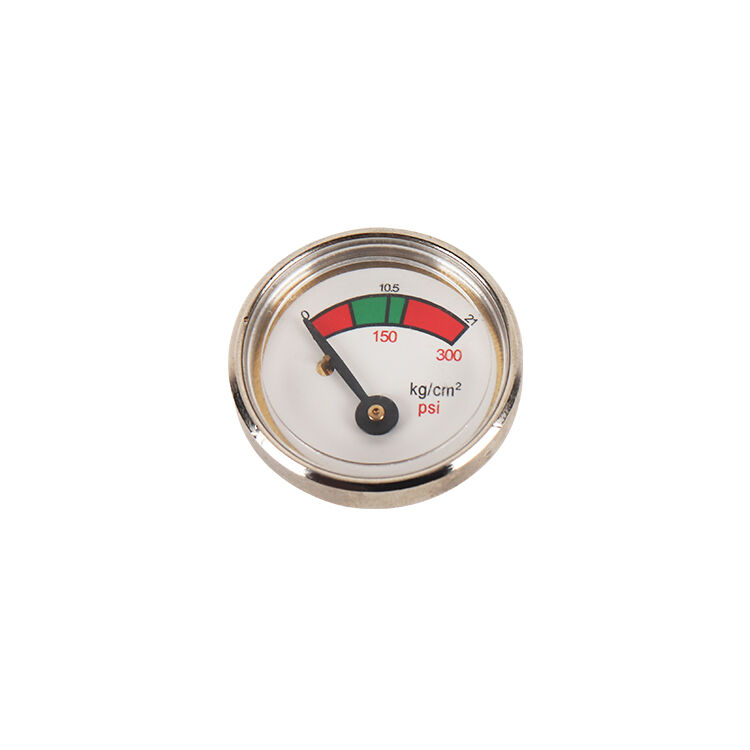
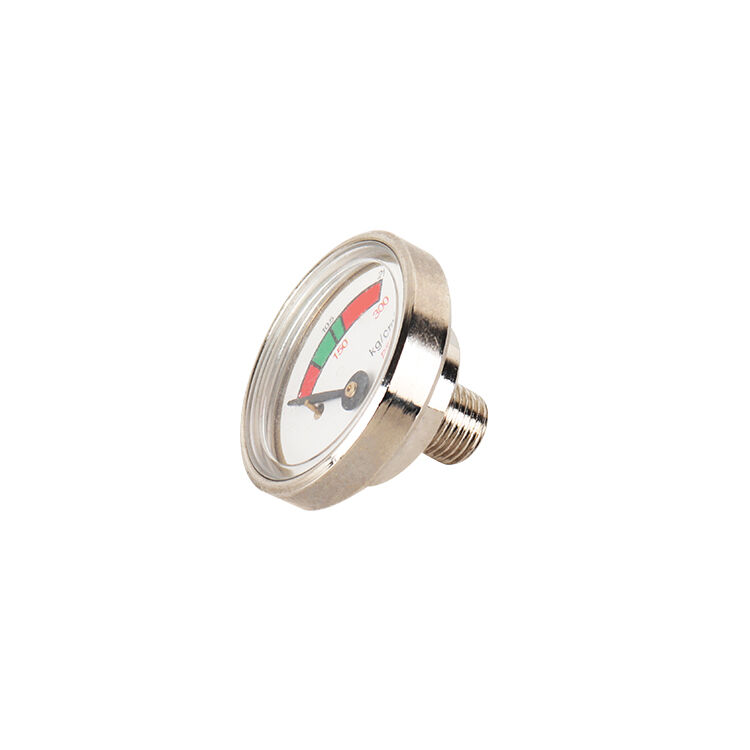
sprinkler system pressure gauge
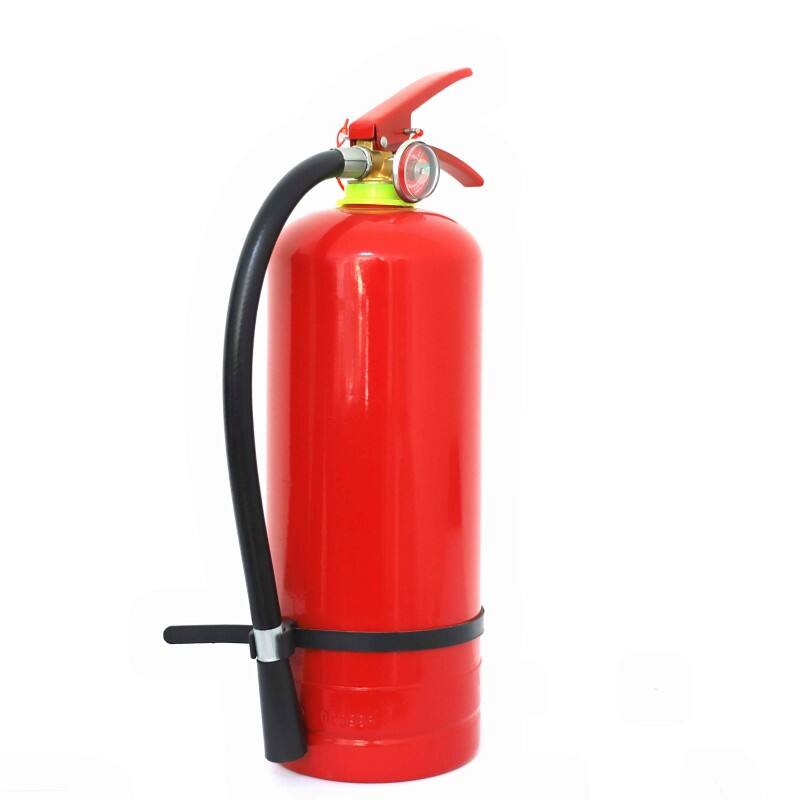
A sprinkler system pressure gauge serves as the critical monitoring instrument that ensures optimal water pressure throughout fire suppression installations. This essential component measures and displays the water pressure within sprinkler networks, providing facility managers and maintenance professionals with real-time pressure readings that determine system readiness and operational efficiency. The sprinkler system pressure gauge functions as both a diagnostic tool and safety indicator, continuously monitoring pressure levels to verify that adequate water supply remains available for emergency fire suppression activities. Modern pressure gauges incorporate advanced mechanical or digital measurement technologies that deliver precise readings across various pressure ranges, typically spanning from 0 to 300 PSI depending on system specifications. These instruments feature robust construction designed to withstand harsh environmental conditions commonly found in commercial, industrial, and residential settings. The gauge mechanism utilizes either Bourdon tube technology or electronic sensors to convert pressure variations into readable measurements displayed on analog dials or digital screens. Technological features include corrosion-resistant materials, temperature compensation mechanisms, and shock-resistant housings that maintain accuracy under extreme conditions. Many contemporary models integrate wireless connectivity options that enable remote monitoring capabilities through building management systems or mobile applications. Applications encompass diverse sectors including hospitals, schools, manufacturing facilities, warehouses, office buildings, and residential complexes where fire safety regulations mandate continuous pressure monitoring. Installation locations typically include riser rooms, pump stations, and key distribution points throughout sprinkler networks. The sprinkler system pressure gauge plays a vital role in preventive maintenance programs by identifying pressure drops that may indicate system leaks, blockages, or pump malfunctions before they compromise fire protection capabilities. Regular monitoring through these gauges ensures compliance with NFPA standards and local fire codes while providing documentation for insurance requirements and safety inspections.

 EN
EN