Premium Stainless Steel Extinguisher Valves - Superior Fire Safety Solutions

Download Catalogue
All Categories

Get a Free Quote

Our representative will contact you soon.
Email
Name
Company Name
Mobile/WhatsApp
Message
0/1000

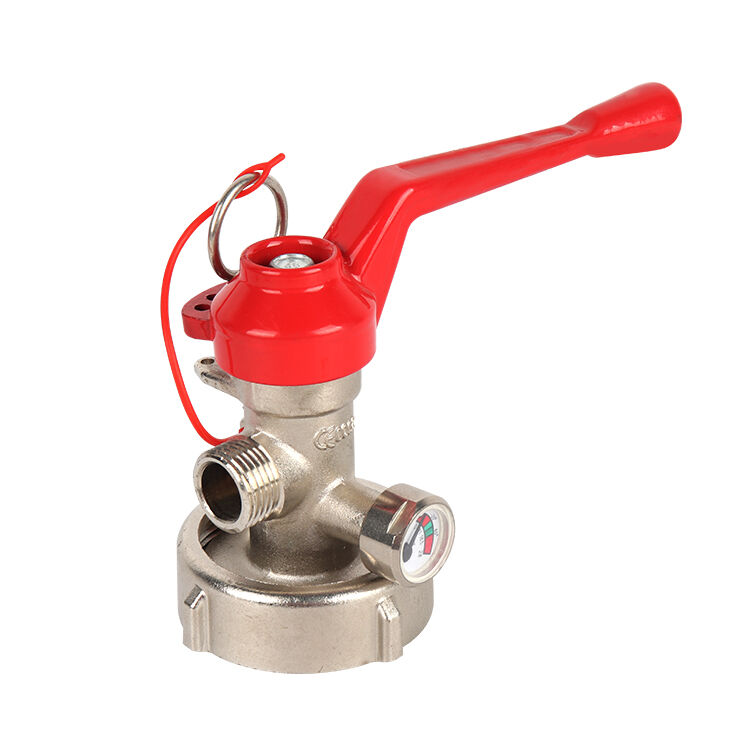
stainless steel extinguisher valve

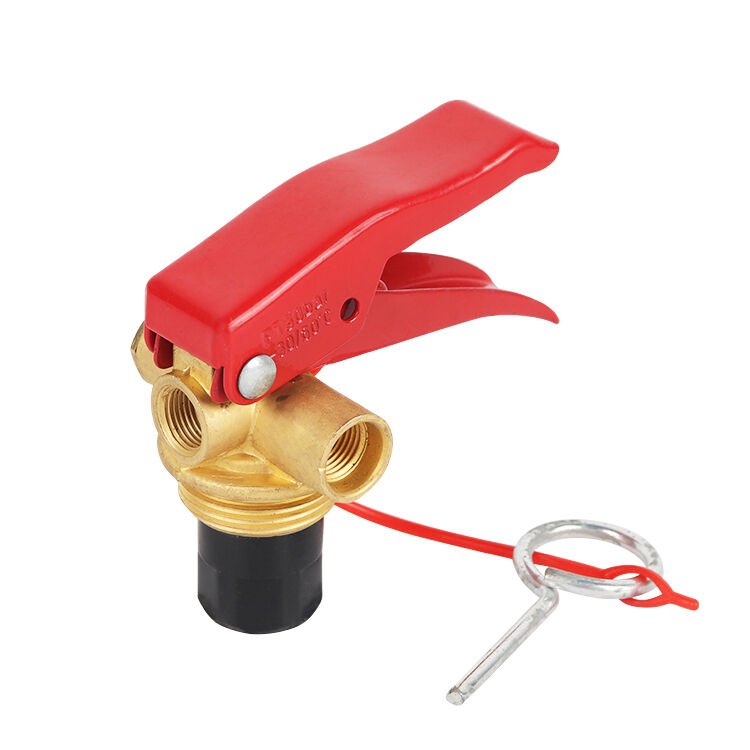
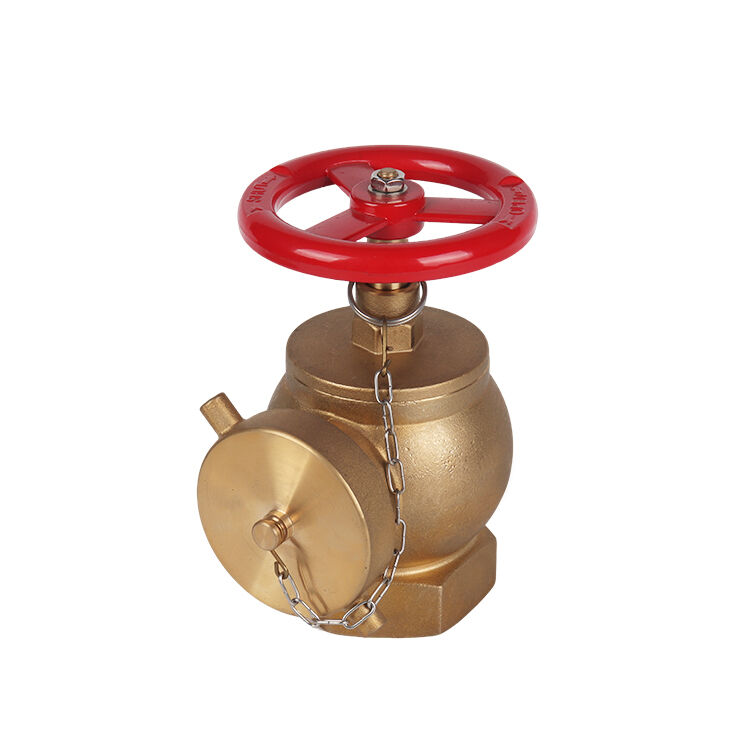
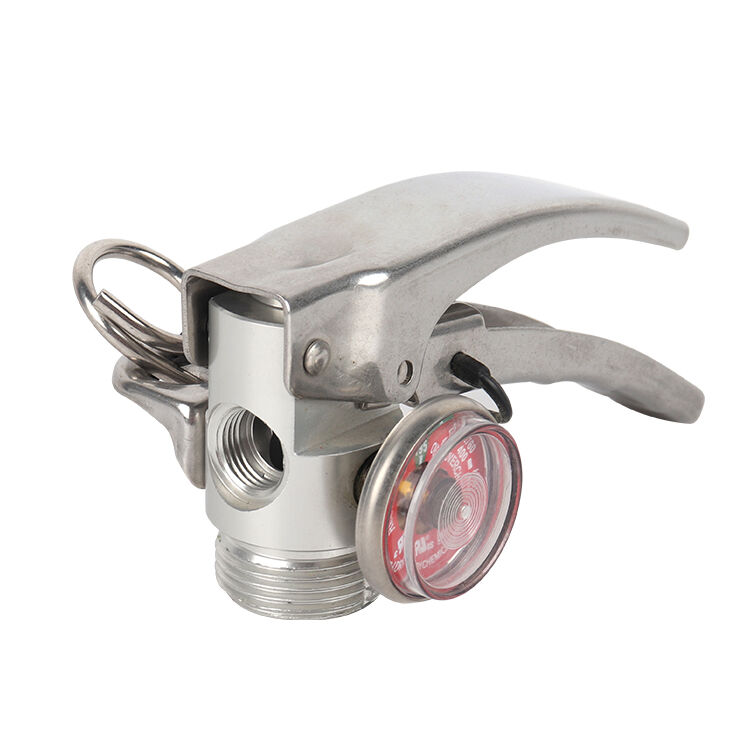
The stainless steel extinguisher valve represents a critical safety component designed to regulate and control the discharge of fire suppressing agents in various fire protection systems. This precision-engineered valve serves as the primary control mechanism that manages the flow rate, pressure, and timing of extinguishing media release during emergency situations. Manufactured from high-grade stainless steel materials, these valves demonstrate exceptional resistance to corrosion, chemical reactions, and extreme temperature variations that commonly occur during fire suppression operations. The stainless steel extinguisher valve incorporates advanced sealing technologies and robust construction methods to ensure reliable performance under demanding operational conditions. Its main functions encompass precise flow regulation, pressure maintenance, emergency activation, and system isolation capabilities that are essential for effective fire suppression protocols. The technological features of this valve include corrosion-resistant stainless steel construction, precision-machined internal components, high-pressure sealing systems, and compatibility with multiple extinguishing agents including water, foam, dry chemical compounds, and gaseous suppressants. These valves typically feature threaded or flanged connections for secure installation, manual or automatic operation modes, and integrated safety mechanisms to prevent accidental discharge. Applications for stainless steel extinguisher valves span across industrial facilities, commercial buildings, marine vessels, aerospace applications, chemical processing plants, and specialized fire suppression systems where reliability and durability are paramount. The valve design accommodates various mounting configurations and can be integrated with electronic control systems, pressure monitoring equipment, and automated fire detection networks. These components play vital roles in protecting valuable assets, ensuring personnel safety, and maintaining operational continuity in environments where fire risks pose significant threats to property and human life.


Popular Products

The stainless steel extinguisher valve delivers remarkable durability that significantly outperforms traditional brass or aluminum alternatives in challenging environments. This enhanced longevity translates directly into reduced maintenance costs and fewer system replacements over the equipment lifecycle. The corrosion resistance properties eliminate concerns about rust formation, chemical degradation, and material deterioration that can compromise valve function during critical moments. Users benefit from consistent performance levels regardless of exposure to harsh chemicals, saltwater environments, or extreme weather conditions that would damage lesser materials. The superior strength characteristics of stainless steel construction allow these valves to withstand higher operating pressures without experiencing structural failure or performance degradation. This capability ensures reliable operation during high-pressure discharge scenarios where system integrity becomes absolutely critical for effective fire suppression. Installation flexibility represents another significant advantage as stainless steel extinguisher valves accommodate various mounting positions and connection types to suit different system configurations. The compatibility with multiple extinguishing agents means users can deploy these valves across diverse applications without requiring specialized components for each suppression media type. Maintenance requirements decrease substantially due to the non-reactive nature of stainless steel surfaces that resist buildup of contaminants and corrosive deposits. This characteristic reduces cleaning frequency and eliminates the need for special protective coatings or treatments that add complexity and expense to valve maintenance procedures. Temperature stability ensures consistent operation across wide temperature ranges without experiencing thermal expansion issues or performance variations that could affect discharge timing or flow rates. The professional appearance of polished stainless steel surfaces provides aesthetic benefits in visible installations while maintaining the industrial-grade performance required for safety-critical applications. Cost-effectiveness emerges over time as the extended service life and reduced maintenance requirements offset higher initial investment costs. Users experience improved system reliability with fewer emergency repairs and unplanned downtime events that can disrupt operations and compromise safety protocols.

Tips And Tricks

The Ultimate Guide to Choosing the Right Fire Extinguisher for Your Home

02

Dec

The Ultimate Guide to Choosing the Right Fire Extinguisher for Your Home

Home fire safety is a critical concern that every homeowner must address proactively. A fire extinguisher serves as your first line of defense against small fires before they escalate into catastrophic events. Understanding the different types of fir...
View More
Fire Extinguisher Valve: How It Works and Why It's Crucial

10

Dec

Fire Extinguisher Valve: How It Works and Why It's Crucial

Fire extinguisher systems represent one of the most critical safety components in any building or industrial facility. At the heart of every fire extinguisher lies a sophisticated valve mechanism that controls the flow of suppressant materials during...
View More
When to Use a Fire Blanket vs. a Fire Extinguisher: A Clear Guide

19

Dec

When to Use a Fire Blanket vs. a Fire Extinguisher: A Clear Guide

When faced with a fire emergency, having the right suppression tool can mean the difference between a minor incident and a catastrophic event. Two of the most common fire safety devices found in homes, kitchens, and workplaces are fire blankets and f...
View More
How to Read a Fire Extinguisher Pressure Gauge (With Pictures)

22

Dec

How to Read a Fire Extinguisher Pressure Gauge (With Pictures)

Understanding how to properly read a fire extinguisher pressure gauge is essential for maintaining fire safety equipment and ensuring optimal performance during emergencies. A pressure gauge serves as the primary indicator of whether your fire exting...
View More

Get a Free Quote

Our representative will contact you soon.
Email
Name
Company Name
Mobile/WhatsApp
Message
0/1000

stainless steel extinguisher valve

Superior Corrosion Resistance for Long-Term Reliability

Superior Corrosion Resistance for Long-Term Reliability

The exceptional corrosion resistance of stainless steel extinguisher valves provides unmatched protection against environmental factors that typically degrade fire suppression equipment over time. This fundamental advantage stems from the chromium content in stainless steel alloys that forms a protective oxide layer on the surface, creating a barrier against moisture, chemicals, and atmospheric contaminants. In marine environments where saltwater exposure creates aggressive corrosive conditions, traditional valve materials often fail within months or require frequent replacement cycles that disrupt operations and increase costs. The stainless steel extinguisher valve maintains structural integrity and operational performance for decades under these same conditions, providing consistent reliability when fire protection becomes essential. Chemical processing facilities benefit tremendously from this corrosion resistance as exposure to acids, bases, and organic solvents would quickly destroy valves manufactured from reactive materials. The non-reactive surface properties prevent chemical interactions that could alter valve dimensions, compromise sealing surfaces, or create contamination issues that affect extinguishing agent purity. Industrial applications involving high humidity, temperature fluctuations, and exposure to cleaning chemicals find that stainless steel extinguisher valves continue operating effectively while other materials experience pitting, stress corrosion cracking, or general degradation. This resistance extends to outdoor installations where weather exposure, ultraviolet radiation, and seasonal temperature cycles would normally accelerate material deterioration. The economic benefits compound over time as facility managers avoid the costs associated with frequent valve replacements, emergency repairs, and system downtime that occurs when inferior materials fail unexpectedly. Long-term reliability translates into predictable maintenance schedules and budget planning as facility operators can count on extended service intervals without performance degradation. This corrosion resistance also maintains the aesthetic appearance of visible installations, preventing the unsightly rust stains and surface deterioration that create negative impressions in professional environments while ensuring the valve remains ready for immediate activation when fire emergencies demand instant response.
Enhanced Pressure Handling Capabilities for Critical Applications

Enhanced Pressure Handling Capabilities for Critical Applications

The superior mechanical strength of stainless steel extinguisher valves enables them to handle significantly higher operating pressures than conventional alternatives, making them ideal for demanding applications where system performance cannot be compromised. This enhanced pressure capability results from the inherent material properties of stainless steel alloys that provide exceptional tensile strength and resistance to stress-induced failure modes. High-pressure fire suppression systems require components that maintain structural integrity under extreme conditions, and stainless steel extinguisher valves deliver this performance consistently across their operational lifespan. Industrial facilities utilizing pressurized water mist systems, high-expansion foam applications, or gaseous suppression agents benefit from valves that can accommodate the elevated pressures necessary for effective fire suppression coverage. The robust construction prevents catastrophic failure scenarios that could result in system pressure loss, inadequate agent distribution, or complete suppression system compromise during fire emergencies. Manufacturing processes that involve heat treatment and precision machining optimize the molecular structure of stainless steel components, creating valve bodies and internal mechanisms capable of withstanding pressure spikes and surge conditions that occur during rapid system activation. This pressure handling capability becomes particularly critical in applications involving automatic sprinkler systems, deluge systems, and specialized suppression technologies where precise pressure regulation affects coverage patterns and suppression effectiveness. Marine applications often require fire suppression systems operating at elevated pressures to overcome the challenges of saltwater environments and ensure adequate agent reach throughout vessel compartments. The stainless steel extinguisher valve maintains dimensional stability under pressure, preventing the deformation or dimensional changes that could affect sealing performance or flow characteristics. Quality control procedures during manufacturing verify pressure ratings and ensure each valve meets or exceeds specified performance parameters before installation. This reliability factor provides peace of mind for facility operators who depend on fire suppression systems to protect valuable assets and ensure personnel safety in environments where fire risks pose significant operational and financial threats.
Universal Compatibility with Multiple Extinguishing Agents

Universal Compatibility with Multiple Extinguishing Agents

The chemical inertness and material compatibility of stainless steel extinguisher valves make them suitable for use with virtually all types of fire suppressing agents, providing exceptional versatility for diverse fire protection applications. This universal compatibility eliminates the need for specialized valve types when working with different suppression media, simplifying inventory management and reducing procurement costs for facilities using multiple suppression technologies. Water-based systems, including standard sprinkler installations and water mist applications, benefit from the non-reactive properties of stainless steel that prevent mineral buildup and corrosion issues commonly associated with prolonged water exposure. Foam suppression systems require components that resist the chemical additives and surfactants present in foam concentrates, and stainless steel extinguisher valves provide this compatibility without experiencing material degradation or performance issues. Dry chemical suppression systems utilizing sodium bicarbonate, potassium bicarbonate, or specialized dry agents find that stainless steel surfaces resist abrasion and chemical interaction that could compromise valve function or contaminate the suppression media. Gaseous suppression agents, including carbon dioxide, clean agents like FM-200, and inert gas mixtures, require valve components that maintain their properties under the unique storage and discharge conditions associated with these systems. The non-porous surface characteristics of stainless steel prevent agent absorption and subsequent outgassing that could affect system performance or create maintenance complications. This compatibility extends to specialty suppression agents used in specific applications such as aircraft hangars, data centers, and cultural heritage facilities where unique fire risks demand specialized suppression approaches. Installation flexibility increases significantly when facility operators can utilize standardized stainless steel extinguisher valves across different system types rather than maintaining separate inventories of agent-specific components. The ability to retrofit existing systems with universal valve components simplifies upgrades and modifications while ensuring compatibility with future suppression technology developments. Quality assurance testing verifies material compatibility with specific agents, providing documentation that supports regulatory compliance and system certification requirements. This versatility proves particularly valuable for facilities undergoing expansion or modification where suppression system requirements may change but valve infrastructure can remain constant, reducing installation complexity and minimizing disruption to ongoing operations while maintaining the highest levels of fire protection effectiveness.

Get a Free Quote

Our representative will contact you soon.
Email
Name
Company Name
Mobile/WhatsApp
Message
0/1000
email goToTop