Versatile Applications and Multi-Agent Compatibility
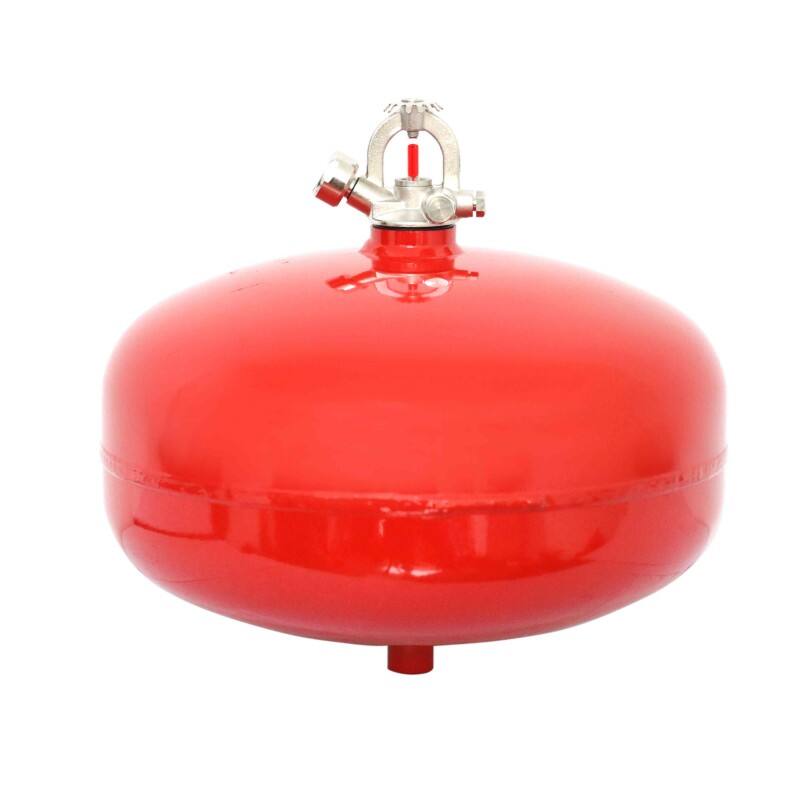
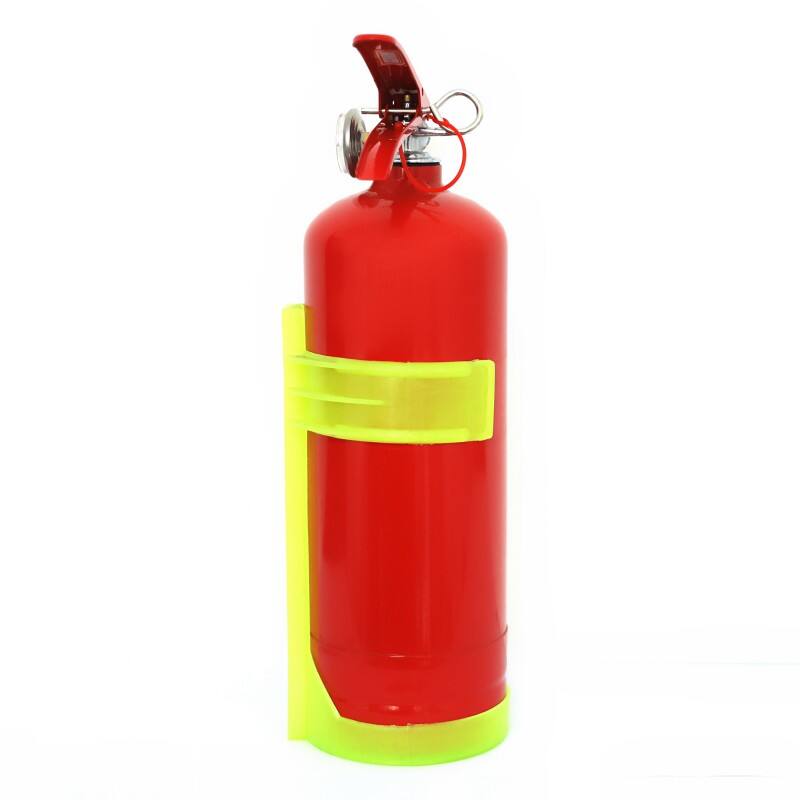
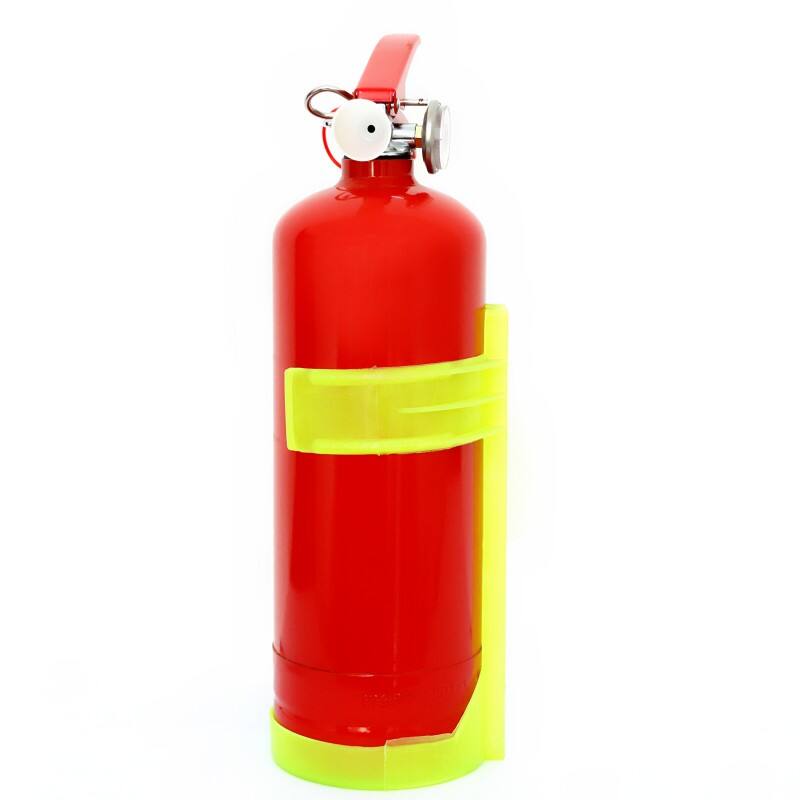
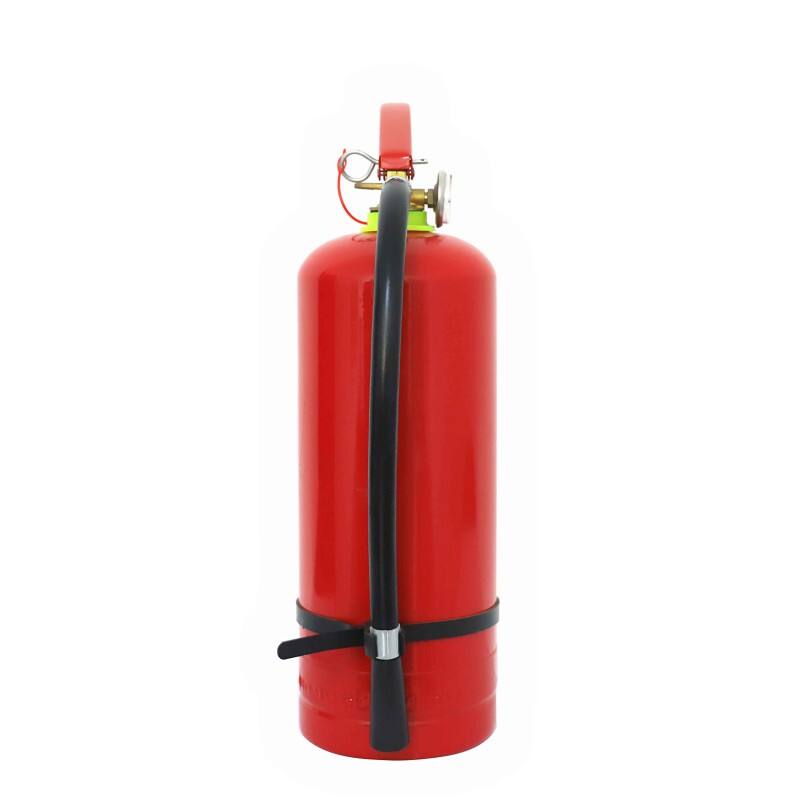
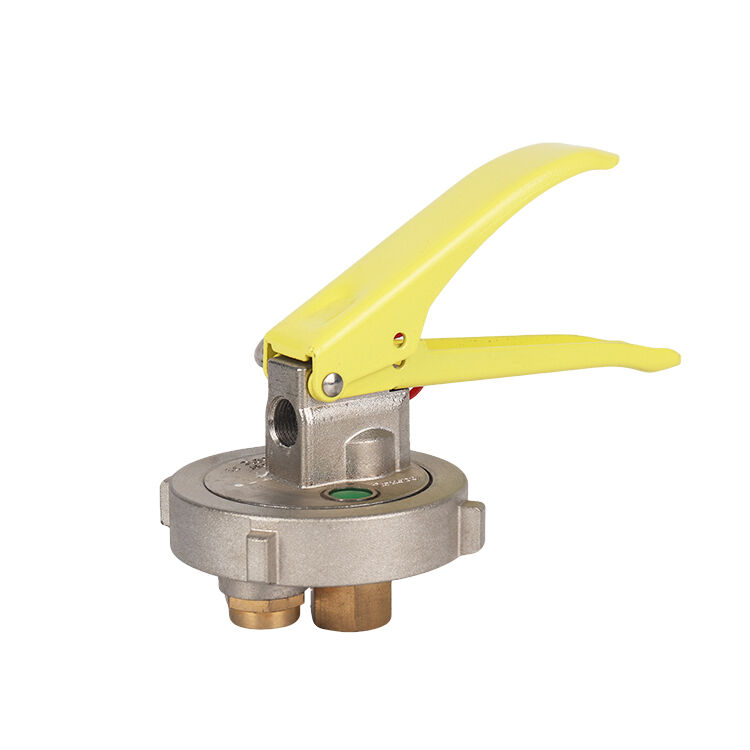
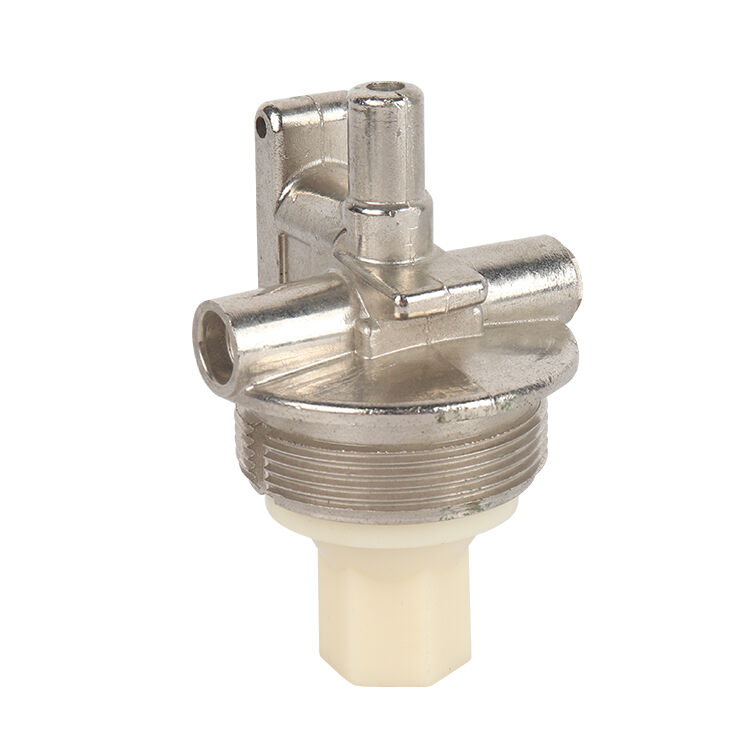
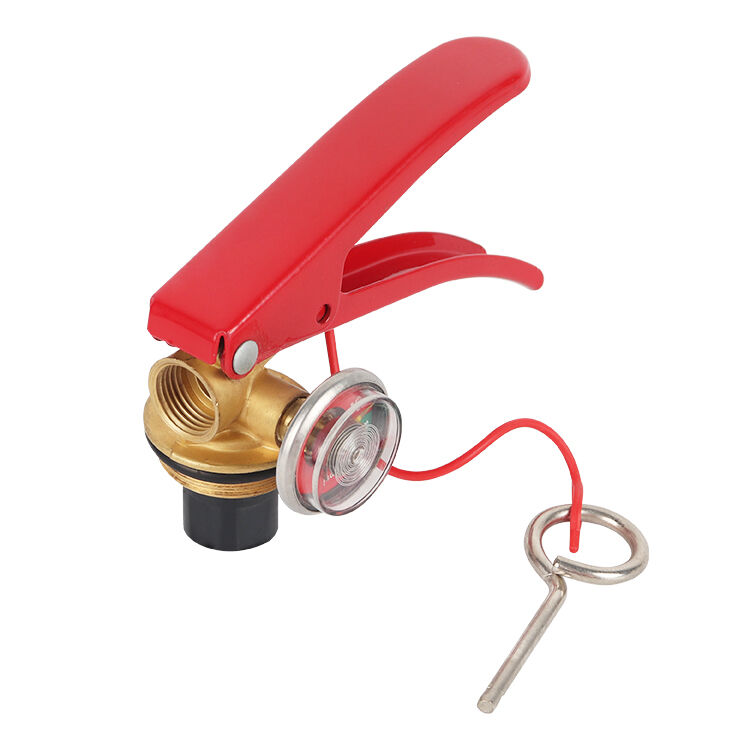
The versatile design of the stainless steel fire extinguisher valve accommodates diverse applications across multiple industries and fire suppression scenarios. Chemical compatibility testing confirms the valve materials resist reaction with all common fire suppressant agents including dry chemical powders, aqueous film-forming foams, carbon dioxide, and clean agent gases. This broad compatibility eliminates the need for specialized valves based on suppressant type, simplifying inventory management and reducing procurement costs for facilities maintaining multiple extinguisher types. The valve construction withstands the corrosive effects of certain suppressant chemicals that can damage valves made from reactive metals, ensuring long-term reliability regardless of agent selection. Pressure rating options accommodate various system requirements from low-pressure foam applications to high-pressure clean agent systems, making the stainless steel fire extinguisher valve suitable for comprehensive fire protection strategies. Installation flexibility allows the valve to function effectively in portable extinguishers, wheeled units, and fixed suppression systems, providing design engineers with a reliable component for diverse applications. The valve performs consistently across temperature ranges encountered in different environments, from refrigerated storage areas to high-temperature industrial processes. Sealing technology adapts to different suppressant viscosities and flow characteristics, maintaining proper pressure retention while ensuring rapid discharge when activated. The stainless steel fire extinguisher valve design accommodates various discharge mechanisms including manual operation, pneumatic activation, and electrical triggering systems used in automatic suppression installations. Regulatory compliance covers multiple international standards and certification requirements, simplifying approval processes for global applications. The valve's robust construction withstands vibration, shock, and mechanical stress encountered in mobile applications such as vehicles, aircraft, and marine vessels. Maintenance procedures remain consistent regardless of application type, reducing training requirements for service personnel working across different facility types. The standardized connection interfaces ensure the stainless steel fire extinguisher valve integrates seamlessly with existing fire protection infrastructure, minimizing modification costs during equipment upgrades or replacements.

 EN
EN