Carbon Dioxide Fire Extinguisher: Advanced Clean Agent Suppression System for Electrical and Equipment Protection

Download Catalogue
All Categories

Get a Free Quote

Our representative will contact you soon.
Email
Name
Company Name
Mobile/WhatsApp
Message
0/1000

a carbon dioxide extinguisher

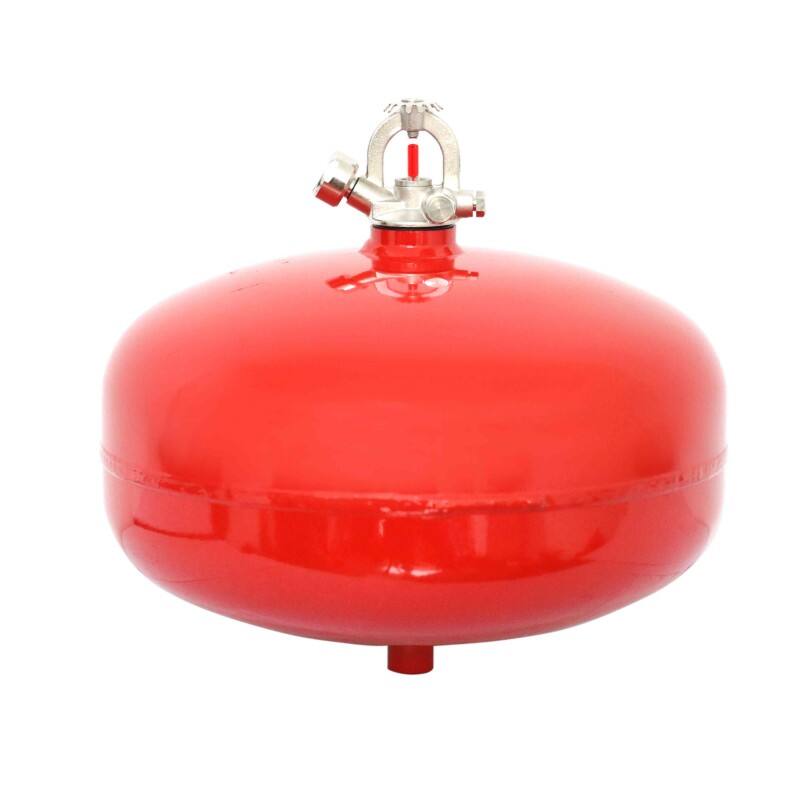
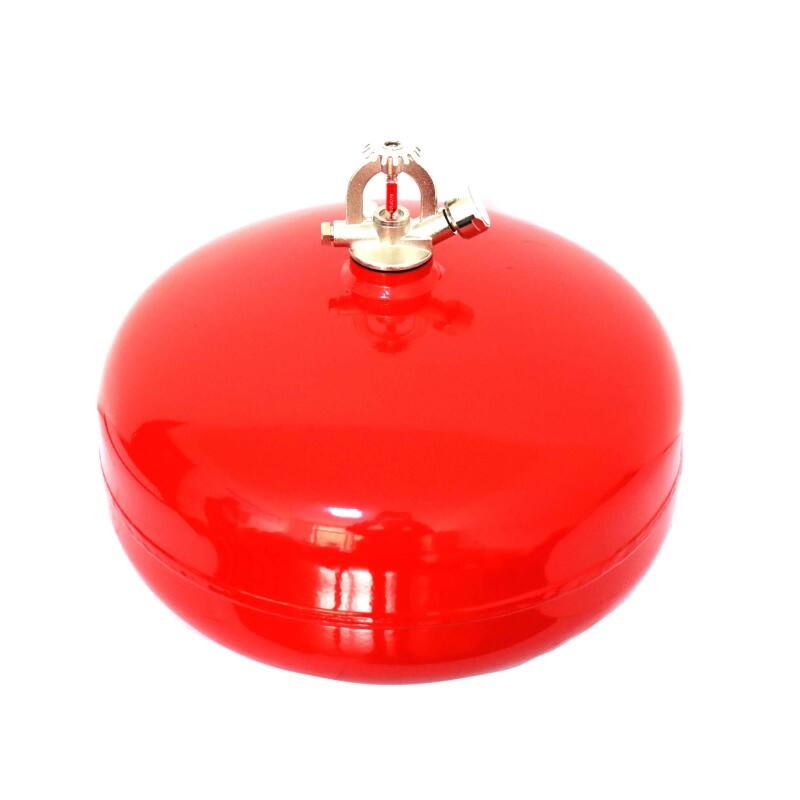
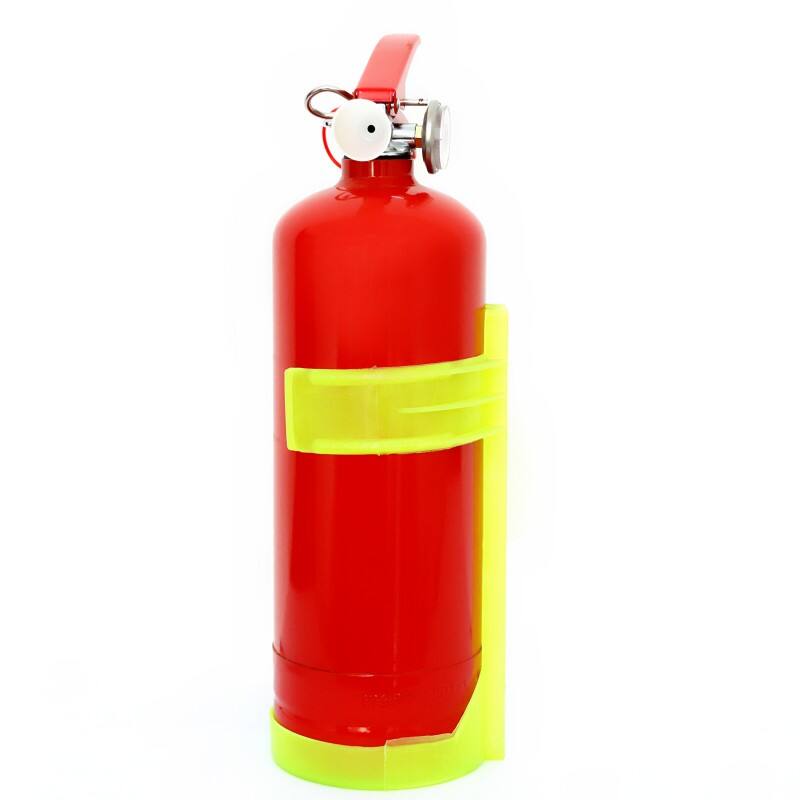
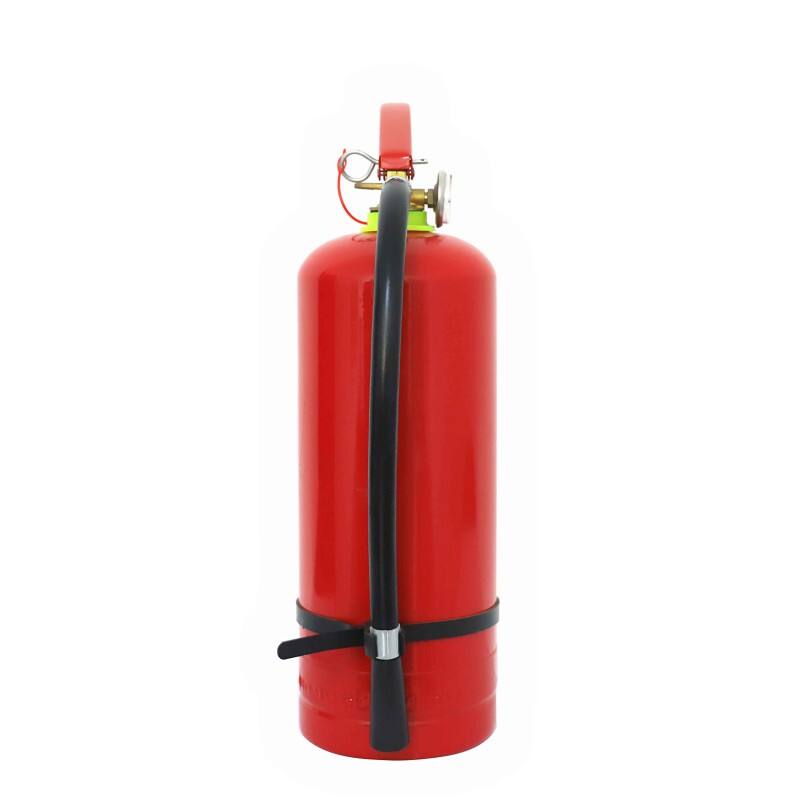
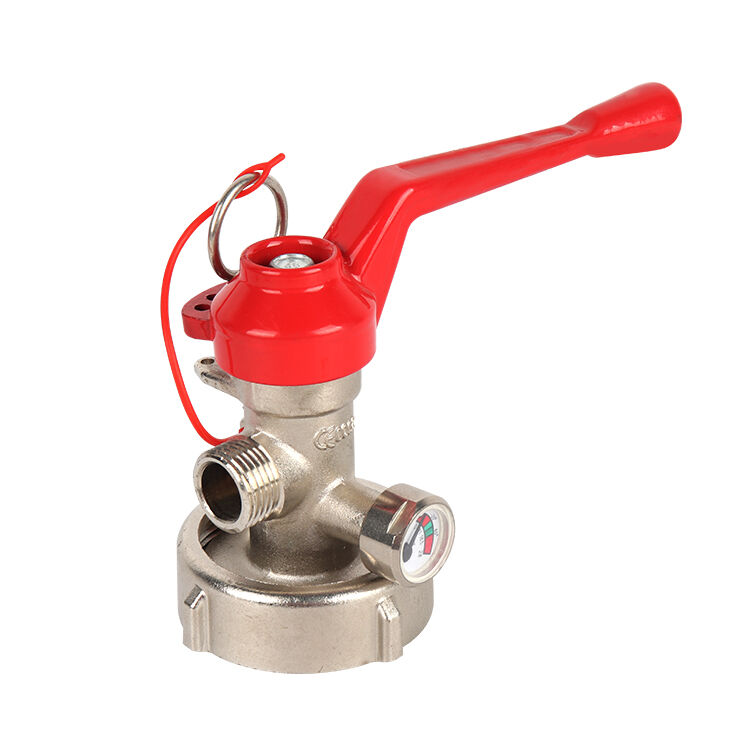
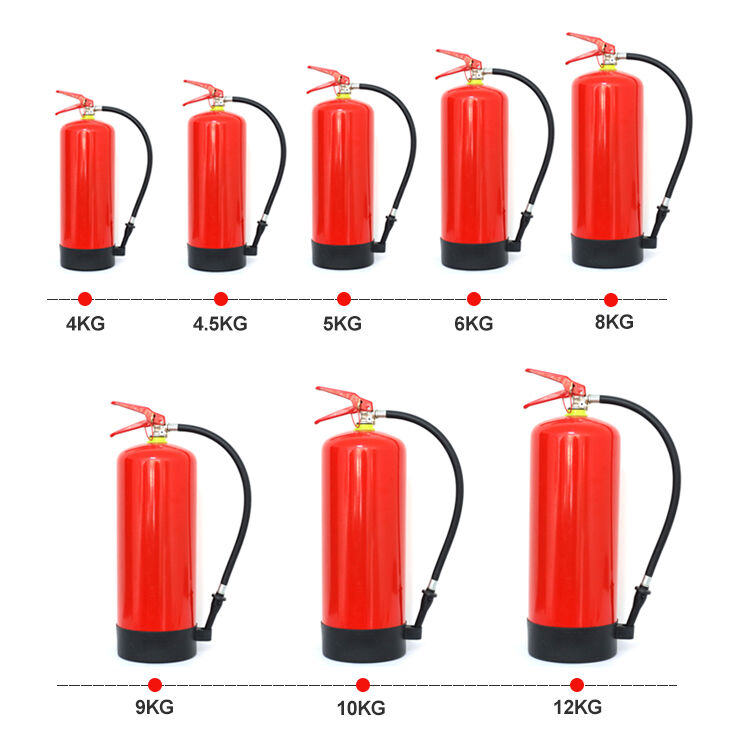
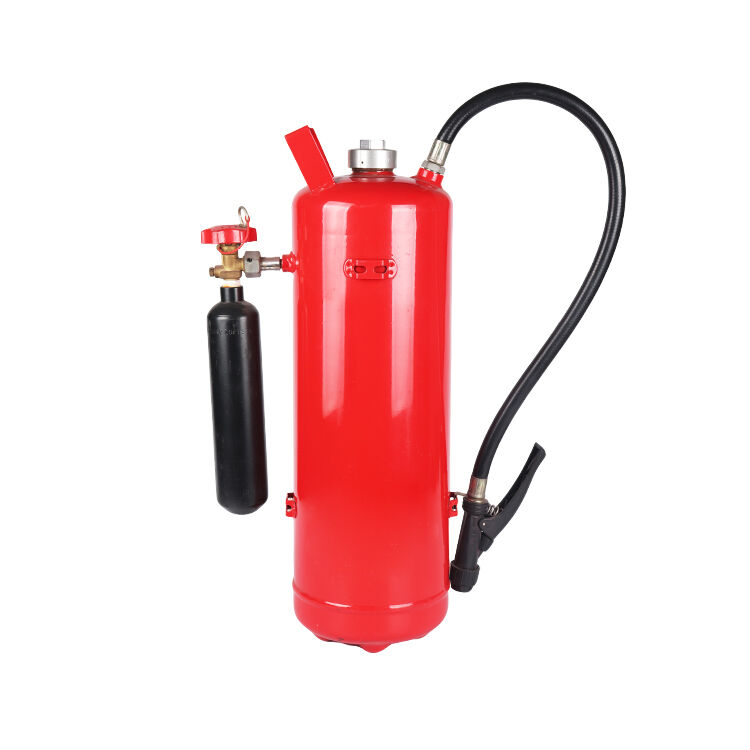
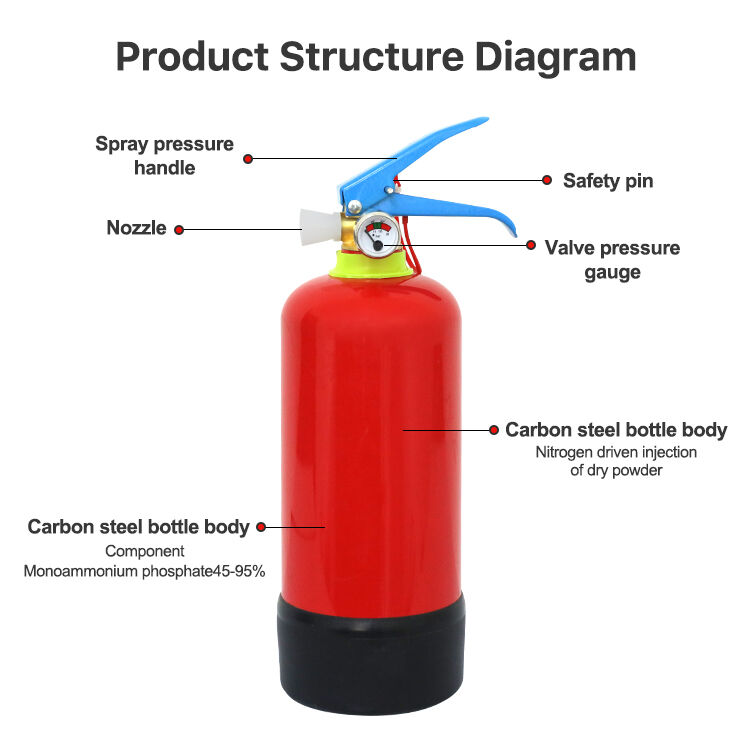
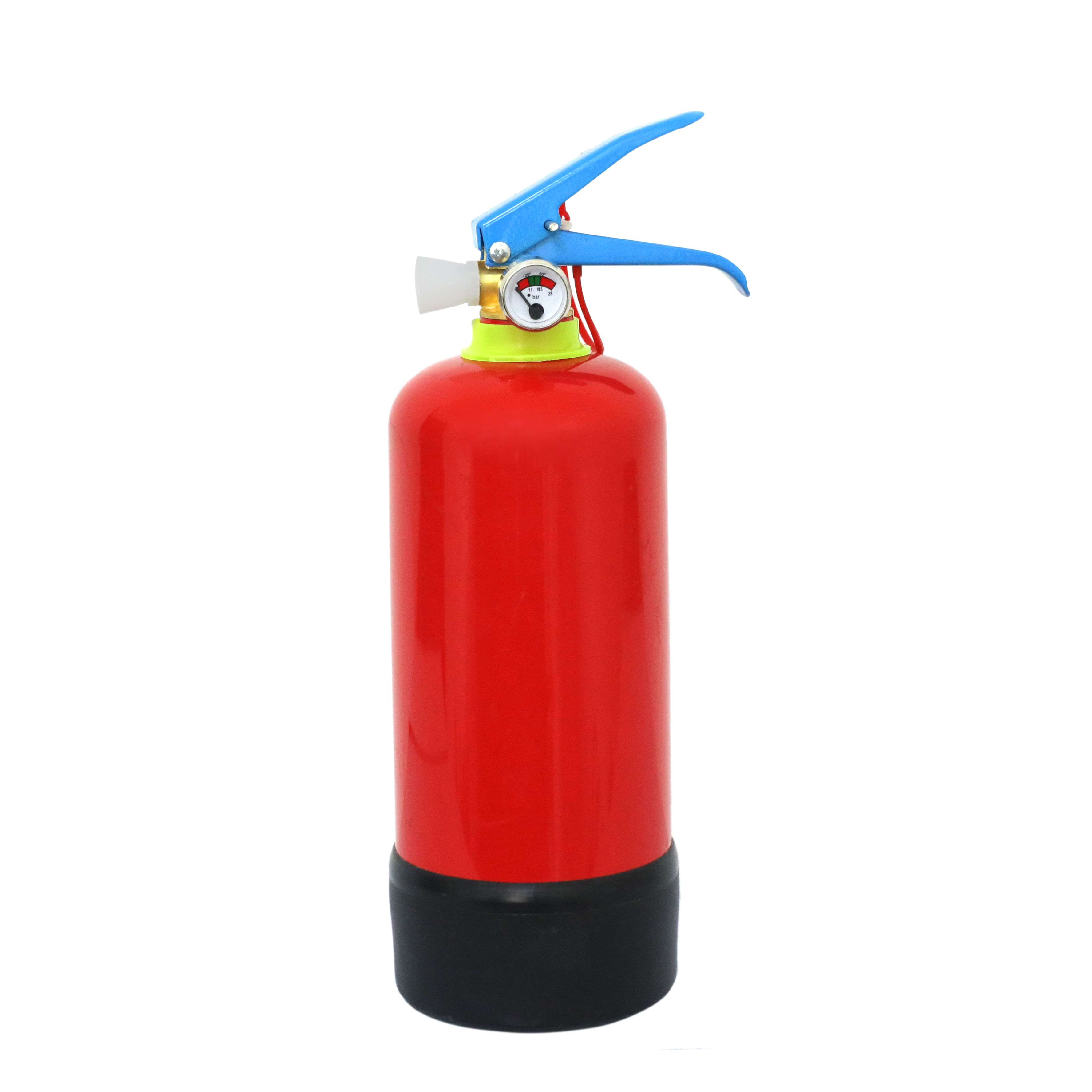
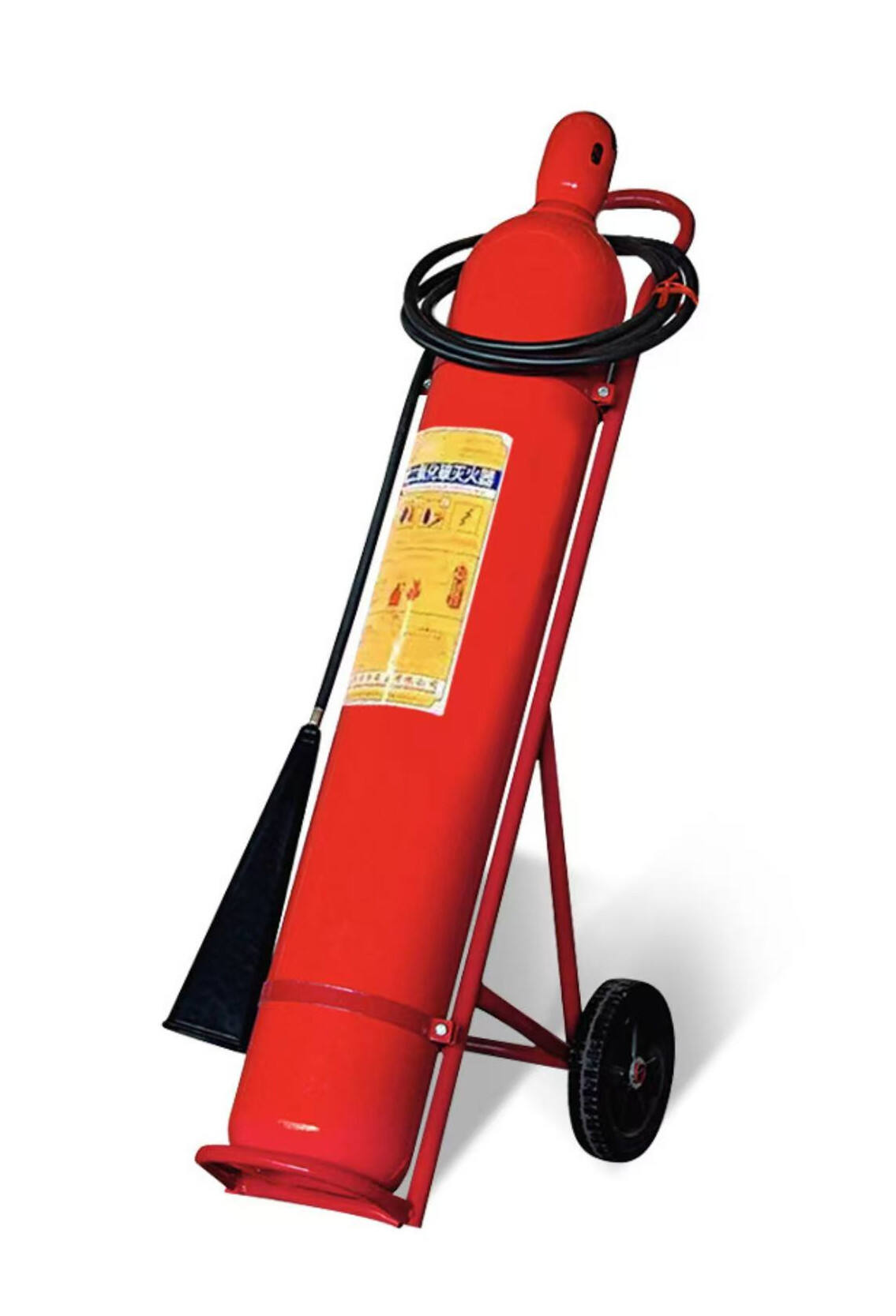
A carbon dioxide extinguisher represents one of the most effective and versatile fire suppression systems available in modern safety equipment. This sophisticated device utilizes carbon dioxide gas as its primary extinguishing agent, making it an essential tool for protecting valuable equipment and ensuring safety in various environments. The carbon dioxide extinguisher operates through a unique mechanism that displaces oxygen from the fire triangle, effectively suffocating flames without leaving any residue or causing damage to sensitive equipment. The technological foundation of a carbon dioxide extinguisher relies on pressurized CO2 stored in a steel cylinder at approximately 850 PSI. When activated, the system releases this pressurized gas through a specially designed horn or nozzle, creating a rapid cooling effect that reduces the temperature of burning materials while simultaneously removing oxygen from the combustion zone. This dual-action approach makes the carbon dioxide extinguisher particularly effective against Class B fires involving flammable liquids and Class C fires involving energized electrical equipment. The main functions of a carbon dioxide extinguisher include rapid fire suppression, equipment protection, and environmental safety. Unlike water-based or chemical extinguishers, this system leaves no residue, making cleanup unnecessary and preventing secondary damage to expensive machinery or electronics. The technological features include a robust steel construction, precision-engineered valve systems, and safety mechanisms that prevent accidental discharge. Applications for a carbon dioxide extinguisher span numerous industries and environments, including computer server rooms, electrical panels, laboratories, marine vessels, automotive facilities, and industrial manufacturing plants where protecting sensitive equipment is paramount to business operations.


New Product Releases

The primary advantages of a carbon dioxide extinguisher make it an superior choice for businesses and facilities requiring reliable fire protection without compromising equipment integrity or operational continuity. One significant benefit is the clean extinguishing process that leaves absolutely no residue after use. This characteristic proves invaluable in environments containing expensive computer equipment, precision instruments, or delicate machinery where traditional extinguishing agents would cause extensive secondary damage. The absence of cleanup requirements means businesses can resume operations immediately after fire suppression, minimizing downtime and financial losses. Another crucial advantage involves the non-conductive properties of carbon dioxide gas, making this extinguisher completely safe for use on electrical fires and energized equipment. Employees can confidently deploy a carbon dioxide extinguisher on electrical panels, generators, or computer systems without risk of electrocution or equipment damage from conductive extinguishing agents. The rapid action capability represents another key advantage, as carbon dioxide quickly displaces oxygen and cools burning materials simultaneously. This dual-action mechanism ensures faster fire suppression compared to single-action alternatives, potentially preventing catastrophic damage and saving lives. Environmental safety constitutes an increasingly important advantage in today's sustainability-focused business landscape. A carbon dioxide extinguisher produces no harmful chemicals, toxic fumes, or ozone-depleting substances during operation, making it an environmentally responsible choice for forward-thinking organizations. The versatility advantage extends to multiple fire classifications, as these extinguishers effectively handle both flammable liquid fires and electrical fires, reducing the need for multiple extinguisher types and simplifying safety protocols. Cost-effectiveness emerges through reduced maintenance requirements and longer service intervals compared to chemical-based alternatives. The absence of corrosive agents means less wear on internal components, resulting in extended equipment life and reduced replacement costs. Storage advantages include compact designs that fit easily into tight spaces while providing substantial extinguishing capacity, making efficient use of valuable floor space in crowded facilities.

Practical Tips

The Ultimate Guide to Choosing the Right Fire Extinguisher for Your Home

02

Dec

The Ultimate Guide to Choosing the Right Fire Extinguisher for Your Home

Home fire safety is a critical concern that every homeowner must address proactively. A fire extinguisher serves as your first line of defense against small fires before they escalate into catastrophic events. Understanding the different types of fir...
View More
Fire Extinguisher Valve: How It Works and Why It's Crucial

10

Dec

Fire Extinguisher Valve: How It Works and Why It's Crucial

Fire extinguisher systems represent one of the most critical safety components in any building or industrial facility. At the heart of every fire extinguisher lies a sophisticated valve mechanism that controls the flow of suppressant materials during...
View More
Dry Powder Fire Extinguisher: A Complete Guide to Uses and Limitations

16

Dec

Dry Powder Fire Extinguisher: A Complete Guide to Uses and Limitations

Fire safety remains a critical concern across industrial, commercial, and residential environments worldwide. Among the various firefighting solutions available today, the dry powder extinguisher stands out as one of the most versatile and widely dep...
View More
When to Use a Fire Blanket vs. a Fire Extinguisher: A Clear Guide

19

Dec

When to Use a Fire Blanket vs. a Fire Extinguisher: A Clear Guide

When faced with a fire emergency, having the right suppression tool can mean the difference between a minor incident and a catastrophic event. Two of the most common fire safety devices found in homes, kitchens, and workplaces are fire blankets and f...
View More

Get a Free Quote

Our representative will contact you soon.
Email
Name
Company Name
Mobile/WhatsApp
Message
0/1000

a carbon dioxide extinguisher

Zero Residue Technology for Equipment Protection

Zero Residue Technology for Equipment Protection

The zero residue technology of a carbon dioxide extinguisher represents a revolutionary advancement in fire suppression that provides unmatched protection for valuable equipment and sensitive environments. This innovative feature eliminates the costly secondary damage typically associated with traditional fire suppression methods, making it the preferred choice for facilities housing expensive electronics, precision instruments, and critical infrastructure. When a carbon dioxide extinguisher activates, it releases pure CO2 gas that leaves absolutely no chemical residue, powder particles, or water damage behind. This clean suppression method proves essential in server rooms where a single drop of water could destroy thousands of dollars worth of computer equipment, or in laboratories where chemical contamination could compromise years of research. The technology works by displacing oxygen molecules around the fire source while simultaneously cooling the burning materials through rapid gas expansion. This dual-action mechanism ensures complete fire suppression without introducing any foreign substances that could interfere with delicate equipment operations. Industries benefit tremendously from this zero residue capability, as it eliminates expensive cleanup procedures and prevents corrosion damage that often occurs with chemical extinguishers. The immediate operational readiness following extinguisher use means businesses avoid costly downtime that could result in lost productivity, missed deadlines, and dissatisfied customers. Manufacturing facilities particularly appreciate this feature when protecting robotic assembly lines, where even minor contamination could disrupt precision operations and require extensive recalibration. The long-term cost savings associated with zero residue technology extend beyond immediate cleanup savings to include reduced insurance claims, lower equipment replacement costs, and minimized business interruption expenses. This makes a carbon dioxide extinguisher not just a safety device, but a strategic investment in operational continuity and asset protection.
Electrical Safety and Non-Conductive Properties

Electrical Safety and Non-Conductive Properties

The electrical safety and non-conductive properties of a carbon dioxide extinguisher provide unparalleled protection when dealing with energized electrical equipment and live circuits, making it an indispensable safety tool in our increasingly electrified world. This critical feature ensures that users can safely suppress electrical fires without risking electrocution or creating additional electrical hazards that could endanger lives and property. Unlike water-based extinguishers that conduct electricity and create deadly shock hazards, or foam extinguishers that can interfere with electrical systems, a carbon dioxide extinguisher uses an inert gas that possesses no conductive properties whatsoever. This characteristic allows trained personnel to confidently approach and suppress fires involving electrical panels, transformers, generators, computer systems, and other energized equipment without shutting down power systems that might be critical for emergency lighting, communications, or life safety systems. The non-conductive nature stems from carbon dioxide being a chemically inert gas that does not interact with electrical current or create ionic pathways that could conduct electricity back to the user. This property proves particularly valuable in industrial settings where electrical fires often occur in hard-to-reach places or involve high-voltage equipment that cannot be safely de-energized quickly. Data centers rely heavily on this electrical safety feature, as server rooms contain thousands of electrical connections operating at various voltages, and a fire in such environments requires immediate suppression without system shutdown. The ability to maintain electrical isolation while suppressing fires enables facilities to preserve critical operations during emergencies, potentially preventing data loss, communication failures, or security system compromises. Marine applications particularly benefit from these electrical safety properties, as ships contain numerous electrical systems operating in confined spaces where alternative suppression methods could create dangerous conditions for crew members. The confidence that comes from knowing a carbon dioxide extinguisher can be safely used on any electrical fire empowers employees to take immediate action rather than hesitating due to safety concerns, often preventing small electrical incidents from escalating into major disasters.
Rapid Fire Suppression and Dual-Action Mechanism

Rapid Fire Suppression and Dual-Action Mechanism

The rapid fire suppression capability and dual-action mechanism of a carbon dioxide extinguisher deliver unmatched speed and effectiveness in emergency situations, providing the quick response times that can mean the difference between minor incidents and catastrophic losses. This advanced suppression system combines oxygen displacement with immediate cooling effects to achieve faster fire knockdown than single-action alternatives, making it the preferred choice for time-critical applications where every second counts. The dual-action mechanism works simultaneously on two fronts: first, the pressurized carbon dioxide rapidly displaces oxygen molecules in the fire area, effectively suffocating the flames by removing one essential element of the fire triangle. Second, the rapid expansion of compressed CO2 gas creates an intense cooling effect that quickly reduces the temperature of burning materials below their ignition point, preventing re-ignition and ensuring complete suppression. This synchronized approach proves particularly effective against fast-spreading fires involving flammable liquids or electrical equipment where traditional extinguishing methods might be too slow to prevent significant damage. The speed advantage becomes critically important in environments containing volatile chemicals, expensive machinery, or irreplaceable assets where even brief exposure to fire could result in total loss. Manufacturing facilities benefit enormously from this rapid response capability, as production line fires must be suppressed immediately to prevent damage to precision equipment and avoid costly production delays. The dual-action mechanism also excels in confined spaces where fire can spread rapidly due to limited ventilation, making it ideal for marine applications, aircraft, and industrial enclosures. Emergency response teams value the predictable performance and rapid knockdown capability that allows them to quickly assess situations and determine if additional resources are needed. The mechanism effectiveness extends to various fuel types, from electrical fires that require immediate de-energizing to liquid fuel fires that need both cooling and oxygen displacement for complete suppression. This versatility eliminates guesswork during emergencies and ensures responders can confidently deploy a carbon dioxide extinguisher regardless of the fire type, significantly improving response times and overall safety outcomes.

Get a Free Quote

Our representative will contact you soon.
Email
Name
Company Name
Mobile/WhatsApp
Message
0/1000
email goToTop