Premium Alloy Fire Extinguisher Valves - Superior Performance & Durability

Download Catalogue
All Categories

Get a Free Quote

Our representative will contact you soon.
Email
Name
Company Name
Mobile/WhatsApp
Message
0/1000

alloy fire extinguisher valve

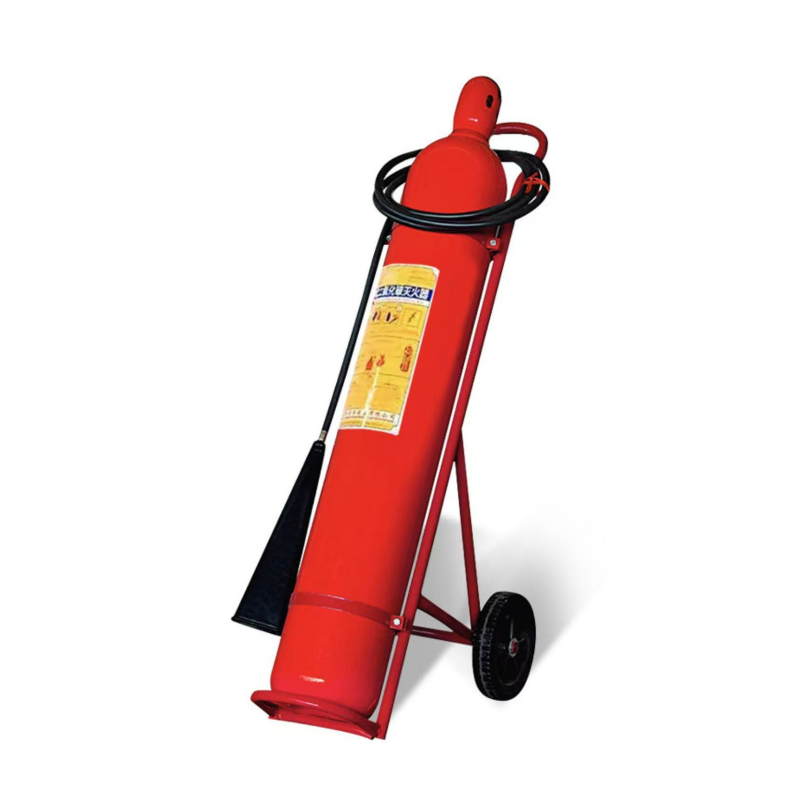
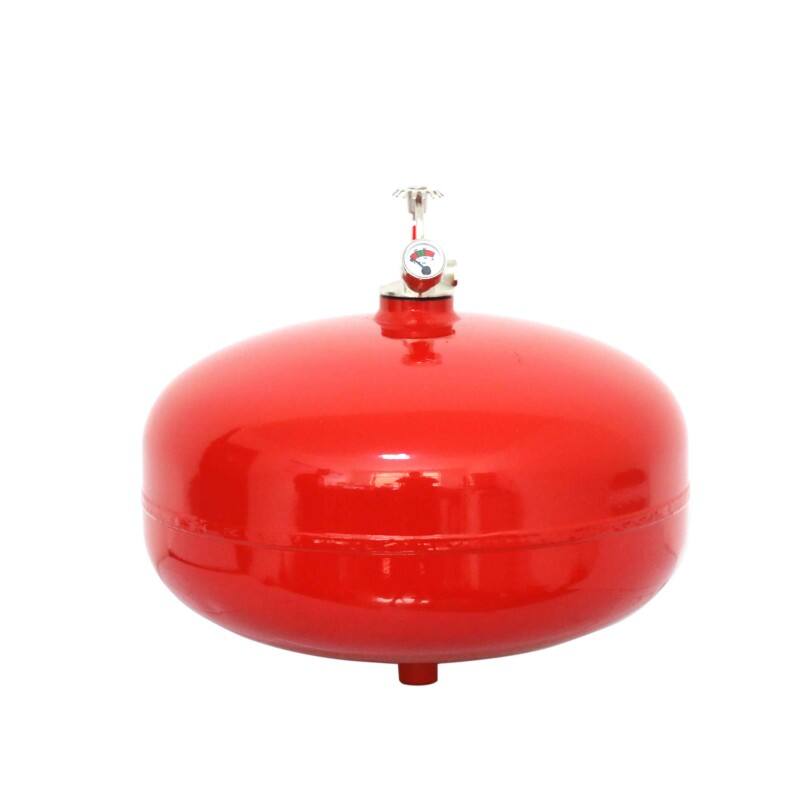
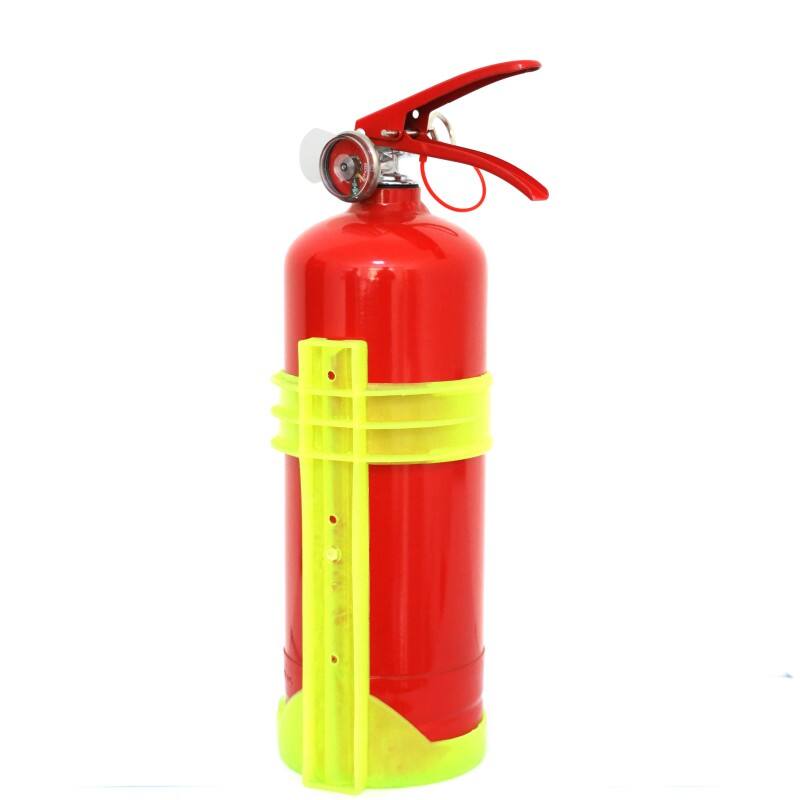
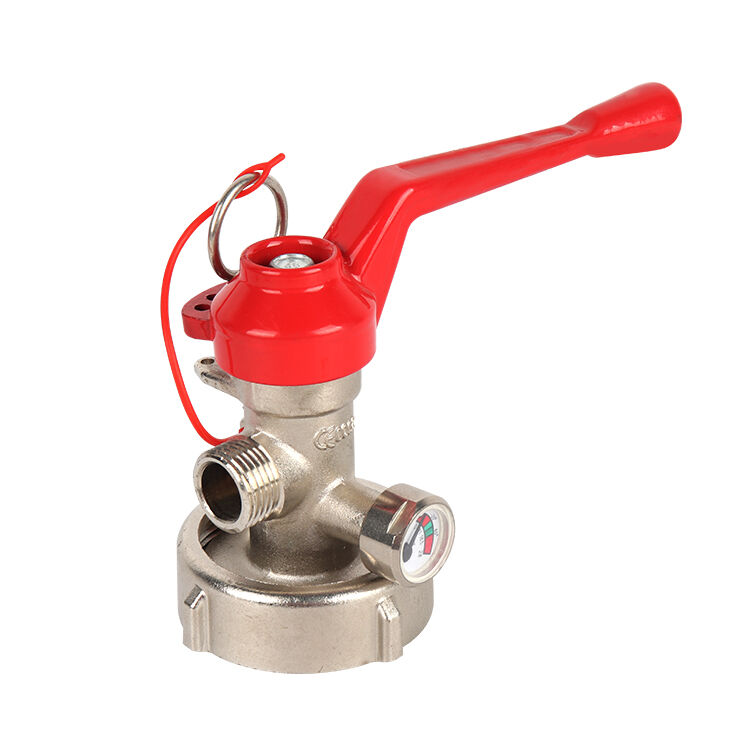
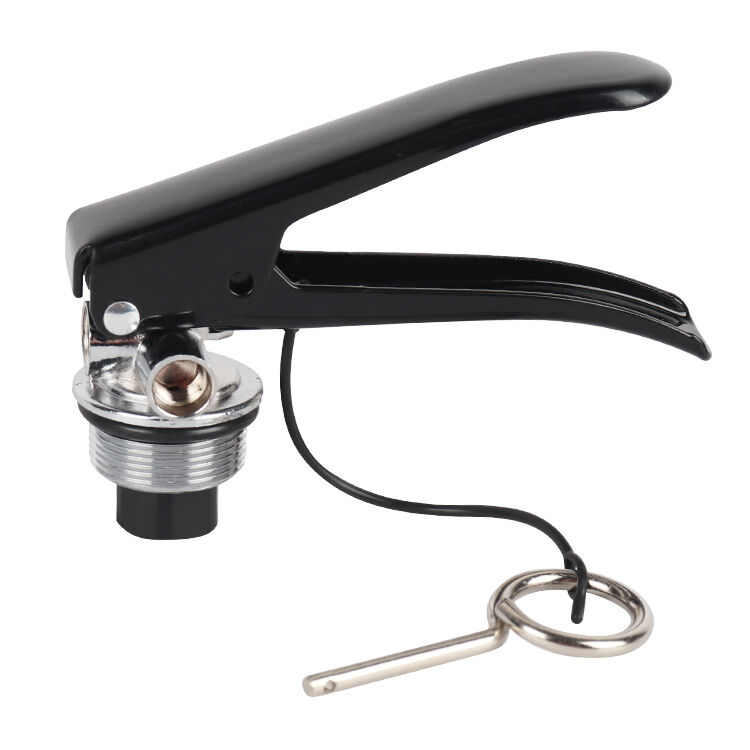
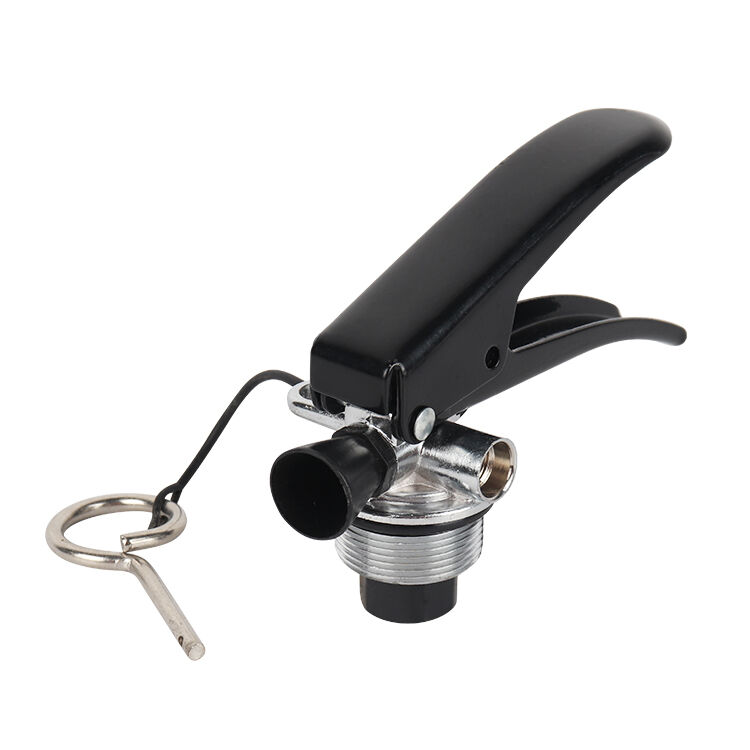
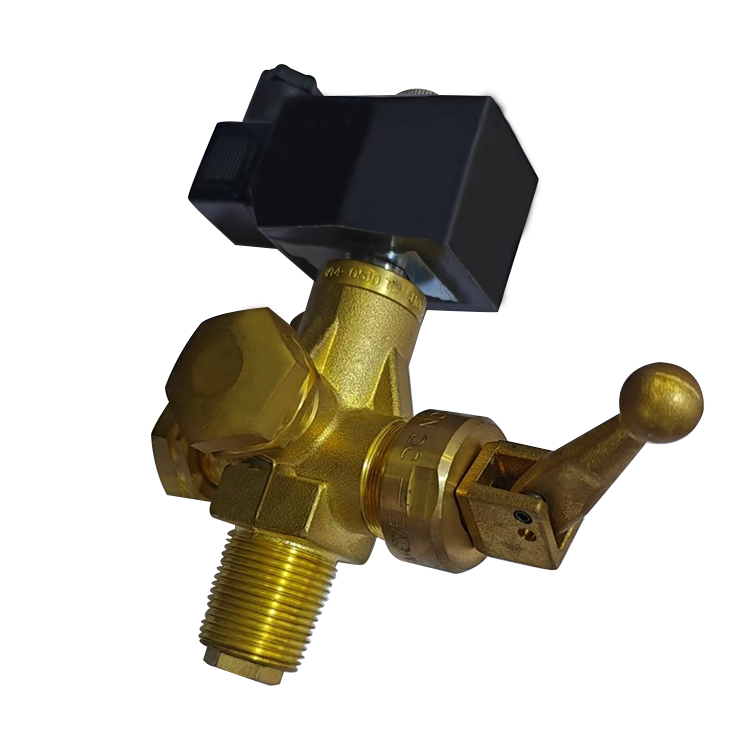
The alloy fire extinguisher valve represents a critical component in modern fire suppression systems, engineered with precision to deliver reliable performance when lives and property are at stake. This specialized valve combines advanced metallurgical technology with robust mechanical design to create a safety device that excels in demanding firefighting applications. Manufactured from high-grade aluminum alloys or brass compositions, the alloy fire extinguisher valve demonstrates superior resistance to corrosion, temperature fluctuations, and mechanical stress compared to traditional steel alternatives. The primary function of an alloy fire extinguisher valve centers on controlling the release of fire suppressant agents from portable and fixed fire extinguishing equipment. These valves feature precisely calibrated discharge mechanisms that ensure optimal flow rates and pressure management during emergency situations. The technological architecture incorporates spring-loaded actuators, precision-machined seats, and specialized sealing systems that maintain integrity under extreme conditions. Key technological features include multi-stage pressure regulation, tamper-resistant safety mechanisms, and compatibility with various extinguishing agents including water, foam, dry chemical powders, and clean agent gases. The valve construction utilizes computer-aided design principles to optimize internal flow dynamics, reducing turbulence and maximizing discharge efficiency. Applications for the alloy fire extinguisher valve span across residential, commercial, industrial, and marine environments. These valves serve essential roles in portable fire extinguishers, automatic sprinkler systems, deluge systems, and specialized suppression installations found in server rooms, aircraft hangars, and chemical processing facilities. The versatility of alloy fire extinguisher valve technology makes it suitable for both manual and automated fire protection systems, providing consistent performance across diverse operational scenarios. Regular maintenance protocols ensure long-term reliability and compliance with international safety standards.


New Product Recommendations

The alloy fire extinguisher valve offers numerous compelling advantages that make it an exceptional choice for fire protection systems across various industries and applications. Weight reduction stands as one of the most significant benefits, with alloy construction delivering up to forty percent less weight compared to traditional steel valves without compromising structural integrity or performance reliability. This weight advantage translates directly into easier handling for portable fire extinguishers, reduced installation costs for fixed systems, and improved mobility during emergency response situations. Corrosion resistance represents another major advantage of the alloy fire extinguisher valve, as advanced alloy compositions naturally resist oxidation, chemical degradation, and environmental weathering that commonly affects standard metal components. This resistance extends operational lifespan significantly, reducing replacement frequency and maintenance costs while ensuring consistent performance over decades of service. The enhanced durability means property owners invest less in ongoing maintenance while gaining greater confidence in their fire protection systems. Temperature stability provides crucial operational advantages, enabling the alloy fire extinguisher valve to function reliably across extreme temperature ranges without experiencing thermal expansion issues, seal degradation, or mechanical failure. This capability proves essential in environments subject to temperature fluctuations, from freezing warehouse conditions to high-heat industrial processes. Manufacturing precision achievable with alloy materials allows for tighter tolerances and more consistent quality control compared to conventional valve production methods. This precision translates into more predictable discharge characteristics, better pressure regulation, and reduced variation between individual units. Cost-effectiveness emerges through reduced total ownership expenses, combining lower initial weight-related shipping costs, extended service life, minimal maintenance requirements, and improved operational reliability. The alloy fire extinguisher valve delivers superior flow control characteristics due to optimized internal geometries possible with advanced alloy machining techniques. These flow improvements ensure more efficient suppressant delivery, faster response times, and better coverage patterns during fire suppression activities, ultimately providing enhanced protection for people and property while meeting stringent safety regulations and industry standards.

Practical Tips

The Ultimate Guide to Choosing the Right Fire Extinguisher for Your Home

02

Dec

The Ultimate Guide to Choosing the Right Fire Extinguisher for Your Home

Home fire safety is a critical concern that every homeowner must address proactively. A fire extinguisher serves as your first line of defense against small fires before they escalate into catastrophic events. Understanding the different types of fir...
View More
Dry Powder Fire Extinguisher: A Complete Guide to Uses and Limitations

16

Dec

Dry Powder Fire Extinguisher: A Complete Guide to Uses and Limitations

Fire safety remains a critical concern across industrial, commercial, and residential environments worldwide. Among the various firefighting solutions available today, the dry powder extinguisher stands out as one of the most versatile and widely dep...
View More
When to Use a Fire Blanket vs. a Fire Extinguisher: A Clear Guide

19

Dec

When to Use a Fire Blanket vs. a Fire Extinguisher: A Clear Guide

When faced with a fire emergency, having the right suppression tool can mean the difference between a minor incident and a catastrophic event. Two of the most common fire safety devices found in homes, kitchens, and workplaces are fire blankets and f...
View More
How to Read a Fire Extinguisher Pressure Gauge (With Pictures)

22

Dec

How to Read a Fire Extinguisher Pressure Gauge (With Pictures)

Understanding how to properly read a fire extinguisher pressure gauge is essential for maintaining fire safety equipment and ensuring optimal performance during emergencies. A pressure gauge serves as the primary indicator of whether your fire exting...
View More

Get a Free Quote

Our representative will contact you soon.
Email
Name
Company Name
Mobile/WhatsApp
Message
0/1000

alloy fire extinguisher valve

Superior Corrosion Resistance and Longevity

Superior Corrosion Resistance and Longevity

The exceptional corrosion resistance of the alloy fire extinguisher valve represents a breakthrough in fire safety equipment durability and long-term performance reliability. Unlike traditional steel or iron-based valve components that succumb to rust, oxidation, and chemical deterioration over time, the advanced alloy construction utilizes specially formulated aluminum or brass compositions that naturally resist environmental degradation. This resistance extends far beyond simple surface protection, penetrating throughout the entire valve structure to provide comprehensive defense against moisture, salt air, chemical vapors, and other corrosive elements commonly encountered in industrial, marine, and commercial environments. The molecular structure of these alloys creates an inherent barrier that prevents corrosive agents from compromising the valve's mechanical integrity, sealing surfaces, and internal components. This advantage becomes particularly crucial in coastal installations, chemical processing facilities, and outdoor applications where traditional valves frequently fail due to environmental exposure. Property owners benefit from significantly extended replacement intervals, often seeing service lives of fifteen to twenty years compared to five to seven years for conventional steel valves. The financial implications prove substantial, as reduced replacement frequency translates into lower lifecycle costs, decreased system downtime, and improved overall return on investment. Additionally, the maintained structural integrity ensures consistent discharge performance throughout the valve's operational life, preventing the flow restrictions and pressure irregularities that commonly develop as traditional valves corrode internally. This reliability factor becomes critical during emergency situations where any reduction in valve performance could compromise fire suppression effectiveness and endanger lives or property. The corrosion resistance also eliminates the need for protective coatings, specialized treatments, or frequent inspections that add complexity and expense to traditional valve maintenance programs, simplifying operational procedures while enhancing safety system reliability.
Lightweight Design for Enhanced Portability and Installation

Lightweight Design for Enhanced Portability and Installation

The lightweight characteristics of the alloy fire extinguisher valve deliver transformative benefits for both portable fire extinguishing equipment and fixed installation systems, fundamentally improving user experience and operational efficiency. Traditional steel valves can weigh significantly more than their alloy counterparts, creating unnecessary burden in portable applications and complicating installation procedures for fixed systems. The weight reduction achieved through alloy construction typically ranges from thirty to forty percent, translating into more manageable portable fire extinguishers that emergency responders and building occupants can deploy more effectively during crisis situations. This weight advantage proves particularly valuable in industrial settings where workers must carry fire extinguishers across large facilities, up stairs, or into confined spaces where every pound matters for safety and efficiency. For building maintenance teams and fire safety professionals, the reduced weight simplifies routine inspections, testing procedures, and equipment repositioning tasks that form essential components of comprehensive fire protection programs. In fixed installation applications, the lightweight nature of the alloy fire extinguisher valve reduces structural loading requirements, potentially eliminating the need for additional support frameworks or reinforcement measures that add cost and complexity to construction projects. Installation teams benefit from easier handling during mounting procedures, reducing physical strain and improving installation accuracy while decreasing the risk of installation-related injuries. The weight reduction also translates into lower shipping costs for equipment distributors and end users, as transportation expenses directly correlate with package weight in most freight systems. This advantage becomes particularly significant for international shipments or large-scale procurement programs where cumulative weight savings generate substantial cost reductions. Furthermore, the lighter weight facilitates emergency response scenarios where fire suppression equipment must be rapidly deployed or relocated, enabling faster response times and more agile firefighting operations that can prove crucial for protecting lives and minimizing property damage.
Precision Engineering for Optimal Flow Control

Precision Engineering for Optimal Flow Control

The precision engineering capabilities inherent in alloy fire extinguisher valve manufacturing deliver superior flow control characteristics that significantly enhance fire suppression system effectiveness and reliability. Advanced alloy materials enable manufacturers to achieve tighter machining tolerances and more sophisticated internal geometries compared to traditional valve production methods, resulting in optimized flow patterns, reduced turbulence, and more predictable discharge characteristics. The precision manufacturing process allows for computer-controlled machining operations that create perfectly smooth internal surfaces, eliminating the rough textures and dimensional variations that commonly affect flow efficiency in conventional steel valves. This precision translates directly into improved suppressant delivery rates, ensuring that fire extinguishing agents reach their intended targets with maximum velocity and coverage area. The enhanced flow control proves particularly beneficial in critical applications such as server room protection systems, aircraft hangars, and chemical storage facilities where precise agent distribution determines suppression system effectiveness. Valve seat manufacturing achieves exceptional flatness and surface finish quality, creating superior sealing performance that prevents leakage while ensuring instant, full-flow activation when needed. The precision-machined components maintain their dimensional accuracy over extended service periods, avoiding the gradual wear and deformation that commonly degrades flow performance in traditional valves. This consistency ensures that fire protection systems maintain their designed performance characteristics throughout their operational lifespan, providing building owners and safety managers with confidence in their emergency preparedness capabilities. The optimized internal flow paths reduce pressure drop across the valve, enabling more efficient system operation and potentially allowing for smaller pump requirements or reduced system complexity in fixed installations. Quality control procedures during precision manufacturing identify and eliminate dimensional variations that could affect performance, ensuring consistent behavior across entire valve populations and simplifying system design calculations for fire protection engineers and installers.

Get a Free Quote

Our representative will contact you soon.
Email
Name
Company Name
Mobile/WhatsApp
Message
0/1000
email goToTop