cheap fire extinguisher
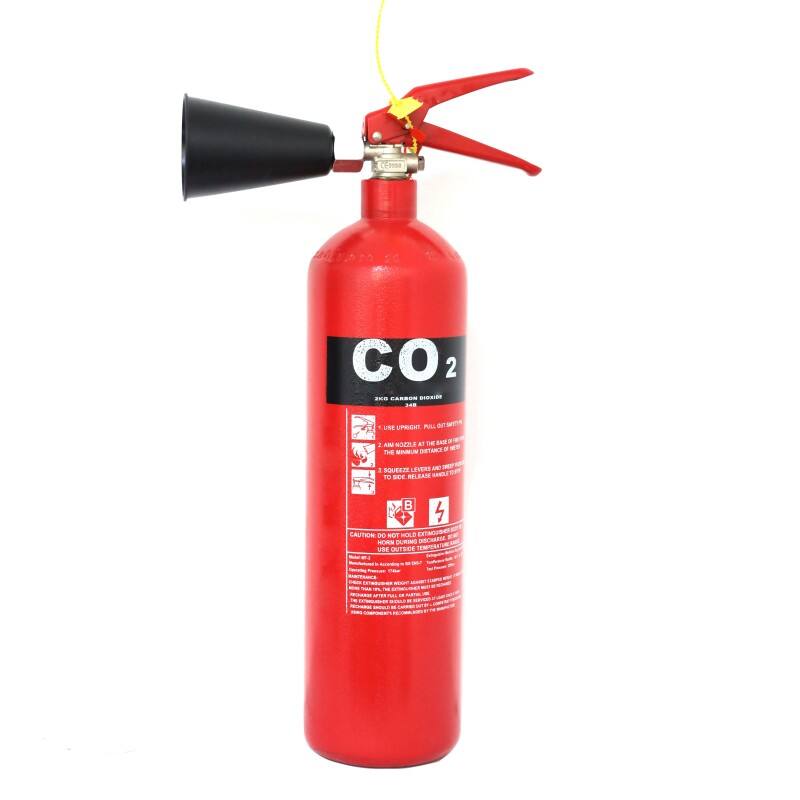
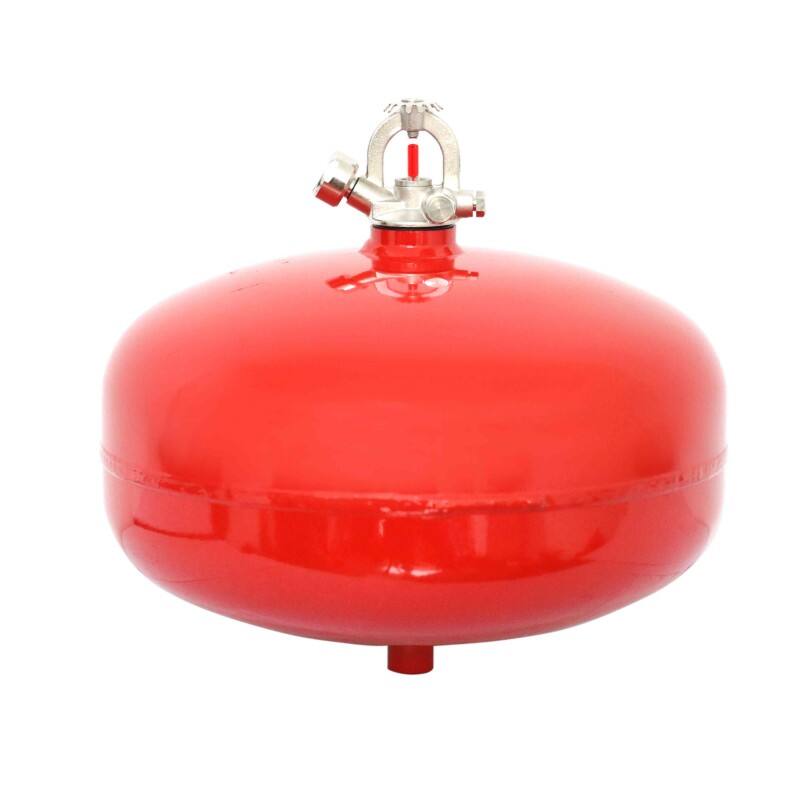
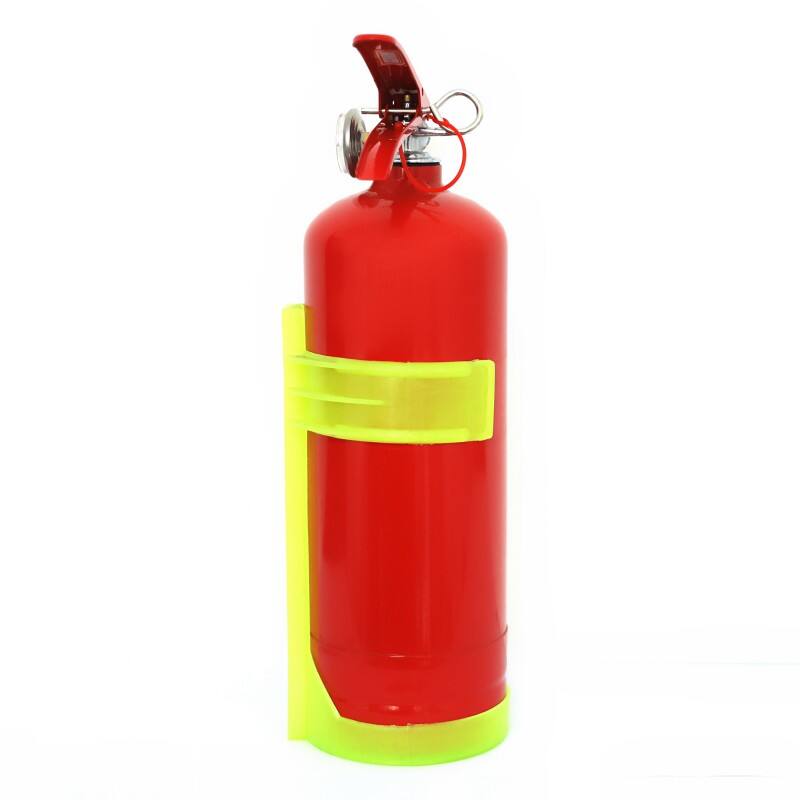
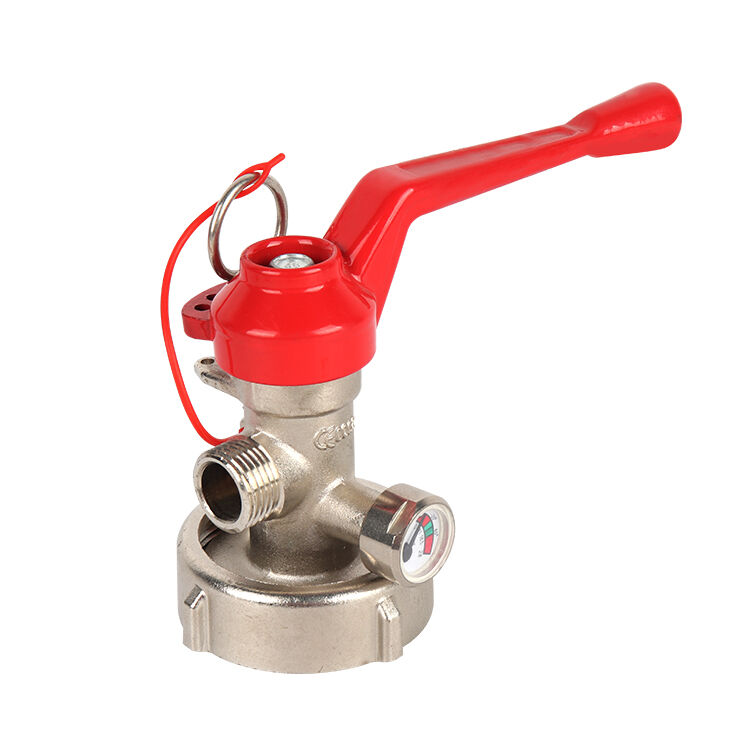
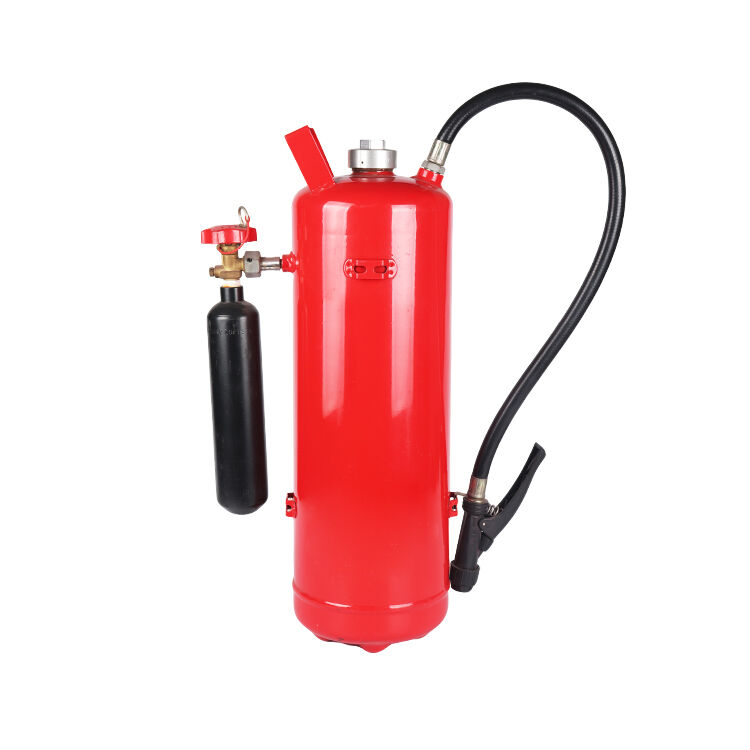
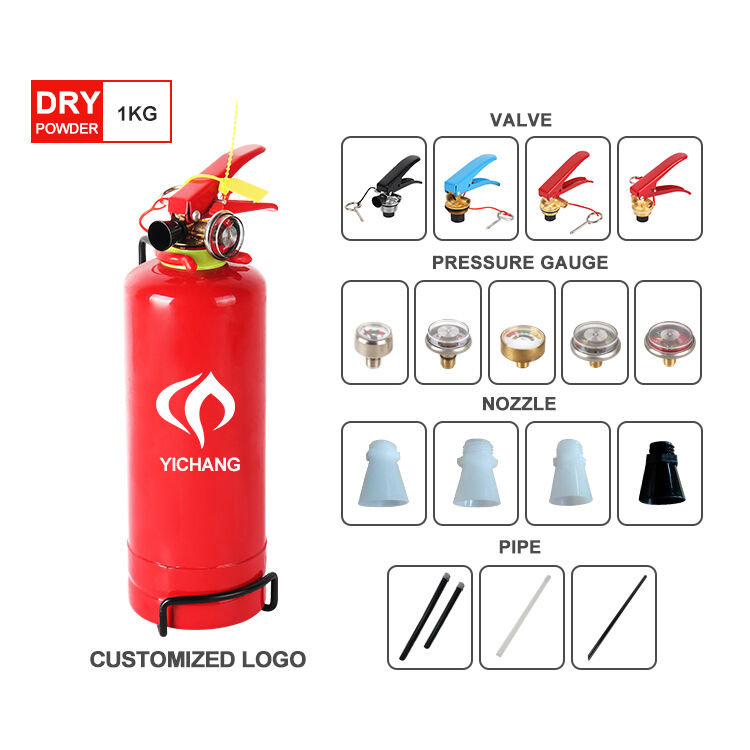
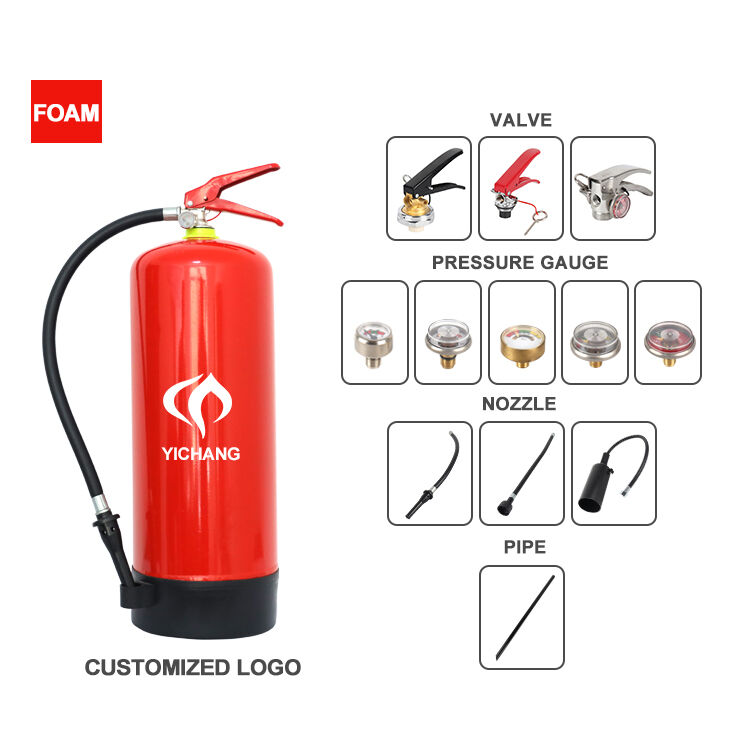
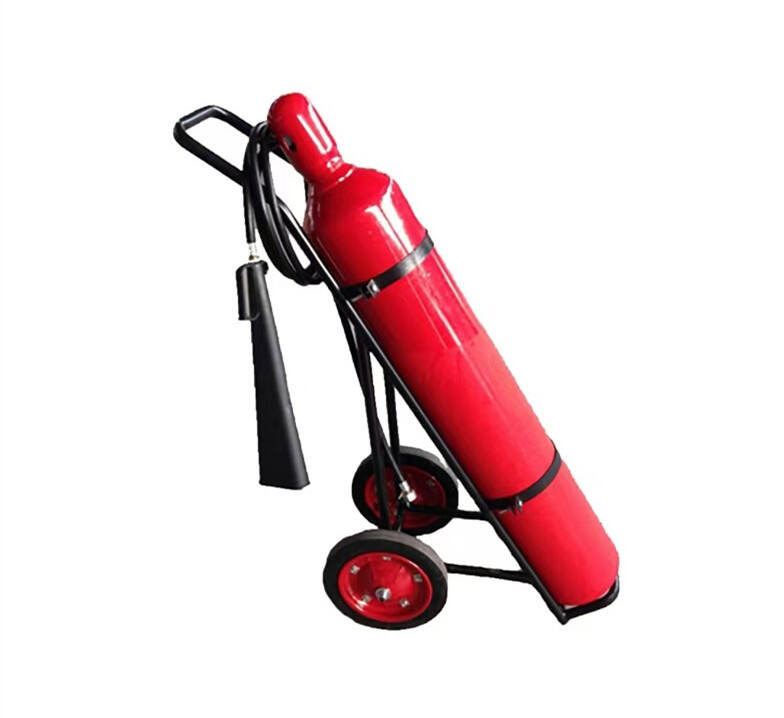
A cheap fire extinguisher represents an essential safety investment that provides reliable fire suppression capabilities without compromising your budget. These affordable fire safety devices incorporate proven extinguishing agents and reliable discharge mechanisms to combat various fire classes effectively. Modern cheap fire extinguishers utilize dry chemical powder, foam, or carbon dioxide as primary suppression agents, each designed to interrupt the combustion process through different scientific principles. The dry chemical variants work by creating a barrier between fuel and oxygen while simultaneously cooling the burning material. Foam-based cheap fire extinguishers generate a blanket effect that smothers flames and prevents re-ignition by sealing the fuel surface. Carbon dioxide models displace oxygen in the immediate fire zone, effectively suffocating the flames without leaving residue. Technologically, these budget-friendly units feature pressure gauges that indicate readiness status, safety pins that prevent accidental discharge, and ergonomic handles for comfortable operation during emergency situations. The construction typically involves steel cylinders with protective coatings to resist corrosion and environmental damage. Valve assemblies incorporate spring-loaded mechanisms that ensure consistent pressure delivery when activated. Applications for cheap fire extinguishers span residential homes, small businesses, vehicles, workshops, and educational facilities. Homeowners install them in kitchens, garages, and basements to address cooking fires, electrical hazards, and flammable liquid incidents. Small retail establishments rely on these units to protect merchandise and ensure customer safety compliance with local fire codes. Automotive applications include placement in cars, trucks, and recreational vehicles where engine fires or fuel-related incidents might occur. Workshop environments benefit from having multiple cheap fire extinguishers positioned near welding stations, paint storage areas, and electrical panels. Educational institutions use them in classrooms, laboratories, and administrative offices to maintain comprehensive fire protection coverage while managing operational costs effectively.

 EN
EN