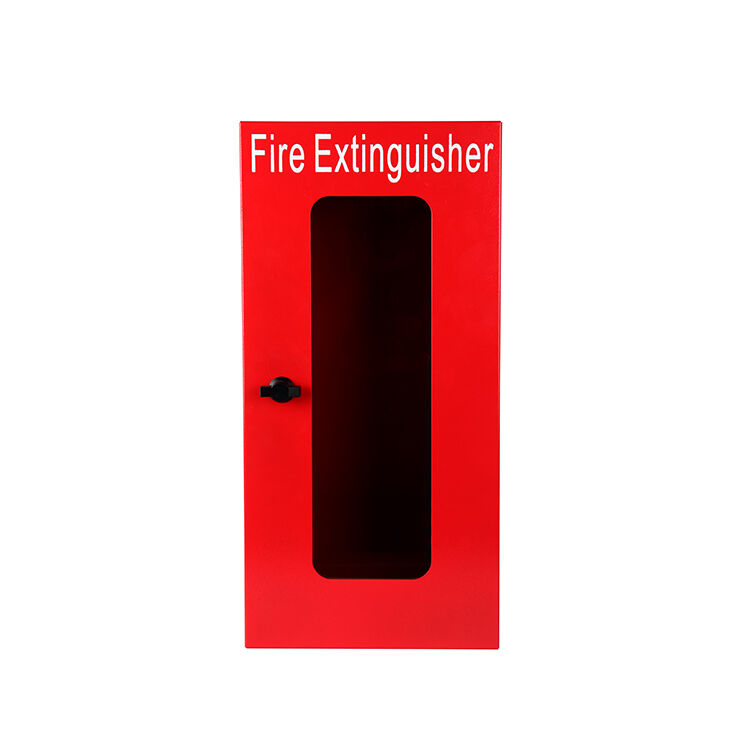
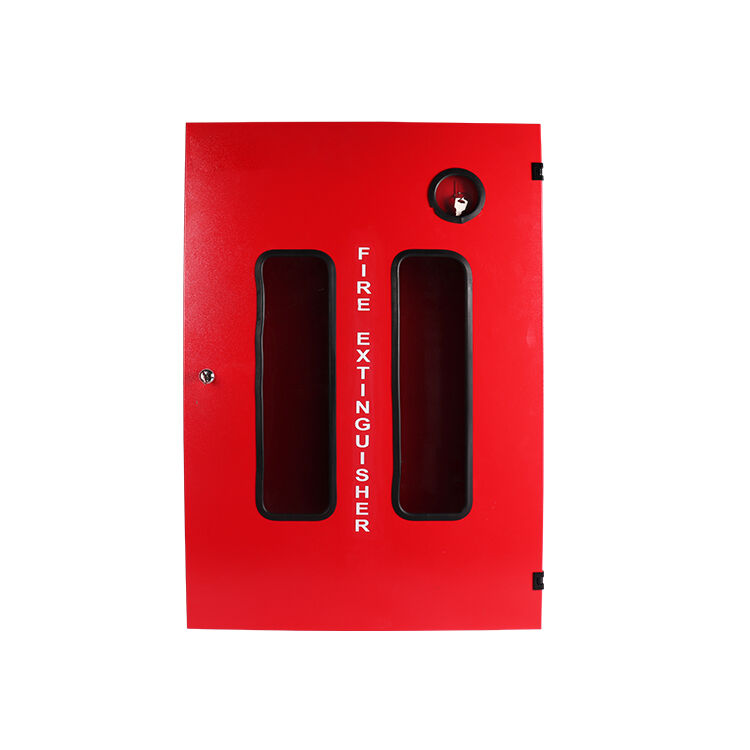
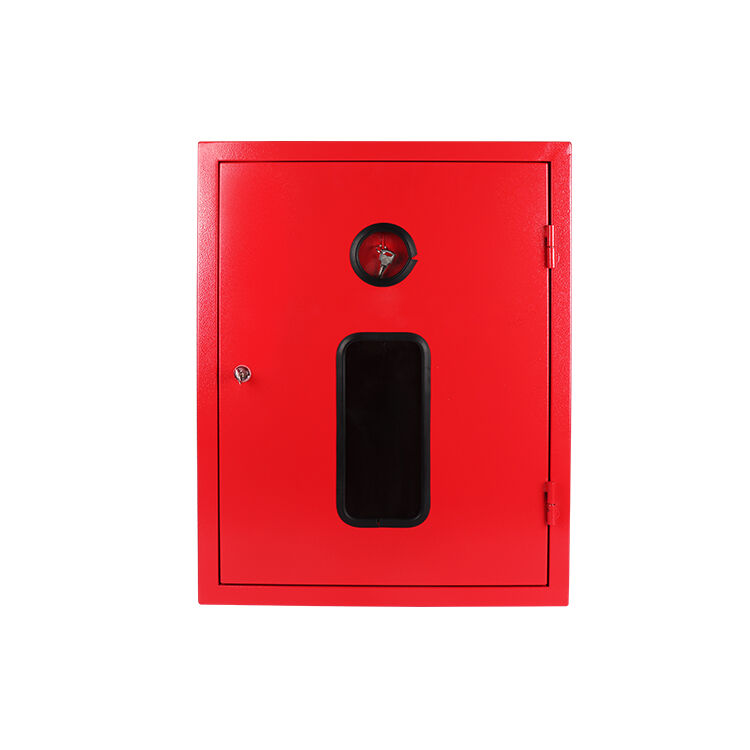
commercial building fire cabinet
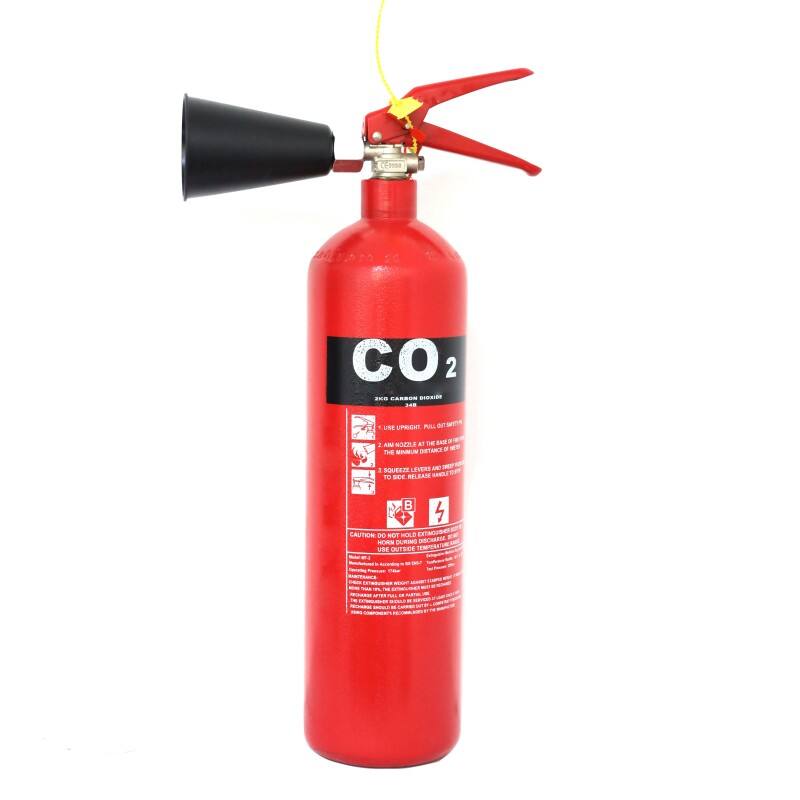
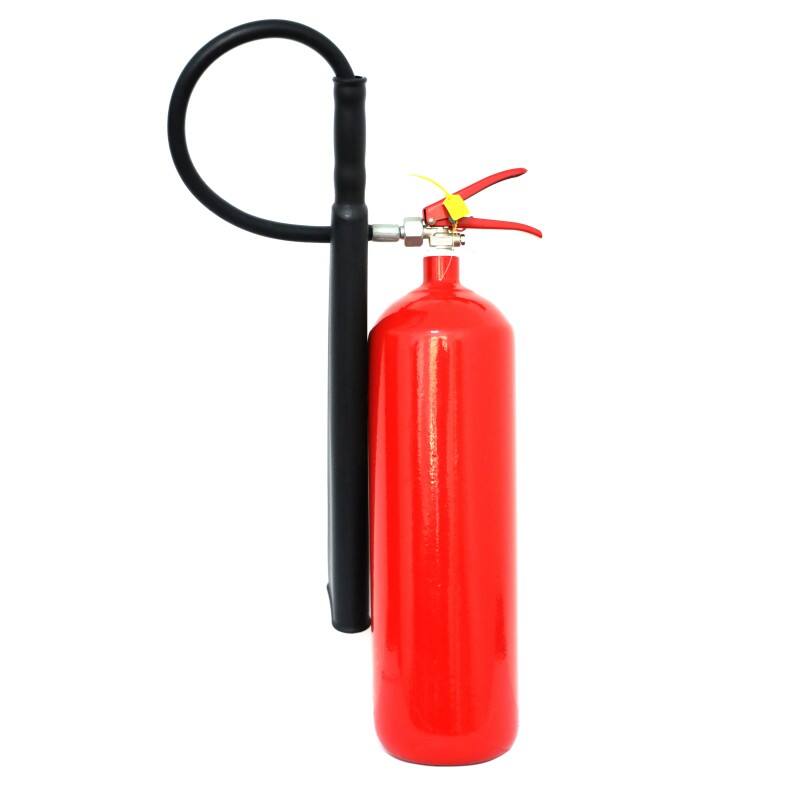
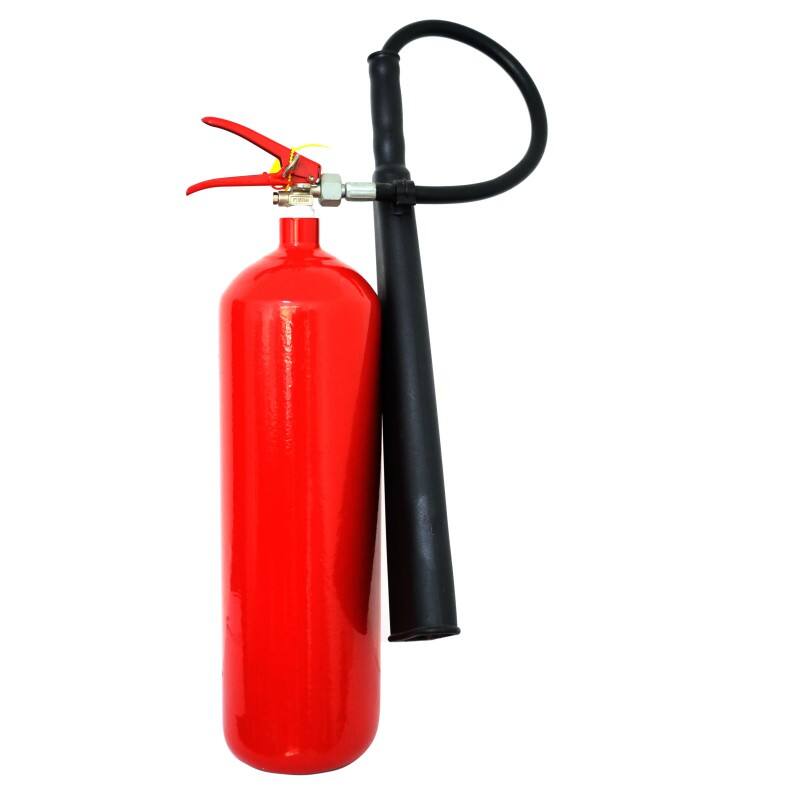
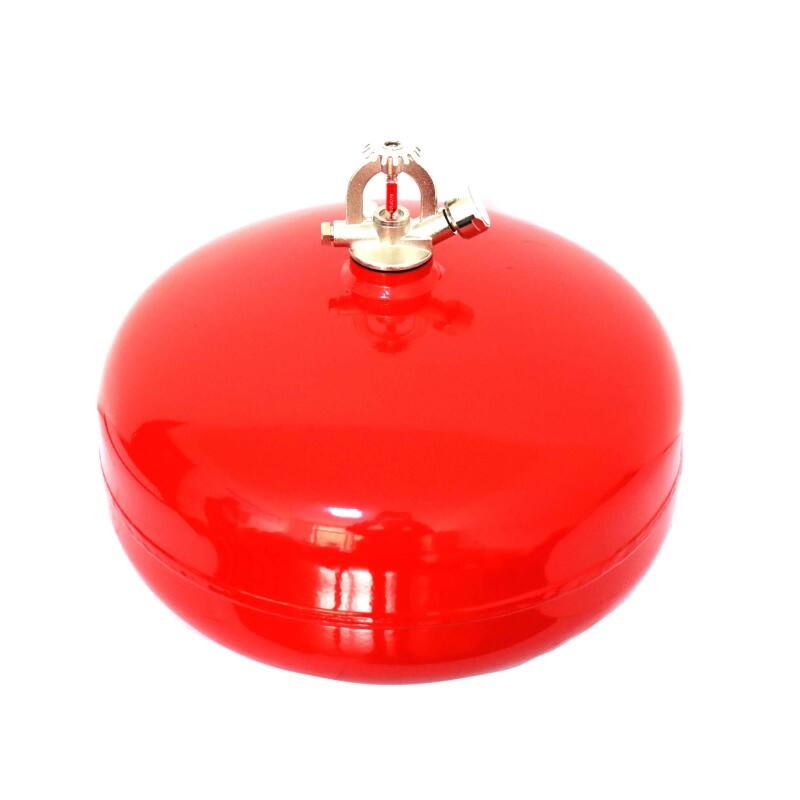
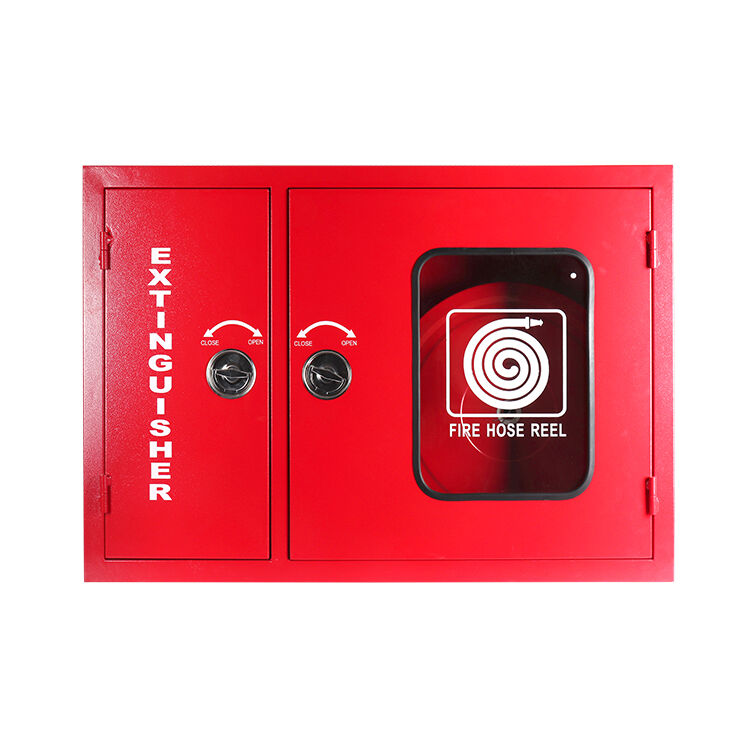
A commercial building fire cabinet represents an essential safety infrastructure component designed to house critical firefighting equipment and emergency response tools within office complexes, retail establishments, hotels, hospitals, and industrial facilities. These specialized storage units serve as centralized hubs for fire suppression materials, ensuring immediate accessibility during emergency situations while maintaining organized storage protocols that comply with local fire safety regulations and building codes. The commercial building fire cabinet typically contains fire extinguishers, emergency lighting systems, smoke detection equipment, first aid supplies, emergency communication devices, and specialized firefighting tools necessary for initial response efforts. Modern fire cabinet designs incorporate advanced materials such as reinforced steel construction, tamper-resistant locking mechanisms, and weather-resistant finishes that withstand harsh environmental conditions while maintaining structural integrity over extended periods. The cabinet's internal organization features adjustable shelving systems, designated compartments for different equipment types, and clear labeling systems that enable quick identification and retrieval of specific items during high-stress emergency scenarios. Installation requirements for commercial building fire cabinets involve strategic placement throughout the facility at predetermined intervals, typically positioned near main corridors, stairwells, and high-traffic areas to maximize accessibility while ensuring compliance with local fire marshal regulations. These units often integrate with building-wide fire alarm systems, providing automated notifications when cabinet doors are opened or when equipment is removed, creating comprehensive monitoring capabilities that enhance overall facility safety protocols. The commercial building fire cabinet design accommodates various building architectures through wall-mounted, recessed, or free-standing configurations, allowing facility managers to optimize placement based on structural limitations and aesthetic considerations while maintaining full functionality and code compliance requirements.

 EN
EN