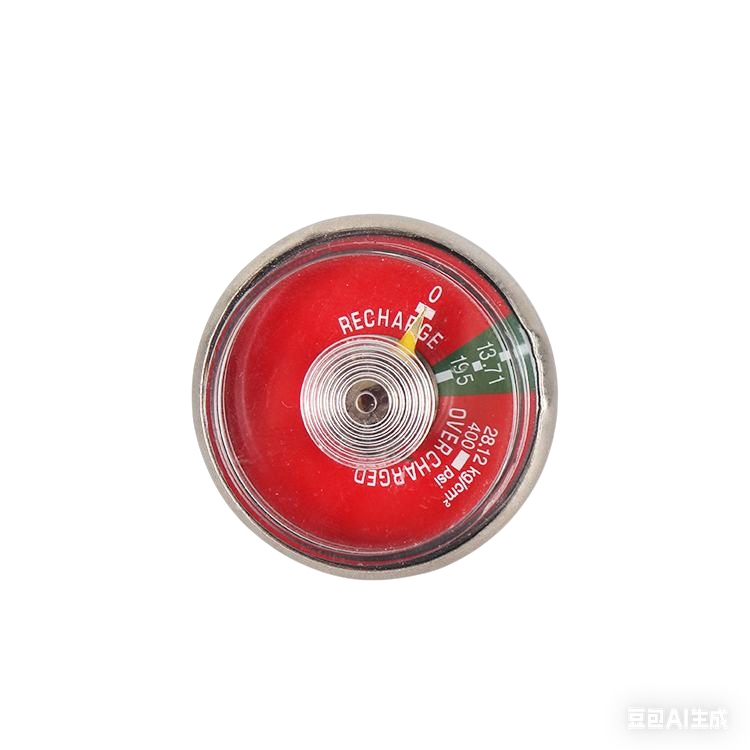
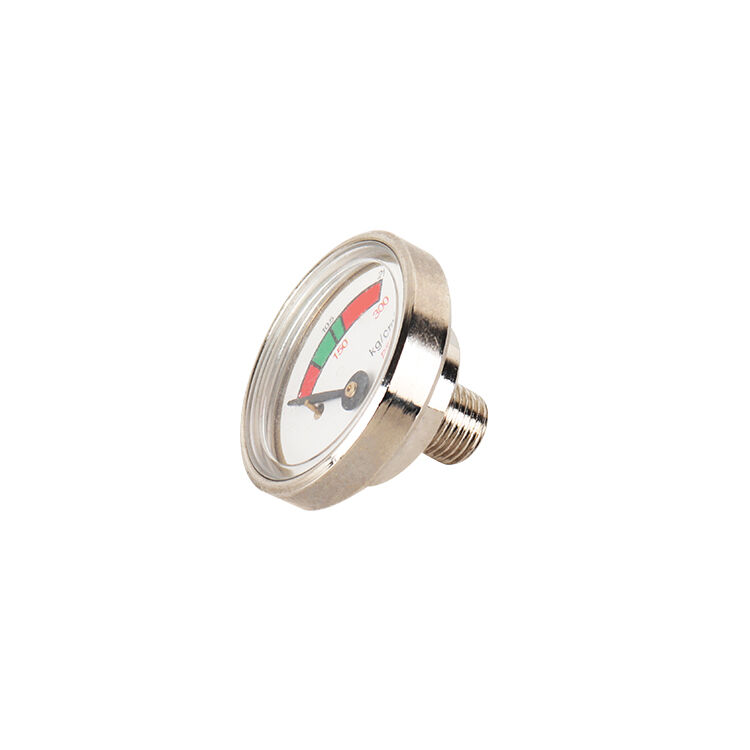
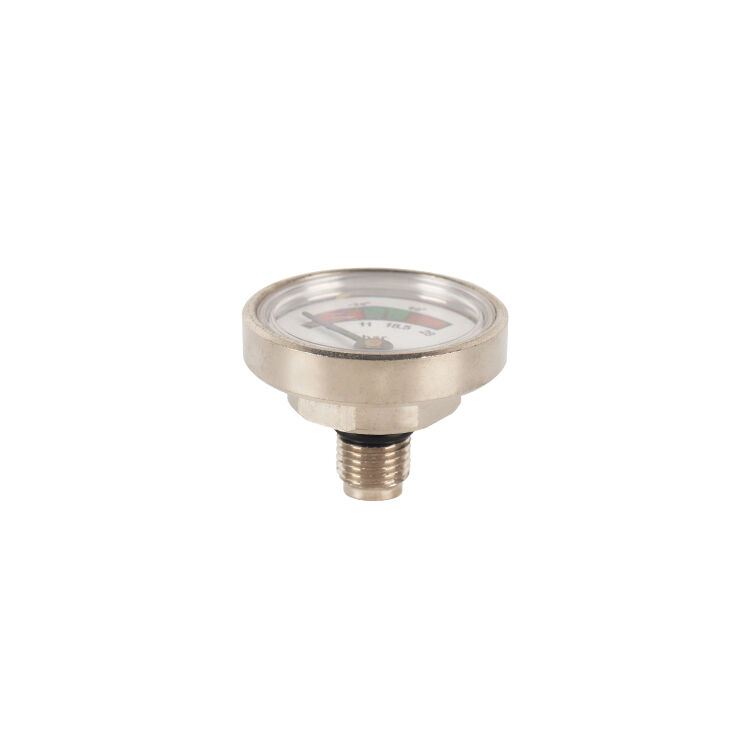
Diaphragm Type Pressure Gauge - Precision Measurement Solutions for Industrial Applications

Download Catalogue
All Categories

Get a Free Quote

Our representative will contact you soon.
Email
Name
Company Name
Mobile/WhatsApp
Message
0/1000

diaphragm type pressure gauge

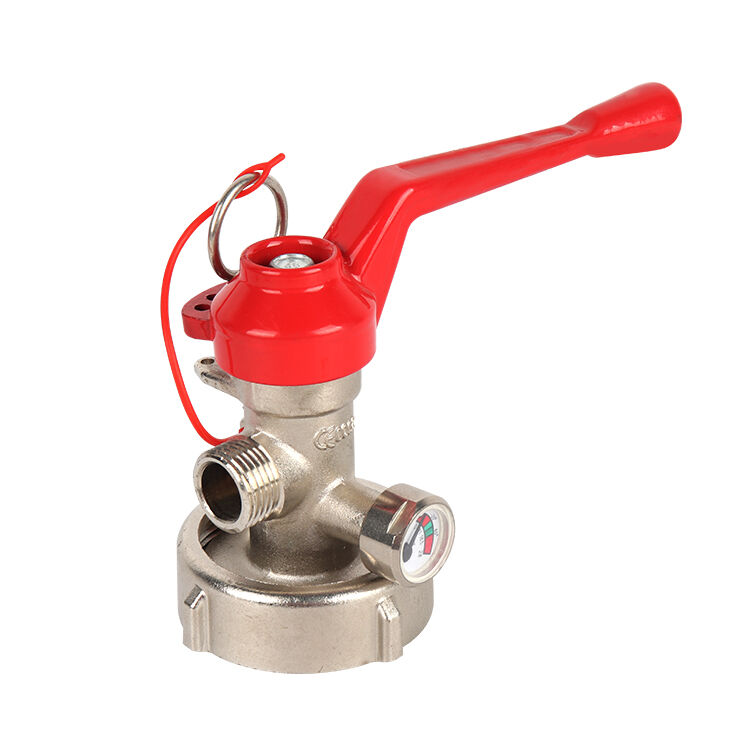
A diaphragm type pressure gauge represents a sophisticated pressure measurement instrument that utilizes a flexible metallic or non-metallic diaphragm as its primary sensing element. This precision device operates by converting pressure variations into mechanical displacement, which is then transmitted through a mechanical linkage system to display accurate pressure readings on a calibrated dial. The diaphragm type pressure gauge consists of several essential components including the pressure-sensitive diaphragm, a mechanical amplification system, pointer mechanism, and protective housing. The diaphragm itself serves as the core sensing element, responding to applied pressure by flexing proportionally to the pressure differential across its surface. This flexural movement is mechanically amplified and converted into rotational motion that drives the indicator pointer across the measurement scale. The technological architecture of diaphragm type pressure gauge systems incorporates advanced materials engineering to ensure optimal performance characteristics. Modern diaphragm materials range from stainless steel alloys to specialized elastomers, each selected based on specific application requirements including chemical compatibility, temperature resistance, and pressure range capabilities. The gauge housing typically features robust construction with materials such as stainless steel, aluminum, or specialized polymers depending on environmental conditions and application demands. Applications for diaphragm type pressure gauge instruments span numerous industrial sectors including pharmaceutical manufacturing, food processing, chemical production, water treatment facilities, and HVAC systems. These versatile instruments excel in measuring low to medium pressure ranges with exceptional accuracy and reliability. The diaphragm type pressure gauge particularly demonstrates superior performance in applications involving corrosive media, viscous fluids, or processes requiring sanitary conditions. Manufacturing facilities rely on diaphragm type pressure gauge technology for process monitoring, quality control, and safety management systems where precise pressure measurement is critical for operational efficiency and regulatory compliance.


New Product Recommendations

The diaphragm type pressure gauge delivers exceptional measurement accuracy that surpasses many traditional pressure sensing technologies. This superior precision stems from the direct mechanical coupling between the diaphragm sensing element and the indication mechanism, eliminating potential sources of measurement error commonly found in other gauge types. Users benefit from consistent, reliable readings that maintain accuracy over extended operational periods, reducing the need for frequent recalibration and ensuring process stability. The robust construction of diaphragm type pressure gauge systems provides outstanding durability in challenging industrial environments. These instruments resist vibration, shock, and temperature fluctuations better than conventional bourdon tube gauges, resulting in longer service life and reduced maintenance costs. Manufacturing facilities experience fewer instrument failures and extended intervals between replacement cycles, directly translating to improved operational efficiency and cost savings. Chemical compatibility represents another significant advantage of diaphragm type pressure gauge technology. The diaphragm barrier effectively isolates the internal mechanism from process media, preventing corrosion and contamination that could compromise measurement accuracy or cause premature failure. This isolation capability allows users to measure pressure in aggressive chemical environments, corrosive gases, and contaminated fluids without risking gauge damage or measurement degradation. The diaphragm type pressure gauge excels in low-pressure measurement applications where other gauge technologies may lack sufficient sensitivity. The large surface area of the diaphragm sensing element provides enhanced response to small pressure changes, enabling accurate measurement of subtle pressure variations that are critical in many process control applications. Users can monitor low-pressure systems with confidence, knowing their measurements reflect actual process conditions accurately. Installation versatility makes the diaphragm type pressure gauge suitable for diverse mounting configurations and spatial constraints. These instruments accommodate various connection types, mounting orientations, and environmental conditions without compromising performance. Maintenance teams appreciate the straightforward installation procedures and minimal ongoing service requirements, while operators benefit from clear, easy-to-read displays that facilitate quick pressure assessments during routine monitoring activities. The responsive nature of diaphragm type pressure gauge systems ensures real-time pressure monitoring capabilities essential for dynamic process control applications.

Practical Tips

The Ultimate Guide to Choosing the Right Fire Extinguisher for Your Home

02

Dec

The Ultimate Guide to Choosing the Right Fire Extinguisher for Your Home

Home fire safety is a critical concern that every homeowner must address proactively. A fire extinguisher serves as your first line of defense against small fires before they escalate into catastrophic events. Understanding the different types of fir...
View More
Dry Powder Fire Extinguisher: A Complete Guide to Uses and Limitations

16

Dec

Dry Powder Fire Extinguisher: A Complete Guide to Uses and Limitations

Fire safety remains a critical concern across industrial, commercial, and residential environments worldwide. Among the various firefighting solutions available today, the dry powder extinguisher stands out as one of the most versatile and widely dep...
View More
When to Use a Fire Blanket vs. a Fire Extinguisher: A Clear Guide

19

Dec

When to Use a Fire Blanket vs. a Fire Extinguisher: A Clear Guide

When faced with a fire emergency, having the right suppression tool can mean the difference between a minor incident and a catastrophic event. Two of the most common fire safety devices found in homes, kitchens, and workplaces are fire blankets and f...
View More
How to Read a Fire Extinguisher Pressure Gauge (With Pictures)

22

Dec

How to Read a Fire Extinguisher Pressure Gauge (With Pictures)

Understanding how to properly read a fire extinguisher pressure gauge is essential for maintaining fire safety equipment and ensuring optimal performance during emergencies. A pressure gauge serves as the primary indicator of whether your fire exting...
View More

Get a Free Quote

Our representative will contact you soon.
Email
Name
Company Name
Mobile/WhatsApp
Message
0/1000

diaphragm type pressure gauge

Superior Chemical Resistance and Process Isolation

Superior Chemical Resistance and Process Isolation

The diaphragm type pressure gauge incorporates advanced isolation technology that creates an impermeable barrier between corrosive process media and sensitive internal components. This sophisticated design feature utilizes specialized diaphragm materials engineered to withstand exposure to aggressive chemicals, acids, bases, and solvents that would rapidly degrade conventional pressure measurement devices. The isolation capability extends beyond simple chemical resistance to include protection against particulate contamination, viscous substances, and crystallizing materials that could clog or damage traditional gauge mechanisms. Manufacturing facilities processing corrosive chemicals benefit enormously from this isolation technology, as it eliminates the risk of gauge failure due to media incompatibility while maintaining measurement accuracy throughout the instrument's operational life. The diaphragm barrier effectively prevents process contamination of the gauge internals, ensuring that measurements remain reliable even in the most challenging chemical environments. This protection translates directly to reduced maintenance costs, extended service intervals, and improved process safety for operators and equipment. Industries such as pharmaceutical manufacturing, chemical processing, and water treatment rely heavily on this chemical resistance capability to maintain regulatory compliance and operational integrity. The diaphragm type pressure gauge design allows for easy diaphragm replacement when necessary, providing a cost-effective maintenance solution that extends overall instrument life while maintaining peak performance characteristics. Users can confidently deploy these instruments in applications involving unknown or variable chemical compositions, knowing that the isolation barrier will protect the measurement system from damage while delivering consistent, accurate pressure readings.
Enhanced Low-Pressure Measurement Sensitivity

Enhanced Low-Pressure Measurement Sensitivity

The diaphragm type pressure gauge demonstrates exceptional sensitivity in low-pressure measurement applications through its large-area diaphragm sensing element that responds proportionally to minimal pressure variations. This enhanced sensitivity capability stems from the fundamental design principle where the diaphragm's surface area directly influences the mechanical force generated by applied pressure, creating amplified response characteristics that enable accurate measurement of subtle pressure changes. Manufacturing processes requiring precise control of low-pressure systems benefit significantly from this enhanced sensitivity, as operators can detect and respond to pressure variations that would be undetectable using conventional measurement technologies. The large diaphragm surface area combined with precision mechanical linkages creates a measurement system capable of resolving pressure differences as small as fractions of standard measurement units, providing the resolution necessary for critical process control applications. Quality control procedures in industries such as food processing, pharmaceutical manufacturing, and semiconductor production rely on this enhanced sensitivity to maintain product specifications and regulatory compliance standards. The diaphragm type pressure gauge sensitivity advantage extends to applications involving gas pressure monitoring, vacuum system control, and delicate process operations where maintaining precise pressure conditions is essential for product quality and operational safety. Users appreciate the ability to establish tighter process control parameters, resulting in improved product consistency, reduced waste, and enhanced operational efficiency. The responsive nature of the diaphragm sensing element ensures rapid detection of pressure transients, enabling prompt corrective actions that prevent process deviations and maintain optimal operating conditions throughout production cycles.
Exceptional Durability and Maintenance Efficiency

Exceptional Durability and Maintenance Efficiency

The diaphragm type pressure gauge incorporates robust engineering principles that deliver exceptional operational durability while minimizing maintenance requirements throughout its service life. The mechanical design eliminates many wear-prone components found in alternative pressure measurement technologies, utilizing a simple yet effective mechanism that converts diaphragm deflection directly into pointer movement without complex intermediate systems that could introduce failure points. This streamlined mechanical arrangement reduces the potential for component wear, mechanical drift, and calibration degradation that commonly affects other gauge technologies over time. Industrial facilities benefit from extended operational periods between maintenance intervals, reducing both direct maintenance costs and indirect costs associated with process downtime during instrument service activities. The diaphragm type pressure gauge construction utilizes high-quality materials selected for their resistance to fatigue, corrosion, and environmental degradation, ensuring consistent performance in demanding industrial environments. Vibration resistance represents another crucial durability advantage, as the diaphragm sensing element naturally dampens mechanical disturbances that could affect measurement accuracy or cause premature component failure in less robust gauge designs. Manufacturing operations in high-vibration environments such as compressor stations, pumping facilities, and heavy industrial processes rely on this vibration tolerance to maintain accurate pressure monitoring without frequent recalibration or replacement. The maintenance efficiency of diaphragm type pressure gauge systems extends to simplified troubleshooting procedures and straightforward component replacement when service becomes necessary. Maintenance technicians appreciate the accessible design that facilitates quick inspection, cleaning, and component replacement without requiring specialized tools or extensive disassembly procedures, minimizing maintenance time and associated labor costs while ensuring continued reliable operation.

Get a Free Quote

Our representative will contact you soon.
Email
Name
Company Name
Mobile/WhatsApp
Message
0/1000
email goToTop