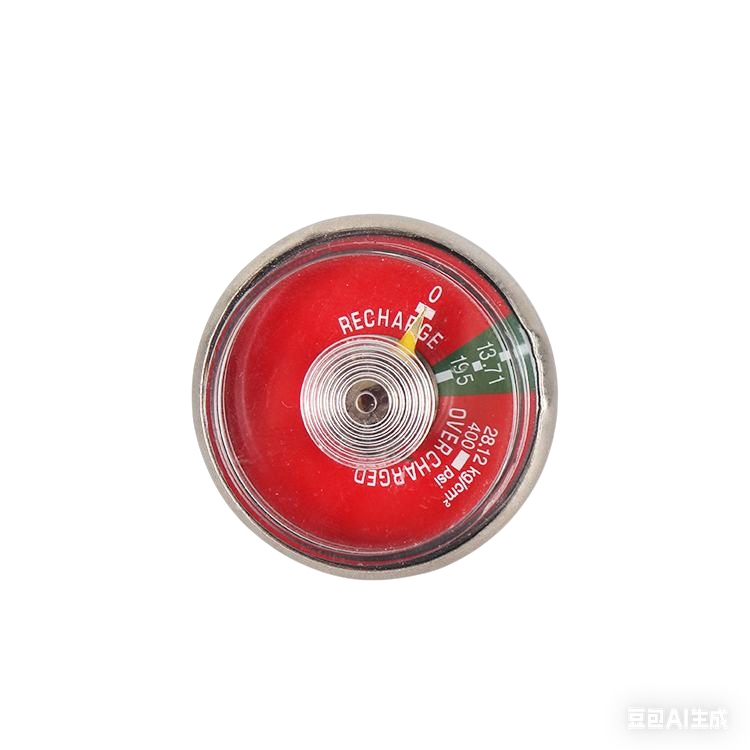
cylinder pressure gauge
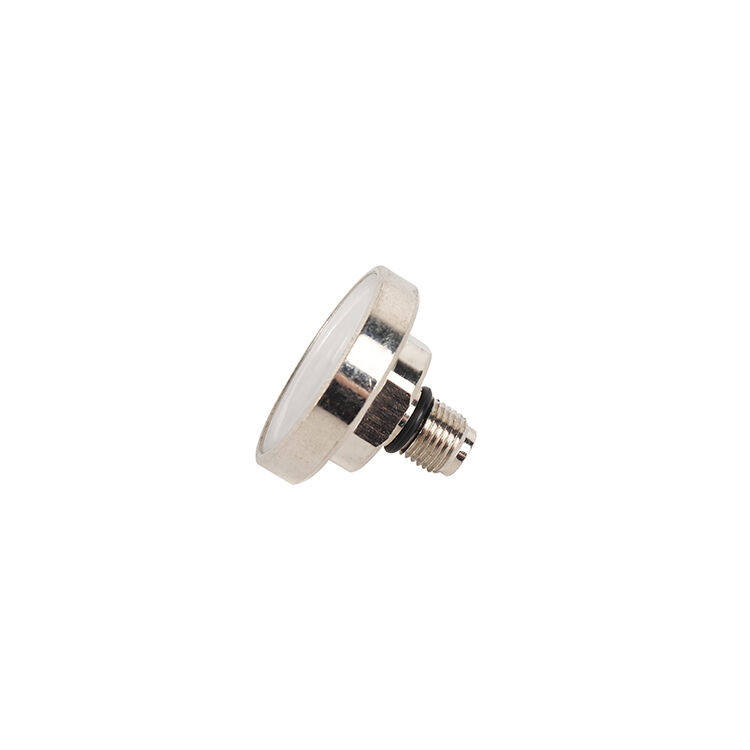
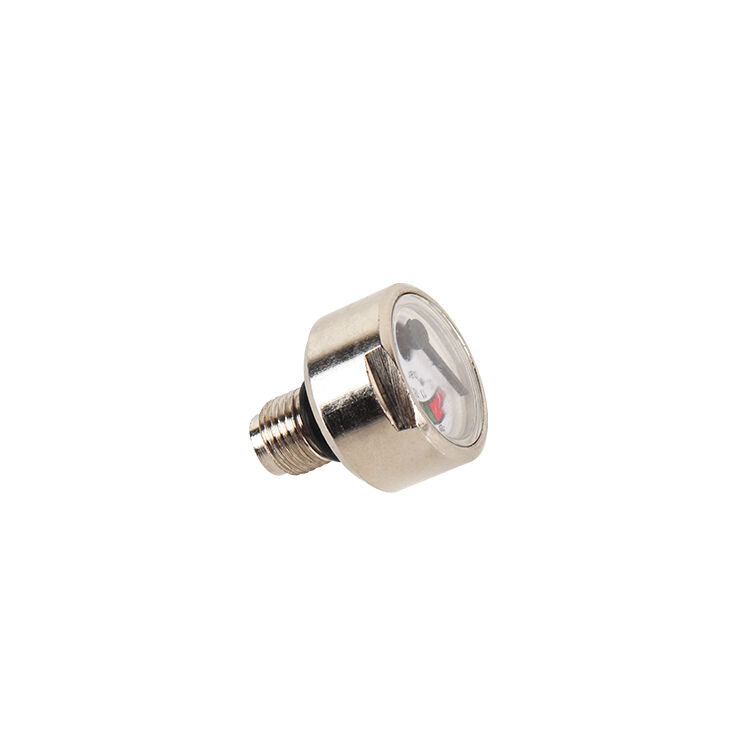
The cylinder pressure gauge stands as an essential diagnostic instrument designed to measure internal combustion engine compression levels with remarkable precision. This sophisticated measuring device plays a critical role in automotive maintenance, industrial equipment servicing, and marine engine diagnostics by providing accurate readings of cylinder pressure during compression strokes. Modern cylinder pressure gauges incorporate advanced pressure sensing technology that delivers reliable measurements across various engine types, from small motorcycle engines to heavy-duty industrial powerplants. The primary function of a cylinder pressure gauge involves detecting compression issues that could indicate worn piston rings, damaged valves, blown head gaskets, or other internal engine problems. These instruments typically feature robust construction with stainless steel components and reinforced pressure lines capable of withstanding extreme temperatures and vibrations common in engine bay environments. Contemporary models often include digital displays that provide clear, easy-to-read measurements in multiple units including PSI, BAR, and KPA. The technological architecture of cylinder pressure gauges incorporates precision-engineered sensors that respond instantly to pressure changes, ensuring accurate real-time readings during engine operation. Many advanced units feature memory functions that store previous readings for comparative analysis and trend monitoring. Professional-grade cylinder pressure gauges often include interchangeable adapters to accommodate different spark plug thread sizes and configurations, making them versatile tools suitable for various engine applications. The measurement range typically spans from 0 to 300 PSI or higher, depending on the specific model and intended application. Quality cylinder pressure gauges also incorporate safety features such as pressure relief valves and reinforced connections to prevent equipment damage during high-pressure testing scenarios. These instruments prove invaluable for mechanics, technicians, and equipment operators who need to assess engine health, diagnose performance issues, and determine maintenance requirements with confidence and accuracy.

 EN
EN