Dry Chemical Type Fire Extinguisher: Complete Guide to Multi-Class Fire Protection Solutions

Download Catalogue
All Categories

Get a Free Quote

Our representative will contact you soon.
Email
Name
Company Name
Mobile/WhatsApp
Message
0/1000

dry chemical type fire extinguisher

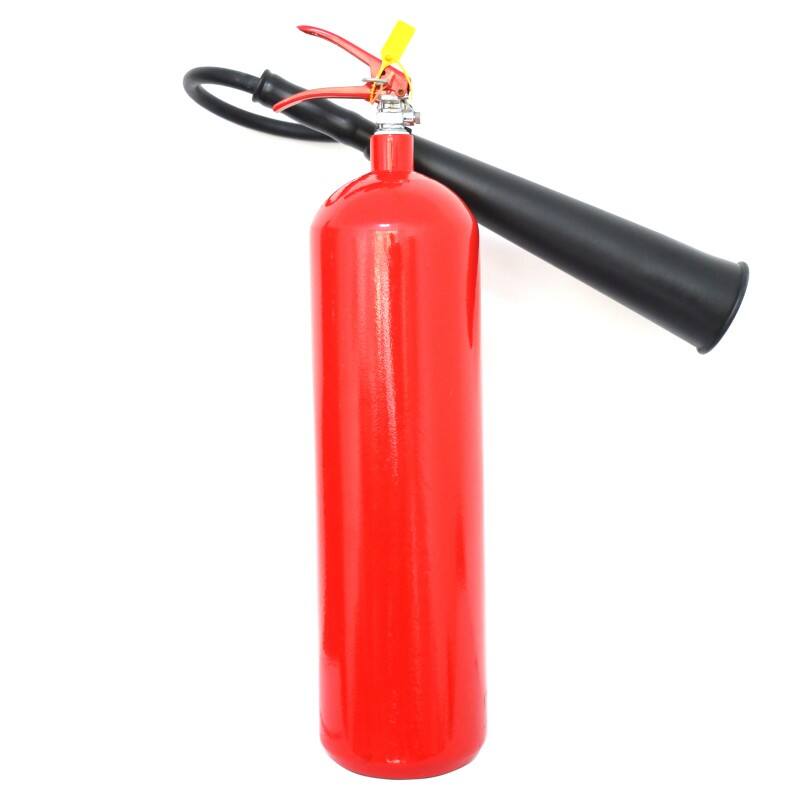
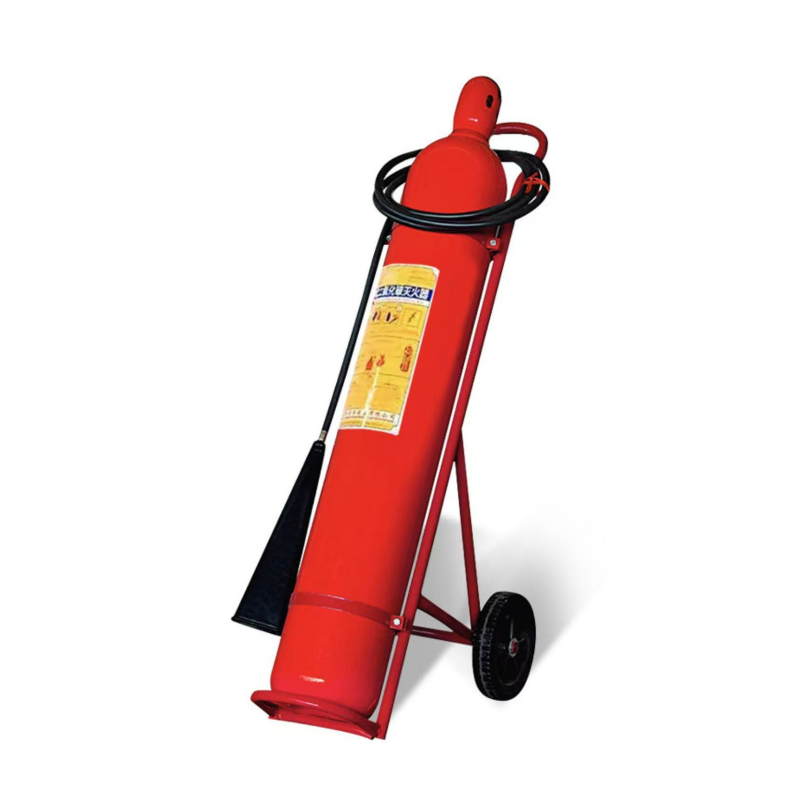
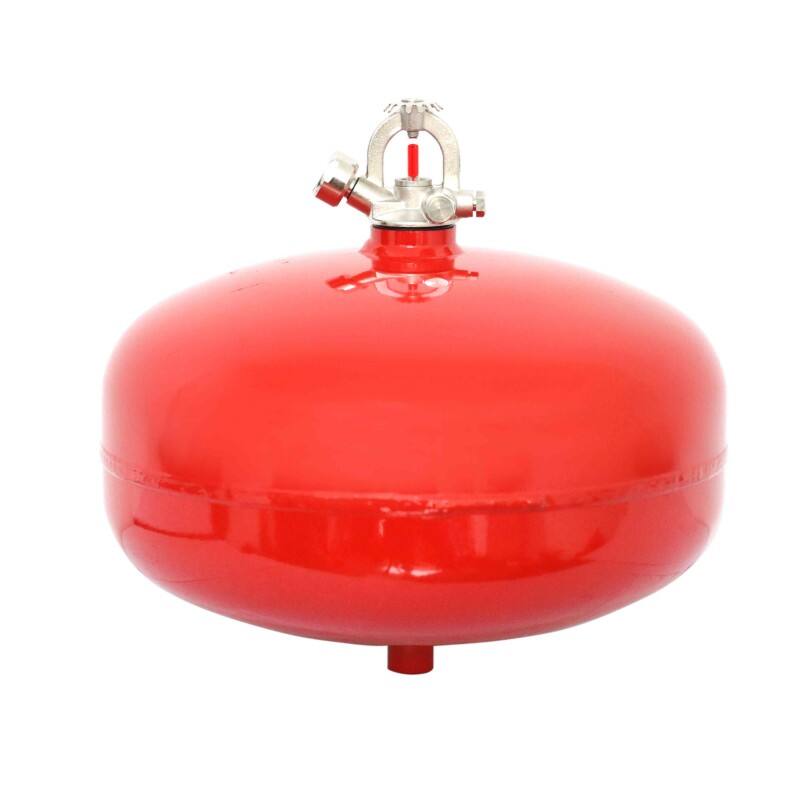
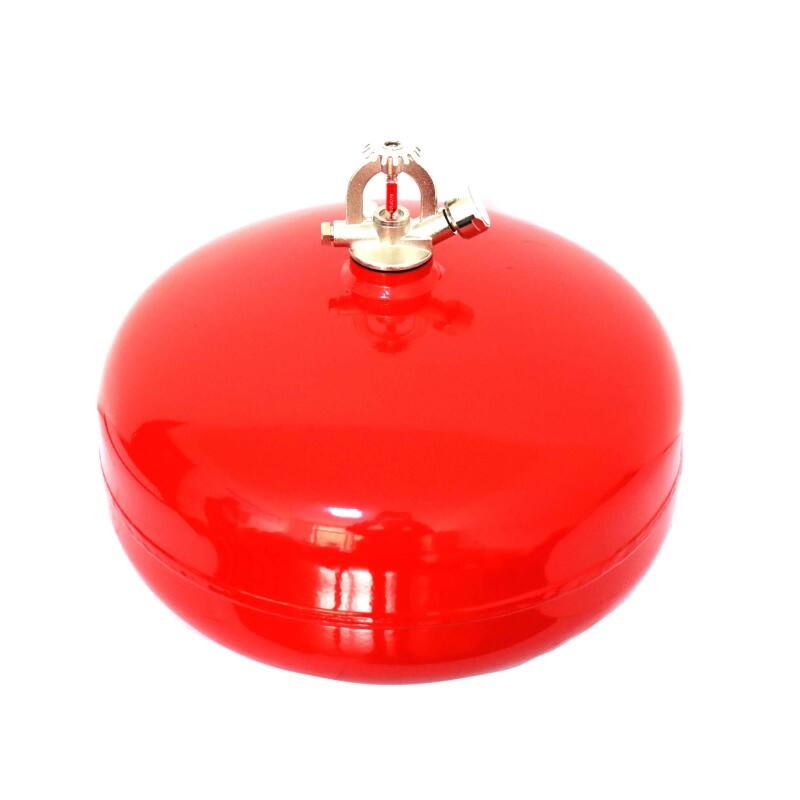
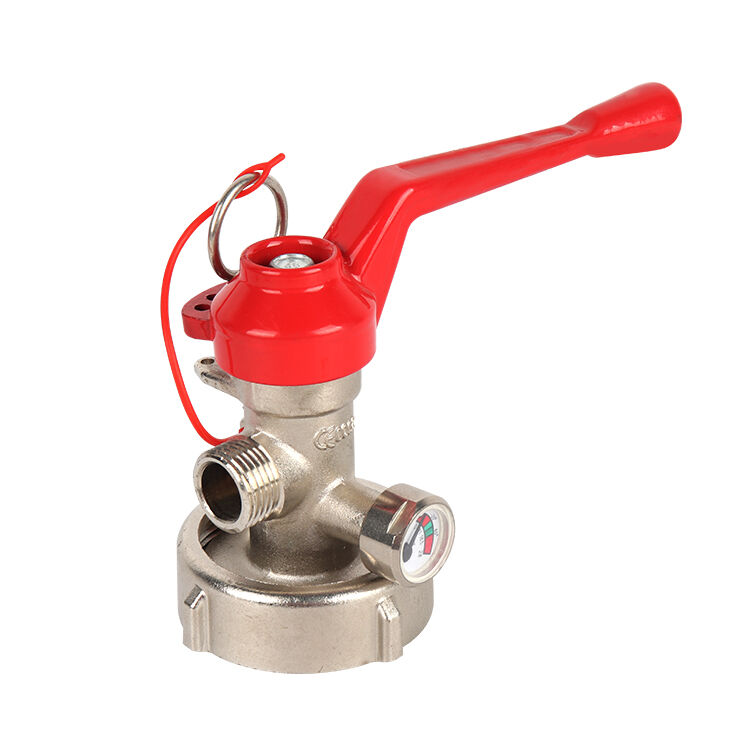
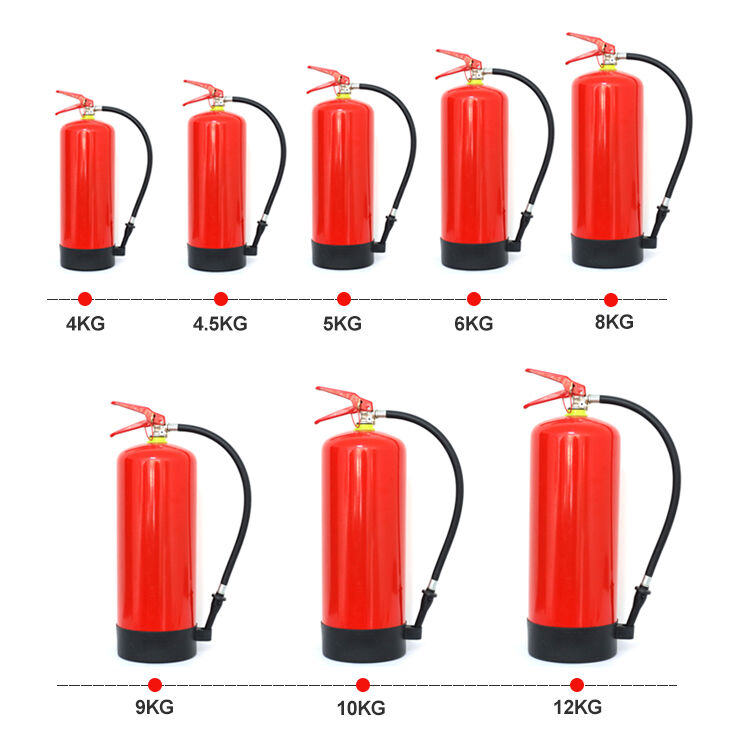
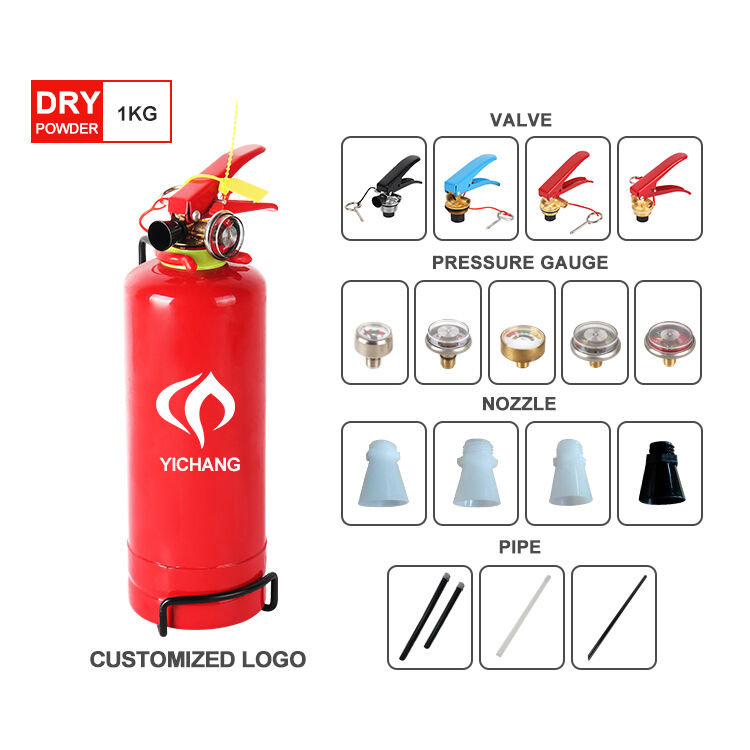
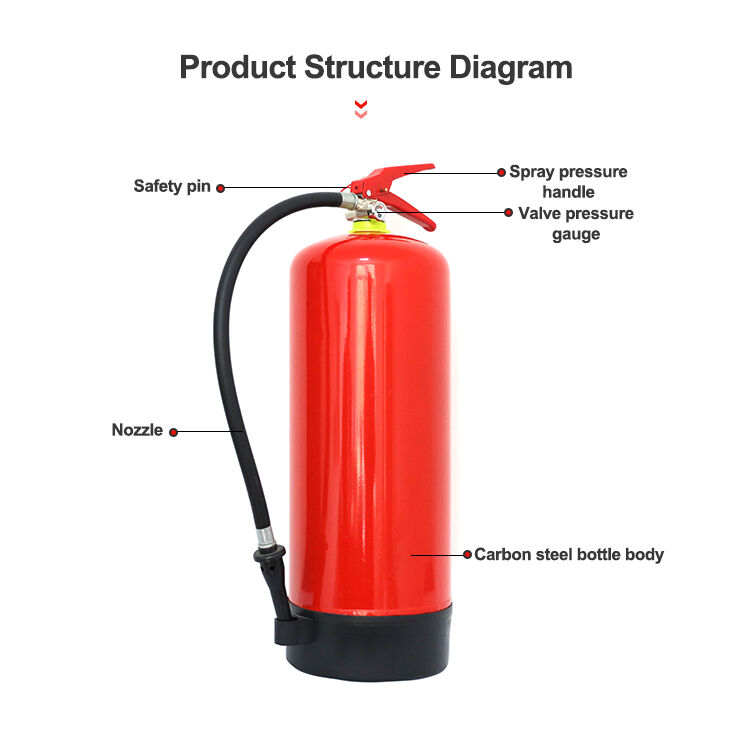
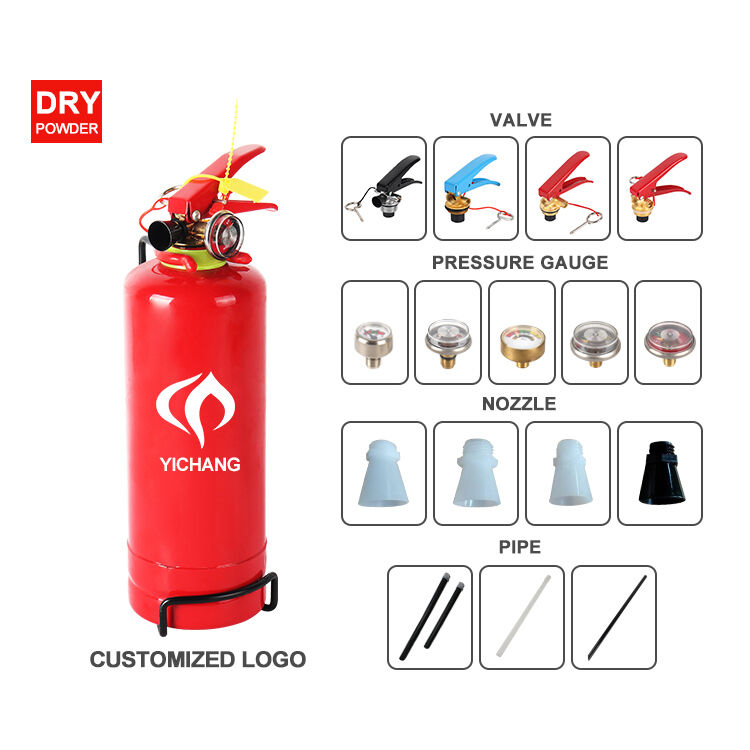
A dry chemical type fire extinguisher stands as one of the most versatile and reliable fire suppression tools available in modern safety equipment. This sophisticated device utilizes specially formulated dry chemical powders to combat various classes of fires effectively. The primary function of a dry chemical type fire extinguisher involves interrupting the chemical chain reaction that sustains combustion, making it an essential component in comprehensive fire safety strategies. The technological foundation of dry chemical type fire extinguisher systems relies on pressurized containers filled with finely ground chemical agents, typically monoammonium phosphate for multipurpose units or sodium bicarbonate for specific applications. These agents create a barrier between fuel sources and oxygen while simultaneously cooling burning materials. The discharge mechanism employs compressed gas, usually nitrogen or carbon dioxide, to propel the chemical powder through a specially designed nozzle system. Modern dry chemical type fire extinguisher models incorporate advanced pressure gauges, safety pins, and ergonomic handles for optimal user control during emergency situations. The applications for dry chemical type fire extinguisher units span across residential, commercial, and industrial environments. These devices prove particularly effective against Class A fires involving ordinary combustibles like wood and paper, Class B fires from flammable liquids such as gasoline and oils, and Class C fires involving electrical equipment. Manufacturing facilities rely on dry chemical type fire extinguisher systems to protect machinery and production areas, while automotive service centers utilize them for fuel-related fire hazards. The versatility of dry chemical type fire extinguisher technology extends to marine applications, aircraft hangars, and chemical processing plants where multiple fire risks exist simultaneously. Installation requirements for dry chemical type fire extinguisher units follow strict safety codes and regulations, ensuring proper placement and accessibility during emergencies.


New Products

The dry chemical type fire extinguisher offers numerous compelling advantages that make it the preferred choice for fire safety professionals and property owners alike. First and foremost, these extinguishers provide exceptional versatility in fighting multiple fire classes simultaneously, eliminating the need for multiple specialized units in most situations. A single dry chemical type fire extinguisher can effectively combat Class A, B, and C fires, providing comprehensive protection that saves both space and investment costs. The rapid suppression capability of dry chemical type fire extinguisher systems enables users to control fires quickly before they spread extensively. The chemical agents work immediately upon contact with flames, creating an instant suppression effect that can prevent minor incidents from escalating into major disasters. This quick response time proves crucial in emergency situations where every second counts toward minimizing property damage and protecting human life. Another significant advantage involves the extended shelf life and minimal maintenance requirements of dry chemical type fire extinguisher units. Unlike water-based systems that may freeze or foam extinguishers that require frequent servicing, these devices maintain their effectiveness for extended periods with basic annual inspections. The robust construction of dry chemical type fire extinguisher components ensures reliable performance even in harsh environmental conditions, including extreme temperatures and humid environments. Cost-effectiveness represents another major benefit of choosing dry chemical type fire extinguisher systems. The initial investment remains relatively low compared to sophisticated suppression systems, while the operational costs stay minimal throughout the device's lifespan. Property owners appreciate the straightforward installation process that requires no complex plumbing or electrical connections, unlike fixed suppression systems. Training requirements for dry chemical type fire extinguisher operation remain simple and intuitive, enabling virtually anyone to use these devices effectively during emergencies. The lightweight design of most units allows easy handling by individuals of varying physical capabilities, while the clearly marked operating instructions provide confidence during high-stress situations. Additionally, dry chemical type fire extinguisher units produce no toxic gases during operation, making them safer for indoor use compared to alternative suppression methods. The environmental impact of modern formulations has been significantly reduced, addressing previous concerns about chemical residue cleanup after deployment.

Tips And Tricks

The Ultimate Guide to Choosing the Right Fire Extinguisher for Your Home

02

Dec

The Ultimate Guide to Choosing the Right Fire Extinguisher for Your Home

Home fire safety is a critical concern that every homeowner must address proactively. A fire extinguisher serves as your first line of defense against small fires before they escalate into catastrophic events. Understanding the different types of fir...
View More
Fire Extinguisher Valve: How It Works and Why It's Crucial

10

Dec

Fire Extinguisher Valve: How It Works and Why It's Crucial

Fire extinguisher systems represent one of the most critical safety components in any building or industrial facility. At the heart of every fire extinguisher lies a sophisticated valve mechanism that controls the flow of suppressant materials during...
View More
When to Use a Fire Blanket vs. a Fire Extinguisher: A Clear Guide

19

Dec

When to Use a Fire Blanket vs. a Fire Extinguisher: A Clear Guide

When faced with a fire emergency, having the right suppression tool can mean the difference between a minor incident and a catastrophic event. Two of the most common fire safety devices found in homes, kitchens, and workplaces are fire blankets and f...
View More
How to Read a Fire Extinguisher Pressure Gauge (With Pictures)

22

Dec

How to Read a Fire Extinguisher Pressure Gauge (With Pictures)

Understanding how to properly read a fire extinguisher pressure gauge is essential for maintaining fire safety equipment and ensuring optimal performance during emergencies. A pressure gauge serves as the primary indicator of whether your fire exting...
View More

Get a Free Quote

Our representative will contact you soon.
Email
Name
Company Name
Mobile/WhatsApp
Message
0/1000

dry chemical type fire extinguisher

Multi-Class Fire Suppression Excellence

Multi-Class Fire Suppression Excellence

The outstanding multi-class fire suppression capability of the dry chemical type fire extinguisher represents its most valuable feature for comprehensive fire protection strategies. This remarkable versatility stems from the advanced chemical formulations that effectively interrupt combustion processes across different fire types without requiring users to identify specific fire classifications during high-stress emergency situations. The dry chemical type fire extinguisher utilizes specialized chemical agents that create multiple suppression mechanisms simultaneously, providing blanket coverage against Class A fires involving ordinary combustible materials like wood, paper, and textiles, Class B fires from flammable liquids including gasoline, oil, and solvents, and Class C fires involving energized electrical equipment. This comprehensive approach eliminates the confusion and potential delays associated with selecting appropriate extinguisher types during critical moments when immediate action determines the outcome of fire incidents. The chemical powder in dry chemical type fire extinguisher systems works by creating a thin film over burning surfaces that prevents oxygen from reaching fuel sources while simultaneously absorbing heat energy to cool materials below their ignition temperatures. This dual-action approach ensures thorough suppression that reduces the likelihood of re-ignition, a common problem with single-mechanism suppression methods. Professional fire safety experts particularly value the reliability of dry chemical type fire extinguisher units in mixed-risk environments where multiple fire hazards coexist, such as workshops combining woodworking equipment with electrical tools and flammable finishing materials. The versatility extends to outdoor applications where dry chemical type fire extinguisher devices prove effective against vehicle fires, camping incidents, and agricultural equipment emergencies. This broad spectrum effectiveness makes the dry chemical type fire extinguisher an ideal choice for facilities managers, safety coordinators, and homeowners seeking comprehensive protection without maintaining multiple specialized extinguisher types. The consistent performance across various fire scenarios provides peace of mind and simplifies emergency response procedures, enabling faster reaction times that can prevent minor incidents from developing into catastrophic losses.
Rapid Deployment and User-Friendly Operation

Rapid Deployment and User-Friendly Operation

The exceptional ease of deployment and user-friendly operation design of the dry chemical type fire extinguisher makes it accessible to individuals regardless of their technical background or emergency response training. This critical advantage ensures that effective fire suppression capability remains available to everyone in the vicinity of an incident, dramatically increasing the likelihood of successful fire control during the crucial early stages when intervention proves most effective. The dry chemical type fire extinguisher incorporates intuitive operating mechanisms that follow the universally recognized PASS technique: Pull the safety pin, Aim at the base of flames, Squeeze the operating handle, and Sweep across the fire area. This straightforward procedure can be learned quickly and remembered easily during high-stress situations when complex procedures might be forgotten or executed incorrectly. The ergonomic design of modern dry chemical type fire extinguisher units considers human factors engineering principles to ensure comfortable handling and precise control during operation. The balanced weight distribution prevents user fatigue during extended deployment periods, while the strategically positioned grip areas provide secure handling even when wearing protective gloves or operating in challenging environmental conditions. Visual indicators on dry chemical type fire extinguisher units, including pressure gauges and instruction labels, use clear graphics and contrasting colors to convey critical information at a glance, eliminating the need for detailed reading during emergencies. The discharge pattern of dry chemical type fire extinguisher systems creates wide coverage areas that compensate for minor aiming inaccuracies, particularly important when operators experience stress-induced motor skill degradation during actual fire incidents. Professional training programs consistently demonstrate that novice users can achieve effective suppression results with minimal instruction when using dry chemical type fire extinguisher equipment, compared to more complex suppression systems requiring extensive specialized knowledge. The psychological comfort provided by the familiar appearance and operation of dry chemical type fire extinguisher units encourages decisive action rather than hesitation during critical moments. This confidence factor proves essential in emergency situations where delays in initiating suppression efforts can result in exponential fire growth and increased property damage or personal injury risks.
Long-Term Reliability and Minimal Maintenance Requirements

Long-Term Reliability and Minimal Maintenance Requirements

The exceptional long-term reliability and minimal maintenance requirements of the dry chemical type fire extinguisher provide substantial value for property owners and facility managers seeking dependable fire protection without ongoing operational burdens. This outstanding characteristic results from the inherently stable chemical formulations and robust mechanical components that maintain their effectiveness over extended periods without frequent servicing or replacement of consumable elements. The dry chemical type fire extinguisher utilizes non-corrosive chemical agents that remain chemically stable for years when stored under normal environmental conditions, eliminating concerns about degradation or separation that affect liquid-based suppression systems. The sealed container design of dry chemical type fire extinguisher units prevents moisture infiltration and contamination that could compromise the chemical agent's effectiveness or cause mechanical component failure. Professional fire safety inspectors consistently report lower failure rates and longer service intervals for dry chemical type fire extinguisher installations compared to alternative suppression technologies, resulting in reduced lifecycle costs and improved reliability when protection is needed most. The maintenance schedule for dry chemical type fire extinguisher systems typically requires only annual visual inspections and pressure checks, with internal servicing needed every six years under normal usage conditions. This extended maintenance interval reduces operational costs significantly compared to systems requiring monthly or quarterly servicing, while also minimizing disruptions to facility operations during maintenance activities. The durability of dry chemical type fire extinguisher components enables these units to withstand exposure to temperature variations, humidity fluctuations, and mechanical vibrations common in industrial and commercial environments without performance degradation. Quality manufacturers design dry chemical type fire extinguisher units to meet rigorous testing standards that simulate decades of environmental exposure and operational cycling, ensuring consistent performance throughout their rated service life. The chemical agents used in modern dry chemical type fire extinguisher formulations resist caking and clumping that previously affected early powder-based systems, maintaining free-flowing characteristics essential for proper discharge and coverage patterns. Storage flexibility represents another reliability advantage, as dry chemical type fire extinguisher units can be positioned in various orientations and locations without affecting their operational readiness, unlike systems requiring specific mounting configurations or environmental controls. This combination of chemical stability, mechanical durability, and operational flexibility makes the dry chemical type fire extinguisher an ideal choice for applications where reliable, low-maintenance fire protection is essential for long-term safety assurance.

Get a Free Quote

Our representative will contact you soon.
Email
Name
Company Name
Mobile/WhatsApp
Message
0/1000
email goToTop