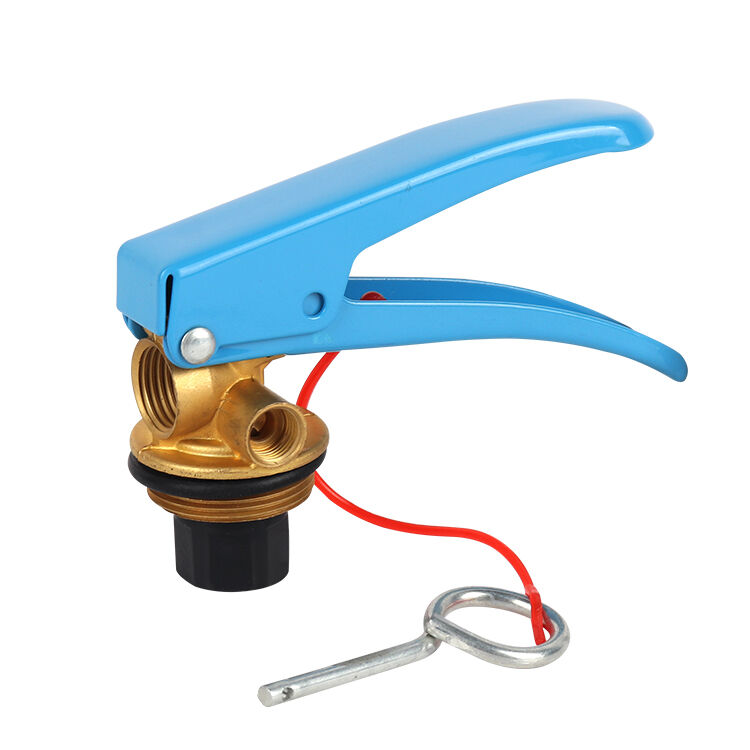
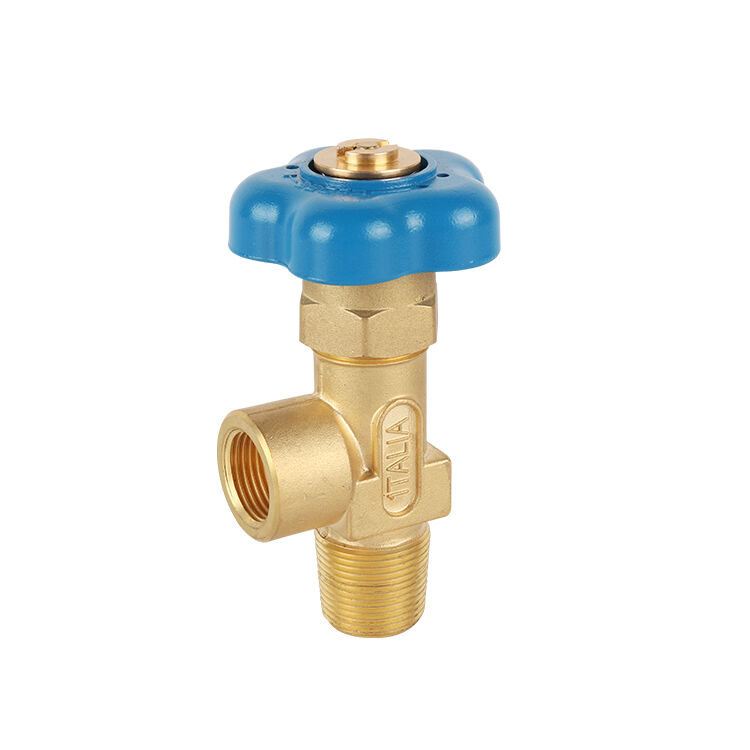
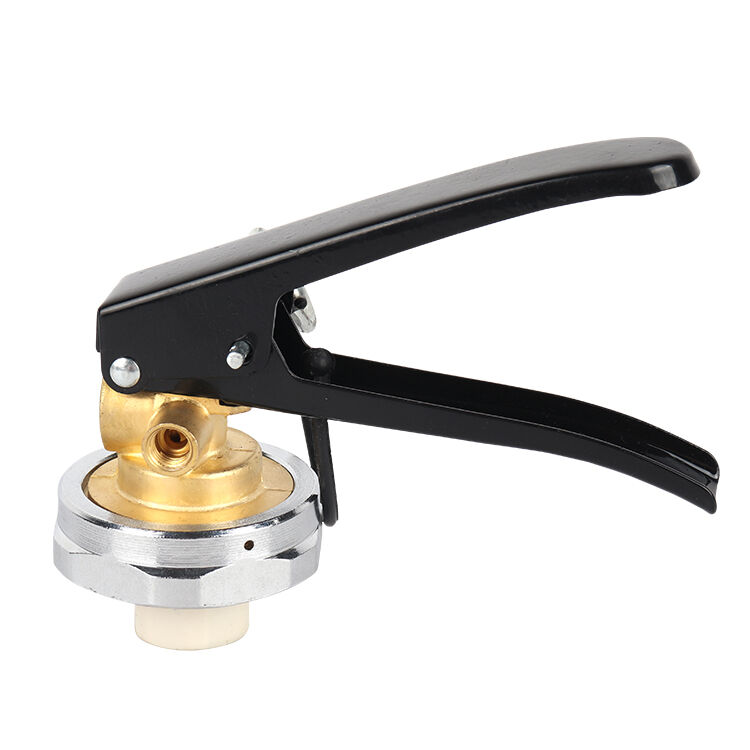
Professional Fire Fighting Valves - Advanced Fire Protection Control Systems

Download Catalogue
All Categories

Get a Free Quote

Our representative will contact you soon.
Email
Name
Company Name
Mobile/WhatsApp
Message
0/1000

fire fighting valve

Fire fighting valves serve as critical components in fire protection systems, designed to control water flow and pressure during emergency situations. These specialized valves ensure reliable water distribution throughout sprinkler networks, standpipe systems, and hydrant connections when fire suppression becomes necessary. The primary function of a fire fighting valve involves regulating water pressure to maintain optimal performance across entire fire protection networks. Modern fire fighting valve technology incorporates advanced materials like ductile iron, bronze, and stainless steel to withstand extreme temperatures and corrosive environments. These valves feature precise engineering that allows for rapid activation during emergencies while maintaining consistent pressure levels throughout the system. Fire fighting valves integrate seamlessly with automated sprinkler systems, manual hose connections, and deluge systems used in industrial facilities. The technological features include pressure-reducing capabilities, backflow prevention mechanisms, and tamper-resistant designs that prevent unauthorized adjustments. Applications span residential buildings, commercial complexes, manufacturing plants, warehouses, hospitals, schools, and high-rise structures where fire safety remains paramount. Fire fighting valve installations must comply with strict industry standards including NFPA codes, UL listings, and local building regulations. The valve construction typically features gate mechanisms, globe designs, or butterfly configurations depending on specific system requirements. Advanced fire fighting valve models incorporate electronic monitoring systems that provide real-time status updates to building management systems. These valves undergo rigorous testing procedures to ensure reliable performance under extreme conditions including high temperatures, water hammer effects, and prolonged exposure to harsh environmental factors. Proper maintenance of fire fighting valves ensures long-term reliability and immediate response when fire emergencies occur, making them indispensable components of comprehensive fire protection strategies.


New Product Recommendations

Fire fighting valves deliver superior reliability when building occupants depend on immediate fire suppression response during critical moments. These valves activate instantly when emergency conditions arise, ensuring water reaches every area of the protected building without delay or pressure loss. Property owners benefit from reduced insurance premiums when installing certified fire fighting valve systems that meet industry safety standards and local fire codes. The robust construction of fire fighting valves eliminates frequent maintenance requirements, reducing long-term operational costs while maintaining peak performance throughout extended service periods. Building managers appreciate the tamper-resistant features that prevent unauthorized adjustments, ensuring fire protection systems remain ready for activation at all times. Fire fighting valves integrate seamlessly with existing plumbing infrastructure, minimizing installation complexity and reducing project timelines compared to alternative fire suppression solutions. The precise pressure regulation capabilities of fire fighting valves prevent water damage during non-emergency situations while ensuring adequate flow rates when fire suppression becomes necessary. Advanced monitoring features provide continuous system status updates, allowing facility managers to identify potential issues before they compromise fire safety protection. Fire fighting valves operate effectively across wide temperature ranges, maintaining functionality in extreme weather conditions that might disable other fire protection components. The standardized design of fire fighting valves ensures compatibility with replacement parts and service components, reducing inventory costs and simplifying maintenance procedures. Property developers choose fire fighting valves because they enhance building safety ratings, potentially increasing property values and attracting quality tenants who prioritize fire safety. The proven track record of fire fighting valves in emergency situations provides peace of mind for building owners, facility managers, and insurance providers who recognize their effectiveness in protecting lives and property investments.

Tips And Tricks

Fire Extinguisher Valve: How It Works and Why It's Crucial

10

Dec

Fire Extinguisher Valve: How It Works and Why It's Crucial

Fire extinguisher systems represent one of the most critical safety components in any building or industrial facility. At the heart of every fire extinguisher lies a sophisticated valve mechanism that controls the flow of suppressant materials during...
View More
Dry Powder Fire Extinguisher: A Complete Guide to Uses and Limitations

16

Dec

Dry Powder Fire Extinguisher: A Complete Guide to Uses and Limitations

Fire safety remains a critical concern across industrial, commercial, and residential environments worldwide. Among the various firefighting solutions available today, the dry powder extinguisher stands out as one of the most versatile and widely dep...
View More
When to Use a Fire Blanket vs. a Fire Extinguisher: A Clear Guide

19

Dec

When to Use a Fire Blanket vs. a Fire Extinguisher: A Clear Guide

When faced with a fire emergency, having the right suppression tool can mean the difference between a minor incident and a catastrophic event. Two of the most common fire safety devices found in homes, kitchens, and workplaces are fire blankets and f...
View More
How to Read a Fire Extinguisher Pressure Gauge (With Pictures)

22

Dec

How to Read a Fire Extinguisher Pressure Gauge (With Pictures)

Understanding how to properly read a fire extinguisher pressure gauge is essential for maintaining fire safety equipment and ensuring optimal performance during emergencies. A pressure gauge serves as the primary indicator of whether your fire exting...
View More

Get a Free Quote

Our representative will contact you soon.
Email
Name
Company Name
Mobile/WhatsApp
Message
0/1000

fire fighting valve

Advanced Pressure Control Technology

Advanced Pressure Control Technology

Fire fighting valve systems incorporate sophisticated pressure control mechanisms that maintain optimal water pressure throughout complex building fire protection networks. This advanced technology automatically adjusts pressure levels based on system demands, ensuring consistent water flow reaches every sprinkler head, standpipe connection, and emergency hose station regardless of building height or system complexity. The pressure control technology prevents both over-pressurization that could damage piping systems and under-pressurization that might compromise fire suppression effectiveness. Modern fire fighting valve designs feature precision-engineered components that respond instantly to pressure fluctuations, maintaining stable operating conditions even when multiple zones activate simultaneously during large-scale fire emergencies. The technology includes built-in pressure sensors that continuously monitor system conditions and automatically make micro-adjustments to maintain optimal performance parameters. This sophisticated pressure management prevents water hammer effects that could damage pipes, fittings, or connected fire protection equipment during rapid system activation. Fire fighting valve pressure control technology also includes surge protection features that absorb sudden pressure spikes caused by pump startups or valve closures throughout the fire protection network. The automatic pressure regulation eliminates manual adjustments that might be incorrectly set or accidentally altered, ensuring consistent fire suppression capability regardless of operator experience or training levels. Advanced fire fighting valve models integrate digital pressure monitoring systems that provide real-time data to building management systems, allowing proactive maintenance scheduling and system optimization. This pressure control technology significantly extends the service life of connected fire protection components by eliminating harmful pressure variations that cause premature wear and potential system failures during critical emergency situations.
Corrosion-Resistant Construction Materials

Corrosion-Resistant Construction Materials

Fire fighting valves utilize premium corrosion-resistant materials specifically engineered to withstand harsh environmental conditions and maintain structural integrity throughout decades of continuous service. The construction typically features ductile iron bodies with specialized coatings, bronze internal components, and stainless steel trim elements that resist corrosion from water chemistry, environmental factors, and chemical interactions within fire protection systems. These advanced materials prevent the formation of rust, scale buildup, and mineral deposits that could obstruct valve operation or reduce water flow capacity during emergency activation. The corrosion-resistant construction ensures fire fighting valves maintain precise tolerances and smooth operation even after years of exposure to varying water quality conditions, temperature fluctuations, and atmospheric elements. Specialized coating technologies applied to fire fighting valve surfaces provide additional protection against galvanic corrosion, chemical attack, and environmental degradation that commonly affects inferior valve materials. The material selection process for fire fighting valves considers compatibility with various water treatment chemicals, pipe materials, and system components to prevent accelerated corrosion caused by dissimilar metal interactions. Advanced metallurgy techniques create fire fighting valve components with enhanced grain structures that resist stress corrosion cracking under high-pressure conditions and thermal cycling experienced in fire protection applications. The corrosion-resistant materials maintain their mechanical properties across wide temperature ranges, ensuring reliable operation in both freezing conditions and high-temperature environments where fire events might occur. Quality fire fighting valve manufacturers subject their materials to accelerated corrosion testing protocols that simulate decades of service conditions, verifying long-term performance and reliability under real-world operating conditions. This superior material construction translates directly into reduced maintenance costs, extended service intervals, and consistent performance that building owners and facility managers depend on for effective fire protection system operation.
Comprehensive Safety Certification Standards

Comprehensive Safety Certification Standards

Fire fighting valves undergo extensive testing and certification processes that verify compliance with rigorous safety standards established by recognized authorities including Underwriters Laboratories, Factory Mutual, and National Fire Protection Association guidelines. These comprehensive certification standards ensure fire fighting valves meet or exceed performance requirements for pressure ratings, flow capacity, temperature resistance, and operational reliability under emergency conditions. The certification process includes destructive testing procedures that validate structural integrity, endurance testing that simulates decades of service cycles, and performance verification under extreme operating conditions that might occur during actual fire emergencies. Fire fighting valve manufacturers must demonstrate consistent quality control processes, material traceability, and manufacturing precision to maintain their certification status with testing laboratories and regulatory agencies. The safety certification standards require fire fighting valves to pass hydrostatic pressure tests at levels significantly higher than normal operating conditions, ensuring adequate safety margins for unexpected pressure surges or system anomalies. Certification protocols also verify proper operation across specified temperature ranges, confirming that fire fighting valves function reliably whether installed in heated buildings, unheated storage areas, or outdoor applications subject to weather extremes. The comprehensive testing includes verification of backflow prevention capabilities, ensuring fire fighting valves protect potable water supplies from contamination while maintaining emergency fire suppression readiness. Quality assurance requirements mandate regular factory inspections, product sampling, and ongoing performance monitoring to ensure certified fire fighting valves continue meeting established safety standards throughout their production lifecycle. These certification standards provide building owners, insurance companies, and regulatory authorities with confidence that installed fire fighting valve systems will perform reliably when lives and property depend on effective fire suppression response. The rigorous certification process also ensures fire fighting valves integrate properly with other certified fire protection components, creating comprehensive systems that meet local building codes and insurance requirements for commercial and residential applications.

Get a Free Quote

Our representative will contact you soon.
Email
Name
Company Name
Mobile/WhatsApp
Message
0/1000
email goToTop