Hospital Fire Cabinet Systems - Advanced Emergency Safety Solutions for Healthcare Facilities

Download Catalogue
All Categories

Get a Free Quote

Our representative will contact you soon.
Email
Name
Company Name
Mobile/WhatsApp
Message
0/1000

hospital fire cabinet

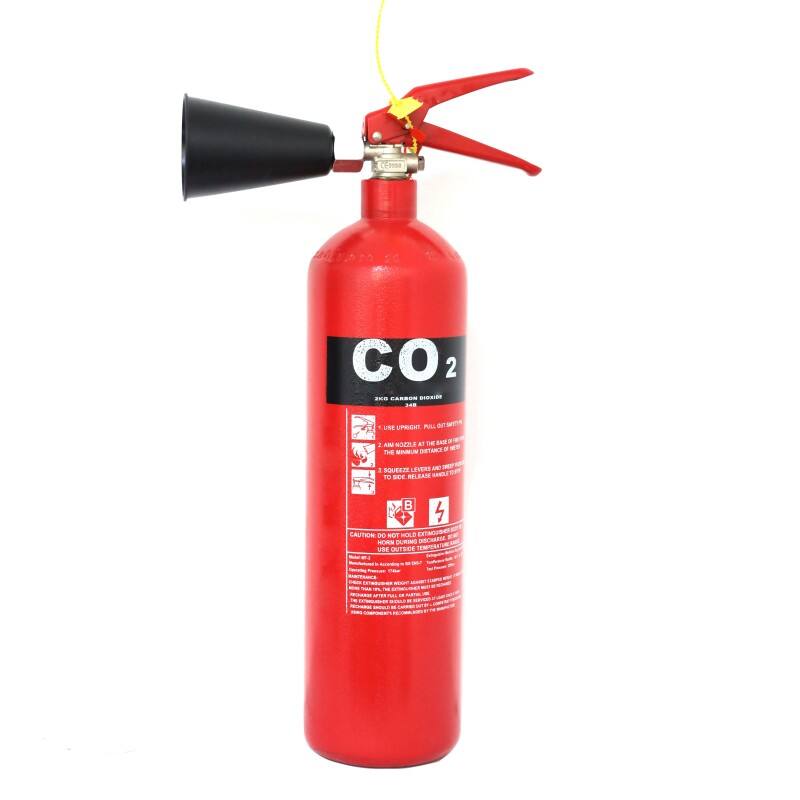
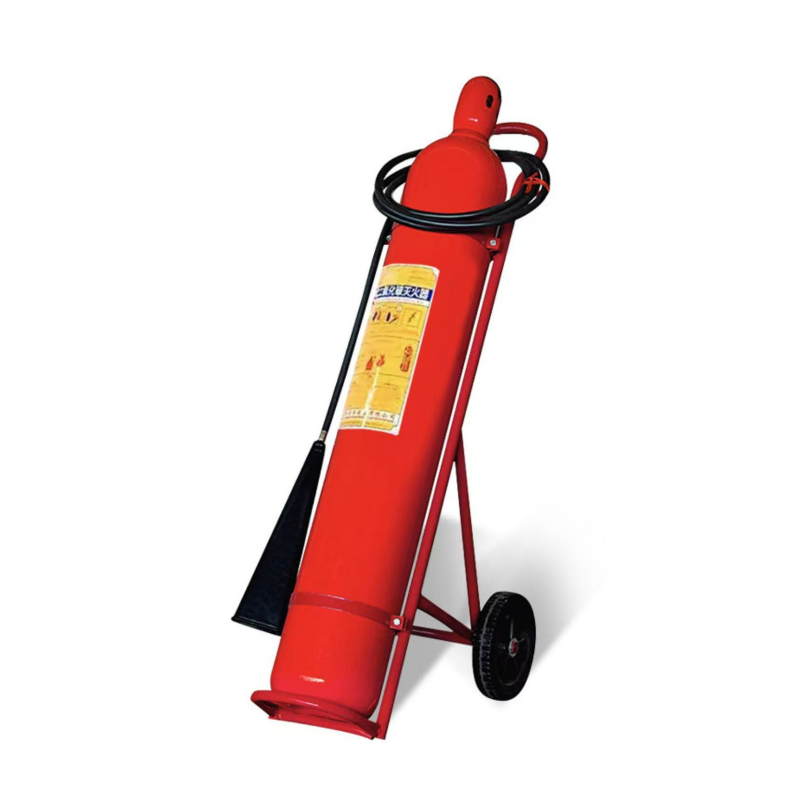
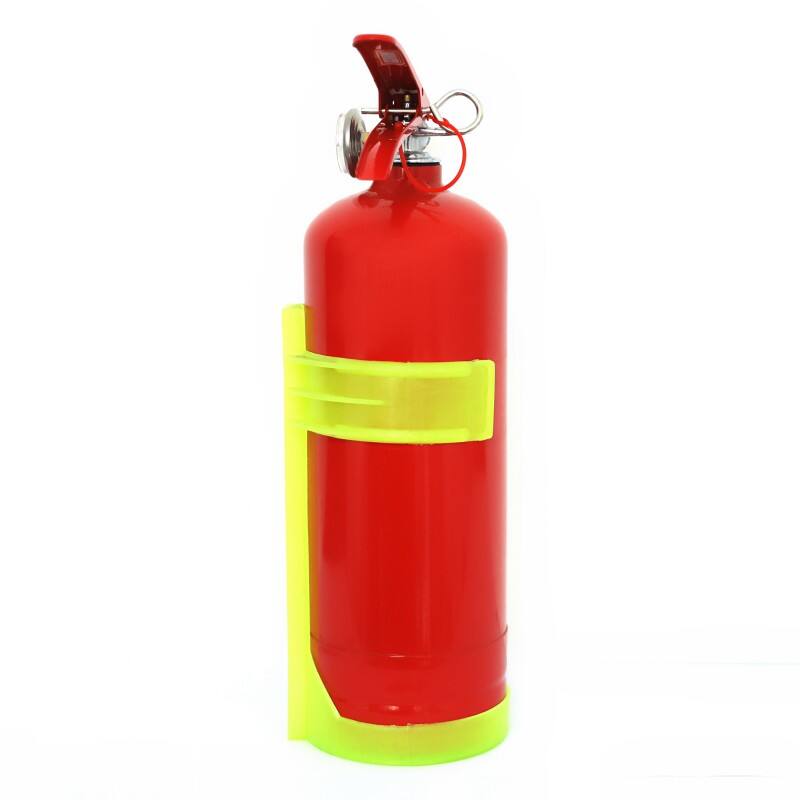
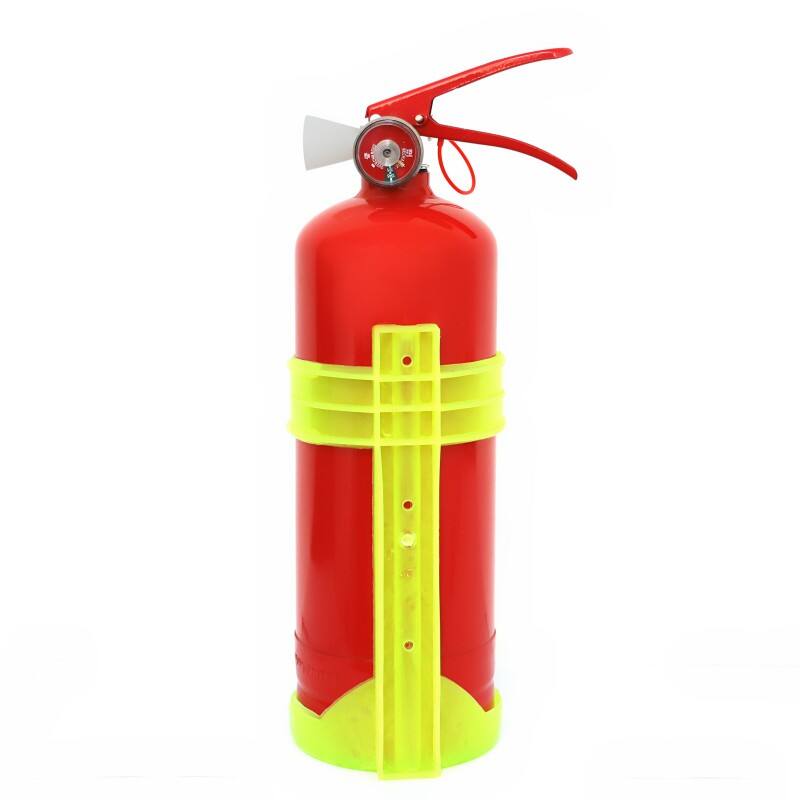
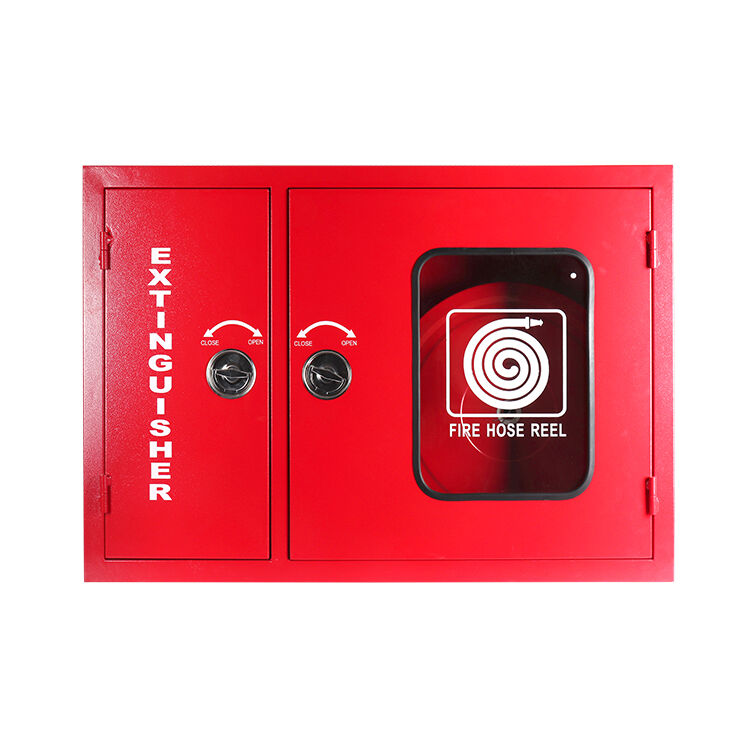
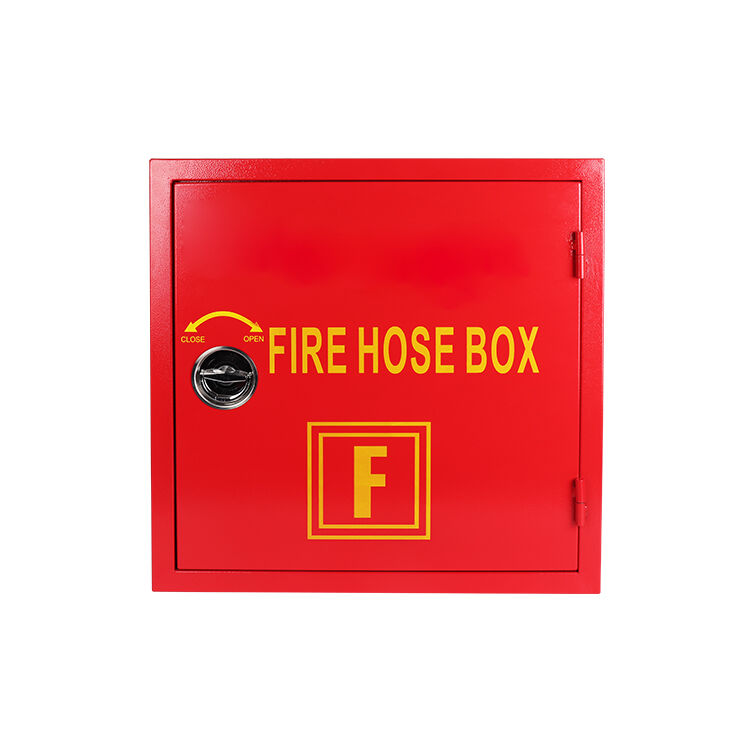
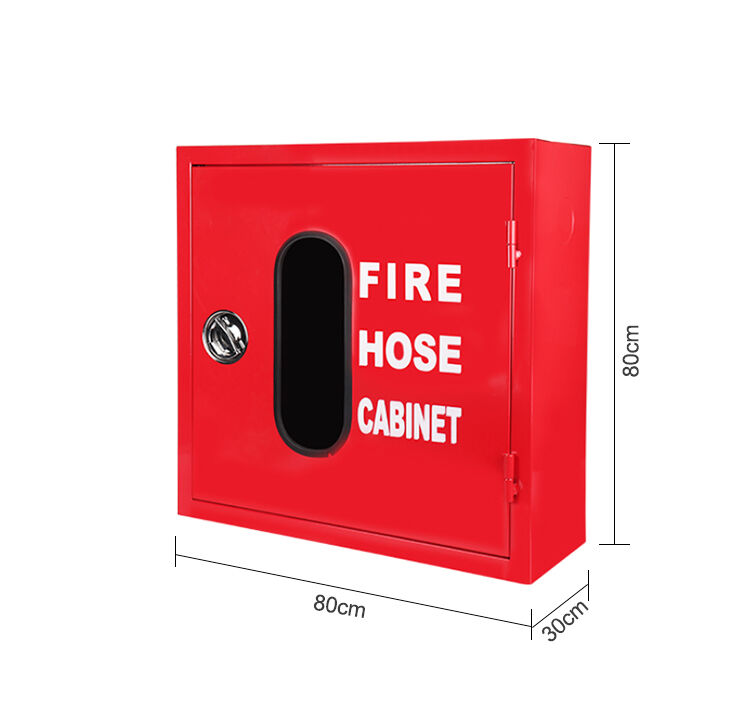
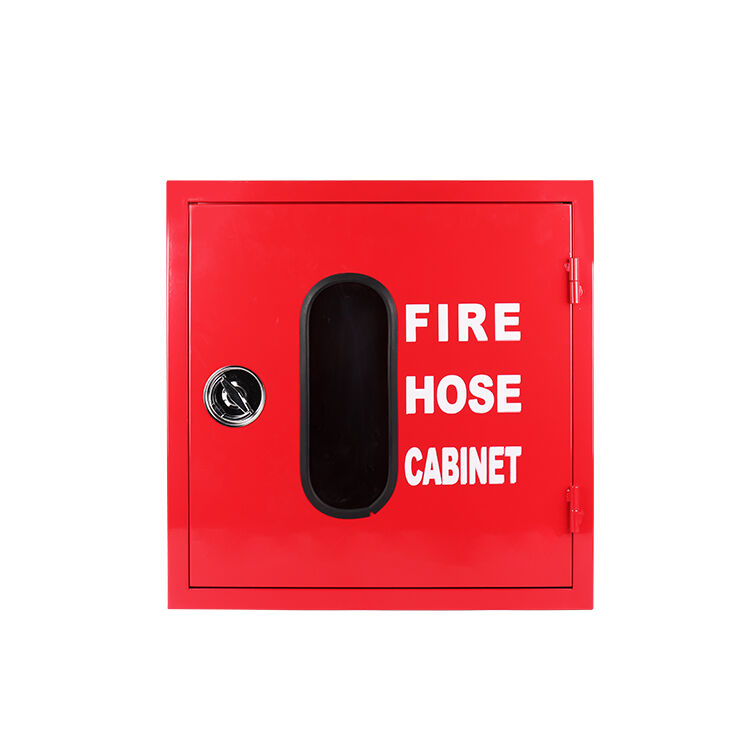
The hospital fire cabinet represents a critical safety infrastructure component specifically engineered for healthcare facilities where rapid emergency response can mean the difference between life and death. This specialized equipment serves as a centralized hub for fire suppression tools and emergency equipment, strategically positioned throughout medical facilities to ensure immediate access during fire emergencies. Unlike standard fire safety equipment, the hospital fire cabinet is designed with healthcare-specific requirements in mind, incorporating features that address the unique challenges of medical environments where patients may be immobilized, connected to life support systems, or unable to evacuate independently. The primary function of a hospital fire cabinet involves housing essential firefighting equipment including fire extinguishers, emergency hoses, breathing apparatus, and communication devices within a secure yet easily accessible enclosure. Modern hospital fire cabinets integrate advanced technological features such as electronic monitoring systems that continuously track equipment status, automatic alert mechanisms that notify security personnel when cabinets are accessed, and climate control systems that maintain optimal conditions for sensitive equipment. The cabinet's construction utilizes fire-resistant materials and corrosion-proof coatings to withstand the demanding healthcare environment while ensuring longevity and reliability. These units typically feature reinforced steel construction with powder-coated finishes that resist chemical exposure common in medical settings. The hospital fire cabinet incorporates intelligent design elements including clear visibility windows, ergonomic handles for quick access under stress conditions, and standardized layouts that enable staff to locate equipment quickly regardless of their location within the facility. Applications extend beyond basic fire suppression to include storage of specialized medical emergency equipment, chemical spill containment materials, and evacuation assistance tools. The integration capabilities of modern hospital fire cabinets allow connection to facility-wide alarm systems, ensuring coordinated emergency response across all departments while maintaining compliance with healthcare safety regulations and fire codes specific to medical facilities.

Popular Products

Hospital fire cabinets deliver significant operational advantages that directly impact patient safety and emergency response effectiveness within healthcare facilities. The immediate accessibility these systems provide ensures that trained medical staff can respond to fire emergencies within seconds rather than minutes, dramatically reducing the potential for fire spread in environments where evacuation procedures are complex due to patient care requirements. This rapid response capability proves especially valuable in intensive care units, operating rooms, and patient wards where individuals cannot quickly evacuate independently. The centralized storage approach eliminates the confusion and delays associated with searching for emergency equipment during crisis situations, as staff know exactly where to locate necessary firefighting tools and safety equipment. Modern hospital fire cabinets incorporate smart monitoring technology that provides real-time equipment status updates, ensuring all firefighting tools remain functional and ready for immediate deployment. This continuous monitoring prevents the common problem of discovering non-functional equipment during emergencies, a situation that could prove catastrophic in healthcare settings. The space optimization benefits of hospital fire cabinets allow facilities to maintain comprehensive emergency equipment inventories without sacrificing valuable space needed for patient care activities. These compact yet comprehensive storage solutions maximize available floor space while ensuring regulatory compliance with fire safety standards specific to healthcare facilities. The standardized layout and clear labeling systems integrated into hospital fire cabinets enable even temporary staff members to quickly locate and deploy emergency equipment, reducing training time and improving overall emergency response coordination. The robust construction materials and protective features of hospital fire cabinets ensure equipment remains protected from environmental factors common in healthcare settings, including chemical exposure, humidity fluctuations, and frequent cleaning protocols. This protection extends equipment lifespan while maintaining reliability when emergency situations arise. The integration capabilities with existing hospital management systems allow facility administrators to track equipment usage, schedule maintenance activities, and ensure compliance with regulatory requirements through automated reporting features. The cost-effectiveness of hospital fire cabinets emerges through reduced insurance premiums, lower equipment replacement costs due to better protection, and decreased liability exposure through improved emergency response capabilities. These financial benefits compound over time while simultaneously enhancing the safety profile of healthcare facilities.

Tips And Tricks

The Ultimate Guide to Choosing the Right Fire Extinguisher for Your Home

02

Dec

The Ultimate Guide to Choosing the Right Fire Extinguisher for Your Home

Home fire safety is a critical concern that every homeowner must address proactively. A fire extinguisher serves as your first line of defense against small fires before they escalate into catastrophic events. Understanding the different types of fir...
View More
Fire Extinguisher Valve: How It Works and Why It's Crucial

10

Dec

Fire Extinguisher Valve: How It Works and Why It's Crucial

Fire extinguisher systems represent one of the most critical safety components in any building or industrial facility. At the heart of every fire extinguisher lies a sophisticated valve mechanism that controls the flow of suppressant materials during...
View More
Dry Powder Fire Extinguisher: A Complete Guide to Uses and Limitations

16

Dec

Dry Powder Fire Extinguisher: A Complete Guide to Uses and Limitations

Fire safety remains a critical concern across industrial, commercial, and residential environments worldwide. Among the various firefighting solutions available today, the dry powder extinguisher stands out as one of the most versatile and widely dep...
View More
When to Use a Fire Blanket vs. a Fire Extinguisher: A Clear Guide

19

Dec

When to Use a Fire Blanket vs. a Fire Extinguisher: A Clear Guide

When faced with a fire emergency, having the right suppression tool can mean the difference between a minor incident and a catastrophic event. Two of the most common fire safety devices found in homes, kitchens, and workplaces are fire blankets and f...
View More

Get a Free Quote

Our representative will contact you soon.
Email
Name
Company Name
Mobile/WhatsApp
Message
0/1000

hospital fire cabinet

Advanced Monitoring and Alert Systems

Advanced Monitoring and Alert Systems

The sophisticated monitoring technology integrated into modern hospital fire cabinets represents a revolutionary advancement in healthcare facility safety management, providing unprecedented visibility into emergency equipment readiness and deployment status. These intelligent systems continuously monitor every component housed within the hospital fire cabinet, from fire extinguisher pressure levels to breathing apparatus battery status, ensuring that all emergency equipment remains fully operational and ready for immediate deployment when crisis situations arise. The advanced sensors embedded throughout the hospital fire cabinet create a comprehensive network that tracks environmental conditions, equipment integrity, and access patterns, providing facility managers with detailed insights into safety system performance and potential maintenance needs before problems develop into critical failures. The real-time alert capabilities of these monitoring systems immediately notify security personnel, facility management, and emergency response teams when equipment is accessed, removed, or when any monitored parameters fall outside acceptable ranges, enabling rapid response to both emergency situations and potential equipment issues. This proactive approach to emergency equipment management eliminates the traditional reactive maintenance model where problems are discovered only during routine inspections or, worse, during actual emergencies when equipment failure could prove catastrophic. The integration of wireless communication technology allows hospital fire cabinets to connect seamlessly with existing facility management systems, creating a unified approach to safety monitoring that encompasses fire suppression, emergency communication, and evacuation coordination. The data collection capabilities of these advanced monitoring systems provide valuable insights for improving emergency response procedures, optimizing equipment placement, and ensuring compliance with evolving safety regulations specific to healthcare environments. The predictive maintenance features analyze usage patterns and equipment performance trends to forecast when components require service or replacement, reducing unexpected downtime and ensuring continuous protection for patients and staff. The remote monitoring capabilities enable off-site supervision of safety systems, allowing facility managers to maintain oversight of emergency preparedness even when not physically present at the healthcare facility.
Specialized Healthcare Environment Design

Specialized Healthcare Environment Design

The specialized design characteristics of hospital fire cabinets address the unique operational challenges and regulatory requirements specific to healthcare environments, where traditional fire safety solutions often prove inadequate for the complex needs of medical facilities. Unlike standard commercial fire safety equipment, the hospital fire cabinet incorporates healthcare-specific features including antimicrobial surface treatments that prevent bacterial growth and cross-contamination, sealed construction that protects sensitive equipment from cleaning chemicals and disinfectants commonly used in medical settings, and ergonomic design elements that accommodate the physical demands placed on healthcare workers during emergency situations. The materials selection for hospital fire cabinets prioritizes chemical resistance, durability under frequent sanitization procedures, and compatibility with the sterile environment requirements essential to patient care areas. The cabinet housing utilizes medical-grade stainless steel and specialized coatings that withstand repeated exposure to hospital-grade cleaning agents without degrading or compromising the protective integrity of the enclosure. The internal layout design of hospital fire cabinets reflects extensive research into emergency response patterns specific to healthcare settings, with equipment positioning optimized for access by medical personnel who may be wearing protective equipment or working under high-stress conditions where fine motor control becomes challenging. The visibility features include high-contrast labeling systems, illuminated displays, and clear sight lines that enable rapid equipment identification even in low-light conditions or when visibility is compromised by smoke or other emergency conditions. The security features of hospital fire cabinets balance the need for immediate emergency access with protection against tampering or unauthorized removal of critical safety equipment, incorporating breakaway locks that provide instant access during emergencies while maintaining security during normal operations. The modular design approach allows hospital fire cabinets to be customized for specific departmental needs, whether serving surgical suites requiring specialized suppression agents, patient care areas needing evacuation assistance equipment, or laboratory spaces requiring chemical-specific firefighting materials. The integration of communication systems within hospital fire cabinets enables direct connection to nurse call systems, emergency alert networks, and facility-wide communication platforms, ensuring that fire safety incidents are immediately communicated to all relevant personnel regardless of their location within the healthcare facility.
Comprehensive Emergency Response Integration

Comprehensive Emergency Response Integration

The comprehensive emergency response integration capabilities of hospital fire cabinets transform isolated safety equipment into interconnected components of facility-wide emergency management systems, creating coordinated response protocols that address the complex evacuation and safety challenges unique to healthcare environments. This integration extends beyond simple fire suppression to encompass patient protection protocols, staff coordination systems, and external emergency service communication networks that work together to ensure optimal outcomes during crisis situations. The hospital fire cabinet serves as a critical node in the facility's emergency response network, automatically triggering appropriate alarm sequences, activating evacuation procedures tailored to different patient populations, and initiating communication protocols that notify relevant personnel based on the specific type and location of the emergency. The sophisticated control systems within modern hospital fire cabinets can differentiate between various emergency scenarios, from localized equipment fires that require containment without patient evacuation to larger incidents that necessitate coordinated facility-wide response procedures including patient relocation and external emergency service deployment. The integration with patient management systems allows hospital fire cabinets to access real-time information about patient locations, mobility limitations, and special care requirements, enabling emergency response procedures to be automatically adjusted based on the current patient population and their specific needs. This intelligent response capability ensures that evacuation procedures account for patients on life support, those requiring specialized transportation, and individuals who cannot be moved without significant medical intervention. The communication integration features of hospital fire cabinets establish direct links with emergency dispatch systems, enabling automatic notification of fire departments, emergency medical services, and other external responders while simultaneously providing them with facility-specific information including building layouts, patient counts, and access restrictions. The data sharing capabilities allow hospital fire cabinets to contribute to post-incident analysis and emergency response improvement initiatives, providing detailed records of response times, equipment deployment, and system performance that can be analyzed to enhance future emergency preparedness. The scalability of these integration systems allows hospital fire cabinets to adapt to facility expansions, technological upgrades, and changing regulatory requirements without requiring complete system replacement, ensuring long-term value and continued effectiveness as healthcare facilities evolve and grow.


Get a Free Quote

Our representative will contact you soon.
Email
Name
Company Name
Mobile/WhatsApp
Message
0/1000
email goToTop