Premium OEM Valve Solutions - Industrial Flow Control Systems & Components

Download Catalogue
All Categories

Get a Free Quote

Our representative will contact you soon.
Email
Name
Company Name
Mobile/WhatsApp
Message
0/1000

oem valve

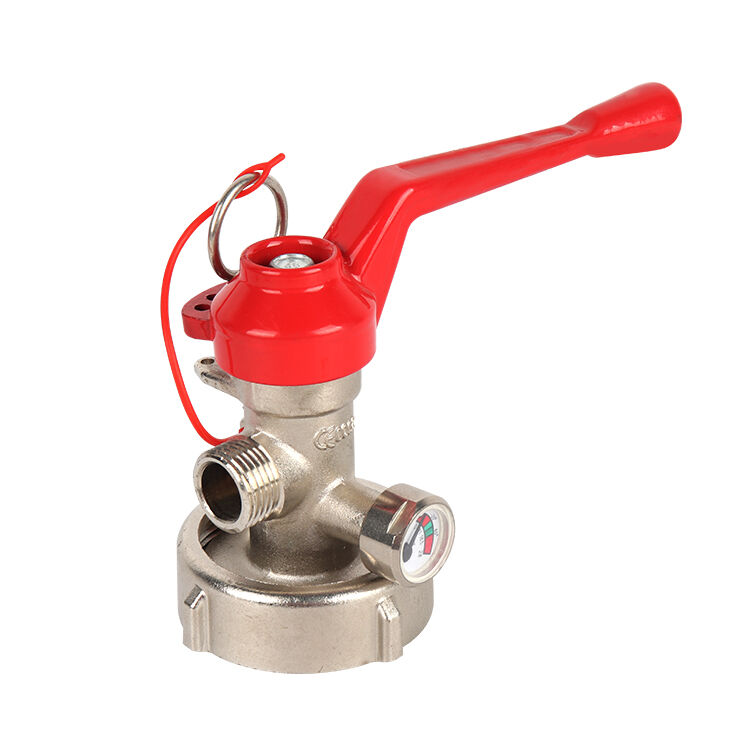
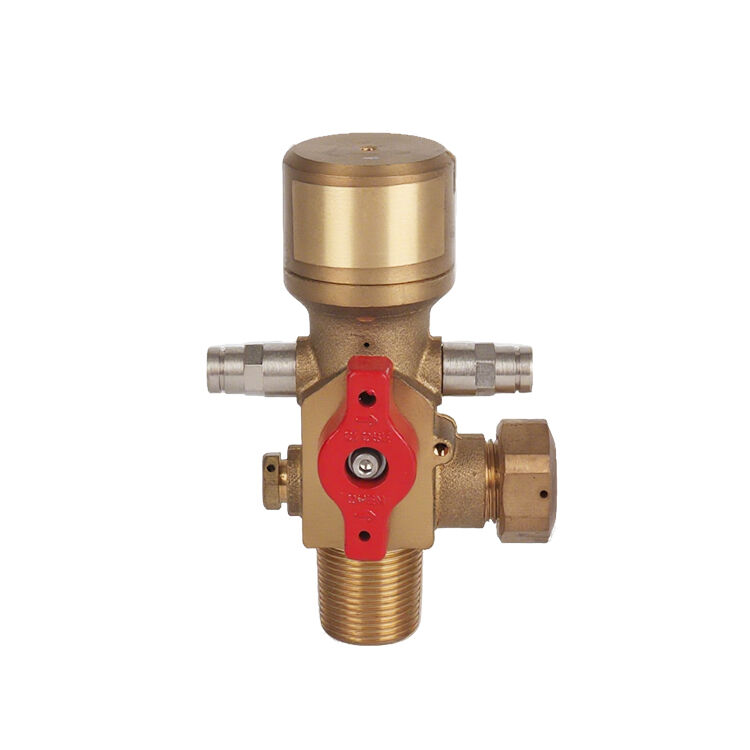
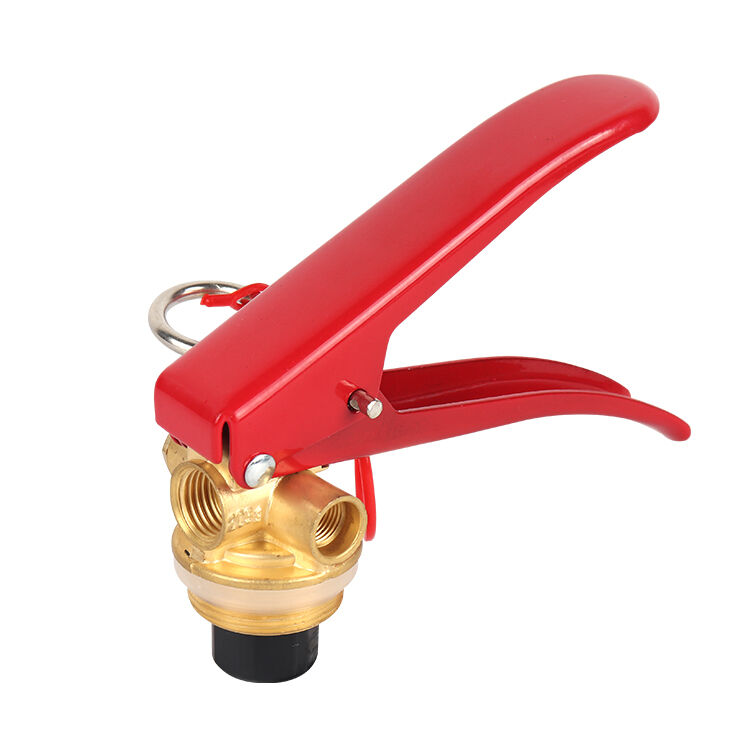
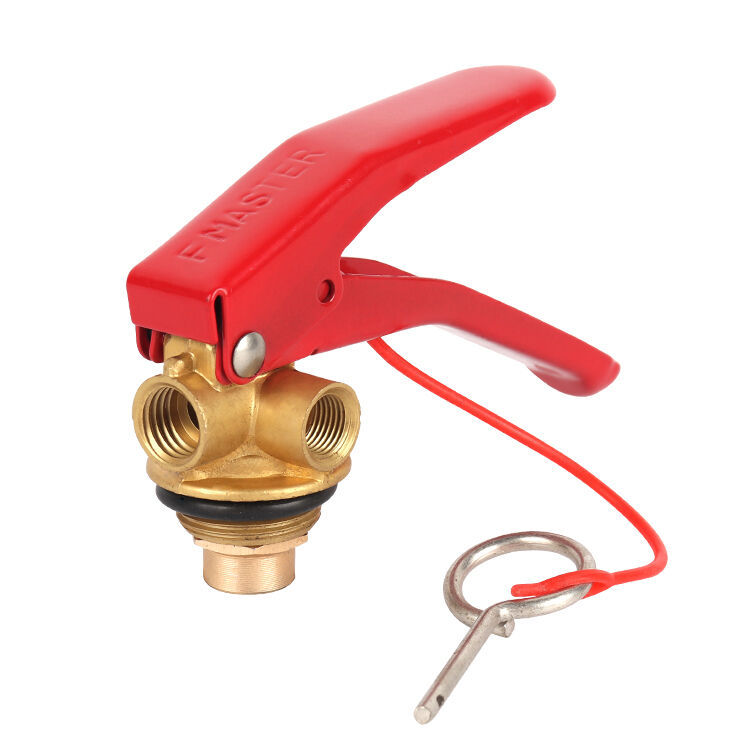
An oem valve represents a critical component in fluid control systems, engineered to regulate, direct, or control the flow of liquids, gases, and other materials through pipelines and machinery. OEM valves are original equipment manufacturer components specifically designed to meet exact specifications and performance standards required by industrial applications. These precision-engineered devices serve as gatekeepers in complex systems, ensuring optimal flow control while maintaining safety and efficiency standards. The primary function of an oem valve involves opening, closing, or partially obstructing passageways to control fluid movement. This fundamental operation enables precise regulation of pressure, temperature, and flow rates across diverse industrial processes. Modern oem valve technology incorporates advanced materials such as stainless steel, brass, and specialized alloys that provide exceptional durability and corrosion resistance. The technological features of contemporary oem valve designs include precision-machined seats and stems, advanced sealing mechanisms, and computerized control interfaces. Many oem valve units feature automated actuators that respond to electronic signals, allowing for remote operation and integration with sophisticated control systems. These valves often incorporate pressure relief mechanisms, temperature sensors, and flow measurement capabilities that provide real-time operational data. Applications for oem valve technology span numerous industries including petrochemical processing, water treatment facilities, manufacturing plants, HVAC systems, and automotive production lines. In petrochemical applications, oem valve components handle volatile substances under extreme pressure and temperature conditions. Water treatment facilities rely on oem valve systems to manage chemical dosing, filtration processes, and distribution networks. Manufacturing environments utilize oem valve technology for pneumatic systems, hydraulic circuits, and process control applications. The versatility of oem valve designs allows customization for specific operational requirements, ensuring compatibility with existing infrastructure while meeting stringent safety and performance criteria established by industry standards and regulatory bodies.


New Products

The advantages of implementing oem valve technology in industrial applications provide substantial benefits that directly impact operational efficiency and cost-effectiveness. First and foremost, oem valve systems deliver exceptional reliability through rigorous quality control processes during manufacturing. Each oem valve undergoes comprehensive testing protocols that verify performance under various operating conditions, ensuring consistent operation and reducing unexpected downtime. This reliability translates into significant cost savings by minimizing maintenance requirements and extending operational lifespan compared to generic alternatives. The precision engineering inherent in oem valve design results in superior flow control accuracy, enabling operators to maintain optimal system performance across diverse operating conditions. This enhanced control capability reduces energy consumption by eliminating inefficiencies associated with poor flow regulation, directly contributing to lower operational costs and improved environmental sustainability. Safety represents another crucial advantage of oem valve implementation, as these components undergo extensive safety certifications and comply with international standards. The robust construction and fail-safe mechanisms integrated into oem valve designs protect personnel and equipment from hazardous situations, reducing liability and insurance costs while ensuring regulatory compliance. Installation and maintenance procedures for oem valve systems are streamlined through standardized designs and comprehensive documentation, reducing labor costs and minimizing installation time. The availability of detailed technical specifications and support resources enables maintenance teams to perform routine servicing efficiently, further reducing operational expenses. Compatibility advantages emerge from the standardized nature of oem valve components, ensuring seamless integration with existing equipment and control systems. This compatibility eliminates costly modifications or custom adaptations typically required with non-standard components. Long-term availability of replacement parts and technical support provides additional peace of mind, as oem valve manufacturers maintain extensive inventories and service networks. The modular design of many oem valve systems allows for easy upgrades and modifications as operational requirements evolve, protecting initial investments while accommodating future expansion needs. Performance monitoring capabilities built into modern oem valve designs provide valuable operational data that enables predictive maintenance strategies, further optimizing system efficiency and reducing unexpected failures.

Practical Tips

The Ultimate Guide to Choosing the Right Fire Extinguisher for Your Home

02

Dec

The Ultimate Guide to Choosing the Right Fire Extinguisher for Your Home

Home fire safety is a critical concern that every homeowner must address proactively. A fire extinguisher serves as your first line of defense against small fires before they escalate into catastrophic events. Understanding the different types of fir...
View More
Fire Extinguisher Valve: How It Works and Why It's Crucial

10

Dec

Fire Extinguisher Valve: How It Works and Why It's Crucial

Fire extinguisher systems represent one of the most critical safety components in any building or industrial facility. At the heart of every fire extinguisher lies a sophisticated valve mechanism that controls the flow of suppressant materials during...
View More
When to Use a Fire Blanket vs. a Fire Extinguisher: A Clear Guide

19

Dec

When to Use a Fire Blanket vs. a Fire Extinguisher: A Clear Guide

When faced with a fire emergency, having the right suppression tool can mean the difference between a minor incident and a catastrophic event. Two of the most common fire safety devices found in homes, kitchens, and workplaces are fire blankets and f...
View More
How to Read a Fire Extinguisher Pressure Gauge (With Pictures)

22

Dec

How to Read a Fire Extinguisher Pressure Gauge (With Pictures)

Understanding how to properly read a fire extinguisher pressure gauge is essential for maintaining fire safety equipment and ensuring optimal performance during emergencies. A pressure gauge serves as the primary indicator of whether your fire exting...
View More

Get a Free Quote

Our representative will contact you soon.
Email
Name
Company Name
Mobile/WhatsApp
Message
0/1000

oem valve

Advanced Precision Engineering and Material Technology

Advanced Precision Engineering and Material Technology

The sophisticated engineering behind oem valve construction represents a pinnacle of industrial component design, incorporating cutting-edge materials science and precision manufacturing techniques that deliver unparalleled performance and longevity. Every oem valve component undergoes meticulous design optimization using advanced computer modeling and simulation software that analyzes flow dynamics, stress distributions, and thermal characteristics under various operating conditions. This comprehensive engineering approach ensures that each oem valve meets exact specifications while optimizing performance parameters such as flow coefficient, pressure drop, and response time. The material selection process for oem valve construction involves rigorous evaluation of corrosion resistance, mechanical strength, and chemical compatibility with intended applications. High-grade stainless steel alloys, specialized ceramics, and advanced polymer compounds are carefully chosen based on their ability to withstand extreme temperatures, aggressive chemicals, and high-pressure environments. The precision machining processes employed in oem valve manufacturing utilize state-of-the-art CNC equipment and quality control systems that maintain tolerances measured in thousandths of an inch. This exceptional precision ensures perfect sealing surfaces, smooth operation, and consistent performance throughout the valve's operational life. Surface treatments and coatings applied to critical oem valve components provide additional protection against wear, corrosion, and contamination, further extending service life and maintaining optimal performance. The integration of advanced sealing technologies, including elastomeric compounds and metal-to-metal sealing designs, ensures leak-tight operation under demanding conditions while minimizing maintenance requirements. Quality assurance protocols implemented during oem valve production include comprehensive testing procedures that verify dimensional accuracy, material properties, and functional performance before shipment. This commitment to engineering excellence and material quality makes oem valve technology the preferred choice for critical applications where reliability and performance cannot be compromised.
Seamless Integration and Compatibility Advantages

Seamless Integration and Compatibility Advantages

The exceptional compatibility characteristics of oem valve systems provide tremendous value by enabling seamless integration with existing infrastructure while accommodating future system expansions and modifications without costly redesigns or custom adaptations. This inherent compatibility stems from adherence to established industry standards and dimensional specifications that ensure consistent mounting patterns, connection types, and operational parameters across different manufacturers and system configurations. The standardized design approach employed in oem valve development facilitates straightforward replacement of aging components without requiring extensive system modifications or specialized installation procedures. This compatibility advantage significantly reduces project timelines and installation costs while minimizing operational disruptions during maintenance or upgrade activities. Modern oem valve designs incorporate universal mounting configurations and standardized connection interfaces that accommodate various piping systems, actuator types, and control mechanisms commonly found in industrial applications. The modular architecture of contemporary oem valve systems allows for easy customization and configuration changes through interchangeable components and accessories, providing flexibility to adapt to evolving operational requirements without replacing entire valve assemblies. Electronic interfaces and communication protocols integrated into smart oem valve designs ensure compatibility with diverse control systems, data acquisition networks, and automation platforms, enabling seamless integration into Industry 4.0 environments and IoT applications. The backward compatibility maintained in oem valve product lines protects existing investments by allowing gradual system upgrades and component replacements over extended periods without forcing complete system overhauls. Comprehensive documentation and technical support resources provided by oem valve manufacturers facilitate proper selection, installation, and configuration procedures, ensuring optimal system integration and performance. The availability of adapter kits, transition fittings, and interface modules for oem valve systems further enhances compatibility options when connecting to legacy equipment or specialized applications. This focus on compatibility and integration flexibility makes oem valve technology particularly valuable for facilities seeking to modernize existing systems while maintaining operational continuity and minimizing capital expenditures associated with complete system replacements.
Superior Performance Monitoring and Predictive Maintenance Capabilities

Superior Performance Monitoring and Predictive Maintenance Capabilities

The advanced performance monitoring and diagnostic capabilities integrated into modern oem valve systems provide unprecedented visibility into operational parameters and equipment health, enabling proactive maintenance strategies that minimize downtime while optimizing system efficiency and extending component lifespan. These sophisticated monitoring systems incorporate multiple sensors and data collection points that continuously track critical performance indicators such as flow rates, pressure differentials, temperature variations, actuator position, and valve cycling frequency. The real-time data generated by oem valve monitoring systems enables operators to detect developing issues before they escalate into costly failures, allowing for planned maintenance activities during scheduled downtime periods rather than emergency repairs during critical operations. Advanced diagnostic algorithms analyze operational data patterns to identify trends and anomalies that indicate potential problems, providing early warning notifications that enable timely intervention and corrective actions. The integration of wireless communication capabilities in smart oem valve designs facilitates remote monitoring and data transmission to centralized control systems, enabling facility managers to oversee valve performance across multiple locations from a single interface. Historical data logging and trending capabilities built into oem valve monitoring systems provide valuable insights into long-term performance patterns, helping operators optimize operating parameters and maintenance schedules based on actual usage patterns rather than arbitrary time intervals. The predictive analytics features incorporated into advanced oem valve systems utilize machine learning algorithms and statistical models to forecast remaining useful life, optimal maintenance timing, and potential failure modes based on current operating conditions and historical performance data. These predictive maintenance capabilities significantly reduce maintenance costs by eliminating unnecessary preventive maintenance activities while ensuring critical components receive attention when needed. The comprehensive reporting and documentation features of oem valve monitoring systems support regulatory compliance requirements and provide detailed maintenance records that demonstrate due diligence and proper equipment stewardship. Integration with enterprise asset management systems allows oem valve performance data to be incorporated into broader maintenance planning and resource allocation strategies, optimizing overall facility management efficiency and reducing operational costs.

Get a Free Quote

Our representative will contact you soon.
Email
Name
Company Name
Mobile/WhatsApp
Message
0/1000
email goToTop