Minimal Cleanup and Property Damage
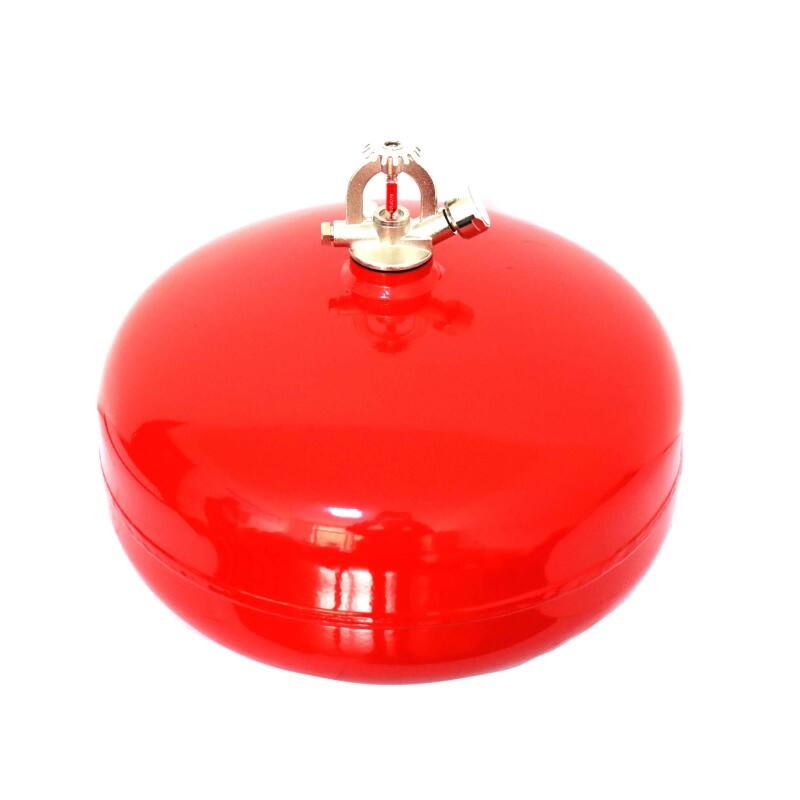
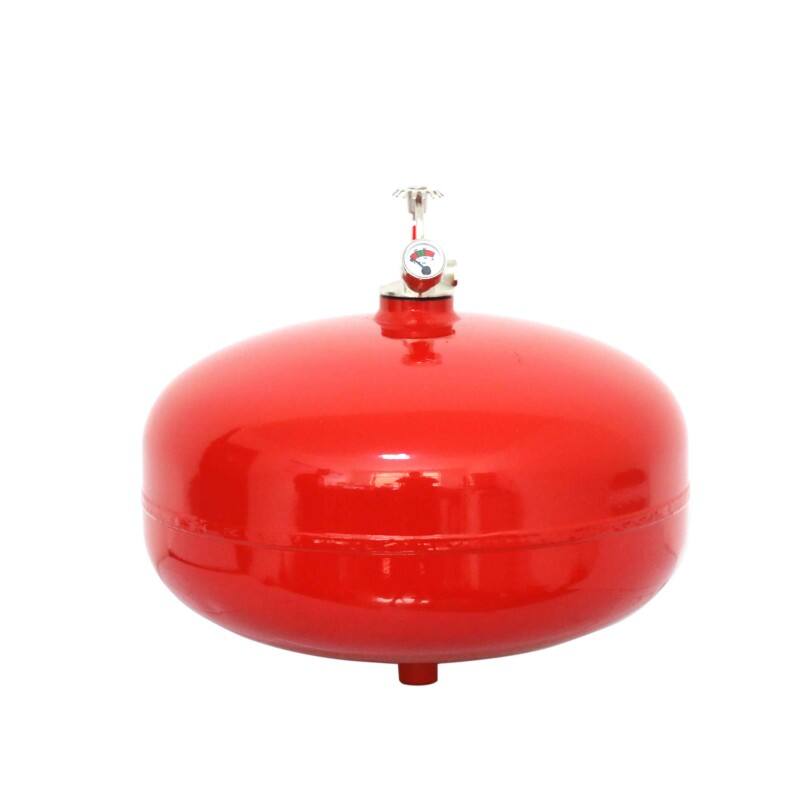
The automatic fire extinguisher dry powder offers significant advantages in terms of minimal cleanup requirements and reduced property damage compared to alternative fire suppression methods, making it an ideal choice for protecting valuable equipment, inventory, and sensitive environments. Unlike water-based sprinkler systems that can cause extensive water damage to electronics, documents, furniture, and building structures, the dry powder discharge leaves no liquid residue that could compromise property integrity or create secondary damage concerns. The powder formulation consists of finely ground chemical particles that can be easily removed through standard cleaning procedures, including vacuuming, sweeping, or compressed air cleaning, allowing rapid facility restoration and minimizing business interruption periods. This cleanup advantage proves particularly valuable in commercial settings where operational downtime translates directly into revenue loss and productivity reduction. Computer servers, telecommunications equipment, and electronic manufacturing facilities benefit enormously from dry powder fire suppression, as the absence of water eliminates risks of short circuits, corrosion, and permanent equipment damage that typically accompany water-based fire suppression activation. The dry powder particles are specifically formulated to avoid chemical reactions with common materials, metals, and surfaces, ensuring that cleanup procedures do not create additional complications or damage. Museums, libraries, archives, and cultural institutions find automatic fire extinguisher dry powder systems essential for protecting irreplaceable artifacts, documents, and collections that would suffer irreparable harm from water exposure. The powder formulation incorporates anti-corrosive properties that prevent long-term damage to metal surfaces, ensuring that equipment and structural components maintain their integrity even after fire suppression activation. Laboratory environments, medical facilities, and pharmaceutical operations benefit from the non-contaminating characteristics of dry powder suppression, as the chemical composition does not introduce harmful substances that could compromise sterile environments or sensitive research materials. The minimal residue production means that food service facilities, restaurants, and food processing plants can resume operations more quickly after fire incidents, as the powder does not create contamination issues that would require extensive decontamination procedures. Economic benefits include reduced insurance claims, lower restoration costs, and faster business continuity restoration, contributing to improved overall cost-effectiveness compared to suppression methods that create extensive secondary damage. The environmental impact remains minimal, as the powder components are generally considered environmentally safe and do not require specialized hazardous waste disposal procedures, simplifying cleanup logistics and reducing associated disposal costs.

 EN
EN