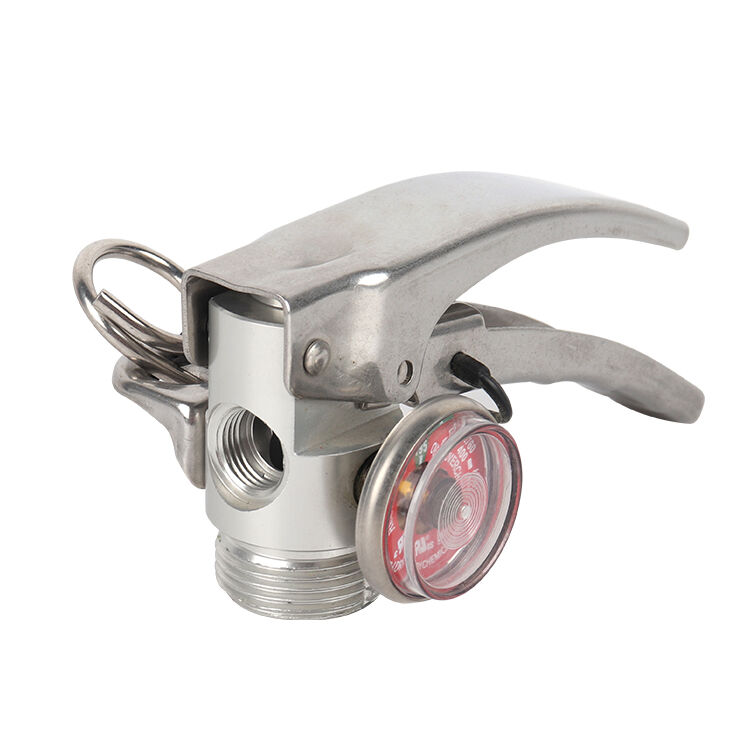
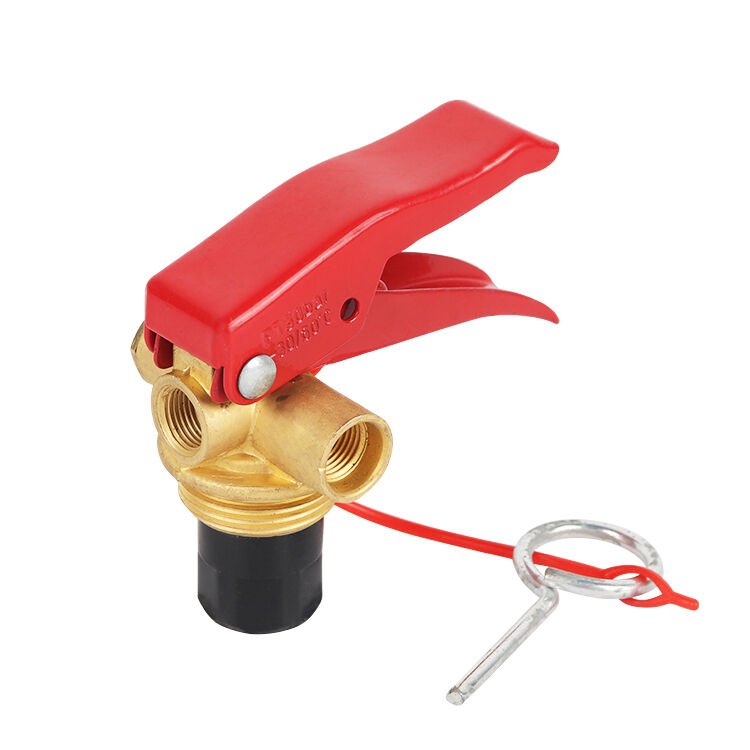
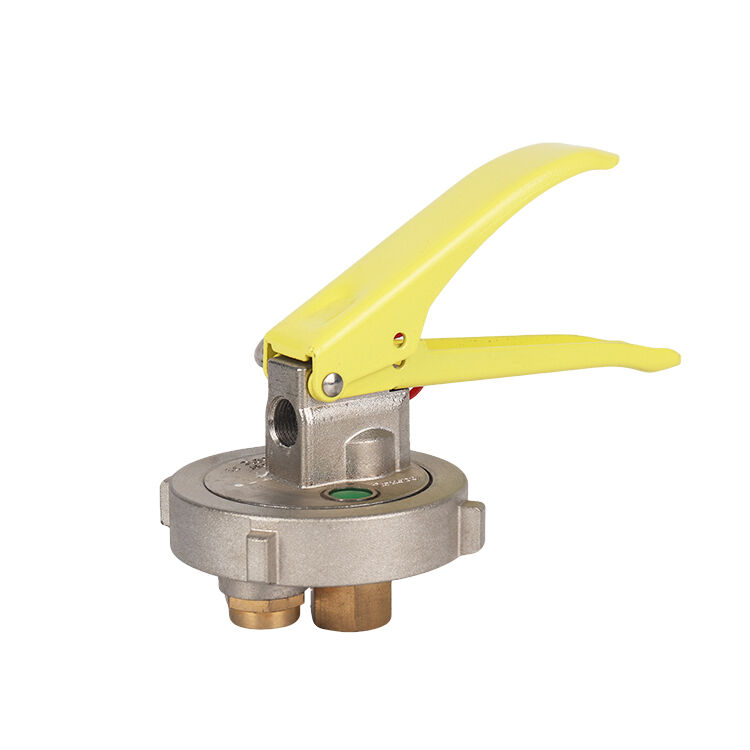
Premium Chemical Valves - Superior Corrosion Resistance & Precision Flow Control Solutions

Download Catalogue
All Categories

Get a Free Quote

Our representative will contact you soon.
Email
Name
Company Name
Mobile/WhatsApp
Message
0/1000

chemical valve

A chemical valve represents a critical component in industrial fluid control systems, specifically engineered to handle corrosive and aggressive chemical media safely and efficiently. These specialized valves serve as gatekeepers in chemical processing operations, regulating the flow, pressure, and direction of various chemical substances throughout complex piping networks. The primary function of a chemical valve involves controlling the movement of hazardous liquids, gases, and slurries while maintaining system integrity under extreme conditions. Chemical valves incorporate advanced sealing technologies and corrosion-resistant materials to prevent leakage and contamination. Their design accommodates wide temperature ranges, from cryogenic applications to high-heat processes exceeding 500 degrees Celsius. The technological features of modern chemical valves include precision-machined components, specialized coatings, and innovative actuator systems that enable remote operation and automated control. These valves often integrate with digital control systems, providing real-time monitoring capabilities and predictive maintenance alerts. Chemical valve construction utilizes premium materials such as stainless steel, Hastelloy, and advanced polymer composites that resist chemical degradation. Applications span numerous industries including petrochemical refineries, pharmaceutical manufacturing, water treatment facilities, and specialty chemical production. In petrochemical plants, chemical valves manage the flow of crude oil derivatives, acids, and alkalis during refining processes. Pharmaceutical companies rely on these valves to maintain sterile conditions while transferring active ingredients and solvents. Water treatment operations use chemical valves to control chlorine, fluoride, and other treatment chemicals. The versatility of chemical valve technology extends to food processing, where they handle cleaning agents and sanitizers. Environmental compliance requirements drive the adoption of advanced chemical valve systems that minimize emissions and prevent groundwater contamination. These valves play essential roles in emergency shutdown procedures, providing fail-safe mechanisms that protect personnel and equipment during hazardous situations.


New Product Recommendations

Chemical valves deliver exceptional performance benefits that directly impact operational efficiency and safety standards across industrial applications. These specialized components offer superior corrosion resistance compared to standard valves, significantly extending service life and reducing replacement costs. The enhanced durability of chemical valves translates to fewer maintenance interventions and decreased downtime, allowing production facilities to maintain consistent output levels. Advanced sealing mechanisms prevent costly chemical leaks that could result in environmental fines, cleanup expenses, and production delays. Chemical valve technology incorporates fail-safe designs that automatically shut off flow during emergency situations, protecting valuable equipment and preventing catastrophic failures. The precision engineering of these valves ensures accurate flow control, enabling operators to maintain optimal process parameters and product quality standards. Temperature resistance capabilities allow chemical valves to function reliably in extreme environments where conventional valves would fail prematurely. This thermal stability reduces the need for expensive cooling or heating systems, lowering overall operational costs. Chemical valves support automated control systems that minimize human exposure to hazardous substances while improving process consistency and repeatability. The compatibility with digital monitoring systems provides real-time performance data, enabling predictive maintenance strategies that prevent unexpected failures. Energy efficiency improvements result from optimized flow characteristics that reduce pumping requirements and associated power consumption. Chemical valve installations typically require minimal system modifications, making retrofits cost-effective and reducing implementation timeframes. The standardized interfaces of modern chemical valves ensure compatibility with existing control systems and instrumentation. Quality assurance programs guarantee that each chemical valve meets stringent industry standards and regulatory requirements. Long-term cost savings accumulate through reduced chemical waste, improved process yields, and decreased insurance premiums associated with enhanced safety profiles. The versatility of chemical valve designs accommodates diverse application requirements without compromising performance or reliability. Technical support services from reputable manufacturers provide ongoing assistance with installation, troubleshooting, and optimization procedures. Chemical valves contribute to environmental sustainability by minimizing emissions and preventing contamination incidents that could harm surrounding ecosystems.

Practical Tips

The Ultimate Guide to Choosing the Right Fire Extinguisher for Your Home

02

Dec

The Ultimate Guide to Choosing the Right Fire Extinguisher for Your Home

Home fire safety is a critical concern that every homeowner must address proactively. A fire extinguisher serves as your first line of defense against small fires before they escalate into catastrophic events. Understanding the different types of fir...
View More
Fire Extinguisher Valve: How It Works and Why It's Crucial

10

Dec

Fire Extinguisher Valve: How It Works and Why It's Crucial

Fire extinguisher systems represent one of the most critical safety components in any building or industrial facility. At the heart of every fire extinguisher lies a sophisticated valve mechanism that controls the flow of suppressant materials during...
View More
Dry Powder Fire Extinguisher: A Complete Guide to Uses and Limitations

16

Dec

Dry Powder Fire Extinguisher: A Complete Guide to Uses and Limitations

Fire safety remains a critical concern across industrial, commercial, and residential environments worldwide. Among the various firefighting solutions available today, the dry powder extinguisher stands out as one of the most versatile and widely dep...
View More
How to Read a Fire Extinguisher Pressure Gauge (With Pictures)

22

Dec

How to Read a Fire Extinguisher Pressure Gauge (With Pictures)

Understanding how to properly read a fire extinguisher pressure gauge is essential for maintaining fire safety equipment and ensuring optimal performance during emergencies. A pressure gauge serves as the primary indicator of whether your fire exting...
View More

Get a Free Quote

Our representative will contact you soon.
Email
Name
Company Name
Mobile/WhatsApp
Message
0/1000

chemical valve

Superior Corrosion Protection for Extended Service Life

Superior Corrosion Protection for Extended Service Life

Chemical valves excel in providing unmatched corrosion resistance through advanced material selection and protective coating technologies that safeguard against the most aggressive chemical environments. The engineering teams behind these valves carefully select specialized alloys and composite materials that demonstrate exceptional resistance to acids, bases, solvents, and oxidizing agents commonly encountered in industrial processes. Premium stainless steel grades such as 316L and duplex steels offer excellent general corrosion resistance, while exotic alloys like Hastelloy C-276 and Inconel provide superior protection against specific chemical attacks. Advanced polymer technologies including PTFE, PEEK, and PFA create non-reactive surfaces that resist chemical degradation while maintaining flexibility across temperature extremes. The surface treatment processes applied to chemical valve components include electrochemical passivation, thermal spray coatings, and chemical vapor deposition techniques that create protective barriers at the molecular level. These protective measures prevent galvanic corrosion, stress corrosion cracking, and pitting that typically plague standard valve materials when exposed to harsh chemicals. The extended service life resulting from superior corrosion protection translates directly into reduced maintenance costs and decreased operational disruptions. Chemical valve installations in chlor-alkali plants, for example, demonstrate service lives exceeding fifteen years compared to three-year replacement cycles for conventional valves. The economic benefits compound over time as fewer replacement parts are required, reducing inventory carrying costs and eliminating rush delivery charges for emergency repairs. Quality control procedures during manufacturing ensure consistent material properties and coating thickness throughout each chemical valve assembly. Advanced testing protocols including salt spray exposure, cyclic corrosion testing, and electrochemical analysis verify the corrosion resistance performance before shipment. The comprehensive warranty coverage provided with corrosion-resistant chemical valves reflects manufacturer confidence in material performance and provides customers with financial protection against premature failures. Environmental benefits include reduced waste generation from valve replacements and decreased risk of contamination incidents caused by corroded components.
Precision Flow Control for Optimal Process Performance

Precision Flow Control for Optimal Process Performance

Chemical valves deliver exceptional flow control precision that enables operators to maintain exact process parameters essential for product quality and operational efficiency in demanding chemical processing applications. The engineered flow characteristics of these valves result from computational fluid dynamics modeling and extensive testing that optimize internal geometries for linear flow response and minimal pressure drop. Advanced trim designs incorporate variable orifice configurations that provide accurate flow modulation across the entire operating range, from minimal seepage rates to maximum throughput conditions. The inherent flow characteristics of chemical valves remain stable over extended periods due to wear-resistant materials that prevent erosion and dimensional changes that could affect control accuracy. Precision machining tolerances ensure consistent performance between individual valve units and maintain calibration stability throughout the service life. Digital positioners integrated with modern chemical valve actuators provide closed-loop feedback control that compensates for process variations and maintains setpoint accuracy within narrow tolerance bands. The fast response times achievable with advanced chemical valve designs enable rapid adjustment to changing process conditions, preventing quality deviations and reducing waste generation. Multi-stage trim configurations allow for precise control of high pressure drops while minimizing cavitation and noise generation that could damage downstream equipment. Smart valve technology incorporates diagnostic capabilities that monitor control performance and alert operators to potential issues before they impact process stability. The repeatable positioning accuracy of chemical valves ensures consistent batch-to-batch product quality in pharmaceutical and specialty chemical manufacturing where precise dosing is critical. Turndown ratios exceeding 100:1 provide operational flexibility that accommodates varying production requirements without requiring multiple valve sizes. Linear and equal percentage flow characteristics can be customized to match specific process control requirements and optimize overall system performance. The predictable flow behavior of chemical valves simplifies control system tuning and reduces commissioning time for new installations. Validation documentation provided with precision flow control valves supports regulatory compliance requirements in FDA-regulated industries. Advanced materials selection prevents flow restriction buildup from chemical deposits that could compromise control accuracy over time.
Enhanced Safety Features for Personnel and Environmental Protection

Enhanced Safety Features for Personnel and Environmental Protection

Chemical valves incorporate comprehensive safety mechanisms designed to protect personnel, equipment, and the environment from hazardous chemical exposure and catastrophic system failures through multiple layers of engineered safeguards and fail-safe operations. Emergency shutdown capabilities built into chemical valve designs provide immediate flow isolation when dangerous conditions are detected by process safety systems or manual emergency stops. Spring-loaded actuators ensure that valves move to predetermined safe positions during power failures or control system malfunctions, preventing uncontrolled chemical releases. Fire-safe construction features enable chemical valves to maintain sealing integrity during emergency situations involving high temperatures and flames, preventing the spread of hazardous materials. Fugitive emission controls integrated into chemical valve designs minimize vapor releases that could pose health risks to workers or contribute to environmental pollution. Advanced packing systems and secondary containment features provide multiple barriers against chemical leakage that could result in slip hazards or toxic exposures. Blow-out proof stem designs prevent catastrophic valve failure modes that could propel valve components at high velocity, protecting nearby personnel from injury. Anti-static bonding provisions eliminate static electricity buildup that could trigger ignition in flammable chemical environments, reducing fire and explosion risks. Lockout-tagout compatibility ensures that chemical valves can be safely isolated during maintenance procedures, protecting service personnel from accidental exposure or system startup. Visual position indicators provide clear confirmation of valve status to operators working in hazardous areas where chemical exposure time must be minimized. Remote operation capabilities allow operators to control chemical valves from safe distances, reducing exposure risks during normal operations and emergency procedures. Pressure relief integration prevents over-pressurization conditions that could cause valve failure or system damage during process upsets or thermal expansion events. Material compatibility certifications ensure that chemical valve components will not react adversely with process media, preventing dangerous chemical reactions or toxic gas generation. Safety instrumented function ratings qualify chemical valves for use in critical safety applications where failure could result in catastrophic consequences. Regular safety testing protocols verify ongoing performance of protective features and identify potential issues before they compromise safety systems. Training programs provided by valve manufacturers ensure that maintenance personnel understand proper handling procedures and safety precautions specific to chemical valve applications.

Get a Free Quote

Our representative will contact you soon.
Email
Name
Company Name
Mobile/WhatsApp
Message
0/1000
email goToTop