Professional Fire Extinguisher Valve Systems - Advanced Fire Suppression Control Technology

Download Catalogue
All Categories

Get a Free Quote

Our representative will contact you soon.
Email
Name
Company Name
Mobile/WhatsApp
Message
0/1000

fire extinguisher valve

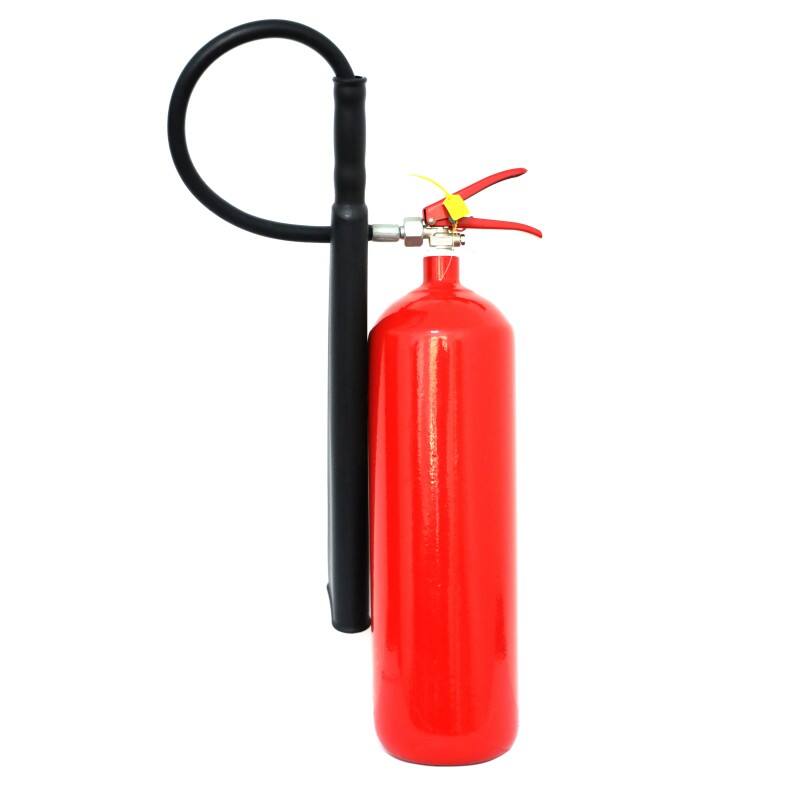
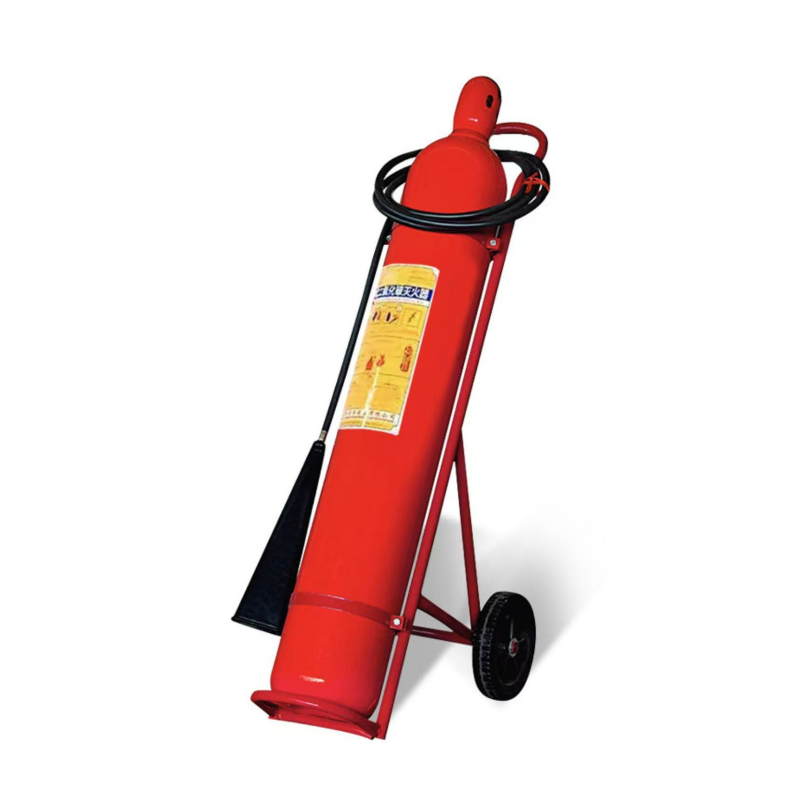
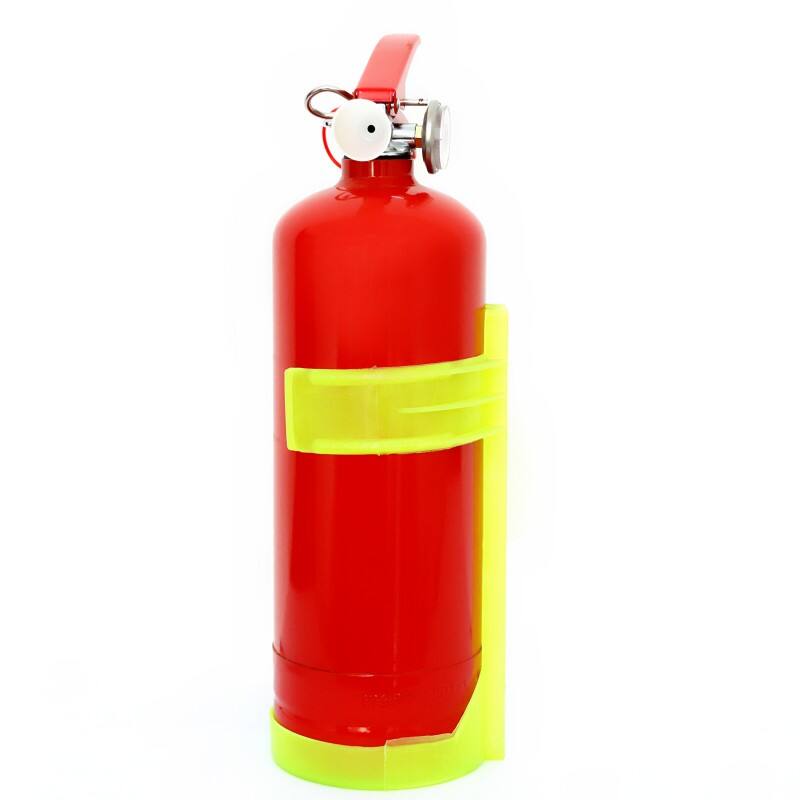
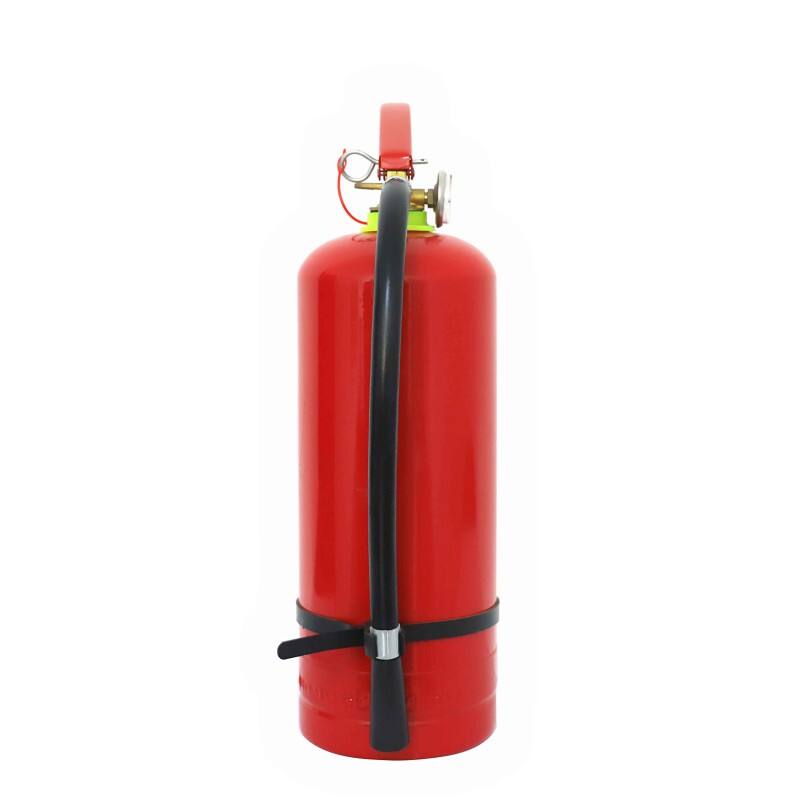
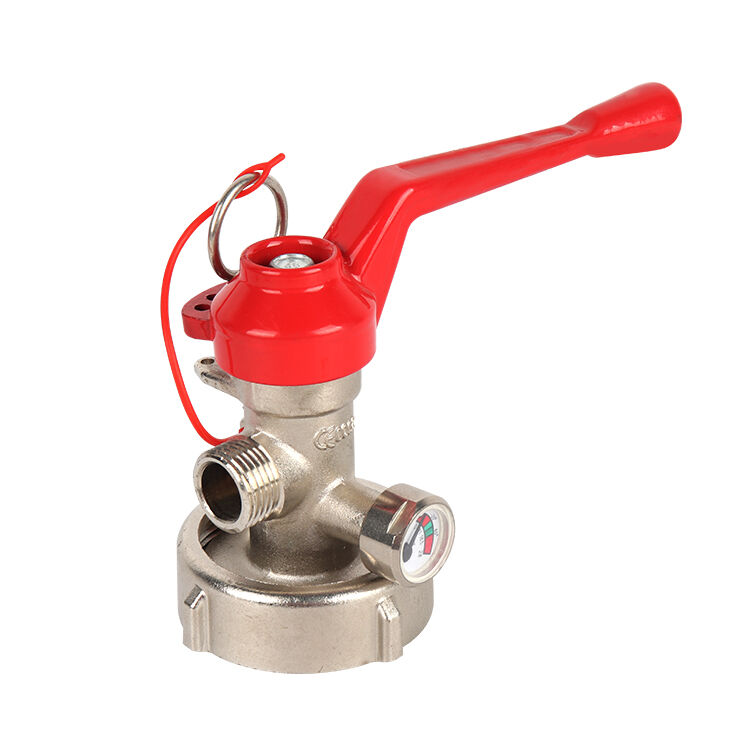
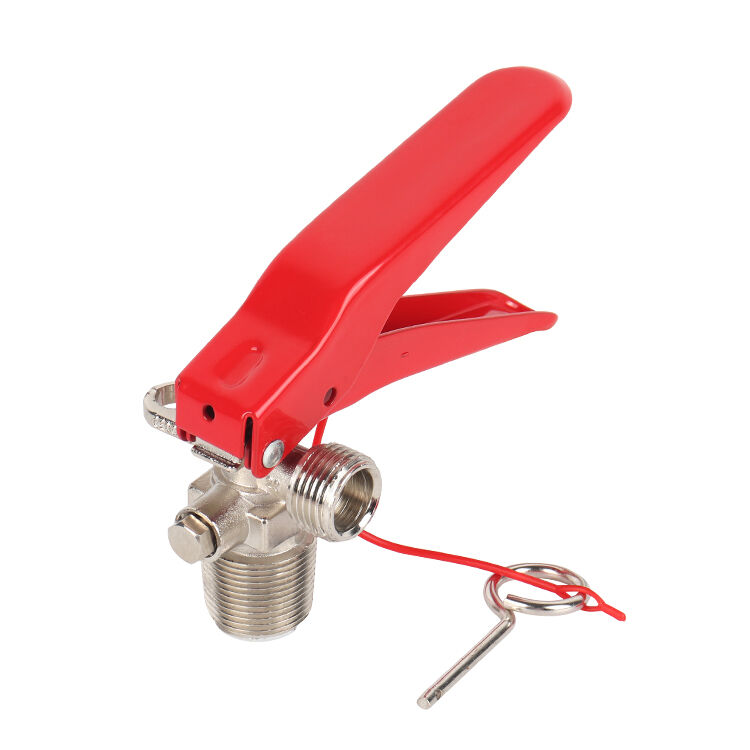
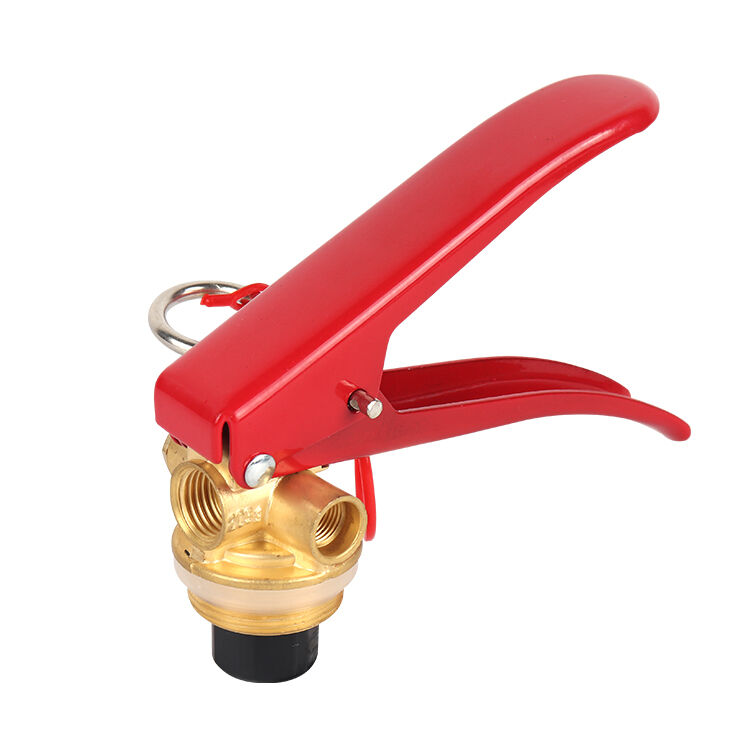
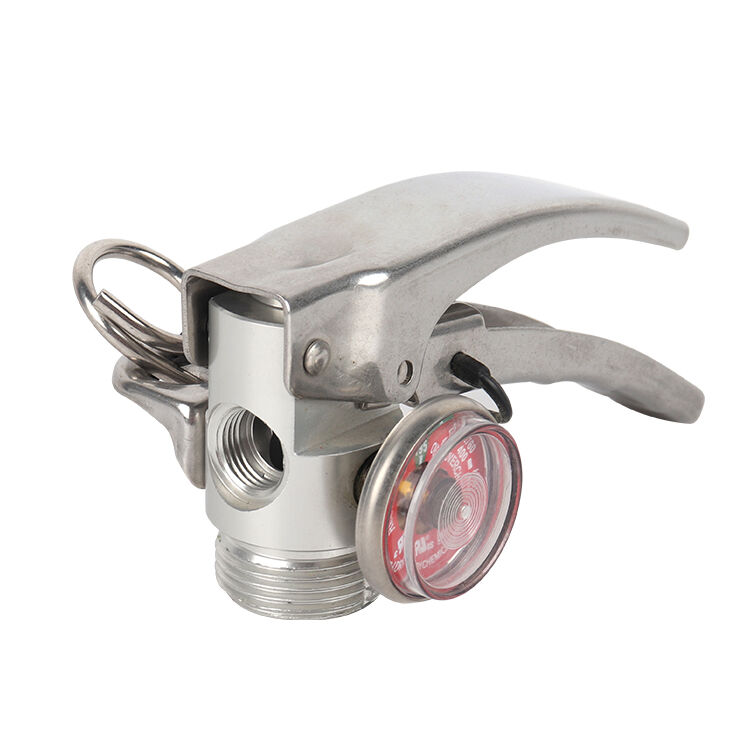
The fire extinguisher valve serves as the critical control mechanism that regulates the discharge of extinguishing agents from fire suppression systems. This essential component acts as the gateway between the pressurized extinguishing medium and the protected environment, ensuring precise control over the release process during emergency situations. Fire extinguisher valves are engineered with robust materials and sophisticated mechanisms to withstand extreme pressures while maintaining reliable operation when needed most. The primary function of a fire extinguisher valve involves controlling the flow rate and pressure of extinguishing agents, whether they are water, foam, dry chemical powders, or clean agents like CO2 and inert gases. These valves incorporate advanced sealing technologies to prevent accidental discharge while ensuring immediate activation when triggered by manual operation or automatic detection systems. Modern fire extinguisher valve designs feature corrosion-resistant materials such as stainless steel, brass, and specialized alloys that can withstand harsh environmental conditions and maintain operational integrity over extended periods. The technological features include precision-machined components, multi-stage pressure reduction systems, and integrated safety mechanisms that prevent over-pressurization. Many contemporary fire extinguisher valves incorporate smart monitoring capabilities, allowing real-time status verification and remote diagnostics. Applications span across diverse sectors including industrial facilities, commercial buildings, marine vessels, aircraft, and residential properties. In industrial settings, fire extinguisher valves are crucial for protecting manufacturing equipment, storage facilities, and processing plants where specialized extinguishing agents are required. Commercial applications include office buildings, shopping centers, hotels, and healthcare facilities where life safety is paramount. The marine industry relies heavily on fire extinguisher valve systems for engine rooms, cargo holds, and passenger areas. Aviation applications demand lightweight yet highly reliable fire extinguisher valve systems for aircraft engines, cargo compartments, and cabin areas where rapid response is essential for passenger safety.


New Products

Fire extinguisher valve systems deliver exceptional reliability when protecting lives and property from fire hazards. These valves provide instant response capabilities, activating within seconds of detection to suppress fires before they spread and cause devastating damage. The precision engineering ensures consistent performance across varying environmental conditions, from extreme temperatures to high humidity environments. Users benefit from reduced maintenance requirements due to the robust construction and high-quality materials used in manufacturing fire extinguisher valves. The automated operation eliminates human error factors, providing reliable protection even when buildings are unoccupied or during nighttime hours when immediate human intervention may not be possible. Cost-effectiveness represents another significant advantage, as fire extinguisher valve systems prevent expensive property damage and business interruption costs that result from uncontrolled fires. Insurance companies often provide premium reductions for properties equipped with professional-grade fire extinguisher valve systems, creating long-term financial benefits for property owners. The versatility of modern fire extinguisher valve technology allows integration with existing building management systems, providing centralized monitoring and control capabilities. This integration enables facility managers to track system status, receive maintenance alerts, and ensure optimal performance throughout the system lifecycle. Environmental benefits emerge from the precise control mechanisms that minimize extinguishing agent waste while maximizing suppression effectiveness. Many fire extinguisher valve systems support environmentally friendly agents that do not deplete the ozone layer or contribute to global warming potential. The scalability of fire extinguisher valve installations accommodates facilities of all sizes, from small retail spaces to large industrial complexes, with customizable configurations meeting specific protection requirements. Easy installation procedures reduce project timelines and minimize disruption to ongoing operations. Professional fire extinguisher valve systems comply with international safety standards and building codes, ensuring legal compliance while providing peace of mind for property owners and occupants. The advanced diagnostics capabilities enable proactive maintenance scheduling, preventing unexpected failures and ensuring system readiness when protection is needed most. Training requirements for operating personnel remain minimal due to intuitive design features and automated operation modes that simplify system management.

Tips And Tricks

The Ultimate Guide to Choosing the Right Fire Extinguisher for Your Home

02

Dec

The Ultimate Guide to Choosing the Right Fire Extinguisher for Your Home

Home fire safety is a critical concern that every homeowner must address proactively. A fire extinguisher serves as your first line of defense against small fires before they escalate into catastrophic events. Understanding the different types of fir...
View More
Fire Extinguisher Valve: How It Works and Why It's Crucial

10

Dec

Fire Extinguisher Valve: How It Works and Why It's Crucial

Fire extinguisher systems represent one of the most critical safety components in any building or industrial facility. At the heart of every fire extinguisher lies a sophisticated valve mechanism that controls the flow of suppressant materials during...
View More
Dry Powder Fire Extinguisher: A Complete Guide to Uses and Limitations

16

Dec

Dry Powder Fire Extinguisher: A Complete Guide to Uses and Limitations

Fire safety remains a critical concern across industrial, commercial, and residential environments worldwide. Among the various firefighting solutions available today, the dry powder extinguisher stands out as one of the most versatile and widely dep...
View More
When to Use a Fire Blanket vs. a Fire Extinguisher: A Clear Guide

19

Dec

When to Use a Fire Blanket vs. a Fire Extinguisher: A Clear Guide

When faced with a fire emergency, having the right suppression tool can mean the difference between a minor incident and a catastrophic event. Two of the most common fire safety devices found in homes, kitchens, and workplaces are fire blankets and f...
View More

Get a Free Quote

Our representative will contact you soon.
Email
Name
Company Name
Mobile/WhatsApp
Message
0/1000

fire extinguisher valve

Advanced Pressure Control Technology

Advanced Pressure Control Technology

The sophisticated pressure control technology integrated into modern fire extinguisher valve systems represents a breakthrough in fire suppression engineering. This advanced feature utilizes precision-engineered components that automatically regulate extinguishing agent pressure to optimal levels for maximum effectiveness while preventing system damage from over-pressurization. The multi-stage pressure reduction mechanism ensures that extinguishing agents are delivered at the precise pressure required for each specific application, whether protecting delicate electronic equipment or suppressing high-intensity industrial fires. This technology incorporates intelligent feedback systems that continuously monitor pressure levels throughout the discharge process, making real-time adjustments to maintain optimal performance. The pressure control system prevents dangerous pressure spikes that could damage protected equipment or create safety hazards for occupants during emergency situations. Professional-grade fire extinguisher valve systems feature redundant pressure monitoring circuits that provide backup protection against system failures, ensuring reliable operation even under extreme conditions. The advanced pressure control technology enables the use of various extinguishing agents within the same system, automatically adjusting pressure parameters based on the selected agent type. This versatility allows facility managers to optimize protection strategies for different areas within the same building, using water-based agents in some zones while deploying clean agents in sensitive areas. The precision control mechanisms reduce extinguishing agent consumption by delivering exactly the required amount for effective suppression, resulting in lower operating costs and reduced environmental impact. Maintenance benefits include self-diagnostic capabilities that detect pressure irregularities before they cause system failures, enabling proactive maintenance scheduling that prevents costly emergency repairs. The robust construction of pressure control components ensures long-term reliability even in harsh industrial environments where temperature fluctuations, vibration, and chemical exposure could compromise inferior systems. User-friendly interfaces provide clear visual and audible feedback about system pressure status, enabling operators to quickly assess system readiness and performance. The advanced pressure control technology has proven effective across diverse applications, from protecting computer server rooms to safeguarding aircraft engines, demonstrating the versatility and reliability of modern fire extinguisher valve engineering.
Intelligent Monitoring and Diagnostic Capabilities

Intelligent Monitoring and Diagnostic Capabilities

Contemporary fire extinguisher valve systems incorporate intelligent monitoring and diagnostic capabilities that revolutionize fire protection system management and maintenance. These smart features continuously assess system performance, component condition, and operational readiness through sophisticated sensor networks and data analysis algorithms. The intelligent monitoring system tracks critical parameters including pressure levels, valve position, agent levels, and environmental conditions that could affect system performance. Real-time data collection enables the system to identify potential issues before they compromise protection capabilities, allowing maintenance teams to address problems proactively rather than reactively. The diagnostic capabilities include comprehensive self-testing protocols that verify all system components regularly, ensuring that fire extinguisher valve systems remain ready for immediate activation when emergencies occur. Advanced communication protocols enable remote monitoring through building management systems, smartphone applications, and web-based platforms, allowing facility managers to oversee multiple locations from centralized control centers. The intelligent features include predictive maintenance algorithms that analyze historical performance data to forecast when components may require service or replacement, optimizing maintenance schedules and reducing operational costs. Automated reporting functions generate detailed logs of system activities, maintenance requirements, and performance metrics that support regulatory compliance and insurance requirements. The monitoring capabilities extend beyond basic operational parameters to include environmental factors such as temperature, humidity, and air quality that could affect system performance or indicate potential fire risks. Integration with fire detection systems enables the intelligent monitoring network to correlate suppression system status with detection signals, providing comprehensive situational awareness during emergency events. The diagnostic capabilities include fault isolation features that pinpoint specific component failures, reducing troubleshooting time and minimizing system downtime during maintenance activities. User notification systems provide instant alerts about system status changes, maintenance requirements, or fault conditions through multiple communication channels including email, text messaging, and audible alarms. The intelligent monitoring technology supports compliance with modern building codes and insurance requirements that mandate continuous system supervision and documentation. Data analytics capabilities identify usage patterns and performance trends that help optimize system configuration and maintenance strategies for specific applications and environments.
Rapid Activation and Response Performance

Rapid Activation and Response Performance

The rapid activation and response performance of modern fire extinguisher valve systems provides critical advantages in emergency situations where seconds can mean the difference between minor damage and catastrophic loss. These systems are engineered to achieve activation times measured in milliseconds, ensuring that extinguishing agents reach fire sources before flames can spread beyond their point of origin. The instant response capability results from precision-manufactured components that eliminate mechanical delays and hydraulic lag times that could compromise suppression effectiveness. Advanced actuator mechanisms within fire extinguisher valve systems utilize high-speed solenoids, pneumatic operators, or explosive actuators that provide virtually instantaneous valve opening when triggered by detection systems or manual controls. The rapid response performance extends throughout the entire discharge process, with carefully designed flow paths and optimized nozzle configurations that deliver extinguishing agents at maximum velocity for immediate fire suppression. Multiple activation methods ensure reliable response under various conditions, including electrical activation for automated systems, manual operation for emergency situations, and mechanical backup systems that function even during power failures. The rapid activation technology incorporates fail-safe mechanisms that default to the open position during emergencies, ensuring that fire extinguisher valve systems cannot fail in a closed state that would prevent agent discharge. Performance testing demonstrates that these systems can achieve full discharge flow within three seconds of activation, meeting or exceeding international standards for fire suppression system response times. The rapid response capability proves particularly valuable in protecting high-risk areas such as flammable liquid storage facilities, computer data centers, and manufacturing processes where fire can spread quickly and cause extensive damage. Coordination with detection systems enables pre-positioning of fire extinguisher valve components, reducing activation delays through predictive response protocols that prepare the system for immediate discharge when fire confirmation occurs. The fast response performance includes intelligent sequencing capabilities that can activate multiple zones simultaneously or in predetermined patterns to create effective fire suppression barriers. Quality assurance testing verifies response performance under extreme conditions including temperature variations, pressure fluctuations, and environmental contamination that could affect activation speed. The rapid activation technology supports various extinguishing agent types without compromising response speed, ensuring that clean agents, water-based systems, and foam applications all achieve optimal discharge timing for maximum effectiveness.

Get a Free Quote

Our representative will contact you soon.
Email
Name
Company Name
Mobile/WhatsApp
Message
0/1000
email goToTop