Corrosion-Resistant Construction for Long-Term Durability
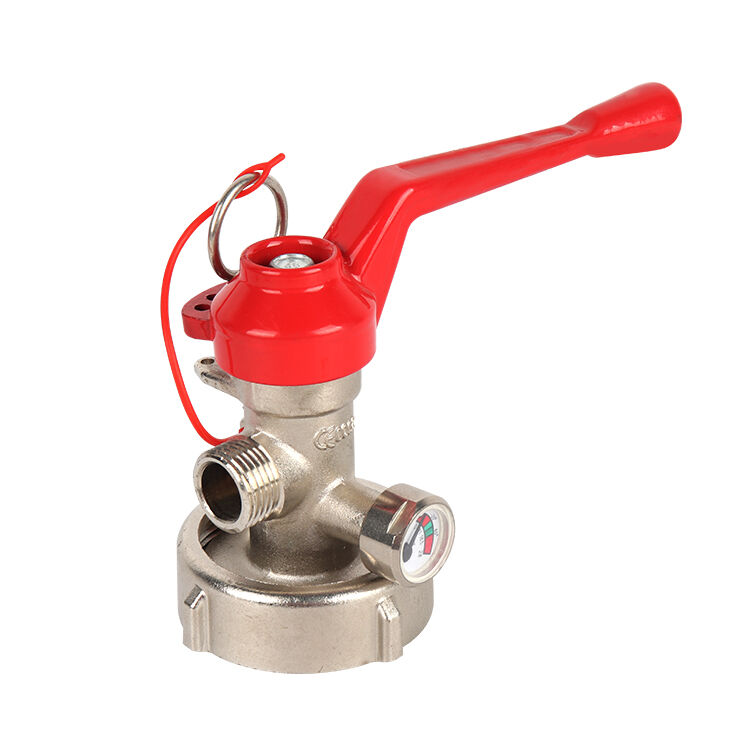
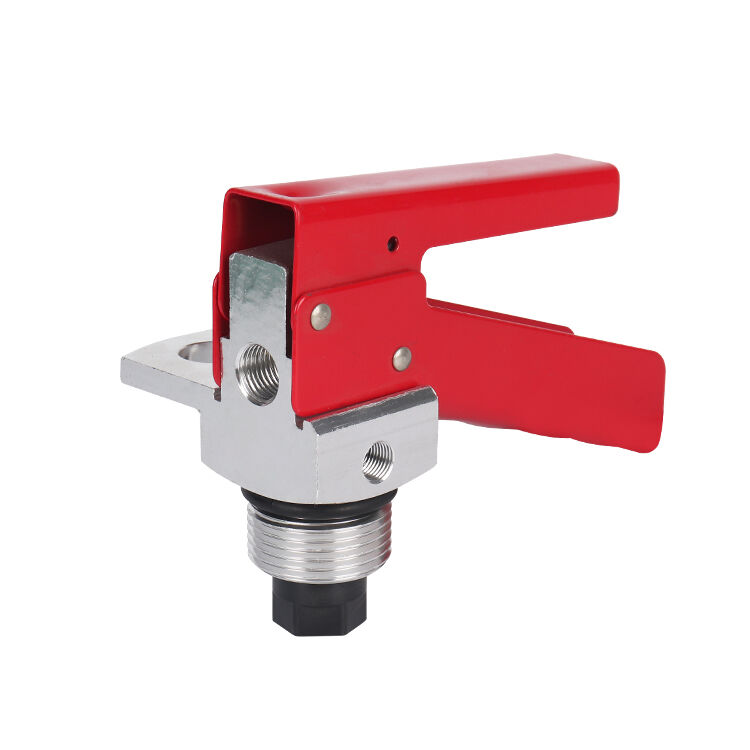
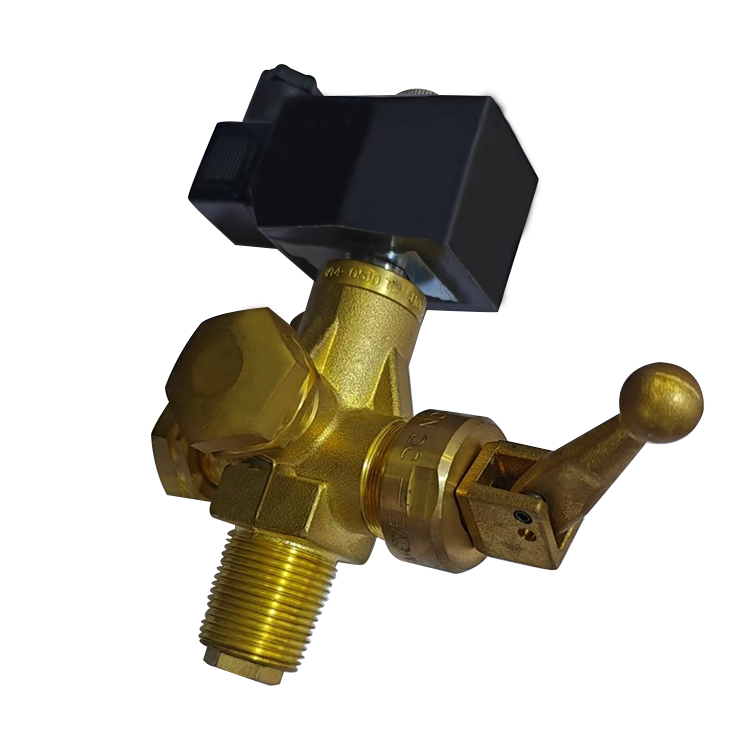
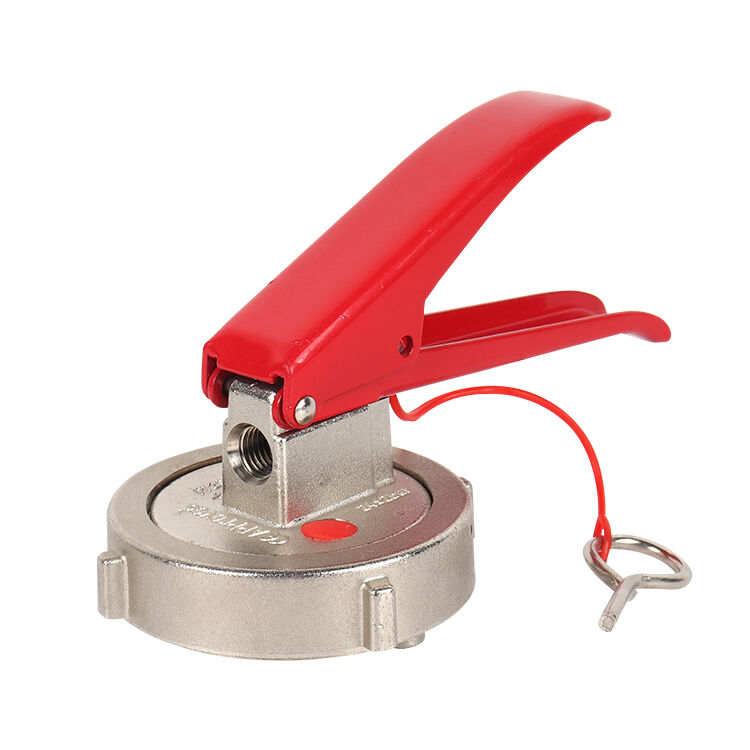
The fire protection valve features superior corrosion-resistant construction that ensures decades of reliable performance in challenging environmental conditions. Premium materials including brass, bronze, and stainless steel components resist oxidation, mineral buildup, and chemical degradation that commonly affect standard plumbing fixtures. This robust construction approach makes the fire protection valve suitable for installation in coastal areas, industrial facilities, and other corrosive environments where standard valves would fail prematurely. The manufacturing process incorporates specialized coatings and treatments that provide additional protection against water quality variations and atmospheric contaminants. Property owners benefit from reduced replacement costs and extended service intervals when choosing fire protection valve systems with enhanced corrosion resistance. Internal components receive equal attention to durability, with seals, gaskets, and moving parts engineered to withstand prolonged exposure to water pressure and temperature fluctuations. The fire protection valve design minimizes crevices and joints where corrosion typically initiates, creating smooth internal surfaces that resist buildup and maintain optimal flow characteristics. Field testing demonstrates that properly installed fire protection valve units maintain structural integrity and operational performance for 25+ years in typical building environments. This longevity advantage translates into lower life-cycle costs compared to alternative fire suppression technologies that require frequent component replacement. Water quality compatibility extends across various municipal supply conditions, including hard water areas where mineral deposits typically cause premature valve failure. The fire protection valve construction methods incorporate industry-leading metallurgy practices that enhance grain structure and stress resistance in critical load-bearing components. Maintenance requirements remain minimal due to the corrosion-resistant properties, with most fire protection valve installations requiring only periodic visual inspections and flow testing to verify continued functionality.

 EN
EN