Premium Stainless Steel Valves - Corrosion Resistant Industrial Flow Control Solutions

Download Catalogue
All Categories

Get a Free Quote

Our representative will contact you soon.
Email
Name
Company Name
Mobile/WhatsApp
Message
0/1000

stainless steel valve

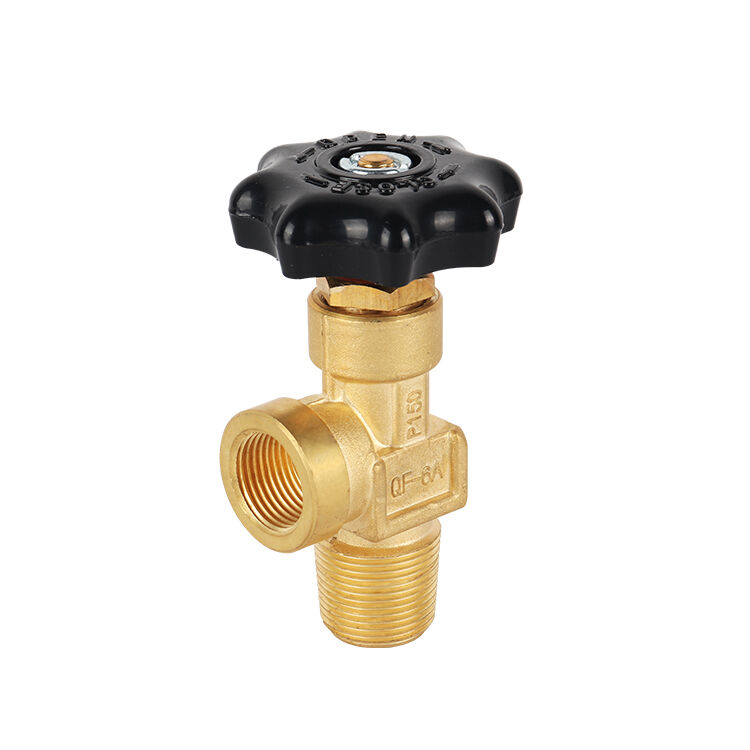
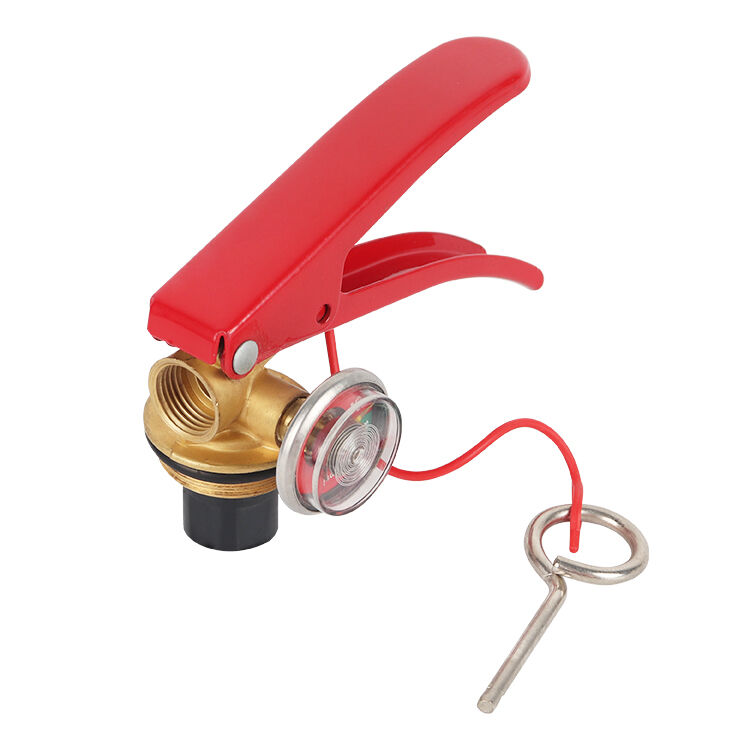
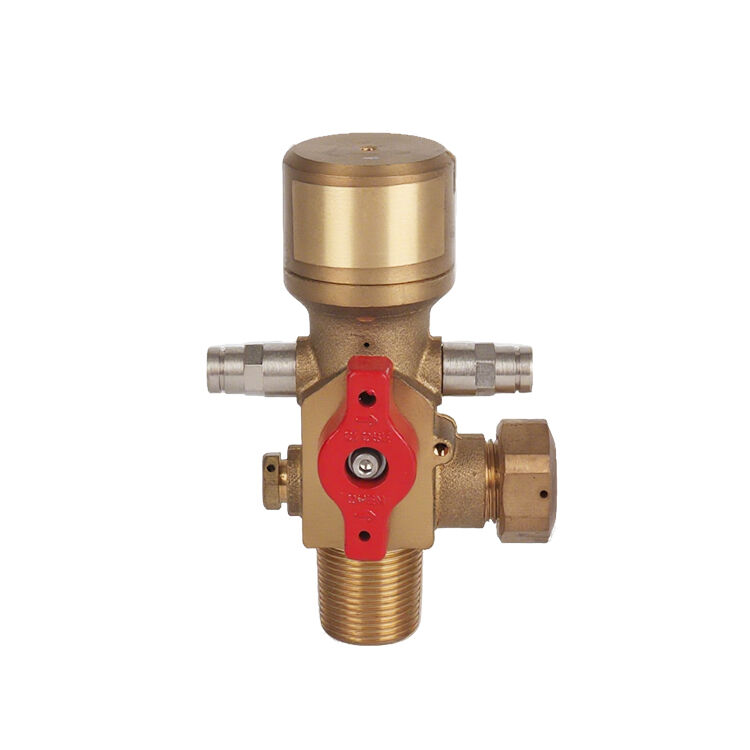
A stainless steel valve represents a critical component in fluid control systems, designed to regulate, direct, or control the flow of liquids and gases through pipelines and industrial processes. These precision-engineered devices utilize high-grade stainless steel materials, primarily composed of iron, chromium, and nickel alloys, which provide exceptional resistance to corrosion and maintain structural integrity under extreme operating conditions. The main functions of stainless steel valves encompass flow control, pressure regulation, directional control, and complete shut-off capabilities within various piping systems. These valves operate through mechanical actuation, allowing operators to precisely manage fluid dynamics in complex industrial environments. Technological features include advanced sealing mechanisms, such as metal-to-metal seats or soft-seated designs, which ensure leak-proof performance throughout extended service periods. Modern stainless steel valve designs incorporate innovative stem configurations, including rising stem and non-rising stem variants, to accommodate specific installation requirements and operational preferences. The manufacturing process involves precision machining, casting, or forging techniques that create seamless valve bodies capable of withstanding high pressures and temperatures. Applications span numerous industries, including chemical processing, petroleum refining, pharmaceutical manufacturing, food and beverage production, water treatment facilities, and marine environments. In chemical plants, stainless steel valves handle corrosive substances while maintaining product purity and preventing contamination. The food industry relies on these valves for sanitary processing applications where hygiene standards demand non-reactive materials. Power generation facilities utilize stainless steel valves in steam systems, cooling circuits, and fuel handling operations. Water treatment plants depend on these robust components for controlling flow rates, managing backwash cycles, and ensuring consistent water quality. Marine applications benefit from the superior corrosion resistance properties when exposed to saltwater environments. The versatility of stainless steel valve technology enables customization for specific process requirements, including specialized coatings, exotic alloy compositions, and automated actuation systems to meet demanding operational specifications across diverse industrial sectors.


Popular Products

Stainless steel valves deliver exceptional performance benefits that make them the preferred choice for demanding industrial applications worldwide. The primary advantage lies in their superior corrosion resistance, which stems from the chromium content that forms a protective oxide layer on the surface, preventing rust and degradation even when exposed to harsh chemicals, moisture, and extreme temperatures. This remarkable durability translates into significantly longer service life compared to conventional materials, reducing replacement costs and minimizing system downtime. The strength characteristics of stainless steel allow these valves to withstand high pressure and temperature conditions without compromising structural integrity, making them ideal for critical applications where failure is not an option. Temperature resistance capabilities enable stainless steel valves to function reliably across a wide operating range, from cryogenic conditions to elevated temperatures exceeding 800 degrees Fahrenheit, providing consistent performance regardless of environmental challenges. The non-reactive nature of stainless steel ensures product purity in sensitive applications such as pharmaceutical manufacturing and food processing, where contamination risks must be eliminated entirely. Maintenance requirements are substantially reduced due to the inherent properties of stainless steel, which resists scaling, pitting, and general wear, resulting in lower operational costs over the valve's lifetime. The smooth surface finish of stainless steel valves facilitates easy cleaning and sterilization procedures, essential for maintaining hygiene standards in sanitary applications. These valves demonstrate excellent mechanical properties, including high tensile strength and impact resistance, ensuring reliable operation under dynamic loading conditions and vibration environments. The aesthetic appeal of stainless steel provides additional value in applications where appearance matters, as the material maintains its attractive finish throughout years of service. Environmental benefits include the recyclability of stainless steel, supporting sustainability initiatives while reducing waste disposal concerns. Installation flexibility is enhanced by the availability of various connection types, sizes, and configurations to meet specific system requirements. Cost-effectiveness becomes apparent when considering the total cost of ownership, as the initial investment in stainless steel valves is offset by extended service intervals, reduced maintenance expenses, and improved system reliability. Quality assurance is simplified through established testing standards and certification processes that ensure consistent performance across different manufacturers and applications.

Latest News

The Ultimate Guide to Choosing the Right Fire Extinguisher for Your Home

02

Dec

The Ultimate Guide to Choosing the Right Fire Extinguisher for Your Home

Home fire safety is a critical concern that every homeowner must address proactively. A fire extinguisher serves as your first line of defense against small fires before they escalate into catastrophic events. Understanding the different types of fir...
View More
Fire Extinguisher Valve: How It Works and Why It's Crucial

10

Dec

Fire Extinguisher Valve: How It Works and Why It's Crucial

Fire extinguisher systems represent one of the most critical safety components in any building or industrial facility. At the heart of every fire extinguisher lies a sophisticated valve mechanism that controls the flow of suppressant materials during...
View More
Dry Powder Fire Extinguisher: A Complete Guide to Uses and Limitations

16

Dec

Dry Powder Fire Extinguisher: A Complete Guide to Uses and Limitations

Fire safety remains a critical concern across industrial, commercial, and residential environments worldwide. Among the various firefighting solutions available today, the dry powder extinguisher stands out as one of the most versatile and widely dep...
View More
When to Use a Fire Blanket vs. a Fire Extinguisher: A Clear Guide

19

Dec

When to Use a Fire Blanket vs. a Fire Extinguisher: A Clear Guide

When faced with a fire emergency, having the right suppression tool can mean the difference between a minor incident and a catastrophic event. Two of the most common fire safety devices found in homes, kitchens, and workplaces are fire blankets and f...
View More

Get a Free Quote

Our representative will contact you soon.
Email
Name
Company Name
Mobile/WhatsApp
Message
0/1000

stainless steel valve

Exceptional Corrosion Resistance and Longevity

Exceptional Corrosion Resistance and Longevity

The outstanding corrosion resistance of stainless steel valves represents their most valuable characteristic, fundamentally transforming how industries approach fluid control systems in challenging environments. This superior resistance stems from the unique metallurgical composition of stainless steel, which contains a minimum of 10.5 percent chromium that forms a thin, invisible, and self-repairing chromium oxide layer on the surface. This passive layer acts as a barrier against corrosive elements, including acids, alkalis, salts, and atmospheric moisture, effectively preventing the underlying metal from degradation. When minor surface damage occurs, this protective layer automatically regenerates in the presence of oxygen, maintaining continuous protection throughout the valve's operational life. The practical benefits for customers are substantial, particularly in industries dealing with corrosive chemicals, seawater, or aggressive process fluids. Chemical processing plants experience dramatically reduced maintenance costs and extended equipment life when using stainless steel valves instead of carbon steel alternatives that require frequent replacement due to corrosion damage. The longevity factor becomes especially important in critical applications where unexpected failures can result in production shutdowns, safety hazards, and environmental concerns. Marine environments, notorious for accelerated corrosion due to salt exposure, benefit enormously from stainless steel valve technology, as these components maintain their functionality and appearance for decades without significant deterioration. The economic impact extends beyond mere replacement costs, encompassing reduced inventory requirements, fewer emergency repairs, and improved system reliability. Industries such as offshore oil and gas, desalination plants, and coastal manufacturing facilities report significant cost savings when transitioning from traditional materials to stainless steel valve solutions. The reliability factor cannot be overstated, as equipment failures in remote or hazardous locations create exponentially higher costs for repairs and replacements. Furthermore, the corrosion resistance properties ensure consistent flow characteristics throughout the valve's service life, preventing performance degradation that commonly affects other materials as they deteriorate over time.
Superior Temperature and Pressure Performance

Superior Temperature and Pressure Performance

Stainless steel valves demonstrate remarkable capability in extreme temperature and pressure conditions, making them indispensable for high-performance industrial applications where conventional materials fail to meet operational demands. The thermal stability of stainless steel allows these valves to function effectively across an extraordinary temperature range, from cryogenic applications approaching absolute zero to high-temperature processes exceeding 1000 degrees Fahrenheit. This exceptional thermal performance results from the crystalline structure of stainless steel alloys, which maintain their mechanical properties and dimensional stability under thermal stress. The austenitic grades commonly used in valve manufacturing exhibit minimal thermal expansion and contraction, ensuring consistent sealing performance and preventing thermal binding that can render valves inoperable. High-pressure capabilities are equally impressive, with stainless steel valves routinely handling pressures exceeding 6000 PSI in specialized applications, while maintaining leak-tight sealing and smooth operation. The combination of temperature and pressure resistance creates synergistic benefits that are particularly valuable in steam systems, where both factors simultaneously challenge valve performance. Power generation facilities rely on this dual capability for critical applications such as turbine control, boiler feedwater systems, and steam distribution networks where failure consequences are severe. The petrochemical industry benefits from stainless steel valve performance in catalytic crackers, reformers, and distillation columns where extreme conditions are routine operational requirements. Cryogenic applications, including liquefied natural gas facilities and industrial gas production, depend on the low-temperature properties of stainless steel to maintain valve functionality when other materials become brittle and prone to catastrophic failure. The consistent performance under varying thermal conditions eliminates the need for complex thermal compensation systems, simplifying system design and reducing overall costs. Pressure cycling resistance is another crucial advantage, as stainless steel valves withstand repeated pressure fluctuations without developing fatigue cracks or seal degradation that commonly affects inferior materials. This reliability under dynamic conditions translates into reduced maintenance requirements and extended service intervals, providing substantial operational cost savings for facilities with frequent pressure variations.
Hygienic Design and Food-Grade Safety

Hygienic Design and Food-Grade Safety

The hygienic properties of stainless steel valves make them essential components in industries where product purity, contamination prevention, and sanitary conditions are paramount concerns. The smooth, non-porous surface of stainless steel creates an inhospitable environment for bacterial growth, biofilm formation, and contamination accumulation, making these valves ideal for food processing, pharmaceutical manufacturing, and biotechnology applications. The inert nature of stainless steel ensures that no metallic ions or compounds leach into process fluids, maintaining product integrity and preventing taste, odor, or chemical contamination that could compromise final product quality. This characteristic is particularly crucial in beverage production, where even trace contamination can affect flavor profiles and consumer acceptance. The ease of cleaning and sterilization represents a significant operational advantage, as stainless steel valves can withstand aggressive cleaning chemicals, high-temperature steam sterilization, and chemical sanitization procedures without surface degradation or performance loss. The smooth finish facilitates complete removal of residues, eliminating harboring points for contaminants that could cause cross-contamination between production batches. Compliance with international food safety standards, including FDA, USDA, and 3-A Sanitary Standards, ensures that stainless steel valves meet the stringent requirements of regulated industries. The traceability of materials used in valve construction provides additional assurance for quality control programs and regulatory compliance documentation. Pharmaceutical applications particularly benefit from the validation capabilities of stainless steel valves, as their consistent performance and documented material properties support regulatory submissions and manufacturing license approvals. The resistance to cleaning chemicals prevents valve degradation during routine sanitization cycles, maintaining reliable operation throughout extended service periods without requiring frequent replacement or refurbishment. Surface finish options, including electropolished surfaces with ultra-smooth characteristics, further enhance the hygienic properties by minimizing microscopic surface irregularities where contaminants might accumulate. The ability to achieve and maintain sterile conditions is essential for biotechnology applications involving cell cultures, vaccine production, and other sensitive biological processes where contamination can destroy valuable products and research efforts.

Get a Free Quote

Our representative will contact you soon.
Email
Name
Company Name
Mobile/WhatsApp
Message
0/1000
email goToTop