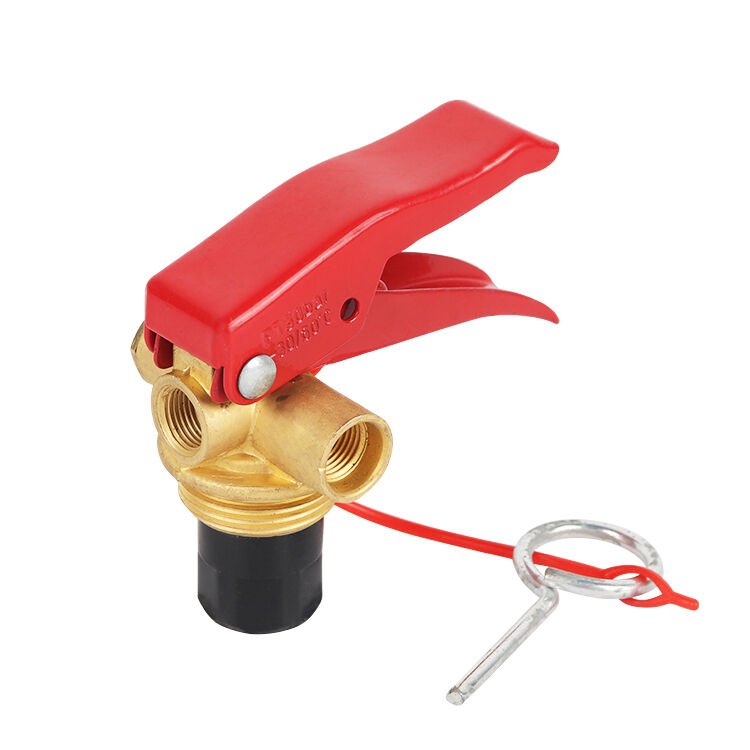
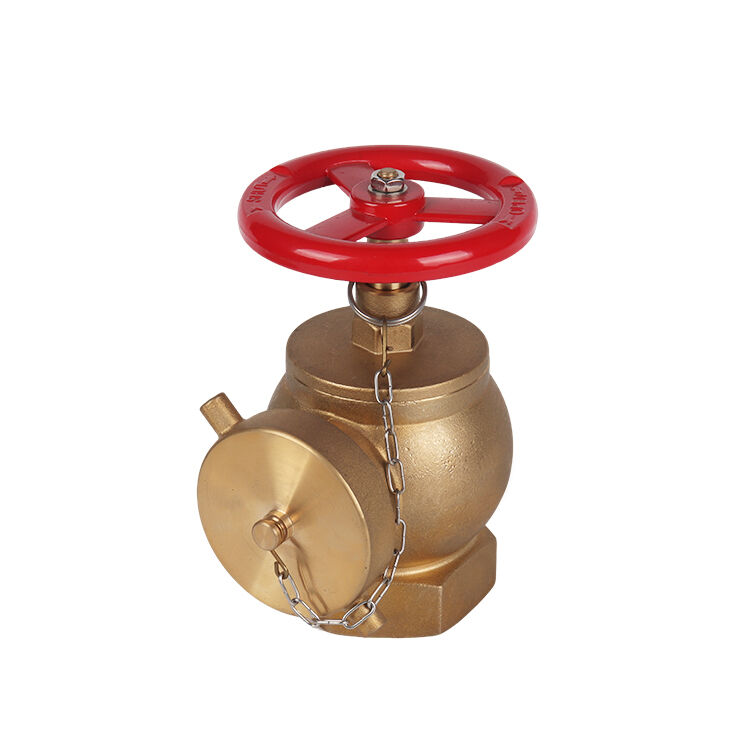
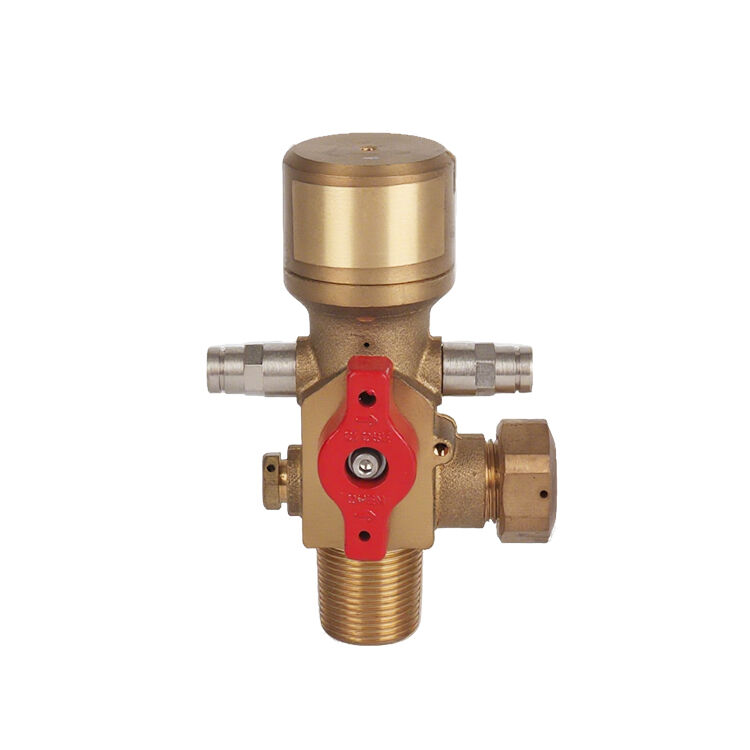
Premium Bronze Valve Solutions - Superior Corrosion Resistance & Thermal Performance

Download Catalogue
All Categories

Get a Free Quote

Our representative will contact you soon.
Email
Name
Company Name
Mobile/WhatsApp
Message
0/1000

bronze valve

Bronze valve represents a premium solution in fluid control systems, combining traditional craftsmanship with modern engineering excellence. This specialized valve utilizes bronze alloy construction, typically composed of copper and tin, creating a robust component that excels in demanding industrial applications. The bronze valve operates through precise mechanical action, controlling fluid flow by opening, closing, or partially obstructing passageways within piping systems. Manufacturing processes involve careful alloy selection, precision machining, and rigorous quality testing to ensure optimal performance characteristics. The bronze valve demonstrates exceptional resistance to corrosion, particularly in marine environments and chemical processing applications where standard materials might deteriorate rapidly. Temperature stability remains consistent across wide operational ranges, making bronze valve installations suitable for both high-heat and sub-zero conditions. The material properties of bronze provide natural antimicrobial characteristics, reducing bacterial growth in water systems and maintaining sanitary conditions in food processing facilities. Mechanical strength of bronze valve construction withstands substantial pressure variations without compromising structural integrity. Installation flexibility allows bronze valve integration into existing systems with minimal modifications, supporting various connection types including threaded, flanged, and welded configurations. Maintenance requirements remain minimal due to the self-lubricating properties of bronze, reducing operational costs and extending service intervals. Quality bronze valve manufacturing incorporates advanced metallurgy techniques, ensuring consistent wall thickness, smooth internal surfaces, and precise dimensional tolerances. Testing protocols verify bronze valve performance under extreme conditions, validating reliability standards for critical applications. Environmental sustainability benefits emerge from bronze recyclability, supporting green building initiatives and responsible manufacturing practices. The bronze valve market continues expanding across industries recognizing the superior performance characteristics and long-term value proposition of this premium valve solution.


New Product Recommendations

Bronze valve technology delivers significant practical benefits that directly impact operational efficiency and cost management across industrial applications. The primary advantage lies in exceptional durability, where bronze valve construction withstands decades of continuous service without requiring frequent replacements or major repairs. This longevity translates to reduced maintenance budgets and minimized system downtime, allowing facilities to maintain consistent production schedules. Corrosion resistance stands as another major benefit, particularly valuable in coastal facilities, chemical plants, and water treatment systems where aggressive media would quickly degrade alternative materials. The bronze valve maintains structural integrity when exposed to saltwater, acids, and various industrial chemicals, protecting system reliability and preventing costly leaks or failures. Thermal stability provides consistent performance across temperature extremes, eliminating concerns about material expansion, contraction, or brittleness that affects other valve types. This characteristic makes bronze valve installations ideal for steam systems, heating networks, and cryogenic applications where temperature fluctuations are common. Pressure handling capabilities exceed those of many alternative materials, allowing bronze valve use in high-pressure systems without safety concerns or performance degradation. The smooth internal surfaces of properly manufactured bronze valve components reduce friction and pressure drops, improving overall system efficiency and reducing energy consumption. Antimicrobial properties naturally inhibit bacterial and algae growth, making bronze valve selections particularly beneficial for potable water systems, food processing equipment, and pharmaceutical manufacturing where contamination prevention is critical. Installation versatility accommodates various connection methods and pipe materials, simplifying integration projects and reducing installation costs. Maintenance simplicity results from the self-lubricating nature of bronze, which minimizes wear on moving parts and extends service intervals between inspections. Cost-effectiveness becomes apparent when considering the total lifecycle expenses, as initial investment in quality bronze valve components is offset by reduced replacement frequency, lower maintenance requirements, and improved system reliability. Environmental benefits support sustainability goals through material recyclability and extended service life that reduces waste generation. The bronze valve offers superior value proposition when evaluated against alternatives, providing reliable performance, reduced operational costs, and long-term durability that justifies the investment for quality-conscious organizations.

Practical Tips

Fire Extinguisher Valve: How It Works and Why It's Crucial

10

Dec

Fire Extinguisher Valve: How It Works and Why It's Crucial

Fire extinguisher systems represent one of the most critical safety components in any building or industrial facility. At the heart of every fire extinguisher lies a sophisticated valve mechanism that controls the flow of suppressant materials during...
View More
Dry Powder Fire Extinguisher: A Complete Guide to Uses and Limitations

16

Dec

Dry Powder Fire Extinguisher: A Complete Guide to Uses and Limitations

Fire safety remains a critical concern across industrial, commercial, and residential environments worldwide. Among the various firefighting solutions available today, the dry powder extinguisher stands out as one of the most versatile and widely dep...
View More
When to Use a Fire Blanket vs. a Fire Extinguisher: A Clear Guide

19

Dec

When to Use a Fire Blanket vs. a Fire Extinguisher: A Clear Guide

When faced with a fire emergency, having the right suppression tool can mean the difference between a minor incident and a catastrophic event. Two of the most common fire safety devices found in homes, kitchens, and workplaces are fire blankets and f...
View More
How to Read a Fire Extinguisher Pressure Gauge (With Pictures)

22

Dec

How to Read a Fire Extinguisher Pressure Gauge (With Pictures)

Understanding how to properly read a fire extinguisher pressure gauge is essential for maintaining fire safety equipment and ensuring optimal performance during emergencies. A pressure gauge serves as the primary indicator of whether your fire exting...
View More

Get a Free Quote

Our representative will contact you soon.
Email
Name
Company Name
Mobile/WhatsApp
Message
0/1000

bronze valve

Superior Corrosion Resistance for Long-Term Reliability

Superior Corrosion Resistance for Long-Term Reliability

The exceptional corrosion resistance of bronze valve technology sets it apart from conventional valve materials in demanding industrial environments. This remarkable characteristic stems from the unique metallurgical properties of bronze alloy, which forms a protective patina layer when exposed to moisture and atmospheric conditions. Unlike steel valves that rust or aluminum components that suffer from galvanic corrosion, the bronze valve maintains structural integrity even in highly corrosive environments such as marine applications, chemical processing plants, and wastewater treatment facilities. The copper-tin alloy composition creates a natural barrier against electrochemical reactions that typically degrade other metals, ensuring consistent performance over extended periods. In saltwater environments, where standard valves might fail within months, bronze valve installations continue operating effectively for decades without significant deterioration. This corrosion resistance proves particularly valuable in underground installations where replacement access is difficult and costly. The bronze valve withstands exposure to various chemicals including acids, alkalis, and organic solvents without experiencing pitting, cracking, or material degradation that compromises sealing integrity. Marine industries rely heavily on bronze valve technology for seawater cooling systems, ballast operations, and deck equipment where exposure to salt spray and humidity would quickly destroy alternative materials. Chemical processing facilities benefit from bronze valve installations in applications involving corrosive media that would attack stainless steel or carbon steel components. The natural antimicrobial properties of bronze provide additional protection against microbiologically influenced corrosion, a common problem in water systems where bacterial activity accelerates metal degradation. This comprehensive corrosion resistance translates directly to reduced maintenance costs, fewer emergency repairs, and improved system reliability. Organizations investing in bronze valve technology experience significantly lower total cost of ownership compared to alternatives requiring frequent replacement or extensive protective coatings. The longevity provided by superior corrosion resistance makes bronze valve selection particularly attractive for critical applications where system failure could result in environmental damage, production losses, or safety hazards.
Exceptional Thermal Performance Across Wide Temperature Ranges

Exceptional Thermal Performance Across Wide Temperature Ranges

The thermal performance characteristics of bronze valve construction deliver unmatched reliability across extreme temperature variations, making it the preferred choice for applications involving significant thermal cycling or steady-state high-temperature operations. Bronze alloy maintains dimensional stability and mechanical properties from cryogenic temperatures below -200°C to elevated temperatures exceeding 500°C, far surpassing the operational range of plastic valves or standard steel components. This exceptional thermal performance results from the crystalline structure of bronze, which resists thermal expansion and contraction that causes binding, leakage, or structural failure in other materials. Steam systems operating at high pressures and temperatures rely on bronze valve technology to maintain precise flow control without warping or seal degradation that affects system efficiency. The thermal conductivity of bronze provides uniform temperature distribution throughout the valve body, preventing thermal stress concentrations that could lead to cracking or premature failure. Cryogenic applications benefit from bronze valve installations that remain flexible and operable at extremely low temperatures where other materials become brittle and prone to failure. Heat exchangers, boiler systems, and thermal processing equipment utilize bronze valve components to handle rapid temperature changes without experiencing thermal shock damage. The coefficient of thermal expansion for bronze closely matches that of copper piping systems, minimizing stress at connection points during temperature variations. This thermal compatibility reduces joint failures and maintains system integrity throughout operational cycles. Solar heating systems, geothermal installations, and industrial heat recovery networks specify bronze valve components for their ability to handle temperature fluctuations without requiring thermal expansion compensation. The thermal stability of bronze valve sealing surfaces ensures consistent shut-off performance regardless of temperature conditions, preventing leakage that reduces system efficiency. Manufacturing processes expose bronze valve components to stress-relief treatments that enhance thermal performance and eliminate residual stresses that could affect operation. Quality control testing verifies thermal performance through cycling tests that simulate real-world conditions, ensuring bronze valve reliability in demanding applications. This comprehensive thermal performance capability makes bronze valve technology indispensable for industries requiring reliable operation across wide temperature ranges, providing confidence in system performance regardless of thermal conditions.
Outstanding Pressure Handling and Mechanical Strength

Outstanding Pressure Handling and Mechanical Strength

The mechanical strength and pressure handling capabilities of bronze valve construction exceed those of most alternative materials, providing reliable operation in high-pressure systems where safety and performance cannot be compromised. The inherent strength of bronze alloy allows bronze valve manufacturing with thinner wall sections while maintaining pressure ratings that surpass thicker steel components, resulting in lighter weight installations without sacrificing safety margins. Pressure testing of quality bronze valve components routinely exceeds rated working pressures by factors of four to six, demonstrating substantial safety reserves for critical applications. The ductile nature of bronze prevents catastrophic brittle failure modes common in cast iron or ceramic valve materials, instead exhibiting predictable deformation patterns that provide warning before ultimate failure. High-pressure hydraulic systems, compressed air networks, and industrial steam distributions rely on bronze valve technology for its ability to contain extreme pressures without leakage or structural compromise. The grain structure of properly manufactured bronze provides uniform strength distribution throughout the valve body, eliminating weak points that could lead to localized failures under pressure cycling. Fatigue resistance of bronze valve components significantly exceeds that of aluminum or plastic alternatives, allowing millions of operating cycles without degradation of pressure containment capability. Pressure surge conditions that damage other valve types are safely absorbed by bronze valve construction, protecting downstream equipment and maintaining system integrity. The mechanical properties of bronze remain stable under pressure, preventing creep deformation that gradually reduces sealing effectiveness in other materials. Thread strength in bronze valve connections provides superior holding power compared to soft metals, preventing connection loosening under vibration or pressure cycling. The modulus of elasticity for bronze closely matches that of brass and copper fittings commonly used in pressure systems, ensuring compatible deformation characteristics that maintain joint integrity. Hydrostatic testing protocols for bronze valve manufacturing verify pressure containment at levels well above service requirements, providing confidence for safety-critical applications. The combination of high tensile strength, excellent fatigue resistance, and predictable failure modes makes bronze valve technology the preferred choice for applications where pressure containment is paramount. Industries such as oil and gas processing, power generation, and aerospace systems specify bronze valve components for their proven ability to handle extreme pressures reliably over extended service periods.

Get a Free Quote

Our representative will contact you soon.
Email
Name
Company Name
Mobile/WhatsApp
Message
0/1000
email goToTop