Robust Construction and Environmental Resistance
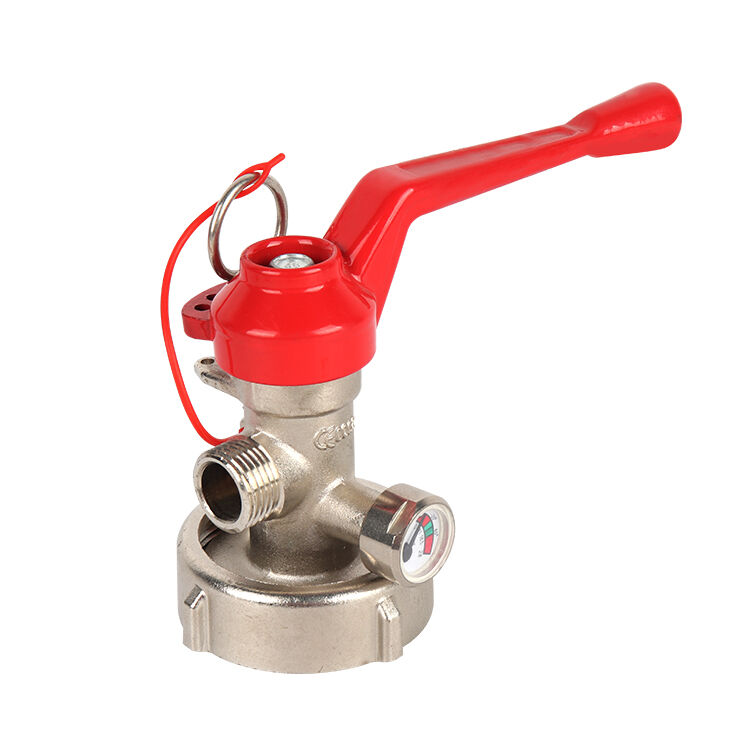
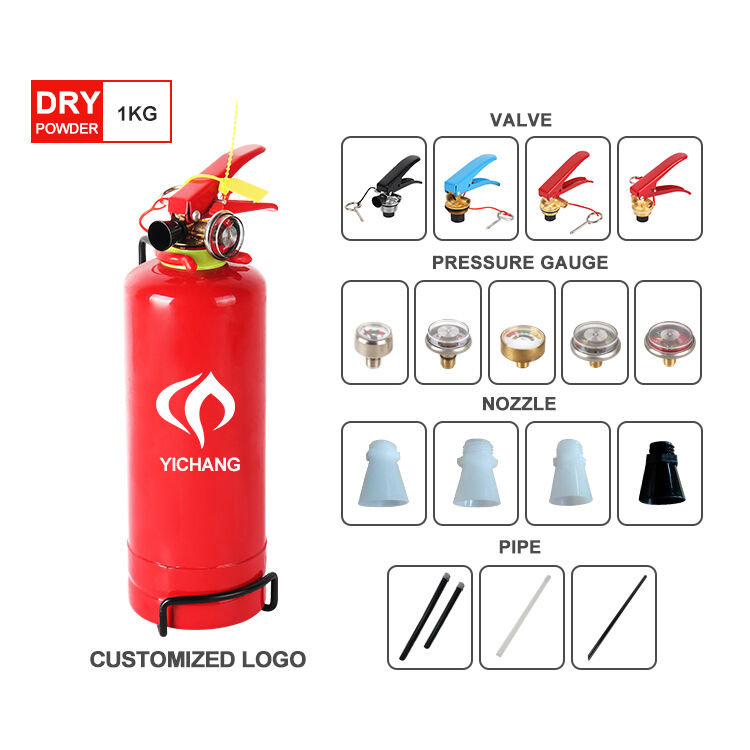
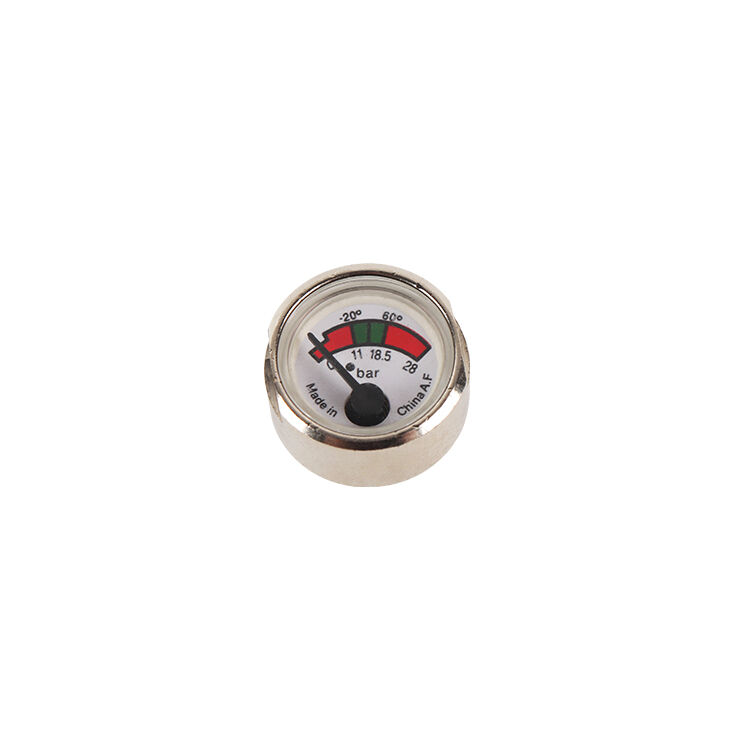
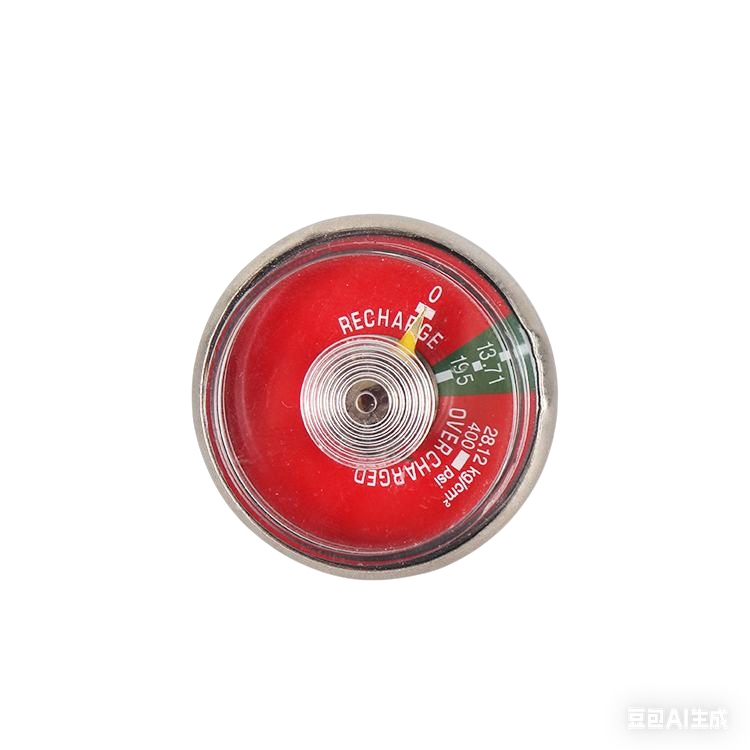
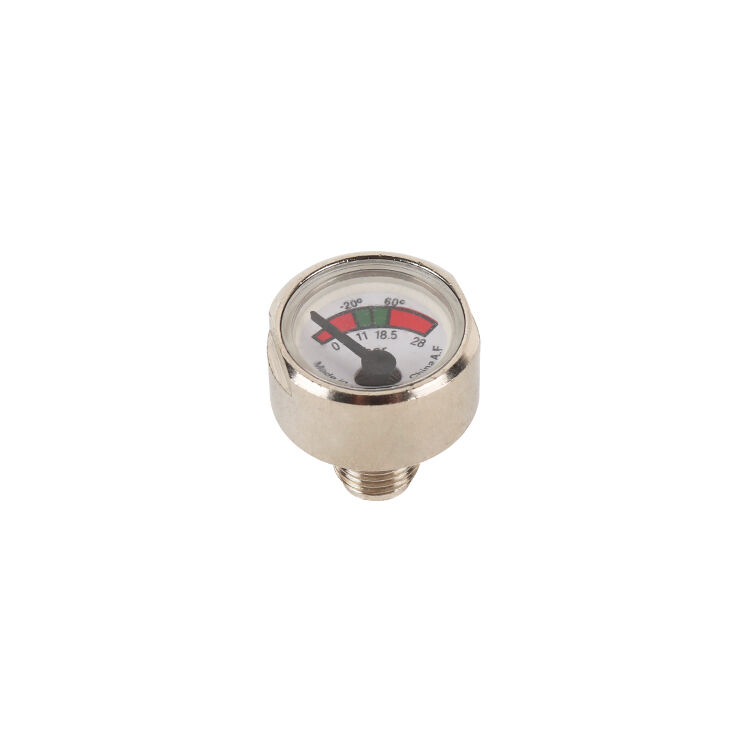
The fire extinguisher gauge construction employs premium materials and advanced engineering techniques that deliver exceptional durability and environmental resistance across demanding applications in commercial, industrial, and residential settings. Corrosion-resistant materials including marine-grade brass, stainless steel components, and specialized polymer seals provide long-term reliability when exposed to various extinguishing agents, atmospheric moisture, and chemical vapors commonly encountered in diverse installation environments. The fire extinguisher gauge housing utilizes precision machining and assembly techniques that create robust sealing interfaces resistant to pressure cycling, vibration, and thermal stress throughout extended service periods. Advanced surface treatments and protective coatings prevent corrosion and maintain aesthetic appearance while providing additional protection against environmental contaminants that could compromise gauge functionality. Shock and vibration resistance characteristics enable reliable operation in industrial environments subject to heavy machinery operation, transportation vibration, or seismic activity without affecting calibration accuracy or mechanical integrity. The fire extinguisher gauge design incorporates redundant sealing systems that prevent moisture ingress and maintain internal component protection even under extreme humidity conditions or direct water exposure during facility cleaning or emergency response activities. Temperature cycling resistance ensures continued operation across extreme seasonal variations and rapid temperature changes without affecting measurement accuracy or causing mechanical failure. Chemical compatibility testing verifies resistance to common cleaning agents, fire suppressant chemicals, and atmospheric pollutants that might be encountered in various installation environments. The robust construction approach includes over-pressure protection mechanisms that prevent gauge damage during accidental over-pressurization events, maintaining calibration accuracy and extending equipment service life. Quality assurance protocols verify construction integrity through comprehensive testing including pressure cycling, environmental exposure simulation, and accelerated aging procedures that validate long-term performance expectations. Modular design elements facilitate field repair and component replacement when necessary, supporting sustainable maintenance practices and minimizing lifecycle costs. The environmental resistance characteristics support installation flexibility across diverse climate zones and application environments without requiring special protection or housing modifications. This comprehensive approach to fire extinguisher gauge construction ensures reliable performance throughout extended service periods while minimizing maintenance requirements and supporting overall fire safety system effectiveness.

 EN
EN