Advanced Electronic Control and Monitoring Systems
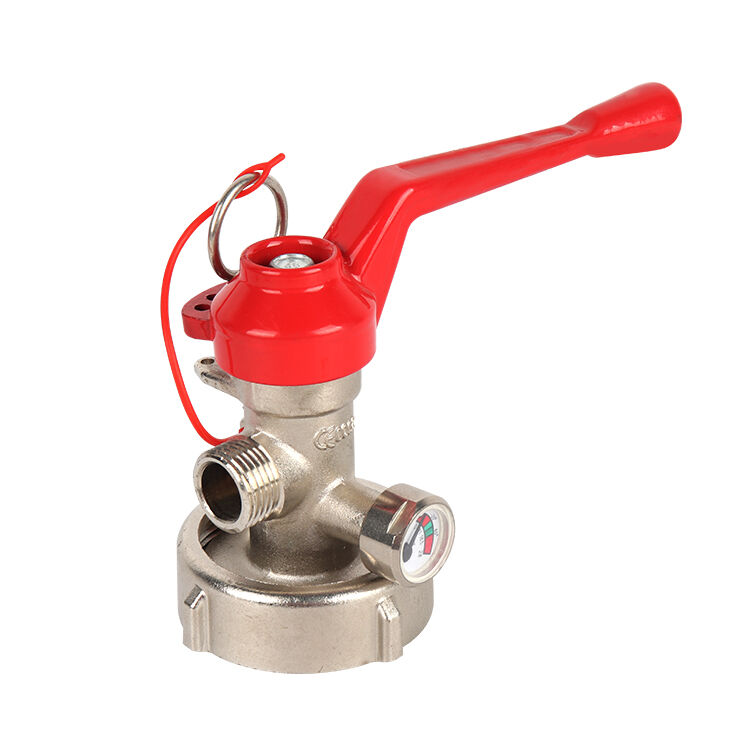
Modern extinguisher valve technology incorporates sophisticated electronic control systems that revolutionize fire suppression management through intelligent monitoring and automated response capabilities. These advanced systems feature microprocessor-based controllers that continuously assess valve status, agent pressure levels, and system readiness, providing facility managers with unprecedented visibility into their fire suppression infrastructure. The electronic control interface communicates seamlessly with building management systems, fire alarm panels, and remote monitoring stations, creating an integrated safety network that enhances overall emergency response coordination. Real-time diagnostic capabilities identify potential issues before they compromise system performance, enabling proactive maintenance that prevents costly failures during critical moments. The control system maintains detailed logs of all valve operations, including activation events, maintenance activities, and system tests, providing valuable documentation for regulatory compliance and insurance requirements. Programmable parameters allow customization of valve response characteristics to match specific application needs, such as adjusting discharge timing for different extinguishing agents or configuring zone-specific activation sequences. Advanced models feature redundant control circuits that ensure continued operation even when primary systems experience electrical failures or communication disruptions. The electronic monitoring extends to environmental factors, tracking temperature fluctuations, humidity levels, and vibration patterns that could affect valve performance or indicate maintenance needs. Wireless communication options eliminate the need for extensive hardwired connections, reducing installation costs while providing flexible placement options for optimal system design. The control system's user-friendly interface simplifies operation for facility personnel, featuring intuitive displays and straightforward menu navigation that reduces training requirements and minimizes operational errors. Integration with mobile applications enables remote system monitoring and control, allowing safety managers to oversee multiple facilities from any location while receiving instant alerts about system status changes or emergency activations.

 EN
EN